What does the blue iguana eat?
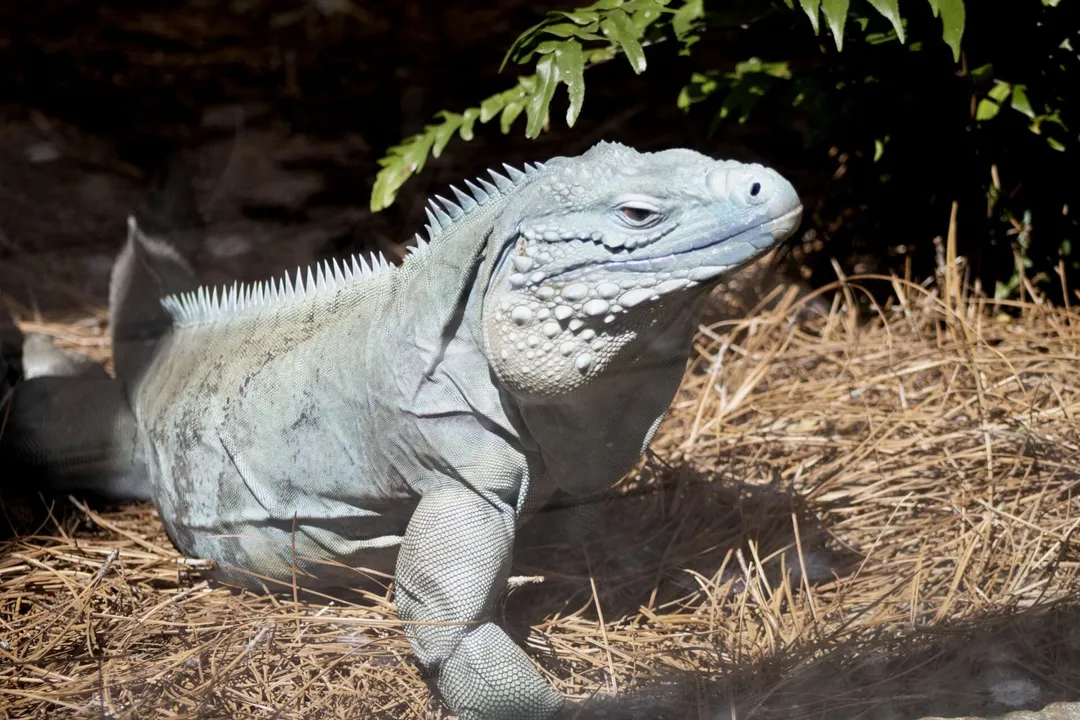
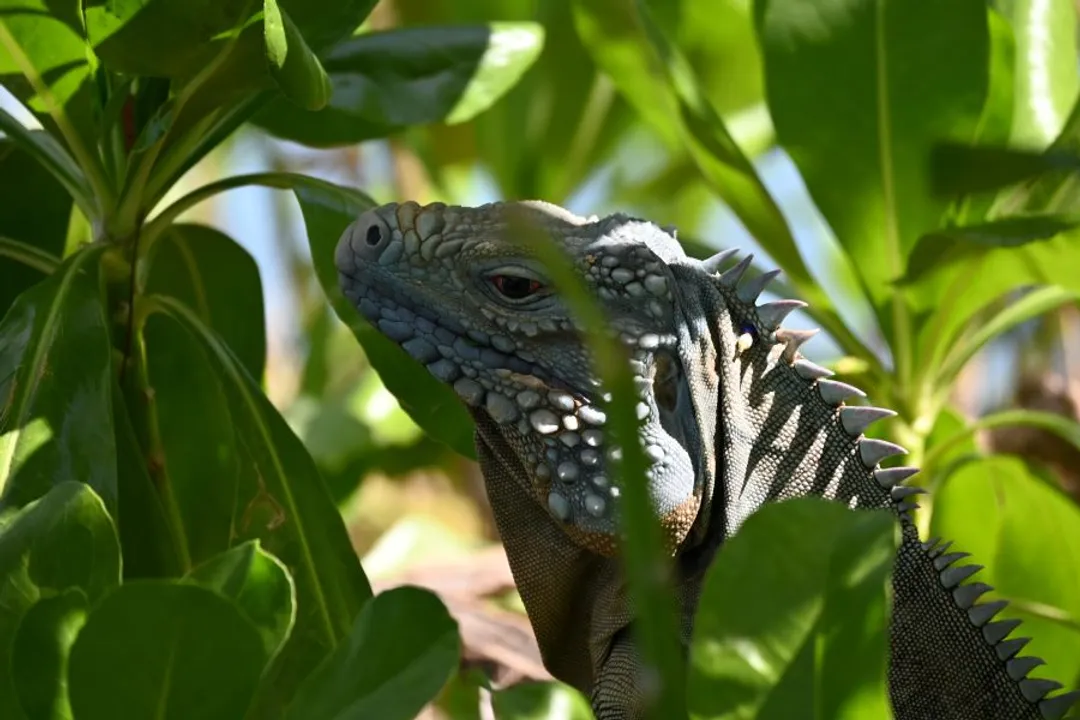
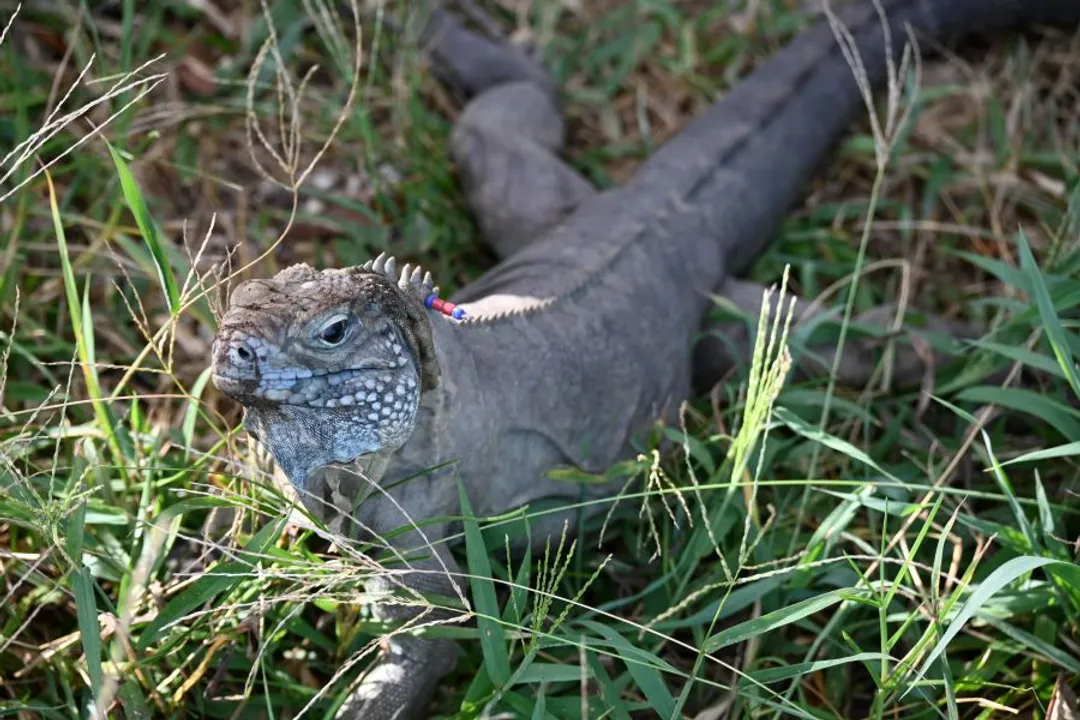
Grand Cayman Blue Iguanas are fascinating reptiles, recognizable by their striking coloration and their status as one of the world's most endangered lizards. [2][7] Understanding what sustains them, particularly in managed care settings, is central to their conservation, and their dietary needs are quite specific: they are strict herbivores. [1][8] While the general term "iguana" might suggest a varied menu, the Blue Iguana sticks almost entirely to plant matter. [3]
# Plant Focus
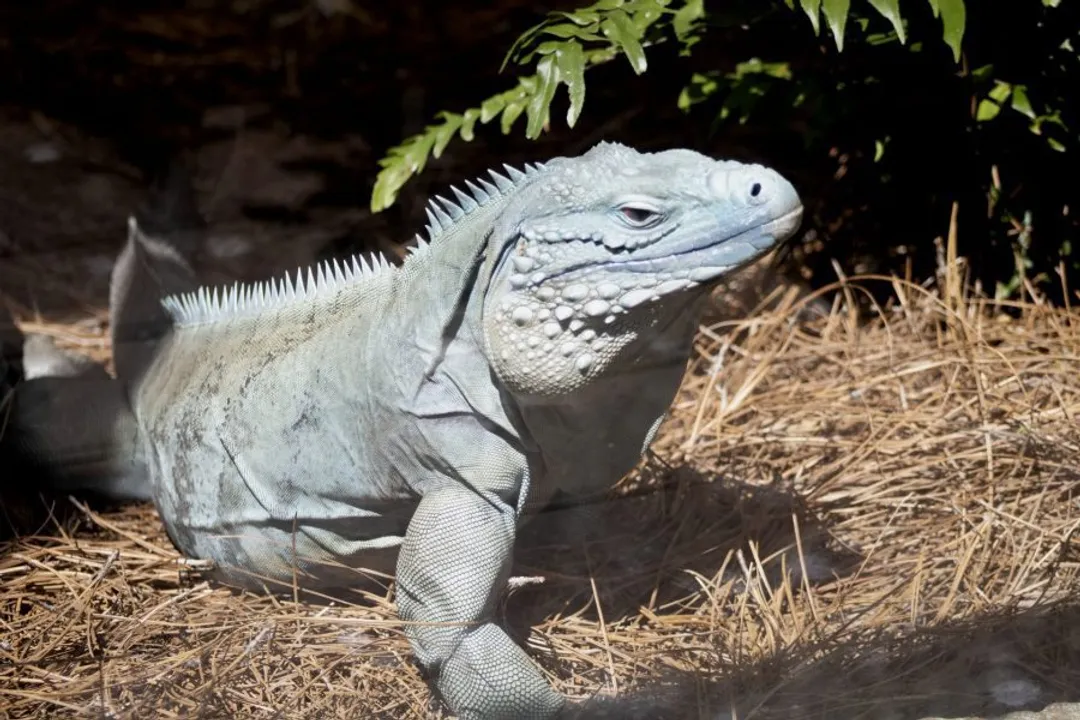
The core of the Blue Iguana's diet, both in their native habitat on Grand Cayman and in zoos worldwide, revolves around vegetation. [4][6] They consume leaves, flowers, and fruits found in their natural environment. [3][4] For example, institutions caring for these animals report feeding them a specific mixture heavily skewed toward vegetables and leaves. [6][7] This consistent preference for green, leafy material distinguishes their nutritional requirements from more omnivorous reptile species. [1]
In the wild, the availability and variety of these natural foods dictate what they consume daily. However, when managing this species in captivity—whether in a zoo setting or a specialized conservation program—keepers must replicate this high-fiber, low-sugar profile as closely as possible. [7] If a keeper were to simply offer a broad selection of tropical fruits often associated with reptiles, it could lead to serious health issues for this particular species. [5]
An interesting consideration for conservationists is the ecological role these animals play through their diet. By consuming specific fruits and seeds, they act as dispersal agents in their native ecosystem. When captive diets rely heavily on imported produce, this natural seed dispersal service is, by necessity, replaced by human intervention in habitat restoration projects. [7]
# Captive Menu Construction
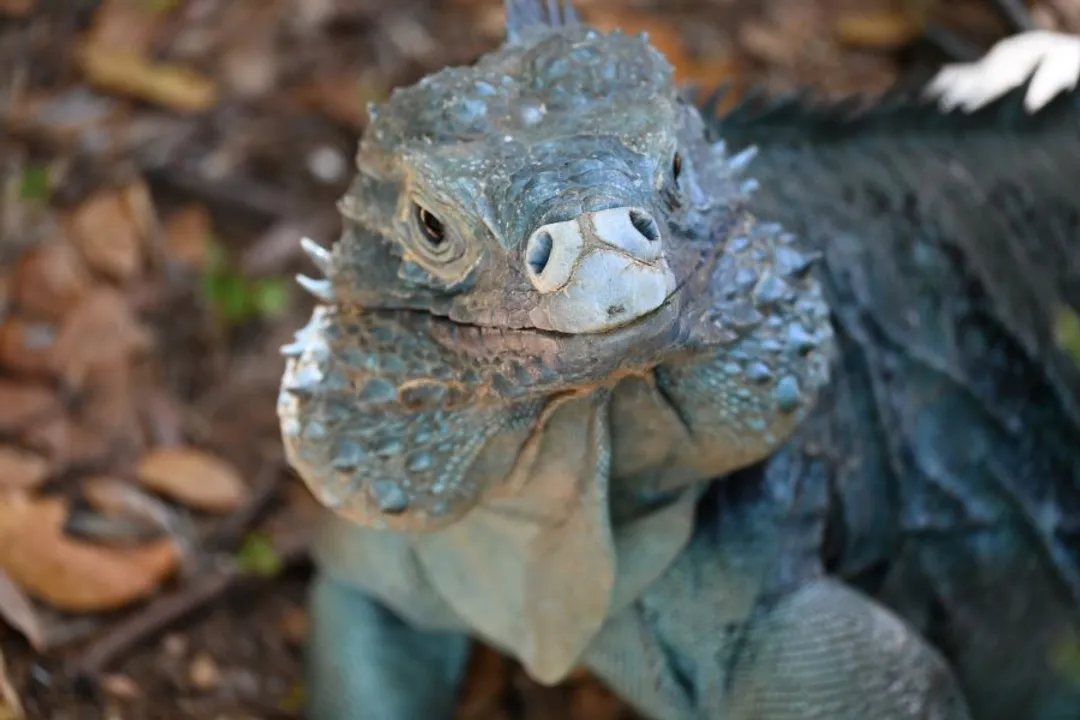
For those involved in the care of captive Blue Iguanas, the diet planning moves from foraging to precise formulation. The general rule for many captive herbivorous lizards suggests that the diet should consist overwhelmingly of vegetables and greens, with fruit offered sparingly, if at all. [5] In the case of the Blue Iguana, the emphasis leans even harder toward the vegetable component. [6]
Zoo nutrition protocols often involve providing a base mix designed to meet their essential vitamin and mineral requirements. [7] A typical mix might include dark, leafy greens, which provide necessary bulk and nutrients, combined with other vegetables. Some common components mentioned in reptile husbandry resources, applicable when creating a species-specific mix, might include items like collard greens, turnip greens, mustard greens, dandelion greens, and squash varieties. [5]
A key distinction to remember is that "fruit" should be treated as an occasional treat rather than a dietary staple. While they do consume fruit in the wild, it likely represents a much smaller percentage of their total caloric intake than it would in a typical captive feeding dish loaded with high-sugar options. [3][5] Excessive fruit consumption can lead to gastrointestinal upset and potentially long-term health issues due to an imbalance in sugar and fiber ratios. [5]
To illustrate the typical proportion advocated for high-quality herbivore diets, one might conceptualize the daily offering this way:
| Food Category | Recommended Daily Proportion (Conceptual) | Primary Role |
|---|---|---|
| Dark Leafy Greens | 60% - 75% | Fiber, Calcium, Vitamins |
| Other Vegetables | 15% - 30% | Bulk, Variety, Micronutrients |
| Fruit | 0% - 10% (Maximum) | Treat, Palatability |
This structure helps ensure the animal receives the necessary high-fiber content to keep its digestive system functioning properly, a vital aspect of reptile health that mirrors their natural, low-energy-density food sources. [1]
# Essential Mineral Balance
Beyond the source of the food, the chemical composition of the diet is perhaps the most critical factor for the long-term health of captive Blue Iguanas. Reptiles, like all animals, require specific minerals, but their absorption and utilization can be complicated by antagonists present in their food. [5]
The relationship between calcium and phosphorus is paramount. Calcium is necessary for bone structure, muscle function, and nerve transmission. Phosphorus is also integral to metabolism, but if ingested in excess relative to calcium, it can bind with calcium, rendering it unusable by the body. [5] For captive iguanas, the goal is to achieve a dietary calcium to phosphorus ratio of roughly 2:1. [5] Because many common vegetables and greens have phosphorus levels similar to or higher than their calcium content, keepers must carefully select vegetables that are naturally high in calcium or supplement the diet appropriately. [5]
Furthermore, Vitamin D3 plays a crucial role in calcium regulation. If the animal cannot synthesize sufficient Vitamin D3 through exposure to proper UVB lighting, it must be supplied through diet or dusting powders. [5] A lack of either adequate calcium or functional D3 leads directly to metabolic bone disease (MBD), a serious and often irreversible condition common in poorly managed captive reptiles. [5] Therefore, the "what" they eat is inseparable from the "how" it is prepared and supplemented.
# Hydration Needs
While the focus is often on solid food, access to clean water is non-negotiable for survival and proper digestion. [4] Blue Iguanas require fresh water daily, and while they may not drink large amounts visibly, hydration is essential for processing the high-fiber diet they consume. [5] In the wild, they derive some moisture from the plants they eat, but in a controlled environment, a readily available water source must be maintained. Cleaning the water dish daily is a simple husbandry step that prevents bacterial growth, which can then lead to secondary health issues if ingested. [5]
The consistent requirement across all care settings—from the humid forests of Grand Cayman to accredited zoos—is that the Blue Iguana remains dedicated to its herbivorous ways. [3][4] Providing a diet rich in leafy matter, moderate in non-sugary vegetables, and extremely limited in fruit ensures that these magnificent reptiles have the foundational nutritional support needed to thrive outside of their fragile native range. [7]
Related Questions
#Citations
Blue Iguana - Facts, Diet, Habitat & Pictures on Animalia.bio
Blue iguana - Wikipedia
One bite, pure delight. Grand Cayman blue iguanas are primarily ...
Cayman Island Blue Iguana :: Riverbanks Zoo & Garden
Iguanas: Feeding - VCA Animal Hospitals
Meet Our Grand Cayman Blue Iguanas - Brevard Zoo
Blue Iguana Conservation - National Trust for the Cayman Islands
Blue iguana facts, distribution & population - BioDB
The Blue Iguana: A Rare and Fascinating Species - GoSharpener