What's special about Thai Ridgebacks?
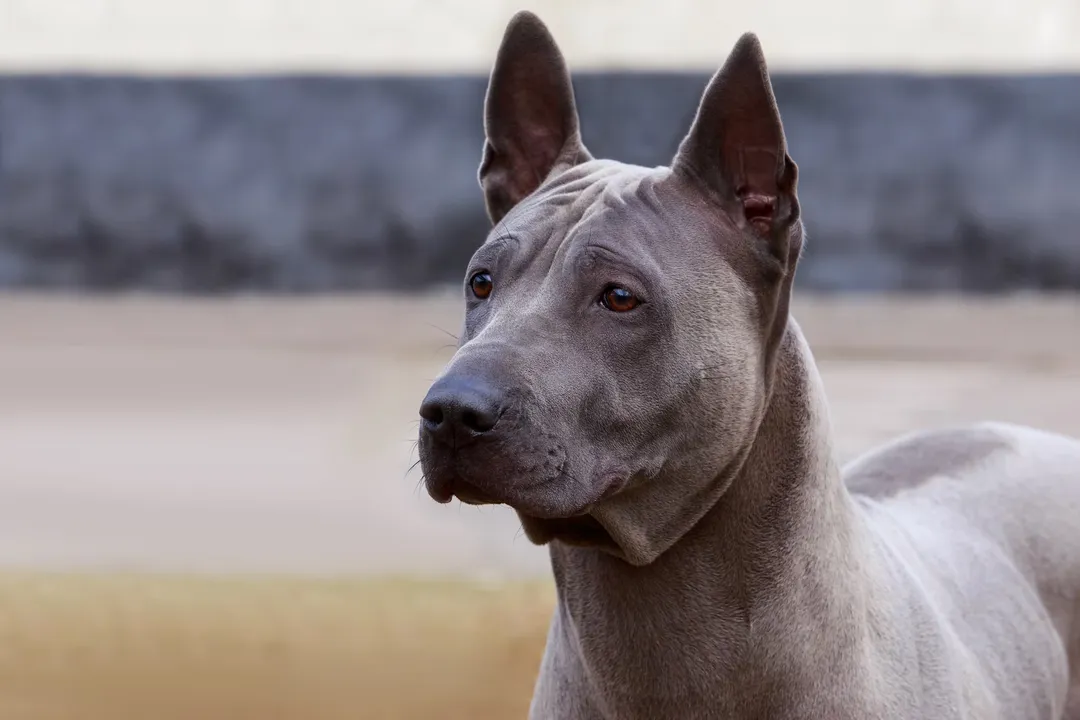
The Thai Ridgeback, often simply called the TRD, stands out in the canine world not just for its striking appearance but for its deep, relatively unchanged history rooted in Southeast Asia. This medium-to-large breed is one of only three dogs globally that naturally possess a ridge of hair running along their back in the opposite direction to the rest of their coat. [2][4] While their appearance is immediately arresting, what truly defines them is a temperament forged by centuries of survival and companionship in their native Thailand. [3][8]
# Origin Story
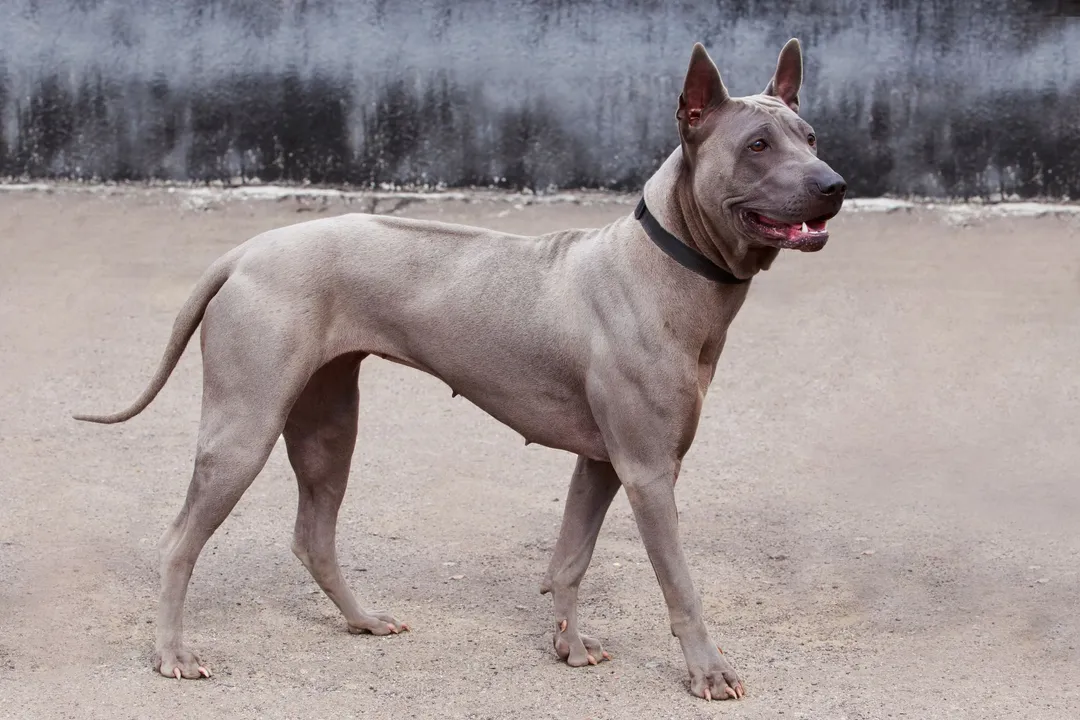
The lineage of the Thai Ridgeback is ancient, tracing back potentially thousands of years within the country of Siam, now known as Thailand. [3][5] These dogs were historically used for hunting, guarding property, and working as versatile farm dogs, indicating a need for intelligence, resilience, and self-sufficiency. [2][8] Unlike some breeds whose evolution was heavily managed by European breeders, the TRD developed in relative isolation in the rural areas of Eastern Thailand. [2][9] This isolation allowed the breed to retain many of its primitive characteristics. [3]
One of the most fascinating points of comparison for this breed is its relationship to other ridge-backed dogs, namely the Rhodesian Ridgeback and the Phu Quoc Ridgeback. [2] While all share the unique dorsal feature, the Thai Ridgeback is genetically distinct from the Rhodesian Ridgeback, which was developed much later in Africa. [2] The TRD is considered one of the most primitive breeds remaining, having been largely preserved by Thai farmers and hunters who valued utility over aesthetics for generations. [9] Recognition by international bodies came much later than its existence, confirming its status as a relatively new discovery to the wider world. [4]
# The Defining Ridge
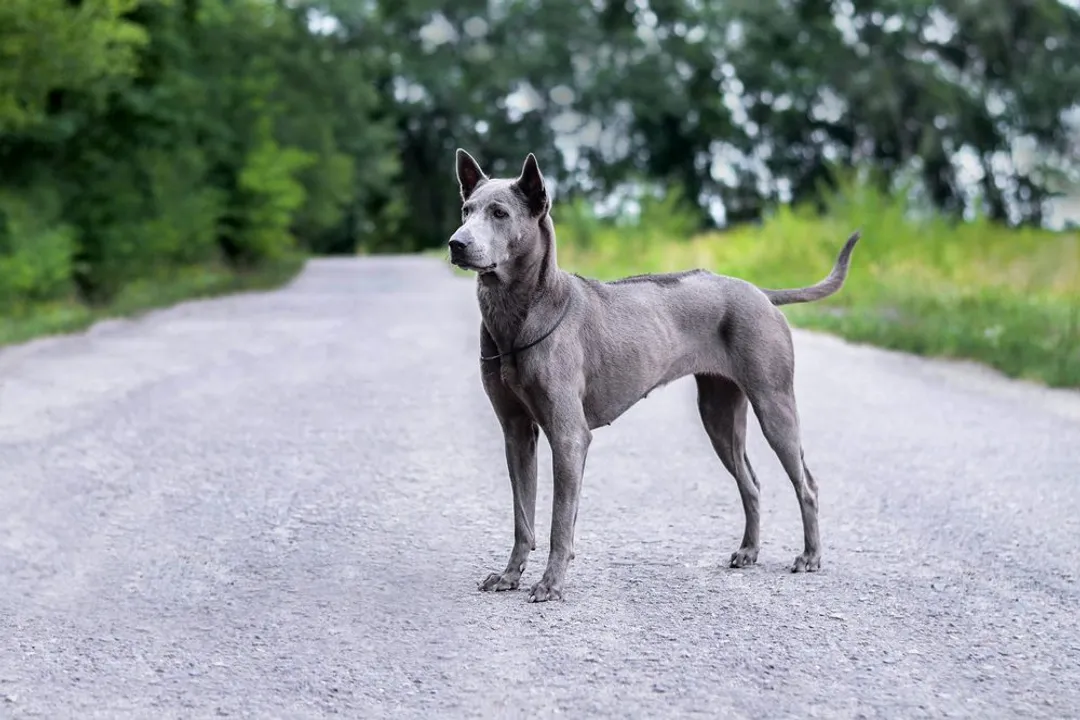
The most celebrated physical attribute is, without question, the ridge. [3][4] This distinctive feature is a strip of hair growing forward along the spine, running from the shoulders to the hips. [5][9] In a perfectly formed TRD, the ridge must be clearly defined, symmetrical, and contain two whorls or crowns of hair near the hips, often referred to as "the arrow" or "the crowns". [4][8]
The formation of the ridge is governed by a dominant gene. [2] If a dog lacks the ridge, it is usually disqualified in breed standard conformation shows, though they still possess the foundational traits of the breed. [2][3] It is important to note that the ridge itself does not equate to the entirety of the breed's identity; rather, it is a marker of its specific genetic history. [4] Owners must understand that while the ridge is a showpiece, the health and temperament of the dog are far more consequential than the precise pattern of the hair growth. [8]

# Appearance Traits
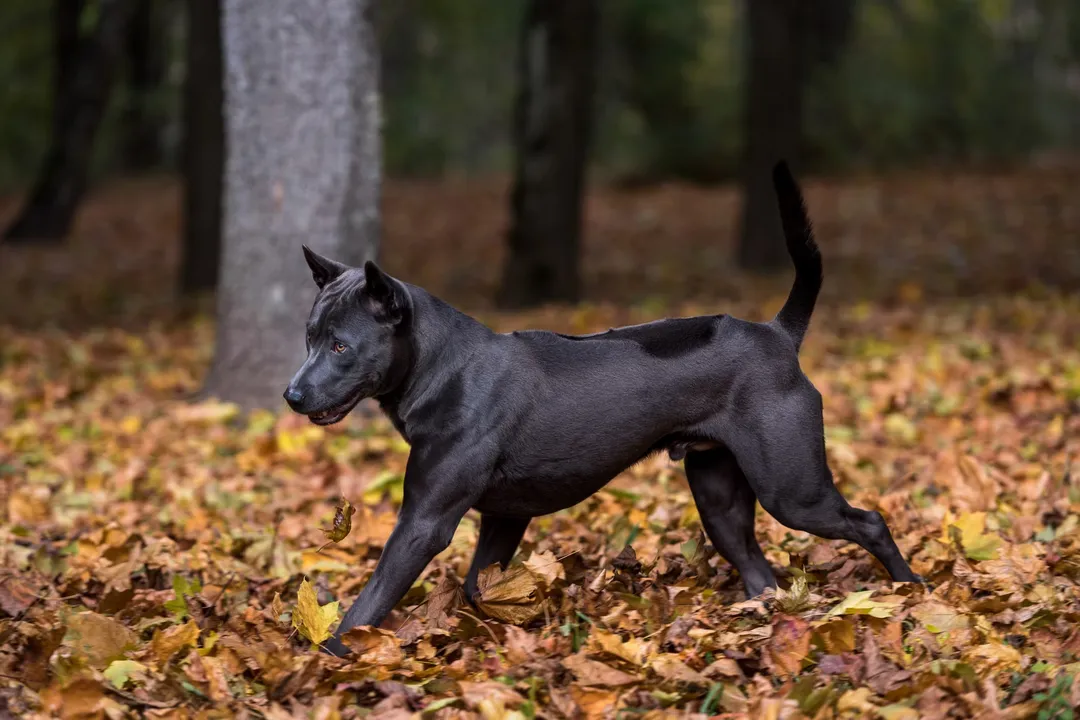
Beyond the ridge, the Thai Ridgeback presents as a strong, agile, and muscular dog. [3][5] They are moderately sized, generally falling into the medium to large category depending on their sex and specific lineage. [9] Males typically stand between 22 to 26 inches at the shoulder, while females are slightly smaller, ranging from 20 to 24 inches. [5][9] Weight usually falls between 30 and 55 pounds. [3]
The coat is short, smooth, and dense, requiring minimal grooming. [5][9] Coloration is an important aspect of breed identification, and the TRD comes in several accepted shades: black, blue, isabella (a pale fawn or grayish-brown), and red. [3][5][9] The "blue" coats are particularly striking but can be prone to sun fading, sometimes appearing more like a dusty gray. [3] They possess a distinctive sickle tail, which curves upward. [5] Their eyes can be amber, brown, or dark, often complementing the coat color. [9]
# Temperament Profile

Understanding the Thai Ridgeback’s historical role as an independent hunter and guard dog is key to understanding its modern temperament. [8] They are known to be highly intelligent, which, combined with their independent nature, can make training a unique proposition. [1][3] They are not typically a breed that strives purely to please their owner in the way a Golden Retriever might; instead, they are discerning partners. [8]
Thai Ridgebacks are inherently protective of their families and territory. [5][9] This inherent guarding instinct means they are naturally reserved or aloof with strangers. [3][5] Early and extensive socialization is not merely recommended; it is a necessity to ensure they develop into well-adjusted companions rather than overly suspicious animals. [1][5] A poorly socialized TRD might exhibit strong territorial aggression. [8] They possess moderate to high energy levels and require substantial daily physical and mental stimulation to prevent boredom, which can lead to destructive behaviors. [9][3] For instance, an apartment dweller must be prepared to dedicate significant time to structured walks, play sessions, or dog sports, simply relying on the yard for potty breaks is insufficient for this active breed. [3]
The bond they form with their primary family is often intense; they thrive on close companionship and can be sensitive to their owner's moods. [8] This sensitivity, contrasted with their physical strength and protective streak, creates a complex personality that owners must respect and nurture with consistent leadership. [1]

# Care Requirements
Grooming is relatively straightforward for the Thai Ridgeback due to its short coat, requiring only weekly brushing to remove loose hair and maintain shine. [3][5][9] They are known to be relatively clean dogs with little to no "doggy odor". [3]
Their exercise demands, however, are significant. [9] They need daily opportunities to run and play vigorously. [3] A simple leashed walk around the block will not fulfill their needs; they benefit greatly from activities that engage their minds, such as lure coursing, agility, or advanced obedience training. [8] Their athleticism means they are adept jumpers and can be escape artists if not provided with a secure, high-fenced yard. [3][5]
When considering health, the TRD is generally considered a hardy breed, partly due to its relatively recent entry into mainstream kennel club recognition, which has kept the gene pool somewhat tighter and less prone to some issues seen in more popular breeds. [3] However, responsible ownership demands awareness of potential issues common to many large, active breeds, and regular veterinary checks are essential. [1]
# A Rarity Outside Asia
Despite their ancient origins, the Thai Ridgeback remains relatively rare outside of Thailand. [4][9] While recognized by organizations like the FCI (Fédération Cynologique Internationale), acceptance into major global registries, such as the American Kennel Club (AKC), has been a more recent development, often progressing through the Foundation Stock Service or Miscellaneous Class stages. [4][2] This rarity means finding a reputable breeder can be challenging, requiring careful vetting. [4]
When seeking a puppy, it is crucial to look beyond simple availability. Given the breed's historical development in a more isolated environment, a responsible breeder will focus heavily on temperament stability alongside conformation. [1][8] An owner new to the breed should look for breeders who provide extensive documentation on health testing, especially for hips and elbows, even if official breed-specific panels are still evolving. [1] The scarcity of the breed outside of its homeland makes the role of dedicated preservationists even more important for maintaining breed integrity and health standards. [4] Prospective owners should prepare for the fact that finding a Thai Ridgeback puppy might involve a waiting list measured in months, or even years, because ethical breeding practices prioritize quality over rapid production. [4]

# Training and Socialization Dynamics
The intelligence of the Thai Ridgeback should never be mistaken for a desire to submit easily. They possess a natural confidence and independence that can translate into stubbornness if an owner lacks consistency. [1][8] They respond best to positive reinforcement methods focusing on relationship building rather than harsh correction. [3] Because they are sensitive, harsh training tactics can cause them to shut down or become defensive. [8]
The period between three and sixteen weeks of age is absolutely critical for this breed. [5] During this time, they should be exposed consistently, in a controlled and positive manner, to a wide variety of people, sights, sounds, and environments. [1][5] If an owner is unfamiliar with guarding breeds, they might mistakenly believe that isolation keeps the dog "safe," but for the TRD, isolation leads to fear, and fear often manifests as aggression or extreme shyness. [8] This early exposure helps temper their natural wariness into appropriate discernment. [1]
It is worth considering that while they are easily house-trained, their strong prey drive—a remnant of their hunting past—means they may not be trustworthy off-leash in unsecured areas, even with training. [2][9] They are inclined to chase small animals, which necessitates double-checking fencing security and always utilizing a sturdy leash when not in a completely contained environment. [3] For a family considering a TRD, the commitment must be to ongoing training reinforcement throughout the dog's life, not just puppy classes. [1]
# Living with a TRD
Bringing a Thai Ridgeback into the home is signing up for a loyal, if sometimes reserved, family member. [8] They are typically excellent watchdogs, alerted by anything unusual, though they are not generally considered nuisance barkers if their exercise and mental stimulation needs are met. [5][9]
For households with children, a TRD raised with them from puppyhood can form an incredibly strong, protective bond. [8] However, due to their strength and energy, interactions with very small children should always be supervised to prevent accidental bumps or knocks during enthusiastic play. [5] They generally do not mix well with other same-sex dogs unless raised together from puppyhood, often preferring to be the sole canine companion in the household. [3]
The comparison between this breed and other primitive guard dogs often highlights the Thai Ridgeback's agility and speed, making them exceptional athletes. [2] Their physical prowess means they can easily access high shelves or jump fences that other dogs might not manage, a practical consideration when setting up a safe home environment. [3] Their moderate size is a benefit in that they do not take up as much space as a giant breed, but their intense energy fills every corner of the house. [9] For a potential owner who enjoys hiking, running, or dog sports and desires a powerful, ancient companion whose loyalty must be earned through mutual respect, the Thai Ridgeback presents a deeply rewarding, if challenging, experience. [8] Their specialized needs mean they are not the breed for a novice owner seeking an easy companion. [1]
#Videos
THE THAI RIDGEBACK - FIERCE GUARD DOG? ไทยหลังอาน
Related Questions
#Citations
Thai Ridgeback Facts - Dog Breeds - Wisdom Panel
Thai Ridgeback - Wikipedia
Thai Ridgeback Dog Breed Health and Care - PetMD
Meet the Breed: 5 Things to Know About the Thai Ridgeback
Thai Ridgeback - Jacksonville - Beltway Animal Hospital
Thai Ridgeback dog breed information and art commissions
THE THAI RIDGEBACK - FIERCE GUARD DOG? ไทยหลังอาน
Thai Ridgeback: Your Complete Guide - Dog Academy
Thai Ridgeback: Dog Breed Characteristics & Care - The Spruce Pets