What is special about a kea?
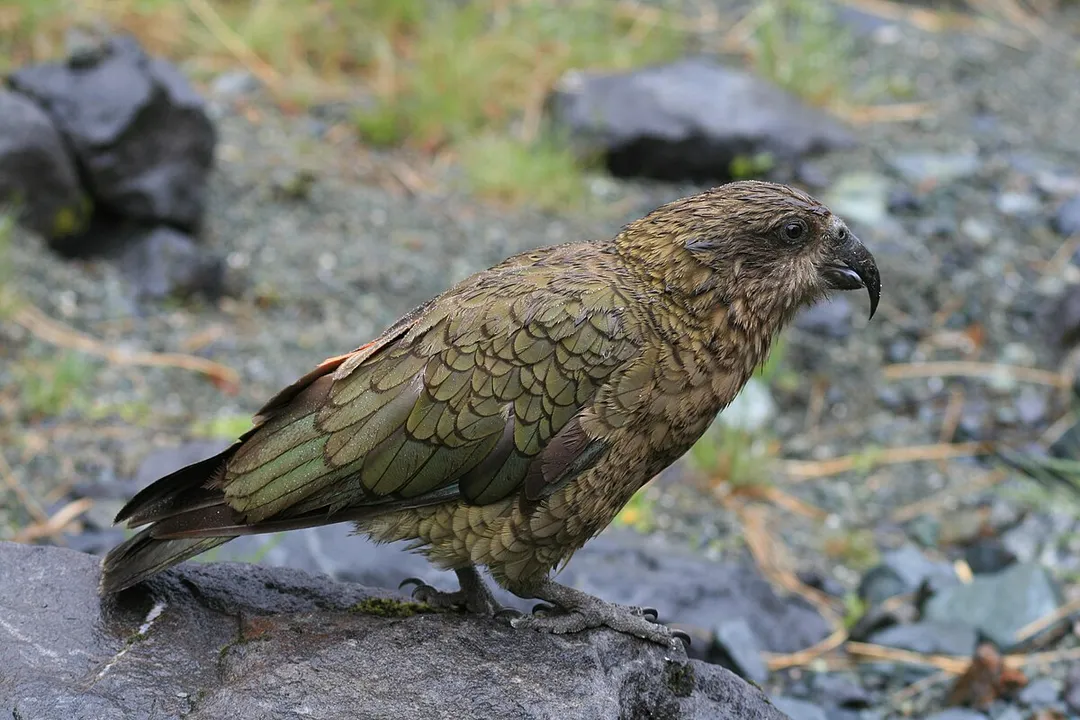
The Kea stands alone in the avian world; it is the world’s only true alpine parrot. [8] Native to the dense beech forests and high alpine scrublands of New Zealand’s Southern Alps, this bird is instantly recognizable by its olive-green feathers, with brilliant orange-red plumage flashing underneath when it takes flight. [2][3][6] Reaching about 50 centimeters in length, the Kea possesses a significant, curved upper beak that is essential for its survival in a challenging environment. [6] Its loud, characteristic, harsh call—which sounds like keee-aaa—is an unmistakable fixture of the high country. [3]
# Alpine Niche
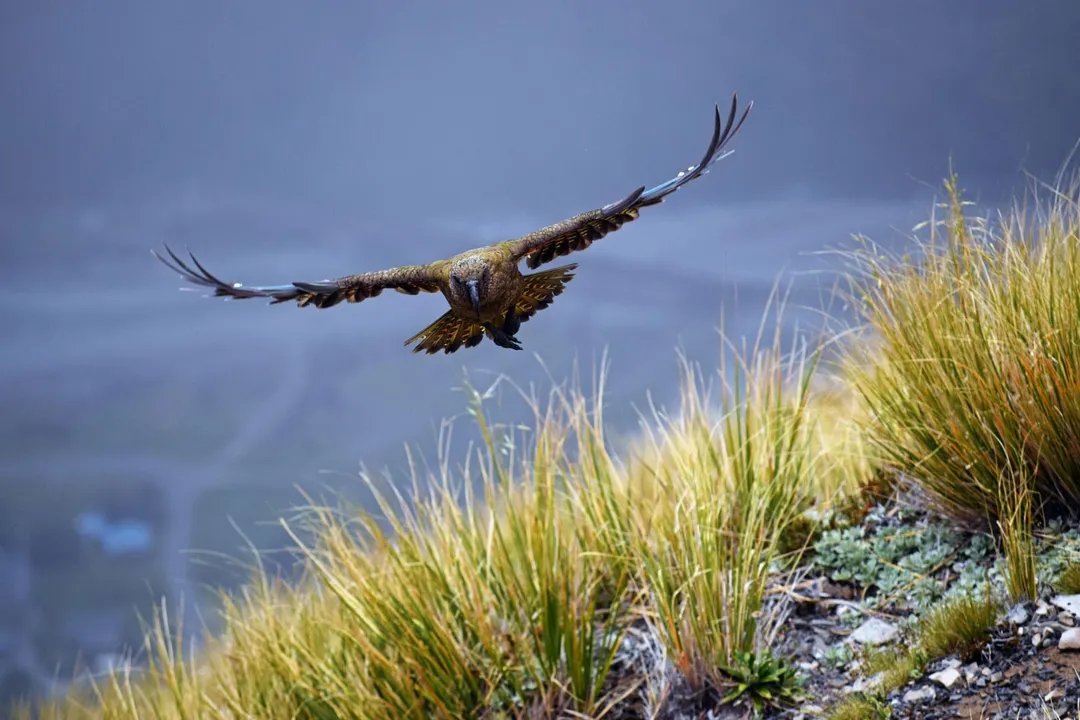
Life in the New Zealand mountains demands adaptability, and the Kea has evolved to meet this demand by being an opportunistic omnivore. [3][6] Unlike many parrots that subsist primarily on seeds and fruit, the Kea’s diet is incredibly varied. They will probe the soil and bark with their strong beaks for insect larvae, dig for roots, eat leaves, consume nectar, and feast on berries. [3][6] They are also known to eat carrion, and occasionally, small live vertebrates, showcasing a remarkable flexibility in their menu planning. [3][6] This ability to switch dietary focus is a major asset when harsh alpine weather limits the availability of specific food sources.
While they inhabit social groups, observations often show them foraging alone, relying on their individual ingenuity to locate sustenance. [3] These environments, characterized by seasonal extremes, likely played a key role in shaping the bird's most celebrated attribute: its intellect.
# Brilliant Mind
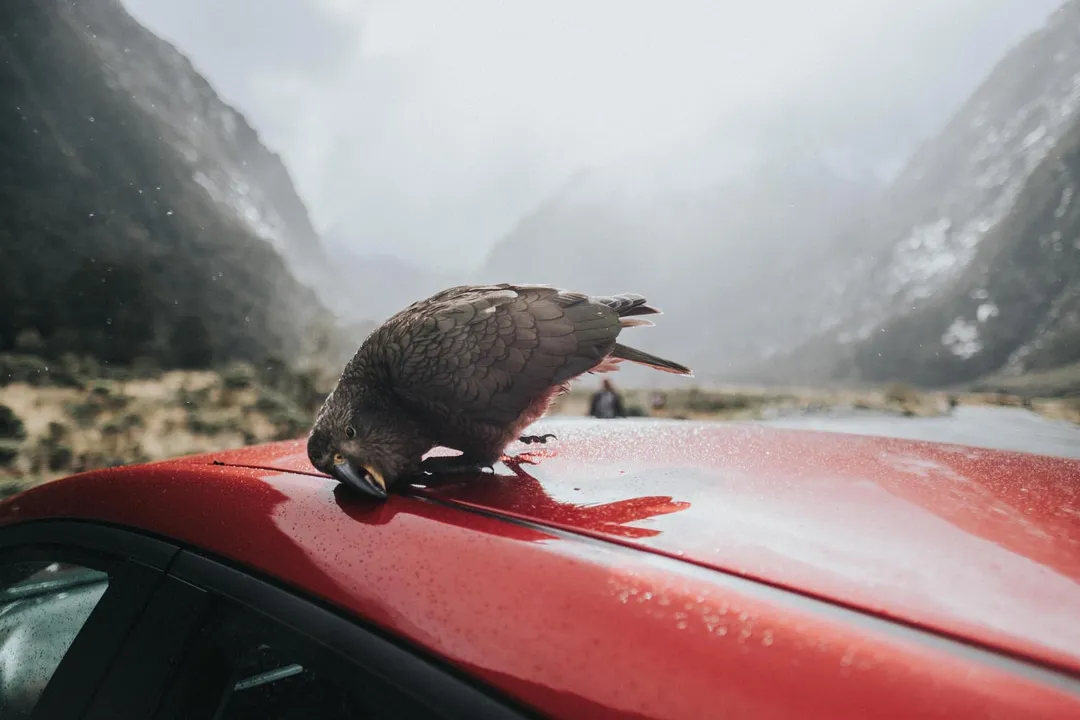
If you have ever seen footage of a Kea, you will notice an almost uncontrollable need to investigate every new item it encounters, often resorting to biting or poking it first. [9] This is not mere mischief; it is world-class intelligence in action. Kea exhibit complex cognitive abilities, including advanced problem-solving skills that rival those seen in corvids or primates. [2] Their curiosity is deeply ingrained, leading them to examine everything from backpacks left by hikers to car components in parking lots. [1][9]
What makes this investigative behavior so special is that it appears to be a learned survival strategy refined over generations in a highly unpredictable habitat. An animal that can deduce how to manipulate objects to gain a reward—whether that reward is a tasty morsel or simply information about its surroundings—has a higher chance of surviving a sudden blizzard or drought. [2] It is fascinating to watch them work through a puzzle; they display evidence of what scientists call theory of mind, suggesting they can understand the intentions of other individuals, an extremely rare trait in the animal kingdom. [2] Their behavior often involves collaborative play, like tumbling down snowy slopes, which serves not only as recreation but also as vital social bonding and motor skill practice. [1][9]
# Feeding Habits
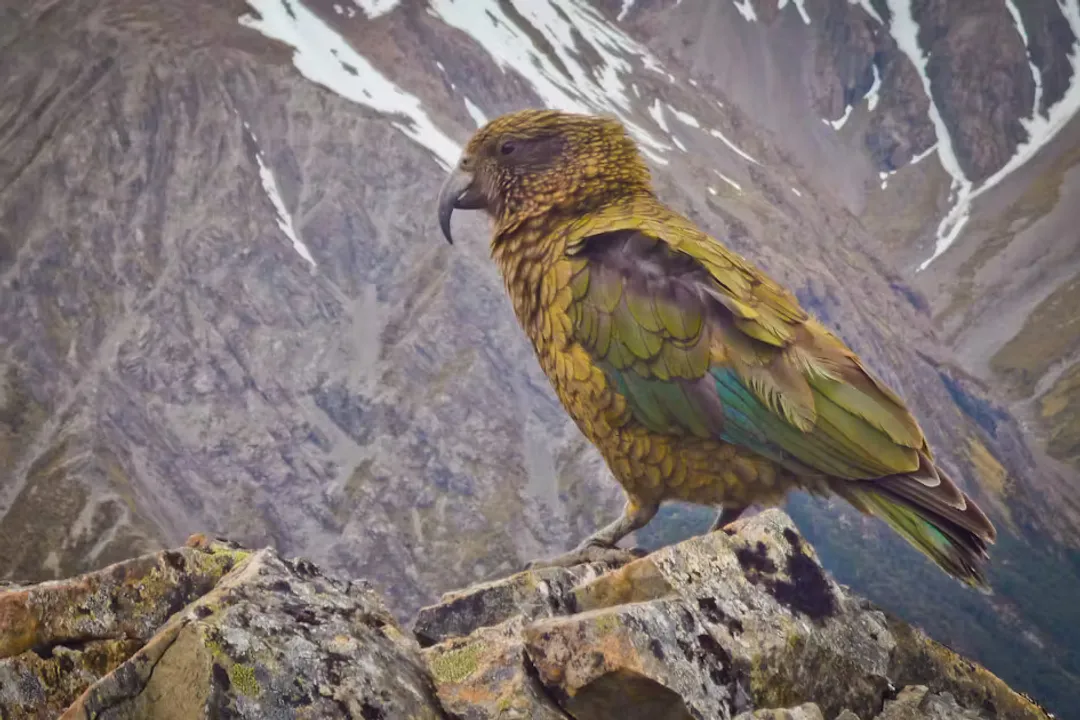
The specialized tool for their omnivorous appetite is, of course, that powerful beak. It is not just used for cracking hard shells, though it can certainly do that; the upper mandible is long and curved, perfectly designed for excavation. [6] Think of it as a multi-tool adapted for an alpine kitchen. They use it like a trowel to dig through soil and snow, searching for hidden roots or dormant insects. [6] This probing behavior allows them to access resources unavailable to birds relying only on surface foraging.
Interestingly, while they have this incredible natural toolkit, human interaction has inadvertently created new, often harmful feeding habits. When people feed Kea, whether intentionally or unintentionally by leaving food accessible, the birds quickly learn that these sources are easy calories. [2] This reliance can lead them to ignore natural foraging behaviors, causing dependency and increasing the risk of exposure to man-made dangers, such as ingesting harmful materials. [2]
# Survival Crisis

Despite their brilliance and adaptability, the Kea is classified as an Endangered species. [1][2] Their survival hinges on overcoming several significant, human-related pressures. Their natural environment, while harsh, used to protect them from many dangers; today, that environment is increasingly shared with human activity and introduced species. [2]
The primary threats facing the Kea are multifaceted. Introduced predators like stoats, feral cats, and dogs present a direct danger, especially to ground-nesting birds or fledglings. [1][2] However, dangers also come from items people bring into the mountains. In the past, lead poisoning from old flashing, plumbing, or residues left from leaded petrol was a serious issue, as the birds ingest small amounts while investigating new materials. [3][9]
To better understand the scope of these challenges, one can break down the threats:
| Threat Category | Primary Mechanism | Effect on Kea Population |
|---|---|---|
| Introduced Predators | Predation (direct killing) | Reduced breeding success and adult mortality [1][2] |
| Human Provisioning | Dietary change/Dependency | Increased contact with artificial hazards, lower survival rate [2] |
| Environmental Toxins | Ingestion of materials | Heavy metal poisoning (e.g., lead) [3][9] |
The fact that a bird known for its intelligence can be so susceptible to easily managed, non-natural hazards underscores the precarious nature of conservation in shared ecosystems. The very curiosity that defines the Kea becomes a liability when interacting with the man-made world.
While conservation efforts are underway to protect their habitat and manage predator numbers, the ongoing education of visitors to alpine areas remains crucial. Protecting the Kea means respecting their space and recognizing that their natural inquisitiveness, while amazing to observe, requires careful management to ensure this unique parrot continues to thrive in the high country for generations to come. [1][2] Their existence is a testament to evolution under extreme pressure, but their future relies on human restraint and understanding. [1]
#Videos
What is an Kea? 5 Fast Animal Facts You NEED to Know - YouTube
Related Questions
#Citations
Fun Facts About Kea - Kea Conservation Trust
Meet the kea parrot: Mischievous guardians of the mountains
Kea - Wikipedia
Kea | Franklin Park Zoo - Zoo New England
The Unique Characteristics of the Kea Mountain Parrot - Facebook
What is an Kea? 5 Fast Animal Facts You NEED to Know - YouTube
Meet the clever kea, New Zealand's endangered Alpine parrot ...
The Kea is the only alpine parrot in the world : r/NatureIsFuckingLit
Meet our Curious, Charismatic and Clever Keas!