What is special about American eels?
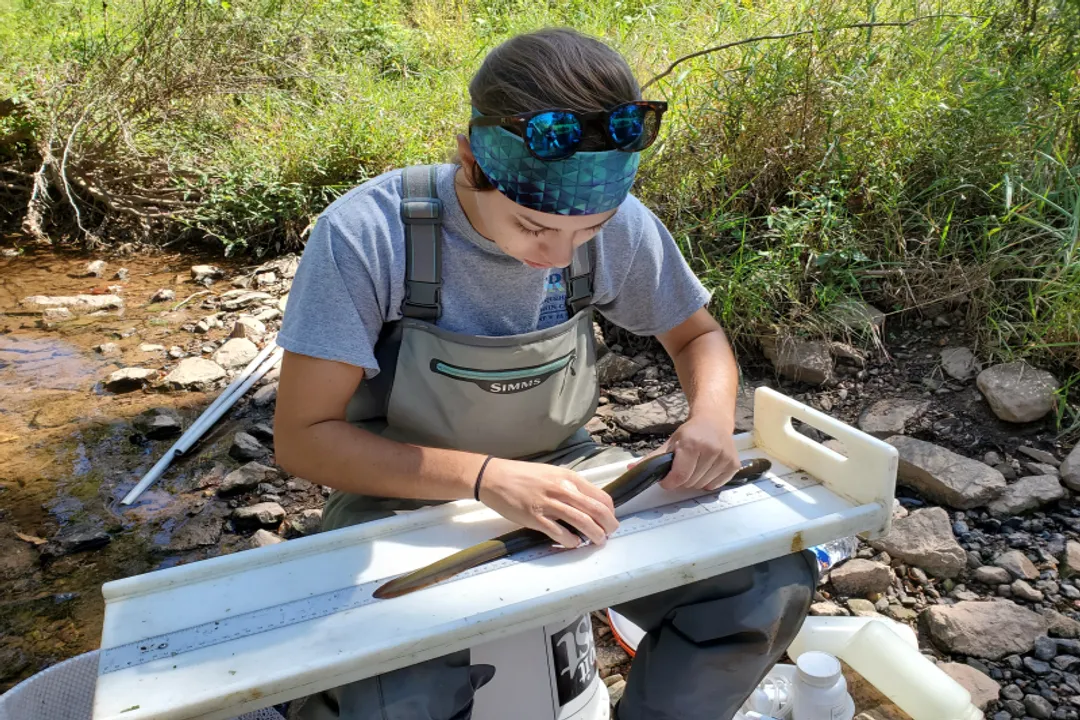
The American eel, Anguilla rostrata, possesses one of the most remarkable life histories of any creature inhabiting the waterways of the Eastern United States and Atlantic Canada. [1][2] This is not your typical fish; it is a true ocean migrant that spends the majority of its life in freshwater, only to undertake an epic, one-way spawning migration back to the sea to reproduce. [5][7] This catadromous existence—living in fresh water and spawning in salt water—is the defining characteristic that sets it apart from its anadromous relatives like salmon. [2]
# Species Identity
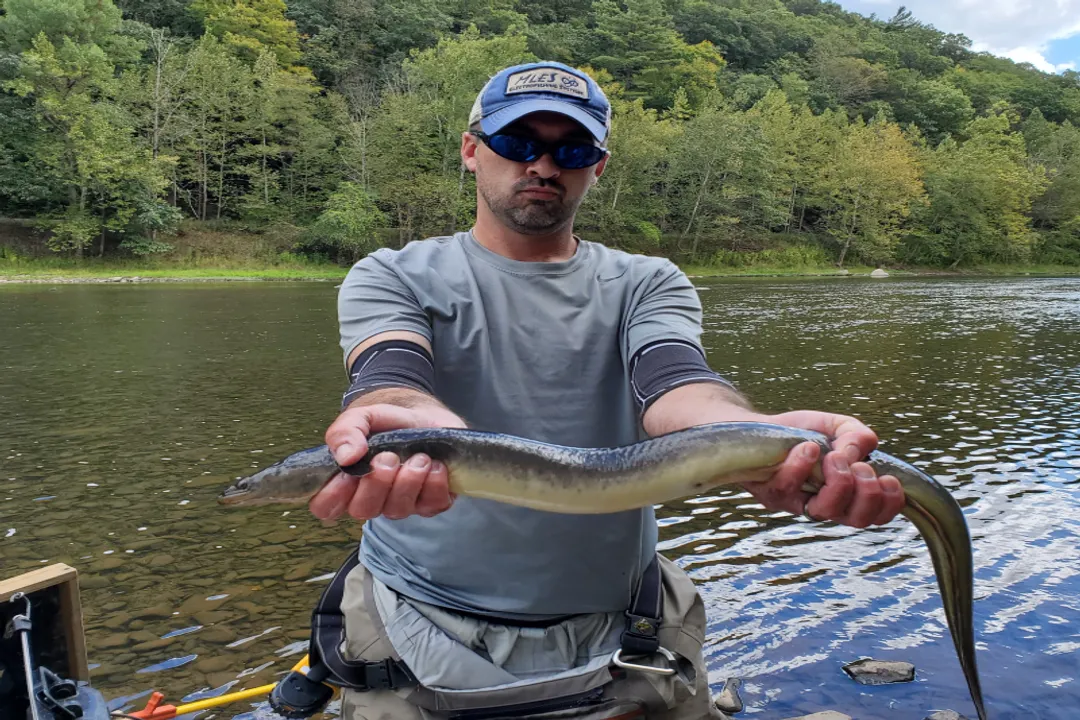
These serpentine fish are distributed widely throughout the Atlantic slope drainages of North America, ranging from Greenland and the waters surrounding Iceland down to the Caribbean and the northern coasts of South America. [1][2][8] In the United States, they are present in all coastal river systems from Maine to Florida, and surprisingly, they can be found far inland in major river systems like the Mississippi and the Great Lakes basins, demonstrating their incredible adaptability to move upstream through rivers and even bypass man-made barriers. [5][7][9] The eel's body is long and snake-like, covered in skin that appears scaleless, though very small scales are embedded beneath the surface. [2][4] Their dorsal fin runs almost the entire length of their back, joining the caudal and anal fins to create a continuous fin fringe, and their mouth is distinctly large. [2][8]
# Life Cycles
The complete life cycle of the American eel is one of nature’s most fascinating, though much of the spawning process remains a mystery to science. [1][2] The entire adult population migrates to the Sargasso Sea, a vast region in the western North Atlantic Ocean, to spawn and die. [1][2][9] After hatching, the tiny larvae, called leptocephali, drift for months or even years on ocean currents before transforming into a transparent, immature stage known as "glass eels". [2] These glass eels then enter estuaries and coastal rivers, beginning their upstream journey. [5]
As they mature in freshwater habitats, they develop pigment, becoming known as "elvers," and eventually transition into the "yellow eel" stage. [7] This yellow eel phase is where they spend the majority of their lives—sometimes decades—growing and feeding in rivers, lakes, and estuaries. [2][5] The duration of this freshwater residency is flexible; some individuals may spend only a few years, while others might reside in fresh water for twenty years or more. [2] Once ready to reproduce, the yellow eels undergo a dramatic transformation into the "silver eel" stage. [7][9] This final metamorphic stage involves significant physiological changes: their eyes enlarge for deep-sea vision, their digestive system atrophies since they will cease feeding, and their coloration darkens to silver or black on the back with a silvery-white belly. [2][9] It is as silver eels that they begin their final, southward return migration to the Sargasso Sea to spawn. [1][5]
# Upstream Travel
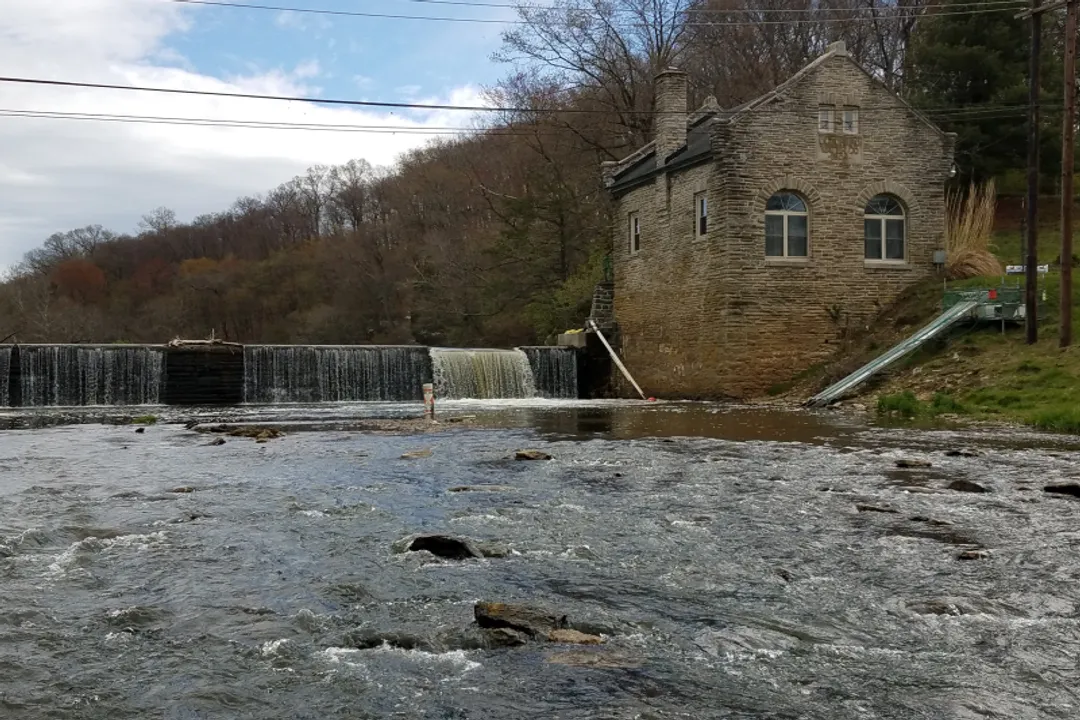
The capacity for eels to move into inland waters is exceptional. In some states, like Pennsylvania, they are noted as important native species in the river systems, even though they must navigate dams and other obstacles to reach prime habitats. [3] For instance, they are known to inhabit waters in the upper reaches of the Delaware River basin. [5] To overcome obstacles, they are capable of crawling short distances over wet land, an ability that aids in reaching isolated ponds or moving around low barriers. [7] The journey from the coast to an inland lake might take years, but the instinct to return to the Sargasso Sea, thousands of miles away, is hardwired into their biology once they become silver eels. [2][9] If we consider the driving distance from, say, the mouth of the Hudson River to the center of the Sargasso Sea, the eel’s continuous swim in the opposite direction after ceasing to eat presents a biological feat comparable to swimming across the entire contiguous United States multiple times before reaching the destination. [2]
# Forms of Appearance
The American eel takes on distinct visual forms depending on its life stage, which can sometimes confuse observers expecting a single type of fish. [4] The young, migrating glass eels are almost completely transparent, making them very difficult to spot as they enter estuaries. [2][5] The yellow eel, the long-term resident of inland waters, is typically olive-green, brownish, or yellowish on its back and sides, fading to a lighter yellow or white on the belly. [4][8]
The silver eel, the sexually mature form preparing for its oceanic migration, looks markedly different. [7][9] Their dark back and silvery sides are adaptations for the deep, dark waters of the open ocean, providing better camouflage than the paler freshwater form. [2] This difference in appearance is more than just camouflage; it reflects fundamental changes in organ function necessary to survive the high salinity and pressures of the journey to the spawning grounds. [9]

# Ecological Niche
Within the aquatic ecosystems they inhabit, American eels serve as a significant component of the food web. [3][6] In their yellow eel stage, they are opportunistic, highly effective predators, feeding on a variety of bottom-dwelling invertebrates, crustaceans, and smaller fish. [4][8] This predatory role helps regulate populations of other organisms within their environment. [3] Conversely, eels themselves are a food source for larger fish, birds, and marine mammals. [6] Their presence in a system, such as Maryland’s Chesapeake Bay tributaries, is an indicator of a functioning, interconnected habitat, supporting the diversity of life in those waters. [4] If you encounter one in a river system, recognize that you are looking at an animal that may have spent the better part of two decades feeding in that same spot before beginning its final voyage. [2][5]
# Conservation Status
Despite their wide distribution, American eel populations have faced significant declines in recent decades, leading to concerns about their long-term sustainability. [1][5] Habitat fragmentation due to hydropower dams and other obstructions has severely impacted their ability to move between freshwater feeding grounds and the Sargasso Sea spawning grounds. [5][9] Furthermore, commercial and recreational harvest, particularly targeting the glass eels and silver eels, adds pressure to the recovering populations. [1][9]
Management efforts, such as those undertaken by state agencies, often involve regulating the harvest of these migratory stages or implementing eel passage facilities at dams. [5][9] Because the eels spend so long developing in freshwater before returning to the ocean, any stressor or barrier they encounter during their life cycle—whether pollution, harvest, or a dam—has a long lag time before its impact is fully realized on the overall population structure. [1] For those interested in seeing eels successfully pass obstructions, observing the engineering on some older dams that includes specialized bypass channels can be illuminating, though success rates vary based on water flow and the eel's stage. [5] Handling eels also requires some care; due to the mucus coating, they can be exceptionally slippery, and while not aggressive, they do possess a jaw structure designed for grasping prey. [4] If you handle them for study or release them after capture, minimizing the time they spend out of water and avoiding abrasion to their skin will greatly improve their chances of survival to continue their life cycle. [7]
# River Dynamics
The eel’s movement fundamentally links the oceanic environment with inland river systems. [1][5] They represent a massive, albeit slow-moving, biological conduit, transporting nutrients and energy from the rich feeding grounds of the estuaries and rivers back out to the deep ocean when the silver eels depart. [2] In areas like Pennsylvania, where they are recognized as a native species integral to the aquatic community, their health reflects the general condition of the watershed. [3] The ability of a river system to support eels across their different life stages—from young elvers migrating upstream to mature eels migrating out—is a strong measure of its ecological connectivity and overall health. [5][7] The very fact that an eel can reach landlocked reservoirs or upper tributaries demonstrates a connection to the sea that remains unbroken, even if that connection is only realized once in its lifetime. [1][2] This long-term commitment to the water system, often spanning two decades of life in one river, demands a conservation approach that looks at the entire Atlantic drainage basin, not just isolated stretches of river. [5]
Related Questions
#Citations
American Eel (Anguilla rostrata) | U.S. Fish & Wildlife Service
American eel - Wikipedia
Pennsylvania Fish and Boat Commission - Facebook
Maryland Fish Facts: American Eel
SRBC Pamphlet - American Eels
American Eel | FWC
American Eel | Vermont Fish & Wildlife Department
American Eel | Oklahoma Department of Wildlife Conservation
Fish & Wildlife | The Incredible American Eel - NJDEP