How to care for a blue iguana?
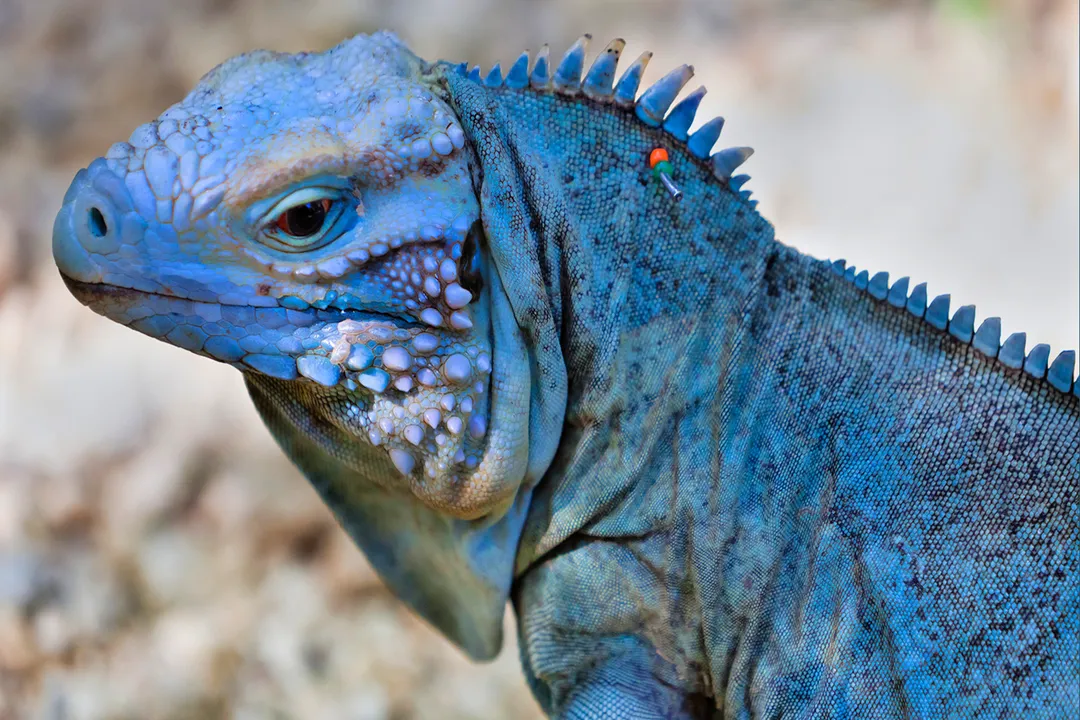
Bringing a Blue Iguana into your life is committing to a truly large and long-lived companion. These magnificent lizards are native to the Cyclura family, often confused with color variations of the green iguana, but they possess unique needs that require dedication—often for two decades or more. [3] If you are prepared for the significant time investment, their environment must precisely mimic the tropical conditions they evolved in to ensure they don't just survive, but thrive. [1]
# Housing Size
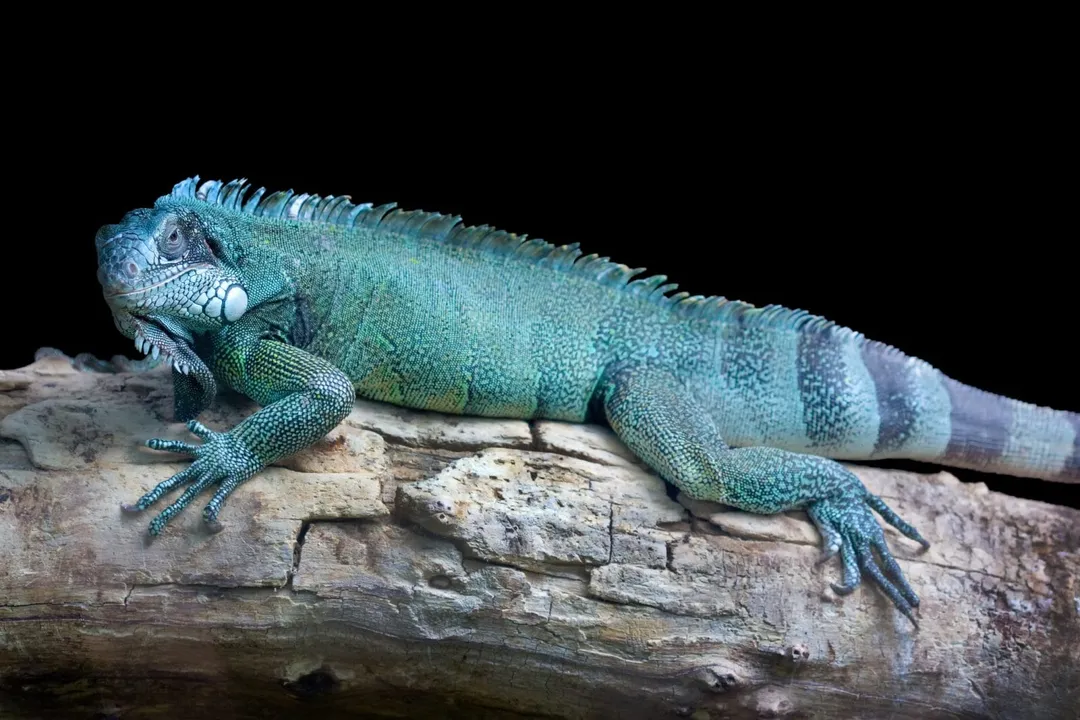
The most immediate shock for many new iguana keepers concerns the scale of the enclosure required. While you might start with a small baby, perhaps only 7 to 10 inches long, that tiny inhabitant will grow quickly. [2] A 20-gallon aquarium might suffice for a young lizard up to about 18 inches, but this is strictly a short-term solution. [3]
Adult Blue Iguanas can reach lengths of 6 or even 7 feet from snout to tail and can weigh around 20 pounds. [1][2][3] Consequently, the permanent habitat needs to be vast. Recommendations point toward an enclosure size of roughly 12 feet long, 6 feet wide, and 8 feet tall for a single adult. [1] Some sources suggest minimum dimensions of 7 feet high by 5 feet wide by 3 feet deep as a basic starting point, but the reality is that this species demands room for climbing and turning around fully. [4][3] Thinking ahead on housing finances is key; investing in a structure that accommodates their mature size sooner rather than buying and replacing multiple smaller cages along the way can save money in the long run, even if the initial custom build seems daunting. [4] Many dedicated owners opt for custom-built spaces using materials like wood or mesh, as standard glass tanks often lack the necessary ventilation, leading to excessive humidity buildup and potential mold or fungus growth. [3]
# Climate Control
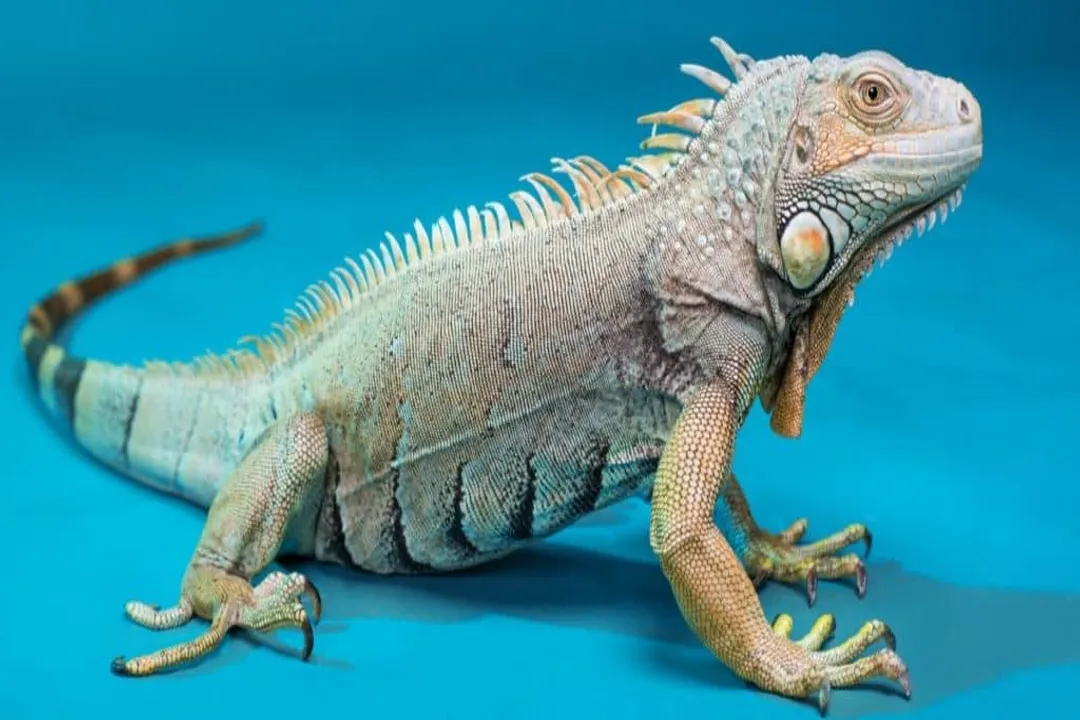
Because iguanas are cold-blooded, their environment must provide a specific thermal gradient that allows them to move between warmer and cooler zones for thermoregulation. [2] Heat lamps are typically used to create this gradient, positioned less than a foot from a basking ledge. [1]
Daytime temperatures should feature a distinct basking spot where the iguana can reach between 90 to 105 degrees Fahrenheit. [1][3][4] The cooler side of the enclosure should maintain temperatures in the 68 to 80-degree Fahrenheit range, allowing the lizard to regulate its body temperature effectively. [2][3] When the lights go out, night temperatures can safely drop, sometimes as low as 60 degrees Fahrenheit, though keeping them closer to 75-80°F is advised. [2][3] Iguanas rely on overhead heat, partially directed by their parietal eye, or "third eye," which helps sense light and regulate their circadian rhythm. [3]
Beyond heat, humidity is non-negotiable; the environment must stay between 70% and 80%, [3] with some standards suggesting at least 60%. [4] This requires consistent effort, often through twice-daily misting or the installation of commercial misting systems or foggers. [1][3] Always place a hygrometer inside the enclosure to accurately track these levels. [3] Furthermore, Iguanas need a 12-hour light cycle of daylight followed by 12 hours of complete darkness to support proper hormone regulation. [3]

# Illumination
UVB lighting is essential, not just for visual observation, but for the iguana's fundamental biology—it allows them to metabolize calcium. [2][3][4] In the wild, they spend substantial time basking in the sun to achieve this. [2]
For captive care, experts often recommend using a T5 high output lamp. [2] The strength needed depends on the fixture's distance from the basking area: a 10% or 10.0 UVB lamp is often suitable when placed 12 to 18 inches away from the substrate, while a stronger 12% lamp might be necessary if the light source is positioned higher, such as 24 inches away. [2] Mercury vapor bulbs can also provide both heat and UVB in large enclosures or rooms. [1]
# Diet Essentials
Blue iguanas, like their green cousins, are strict herbivores, often categorized as folivores because their wild diet consists almost entirely of tree and vine leaves. [1][2][3] They absolutely must not be fed animal protein, meat, or dairy products, as a high-protein diet can lead to serious health issues like kidney failure. [1][4]
The captive diet needs to mimic this leaf-heavy pattern, ideally being about 95% vegetables and only 5% fruit. [3] A wide variety of vegetables, greens, and occasional fruits, flowers (like hibiscus or roses, ensuring they are chemical-free), should be offered. [2][3]
Because iguanas lack the ability to chew—their teeth only tear food into one or two manageable pieces before swallowing—everything offered must be finely diced or shredded. [1][3] To support healthy growth and prevent Metabolic Bone Disease (MBD), achieving a 2:1 ratio of calcium to phosphorus is critical. [3] This is usually managed by sprinkling a high-quality calcium powder supplement over the mixed salad. [3] You should feed hatchlings and young iguanas twice a day, reducing to once daily once they exceed two feet in length, and then perhaps every other day in full adulthood. [3]
When assembling the daily offering, variety is paramount, but it can become overwhelming to choose from an extensive list every day. A helpful way to manage this diversity is to implement a rotating category schedule. For instance, designate one day as focusing on dark, calcium-rich greens like collard or turnip greens, the next day emphasizing squash or root vegetables like sweet potato, and reserving the limited fruit allowance for specific 'treat days.' This structure ensures the necessary spectrum of nutrients is covered without requiring the keeper to perfectly balance every single meal. [4] Also, be cautious with greens high in oxalates, as they can inhibit calcium absorption. [3]
# Temperament and Taming
While iguanas are diurnal—meaning they are awake during the day when you are—their relationship with humans requires significant patience. [1] They possess an innate self-defense mechanism, meaning they will bite, scratch, or deliver powerful tail whips if they feel threatened or startled. [1] The tail whip from a large adult is powerful enough to potentially break a human bone, so caution is necessary, especially around children. [1][3]
Taming an iguana is not a quick process; it can take years for a resistant individual to become comfortable. [1] Regular, compassionate handling from a young age is the key to building trust. [1] Despite their initial apprehension, iguanas absolutely recognize their owners through both sight and sound. [2] Behaviors like head bobbing should be interpreted as dominance displays, while tail whipping signals alarm. [3] Owners who consistently work with their pets often find that their calm iguanas bond deeply with that specific individual, although they may tolerate handling from others less readily. [2] If you are seeking an instantly docile pet that doesn't require years of behavioral work, a less demanding lizard might be a better fit. [1]
# Health Checks
Even when an iguana appears healthy, an initial examination by a veterinarian specializing in reptiles is highly recommended immediately after acquisition. [3] This allows for screening for parasites or infections commonly contracted during overcrowding or transport. [3] Annual physical exams, including blood work and fecal tests, help establish a health baseline for your specific pet. [3]
Common signs of illness include lethargy, abnormal skin discoloration, appetite decrease, or unusual changes in defecation. [3] Since they are prone to dehydration, kidney disease is a frequent concern, presenting with body swelling and changes in drinking/urination patterns. [1] Baths, soakings, and maintaining high enclosure humidity are crucial for proper shedding, as stuck shed can cut off circulation if not managed correctly. [3] Always have an exotic vet's number handy, especially for emergencies like overheating, falls, broken bones, or seizures, as rapid veterinary intervention is necessary in these crises. [3] Remember that like most pet reptiles, iguanas can carry Salmonella, so thorough handwashing after handling or enclosure maintenance is a critical step for human safety. [1]
Related Questions
#Citations
Iguana Care Tips | Reptile Vet | Long Island Bird & Exotics
[PDF] BASIC IGUANA CARE SHEET - Colorado Reptile Humane Society
Blue Iguana care sheet | green iguana habitat | diet | size | lifespan
How do you care for a pet iguana? | Carolina Veterinary Specialists