What is a northern alligator lizard?
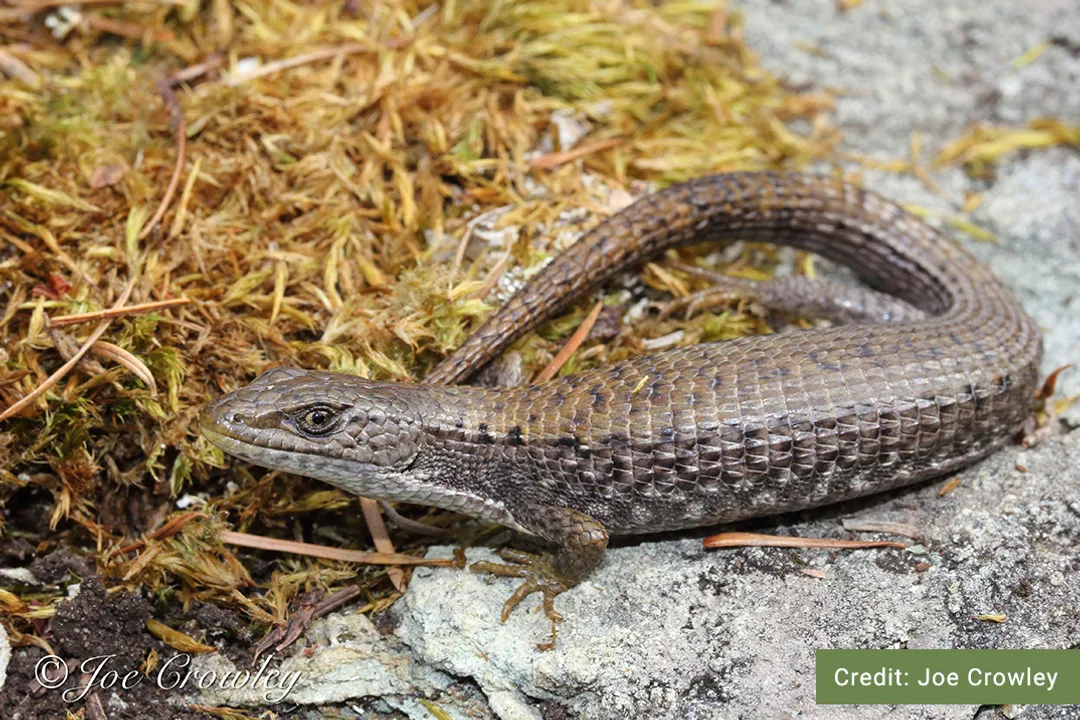
The Northern Alligator Lizard, scientifically named Elgaria coerulea, is one of the more subtly striking reptiles inhabiting the Pacific coast region of North America. [1][4][6] Unlike the swift, sun-basking lizards often pictured in popular media, this creature prefers the damp, shaded understory of forests and meadows. [2][3] It belongs to a genus known for retaining some physical links to ancient reptile forms, yet it thrives in the cool, wet conditions common to its range spanning from southern British Columbia down through Washington, Oregon, and into California. [1][3][5][6] For those unfamiliar with local herpetofauna, spotting one can be a genuinely rewarding moment, as they are generally secretive ground dwellers. [8]
# Body Features
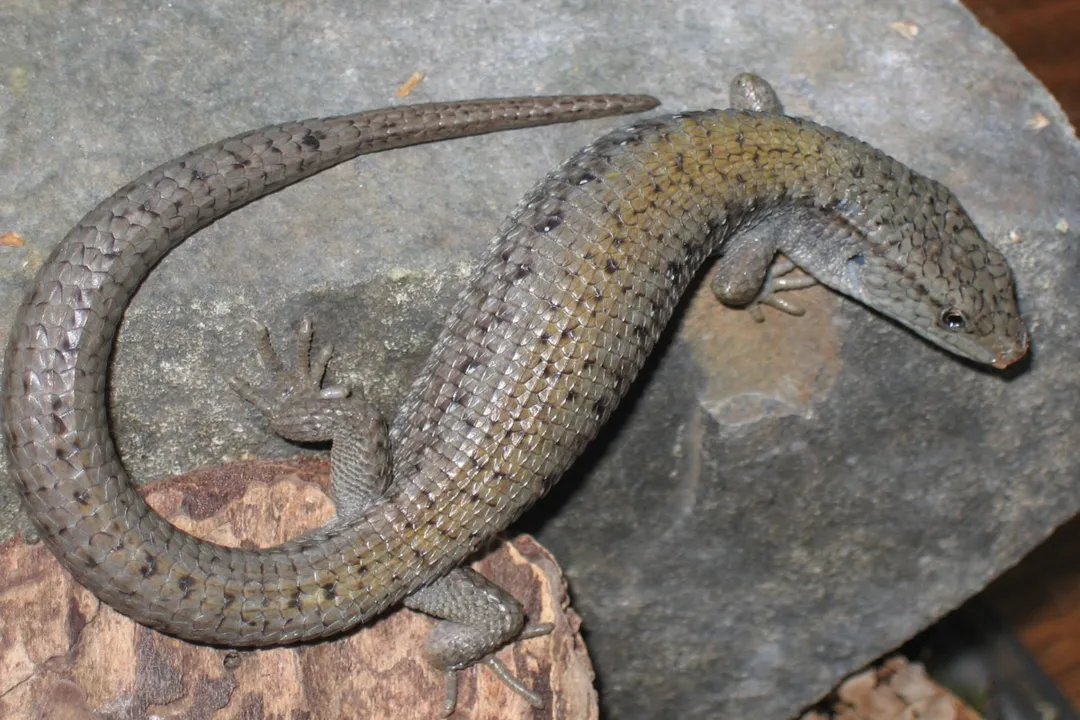
The lizard’s appearance provides the origin for its common name. It possesses a slender build, characterized by relatively small, weak limbs and a long, tapering tail, which often constitutes more than half of its total body length. [1][8] An adult specimen typically measures around 8 inches from snout to vent, though total length including the tail is greater. [1][8] What sets it apart visually is the texture of its scales. They are granular, feeling somewhat rough, leading to the comparison with alligator skin, though the size difference is obviously immense. [1][3][8]
Coloration varies considerably across its range and between individuals, but generally falls within the spectrum of grayish-brown, olive-brown, or sometimes even reddish-brown tones. [1][3][8] While many specimens exhibit dark speckles or faint stripes along their length, the underside—the belly—is typically a paler shade, ranging from white to a light yellow. [3] It is worth noting that differences in appearance can exist between sexes, with females sometimes appearing lighter in overall tone than males. [3] A key diagnostic feature, distinguishing it from legless lizards or skinks, is the presence of those four short legs. [5][8] However, these limbs are not particularly strong for climbing or running at high speeds; the lizard relies more on stealth and camouflage to navigate its environment. [8]
One remarkable physical trait shared by many lizards, and present here, is the ability to shed its tail when threatened by a predator—a process called autotomy. [1][4][8] If you happen to see a Northern Alligator Lizard with a tail that looks noticeably brighter, perhaps pale or shiny compared to the rest of its body, it is a clear indicator that the original tail was dropped and a replacement is growing back. [1][8]
It is a fascinating design choice, this trade-off between relatively flimsy limbs and the immediate, albeit costly, escape mechanism of tail loss. While a predator might be momentarily distracted by the twitching, detached tail, the lizard loses a significant portion of its stored energy reserves and a large organ critical for balance and fat storage. This highlights a significant pressure in their ecological niche: avoiding detection is vastly preferable to defending oneself once detected. [1]
# Range Niche

The geographical distribution of E. coerulea is tied directly to the moister regions of western North America. [1][2] Its territory stretches along the coastal mountain ranges and valleys, establishing populations in Washington, Oregon, and California, with the northernmost sightings extending into British Columbia. [1][2][5][6] This range confinement suggests a sensitivity to desiccation, meaning they cannot tolerate environments that become too dry for extended periods. [2]
Within these broader areas, the lizards show a distinct preference for specific microhabitats. [3][4] They are strongly associated with areas that retain moisture, such as moist woodlands, shaded shrublands, damp meadows, and areas adjacent to streams or small ponds. [2][3][4] Because they are primarily terrestrial and prefer to remain concealed, the key requirement for a successful territory is adequate ground cover. [8] You are most likely to find them hiding beneath objects that insulate them from both drying sun and cold nights, such as overturned logs, flat rocks, loose bark, or thick layers of leaf litter. [1][3][8]
If you are examining property in the Pacific Northwest, understanding this requirement is crucial for predicting where you might find them. For instance, a south-facing, completely sun-baked, bare patch of dirt in a lawn is unlikely habitat. Contrast this with an old, mossy stump surrounded by ferns on the north side of a stand of Douglas-firs; that location offers the specific blend of cover, shade, and moisture retention this species requires to regulate its body temperature and prevent water loss. [2] Their presence can often be used as a subtle indicator of a healthy, relatively undisturbed, moist understory environment. [5]
# Live Birth

One of the most interesting biological aspects of the Northern Alligator Lizard is its method of reproduction. Unlike many familiar reptiles that lay clutches of shelled eggs, E. coerulea practices ovoviviparity. [1][3][5][8] This reproductive strategy means that the female retains the developing eggs internally until they hatch. The young lizards are then born live, already fully formed and ready to fend for themselves, rather than emerging from brittle shells. [3][8]
The number of offspring in a single birth, known as a clutch or litter, generally ranges between two and eleven young. [3][8] This live birth strategy is highly advantageous in cooler, temperate climates like those found throughout much of their range. In environments where soil temperatures might not be consistently warm enough to incubate eggs successfully for the required period, internal gestation ensures the embryos develop reliably, protected within the mother’s body. [1]
# Daily Habits
Northern Alligator Lizards are generally considered diurnal, meaning they are most active during the daylight hours. [3][8] However, their activity pattern is heavily regulated by temperature and light intensity. On very hot, sunny days, they will retreat deep into their cool, moist hiding spots to avoid overheating and desiccation. Activity tends to peak during the milder conditions of early morning or late afternoon. [8]
Their diet reflects their ground-dwelling lifestyle. They are primarily insectivores, patiently searching the leaf litter and moist soil for suitable prey. [1][3][4][8] Their menu often includes slugs, snails, earthworms, various spiders, and insects—essentially any small invertebrate they can successfully capture and consume. [1][4] This dietary preference means they can be beneficial members of the garden ecosystem, helping to control common pests like slugs, though they rarely appear above ground long enough for most gardeners to notice their efforts. [7]
When observing these reptiles, remember their fundamental defense mechanism is evasion. If disturbed while foraging, their first instinct is often to freeze or quickly slip under the nearest cover object. Only when escape is impossible will they resort to biting or dropping their tail. [4][8] They are not aggressive creatures, but they will certainly defend themselves if handled or trapped. [9]
# Status Notes
Globally, the Northern Alligator Lizard is currently classified as a Species of Least Concern, suggesting a wide distribution and seemingly stable overall population numbers. [1] However, focusing only on the global status overlooks regional variations and specific conservation needs. In regions like Washington State, for example, while not officially listed as endangered, they are subject to monitoring due to concerns over habitat fragmentation and localized population declines. [2][5]
For those interested in observing them in the wild, the best approach is ethical observation. If you flip a rock or piece of wood to look underneath, it is vital to immediately return the cover exactly as you found it. [4] This seemingly small act preserves the microclimate for the lizard, as well as for the countless other insects and small organisms dependent on that specific damp, dark environment. Disrupting this cover exposes them to predators and rapid drying, potentially leading to their death. [2]
If a Northern Alligator Lizard were ever kept as an exotic pet—which requires checking local regulations, as they are native wildlife—the husbandry would need to mimic their natural environment closely. [9] This means providing a high-humidity enclosure, ample hiding spots like cork bark and moist substrate, and a steady supply of appropriate invertebrate prey, while ensuring temperatures allow for basking when they choose to be active. [9] However, given their sensitivity to environmental changes and the ease with which they drop their tails when stressed, appreciation in their natural habitat remains the soundest approach for most enthusiasts. [4][8] Their continued presence in the Pacific Northwest ecosystems is a quiet testament to the health of those cool, shaded forest floors.
Related Questions
#Citations
Northern alligator lizard - Wikipedia
Northern alligator lizard | Washington Department of Fish & Wildlife
Northern Alligator Lizard - Montana Field Guide
Northern alligator lizard | Oregon Zoo
Northern Alligator Lizard | Burke Museum
Northern Alligator Lizard - B.C. Reptiles & Amphibians
Northern Alligator Lizard - Sedgwick County Zoo
Northern alligator lizard - Oregon Department of Fish & Wildlife
Northern Alligator Lizard (Elgaria coerulea) - Wild Herps
What to Know About Northern Alligator Lizards - WebMD