What do giant Asian hornets eat?
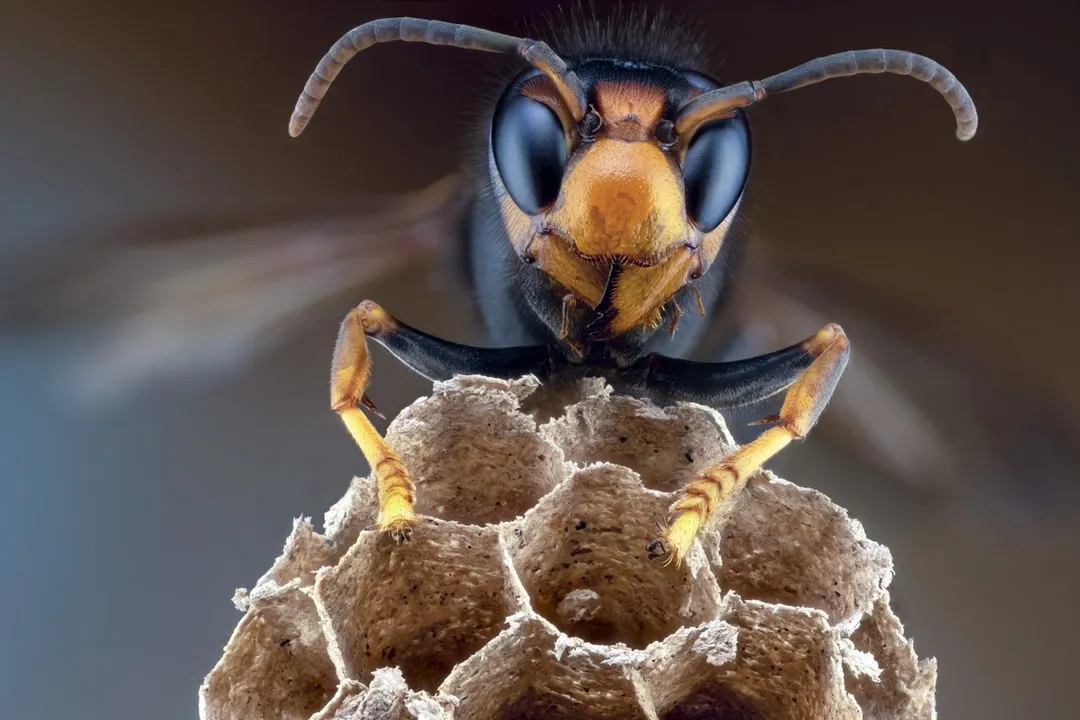
The dietary habits of the giant Asian hornet, Vespa mandarinia, present a fascinating study in biological specialization, particularly because the nutritional requirements of the adult and the developing larvae are almost entirely distinct. [1][2] While many people associate these large wasps with fearsome predation, their sustenance strategy is cleanly divided based on life stage and metabolic need. [7] The adults are primarily concerned with simple sugars for immediate energy, whereas the developing young require substantial protein to fuel their rapid growth. [1][3]
# Dual Nutrition
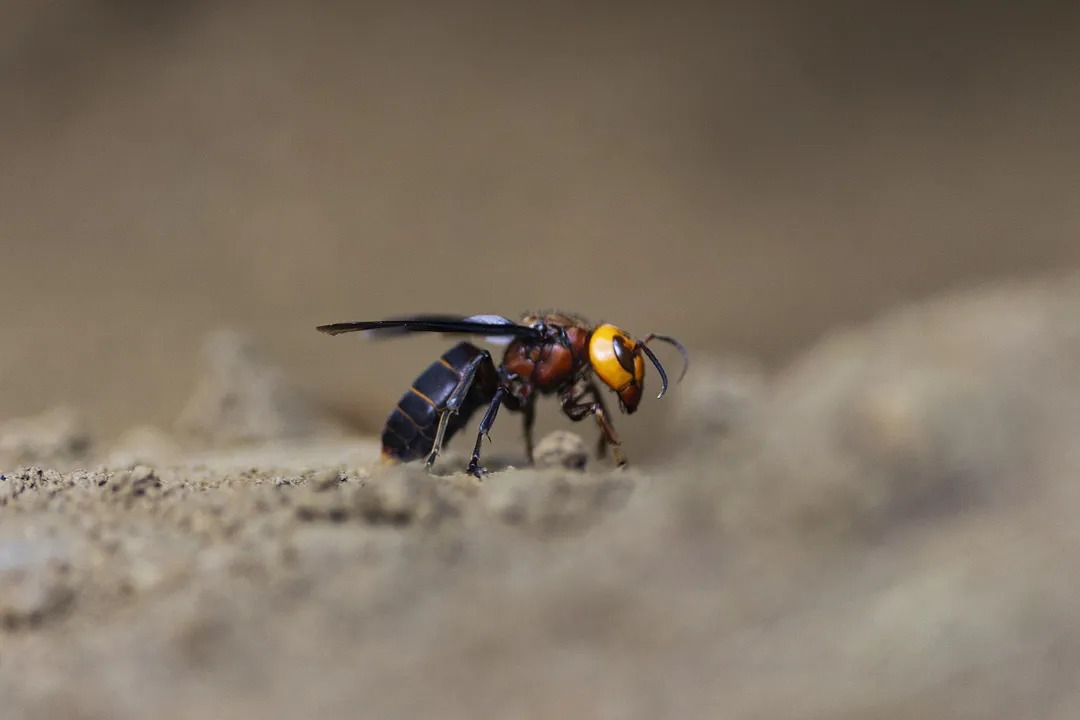
The most crucial distinction to grasp when examining the hornet's diet is the absolute separation between the fuel sources for the colony's workers and the food given to the immature brood. [10] Adult hornets consume liquids that provide carbohydrates necessary for flight, maintenance, and foraging activities. [3][6] In contrast, the larvae—the future of the colony—demand a high-protein diet for their development into reproductive stages. [1][5]
This dichotomy means that the worker hornets engage in two very different types of foraging. They seek out sugary liquids for themselves and hunt creatures rich in protein to process and deliver to the nest. [2][6] The remarkable part of this system is the processing: adult hornets are physically unable to digest solid food. [10] Therefore, when they secure prey, they must break it down mechanically into a paste or slurry before feeding it to the young. [2][10]
# Adult Energy
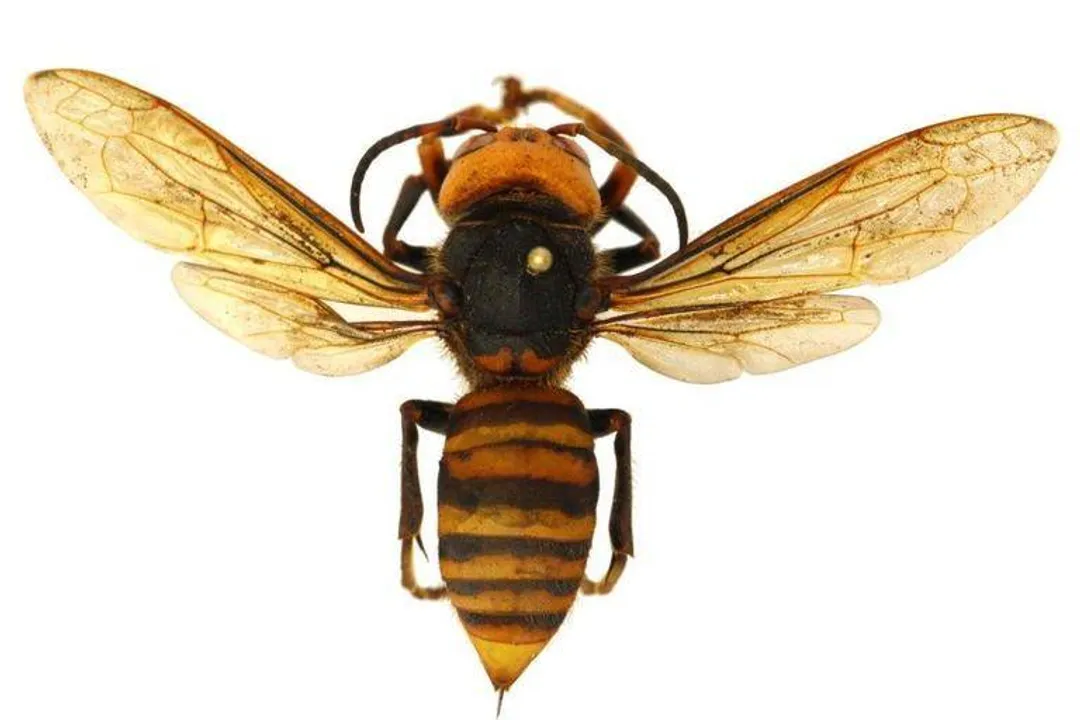
For the adult hornet, the primary goal is immediate energy acquisition, which is best supplied by simple carbohydrates. [3] Their main food sources align perfectly with this need: nectar from flowers, the sweet juices secreted by ripe or damaged fruit, and the sugary exudate sometimes found on tree trunks, known as tree sap. [1][3][5][6] This diet is high in readily available sugars, fueling the high metabolic rate required for sustained flight and colony maintenance. [7]
When foraging for these sugary resources, the hornet behaves much like a large bee or butterfly, visiting blossoms or landing on fallen fruit to lap up the liquid contents. [1] This liquid consumption is critical, as it sustains the workers on their demanding foraging trips. [7] Furthermore, even the protein slurry destined for the larvae is often liquefied by the worker—through chewing and mixing with saliva—before being delivered, ensuring that the workers themselves are never forced to consume solids they cannot digest. [10]
An interesting behavioral observation stems from this need for readily available sugars. In areas where large populations of giant Asian hornets are present, local fruit growers might notice that certain crops, particularly those that have sustained minor damage allowing the juices to seep out, become a significant draw for these insects during late summer and autumn. [5] This preference for damaged fruit over intact fruit makes logical sense; the easier the sugar source is to access, the less energy the hornet needs to expend to gain the caloric reward. [6]
# Larval Protein
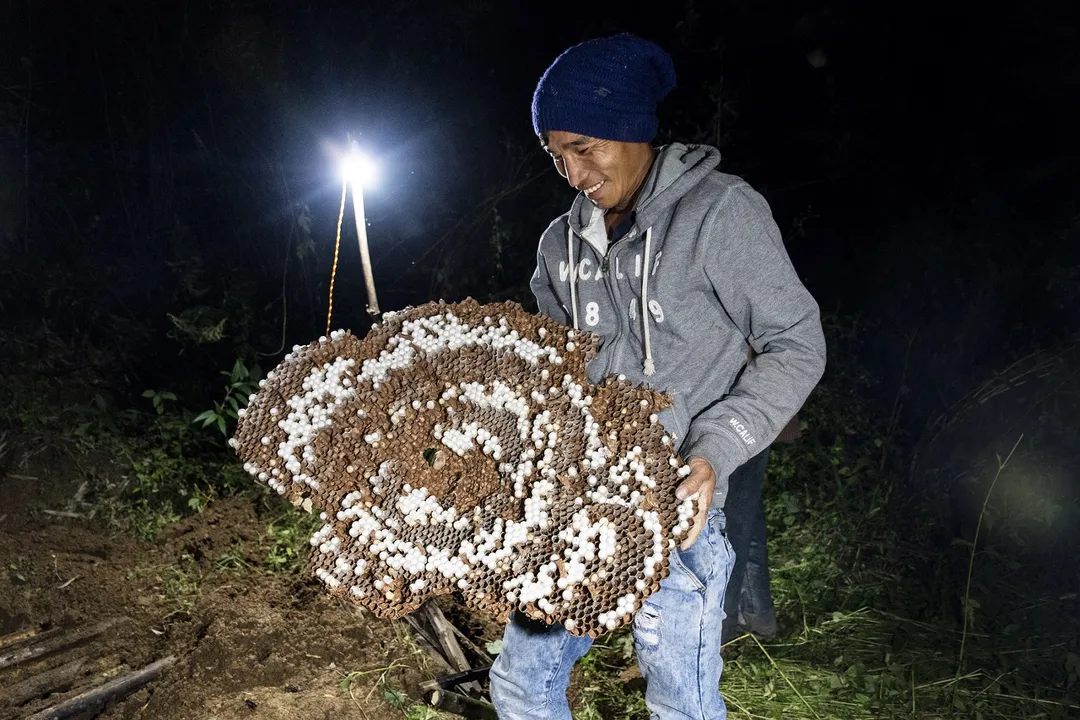
The protein requirement for the developing larvae is massive; they need the building blocks for muscles, exoskeletons, and tissue growth. [1] To meet this demand, the worker hornets transition into specialized hunters. [3] Their prey pool is varied but consistently targets creatures that provide high-quality protein, often other arthropods. [5]
The documented prey list for the larvae includes a range of insects and spiders:
- Honey Bees: These are perhaps the most famous, or infamous, target, often hunted in large numbers to provision a hungry nest. [3][6]
- Spiders: Various species of spiders form a significant part of the protein intake. [1]
- Praying Mantises: These larger insects represent a substantial protein delivery in a single catch. [1]
- Wasps and Grasshoppers: Other flying insects or large ground-dwelling insects are also taken when available. [6]
The process of feeding is intensely focused. A worker will kill the prey, chew it vigorously into a protein-rich liquid or paste, and then transport this slurry back to the nest. [2][7] This transfer of energy from the hunting grounds directly to the larval cells is the engine that drives the growth of the colony, especially as summer progresses and the population swells. [5]
If we consider the scale of this operation, it highlights a significant metabolic challenge for the workers. A colony must amass thousands of insects to rear a new generation of queens and males. [1] This means the workers' ability to rapidly process a large, solid carcass into a larva-digestible liquid slurry, using only their mandibles and saliva, must be exceptionally efficient. It underscores the evolutionary success of this social structure: the adults specialize in energy collection, and the larvae are essentially the digestive system of the colony, handling the complex task of breaking down animal tissue into usable components. [10] This division of labor allows the colony to exploit both floral nectar and insect biomass simultaneously, a flexible strategy that supports their large population numbers. [3]
# Hunting and Resource Focus
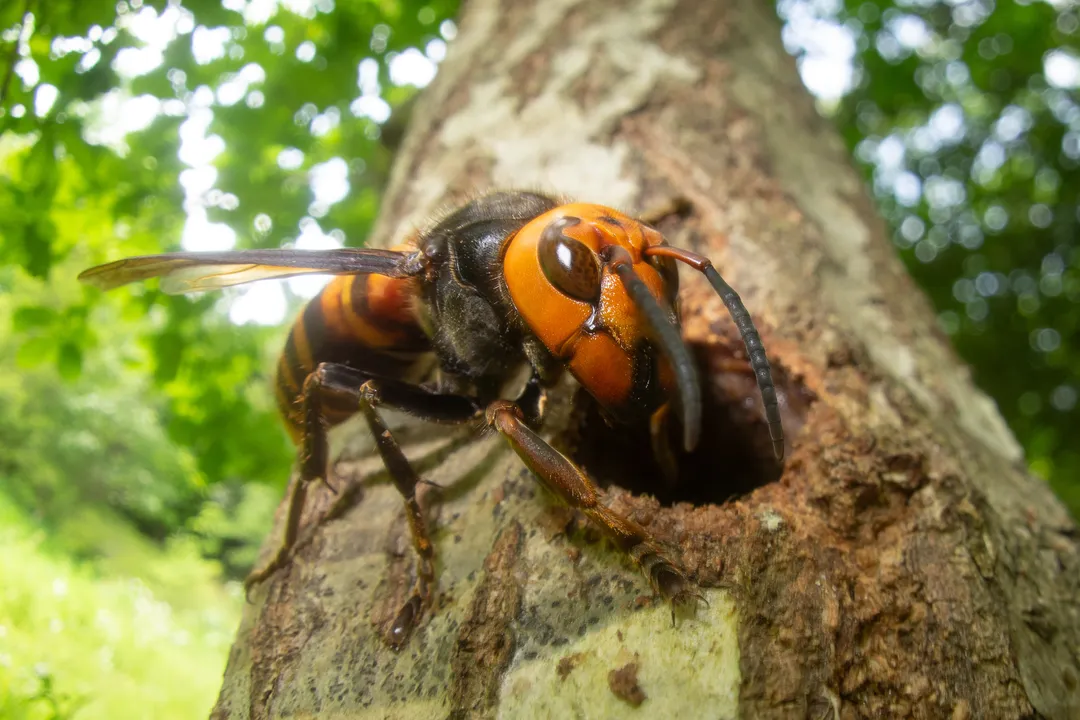
When giant Asian hornets are targeting honey bees, the process is systematic and often results in significant local devastation to the bee colony. [3] The hornets do not typically hunt bees in the open air; instead, they will often land near a hive entrance and wait, ambushing returning foragers or workers that venture out. [6] Once a bee is captured, the hornet will typically decapitate the victim immediately before returning to the nest with the remainder of the body. [7]
It is important to note that while the final meal for the larvae is insect matter, the adults do not solely rely on killing large prey to feed themselves. [2] They supplement their activity with easily accessible sugars. This dual approach means that a single hornet might spend the morning gathering nectar for its own immediate fuel, and the afternoon focusing entirely on bringing back caterpillars or wasps to feed the next generation. [3][5]
A practical consideration for managing hornet populations, especially in areas where they are invasive, relates directly to this feeding strategy. Because the adults require significant sugar input for sustained foraging flights, limiting access to easy-sugar sources can indirectly affect the workers' ability to hunt efficiently. [6] While removing a field of ripe fruit will not stop a determined predator, it removes a low-effort energy subsidy, potentially placing a greater immediate strain on the workers to find high-value, high-effort protein targets. [3]
# Cultural Consumption Context
Beyond their natural predatory and foraging role, the giant Asian hornet holds a unique position in some of the cultures native to its original range, such as Japan and China. [9] In these contexts, the hornets—or at least parts of them—are sometimes regarded as a specific food source or delicacy. [9] This practice, which involves cooking the insects, stands in stark contrast to their ecological function within the ecosystem, where they are apex invertebrate predators. [9]
When considering the diet of Vespa mandarinia, it is essential to separate what sustains the living, flying insect from what is prepared for human consumption. A cooked hornet is, of course, solid food, but the biological mechanism required by the living worker to break down raw prey for its developing young remains strictly limited to liquefaction. [10] The successful growth of the larval stage is entirely dependent on the worker's ability to deliver this soft, pre-digested protein packet. [1][2] This reliance on social cooperation for processing and nutrient division is what distinguishes their feeding strategy from that of solitary wasps or hornets. [3]
Related Questions
#Citations
Asian giant hornet - Wikipedia
The deadly Asian hornet: how to identify, what they like to eat, why ...
Asian Giant Hornet - Utah State University Extension
Munchity crunchity - The Apiarist
[PDF] asian giant hornet - in washington state - | WA.gov
What You Need to Know About the Asian Giant Hornet
Giant Hornets, Giant Appetites | Blog | Nature - PBS
Distracting Giant Hornet with Chicken Hearts: Saving Honeybees
Asian giant hornets: More than a delicacy - Current Conservation
Adult Asian giant hornets cannot digest solid protein, but their grubs ...