What classifies a bird as a warbler?
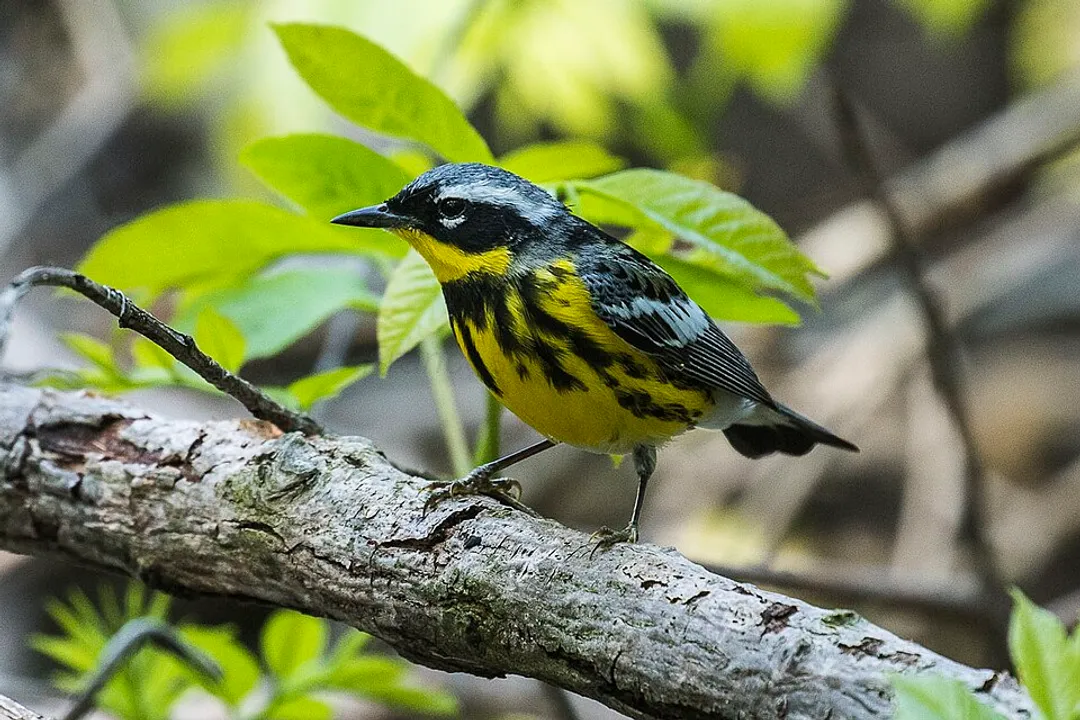
The label "warbler" is one of those terms in the birding world that feels immediately recognizable but is surprisingly difficult to pin down with a single, definitive rule. It describes a large, diverse group of small, often energetic songbirds found across the globe, yet the name itself is more of a common descriptor based on appearance and habit than a strict, unified scientific classification. [1][4][8] To truly classify a bird as a warbler, one must look past the easy visual shorthand and consider family trees, geographic location, and subtle structural clues. [2][7]
# Physical Traits

When people picture a warbler, especially in North America, they usually imagine a tiny, active bird with a delicate, slender bill. [1][7] These features are adaptations for their primary diet: catching small insects. [5][9] Warblers are generally small, often measuring between 4 and 5.5 inches in length. [1] Their build is light and agile, perfectly suited for moving quickly through foliage, gleaning tiny arthropods from leaves, or snatching them out of the air in short sallies. [5][9] While bill shape is a key feature—generally thin and pointed—their overall structure is built for ceaseless motion rather than heavy-duty seed cracking or powerful flight. [7]
# Taxonomic Split
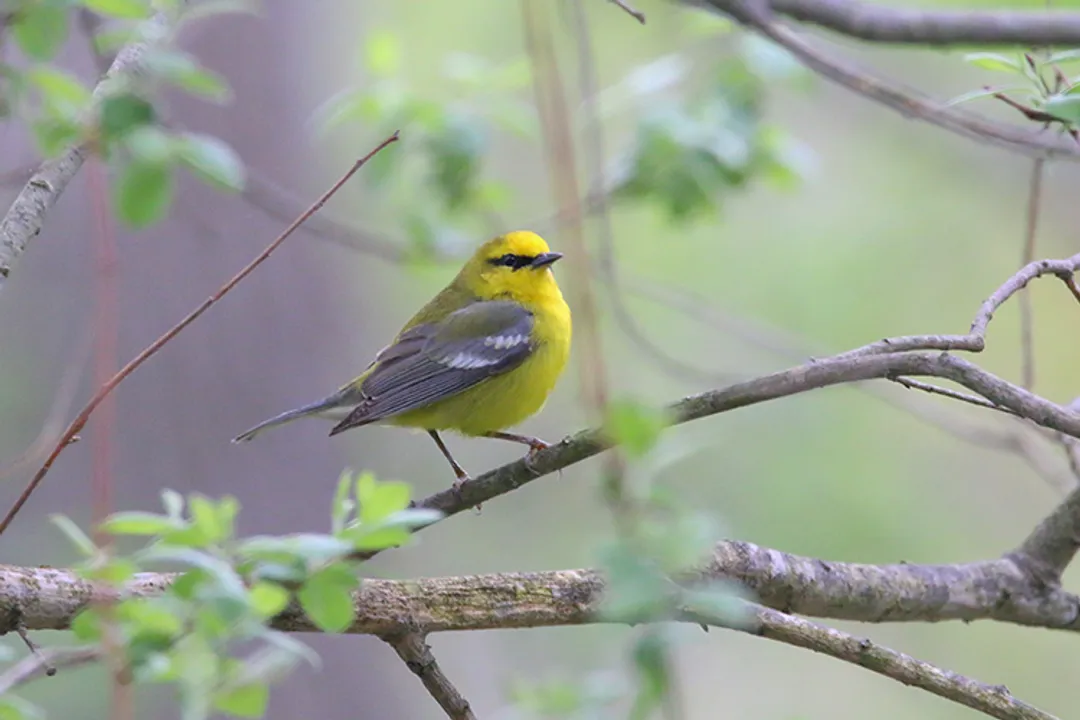
The biggest hurdle in defining a warbler is that the term applies to birds in at least two distinct taxonomic families that are not closely related evolutionarily. [2][4]
The group most commonly referred to as warblers in the Americas falls under the family Parulidae, known as the New World Warblers. [2][5] This group is known for its diversity in the western hemisphere and includes familiar species like the Yellow Warbler and the Black-and-white Warbler. [8]
Meanwhile, the birds called warblers in Eurasia and Africa often belong to the family Sylviidae, or the Old World Warblers. [3][5] These two groups converged on a similar ecological niche—small, insectivorous, active birds—leading to the shared common name, even though their genetic histories are separated by millions of years. [2][3] Bird classification is dynamic; for instance, the American Robin was once grouped near warblers but has since been moved into the thrush family (Turdidae), demonstrating how scientific understanding refines these broad groupings. [3] This means that a "warbler" in, say, Germany, is taxonomically distant from one in Massachusetts. [2]
# Plumage Variety

Color is often the first thing people associate with these birds, but it is also one of the least reliable classificatory markers across the entire group. [1][8] While the bright yellow, red, and blue flashes of species like the Wilson’s Warbler or Painted Bunting capture the imagination, many warblers are surprisingly subdued. [5][1] In fact, a significant portion of the Parulidae family relies on subtle field marks—such as wing bars, faint streaks, or spectacles (eye rings)—rather than brilliant coloration to distinguish themselves. [8] For a field observer in a temperate region, identifying a warbler often means sorting through a collection of very similar-looking olive, gray, and white birds. This subtle visual similarity among many New World species can make pinpoint identification a significant challenge for even experienced birders. [4]
# Foraging Signatures
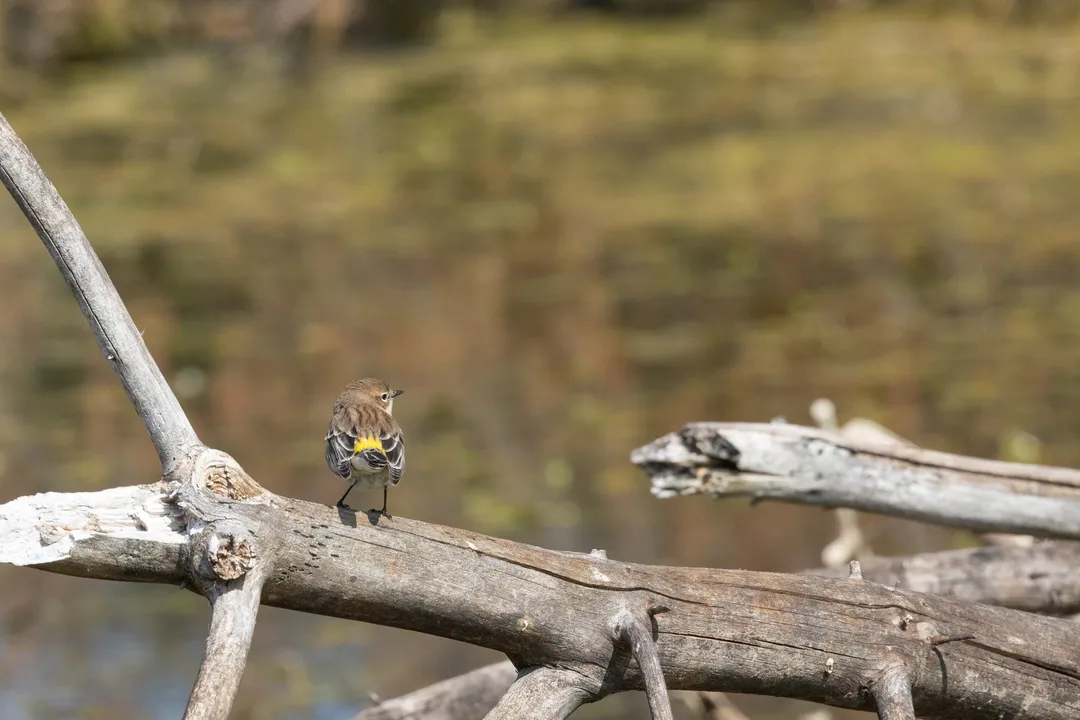
If visual identification proves difficult due to subtle plumage, behavior offers another strong clue. Warblers are rarely static. [1] They are hyperactive foragers, constantly moving within the mid-levels of trees and shrubs. [9] They exhibit numerous specialized feeding techniques, such as gleaning (picking insects off leaves), hover-gleaning (briefly hovering to snatch a bug), or probing into bark crevices. [5] If a small bird is tirelessly inspecting the underside of leaves in quick succession, it exhibits the characteristic restlessness that earns the "warbler" moniker, regardless of its specific family background. [1][9] This constant activity level is a better general classifier than any single feather color might be. [4]

# Identification Context
The context of where you are observing a bird is essential for using the term "warbler" accurately. If you are deep in a North American woodlot during migration, the chances are high that any small, active insectivore you see belongs to the Parulidae family. [8] However, if you are observing a small, reed-dwelling insectivore along a European pond edge, you are likely looking at a member of the Sylviidae family, which includes the highly diverse Old World warblers. [3][5] To someone accustomed only to the bright, flashy New World species, the drab appearance of many Old World counterparts might seem initially confusing, reinforcing that the shared name reflects ecological function more than common ancestry. [2]
When trying to distinguish between closely related species within the Parulidae group, birders often have to rely on minute details. These can include the exact pattern of streaks on the breast, the length of the primary wing feathers relative to the secondaries, or the precise shape and color of the eye-ring. [7] For instance, comparing the pattern of wing bars—whether they are distinct or smudged—can be the only way to separate two similar-looking species during a fleeting glimpse in dense spring foliage. [4]
# Warbler Size Metrics
While no single rule works, understanding the typical size spectrum can help eliminate other possibilities. For example, many true warblers fall into the smallest category of passerines, often being significantly lighter than species like chickadees or kinglets, which share similar habitats. [1]
| Group | Average Length (Inches) | Key Characteristic | Example Family |
|---|---|---|---|
| Small Warblers | 4.0 – 5.0 | Fine bill, extreme agility | Parulidae (New World) [1] |
| Medium Warblers | 5.0 – 6.5 | Slightly sturdier build, may retain insect focus | Some Sylviidae (Old World) [3] |
This relative smallness, combined with their slender structure, sets them apart from slightly larger, heavier insectivores or generalists. If a bird appears robust or heavy-billed, it is unlikely to fit the general warbler profile, regardless of color. [7] The structure dictates the function, and the structure of a warbler is optimized for delicate foraging in high-density cover. [9]
Ultimately, classifying a bird as a warbler requires accepting a degree of common nomenclature overlap. It is an identification based on a suite of traits—small size, fine bill, high activity level, and insectivorous diet—that frequently appear together, even if the birds carrying the name belong to different branches of the avian family tree. [2][4]
Related Questions
#Citations
Ask Kenn: What Exactly Is a Warbler? - National Audubon Society
Warbler - Wikipedia
Warbler | Types, Habits & Migration - Britannica
What IS a Warbler? - Laura's Birding Blog
The Wonder of Warblers - Schlitz Audubon Nature Center
Warblers 101 » Everything You Need To Know - Bird Buddy Blog
Warblers Browse by Shape, All About Birds, Cornell Lab of Ornithology
What in the Warblers? - Mass Audubon
Warblers | Oregon Department of Fish & Wildlife
Identifying Warblers - - Christine Elder