What is duck classified as?
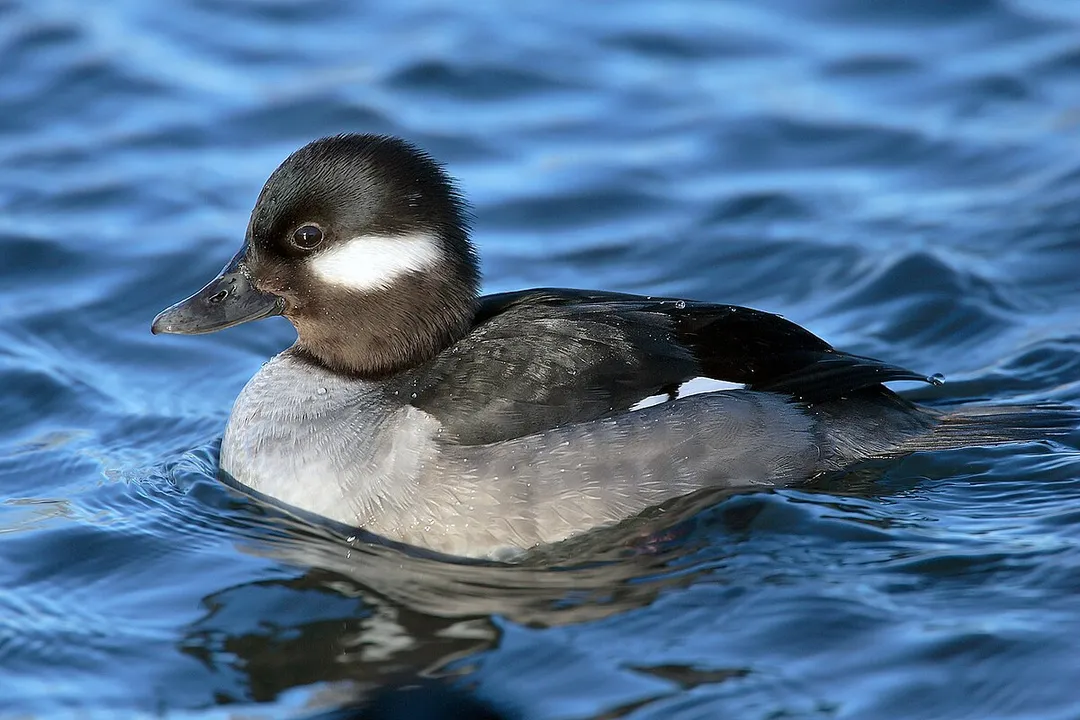
The classification of a duck is an exercise in understanding the nested hierarchies of the animal kingdom, ultimately placing these familiar waterfowl into a precise but sometimes complex biological structure. Broadly speaking, a duck is an aquatic bird belonging to the biological family Anatidae. This places them within the Order Anseriformes, which also encompasses their larger relatives, the geese and swans. Every living duck species is found across the globe, successfully colonizing every continent save for Antarctica.
# Bird Placement
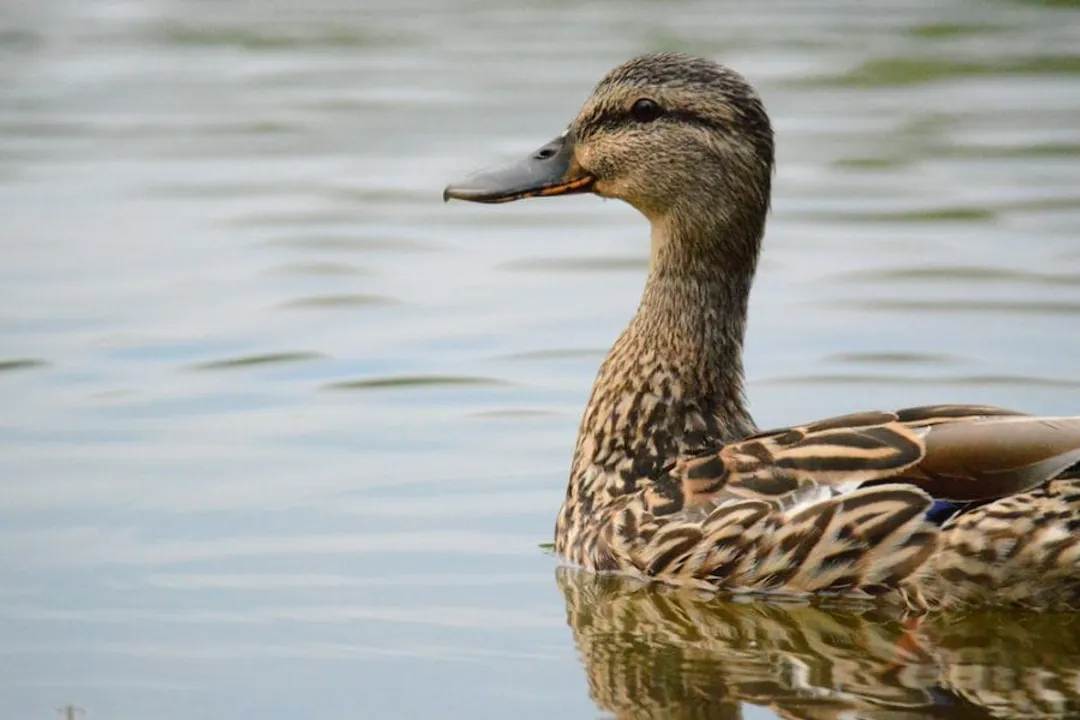
To be classified as a duck, one must first fit within the established system of biological nomenclature that organizes life. Ducks fall under the Kingdom Animalia, indicating they are multicellular, heterotrophic organisms. Moving down the line, they belong to the Phylum Chordata, meaning they possess a spinal cord or backbone. Their Class is Aves, the birds, characterized by feathers, beaks, and the laying of hard-shelled eggs. The next designation, Order Anseriformes, groups them with screamers, geese, and swans. The final key step in initial placement is the Family Anatidae, which brings the ducks together with geese and swans as collectively known waterfowl. While this sequence defines where a duck sits among other birds, the term "duck" itself requires a more nuanced look within that family structure.
# Family Group
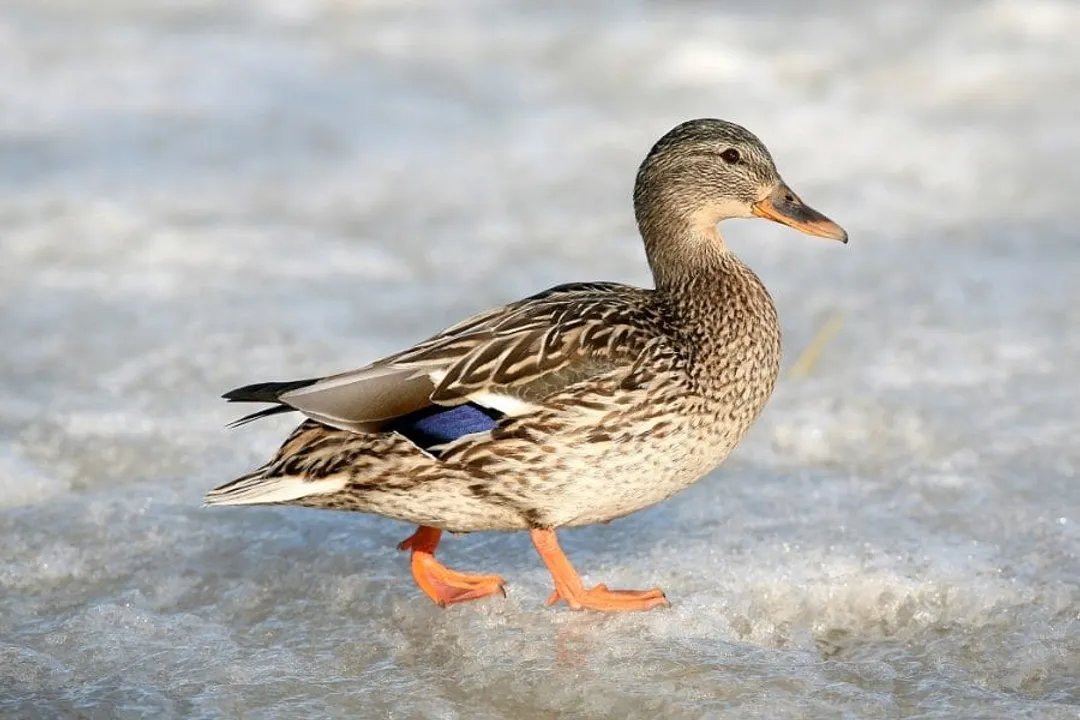
The family Anatidae is a diverse assemblage, uniting birds adapted for swimming, floating, and sometimes diving in water. Within this family, ducks are generally distinguished from geese and swans by being smaller, having shorter necks and legs, and possessing a characteristic waddling gait on land due to their rear-set legs. However, the classification of "duck" is what taxonomists call a form taxon. This is a critical distinction: while all ducks are in the Anatidae family, not all members of that family are considered ducks. Swans and geese are separate, meaning the group of birds we call ducks is not monophyletic—they do not represent all the descendants of a single common ancestor, because that ancestor also gave rise to geese and swans.
The relationships within Anatidae are so poorly understood that their internal classification has been a source of considerable debate among taxonomists. Historically, classification relied on anatomical features, but modern studies involving mitochondrial DNA (mtDNA) sequences often conflict with these older divisions. For example, some mtDNA evidence suggests that traditional groups like dabbling and diving ducks do not neatly fit into the same subfamily as morphology might suggest. Furthermore, the tendency for various anatids, even across different genera, to produce fertile hybrids further scrambles the lines that genetics attempts to draw. This confusion highlights the ancient lineage of this group; their earliest ancestors may have existed alongside the non-avian dinosaurs. The sheer length of this evolutionary history, characterized by shifts between different aquatic lifestyles, has obscured shared primitive traits (plesiomorphies) and made parallel evolution common, thus complicating simple categorization. It is this deep, adaptive history that makes defining exactly what species belongs where a continuous revision process.
# Physical Traits
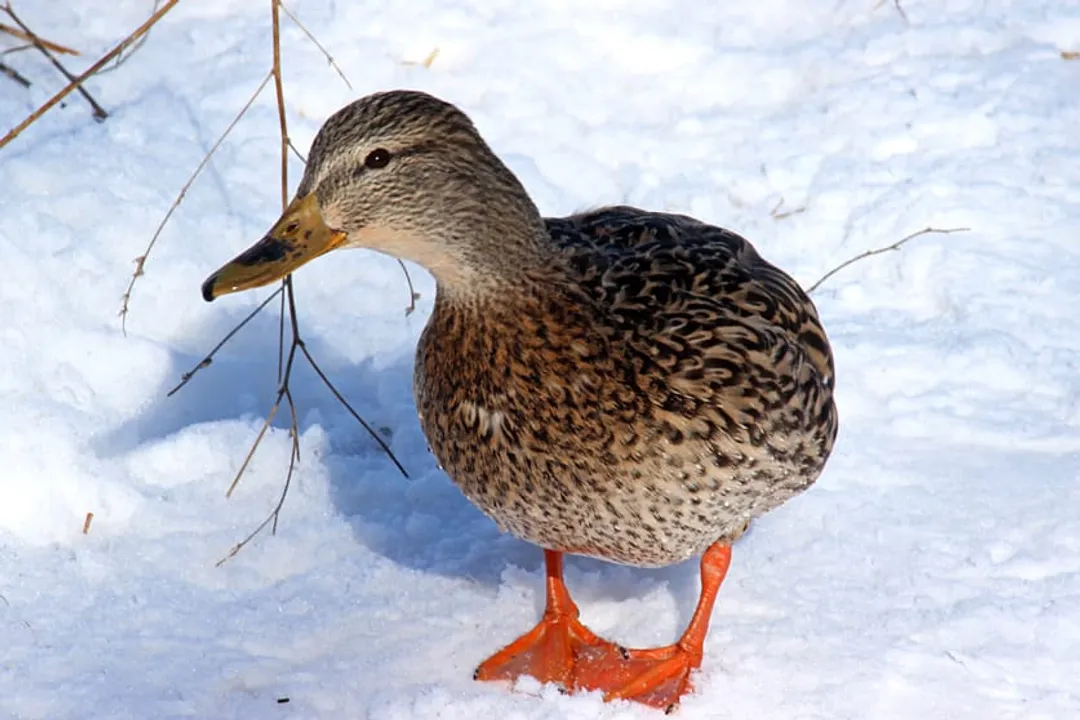
Regardless of the ongoing taxonomic refinement at the subfamily level, certain physical characteristics are essential for identifying a bird as a duck. The bill is a signature feature: it is typically broad and flattened, though this varies significantly between types. A defining structural component of the bill in most filter-feeding species is the presence of serrated structures called lamellae along the edges, which function to strain food from water or mud, similar in concept to baleen in whales. Another key physical marker is the leg structure; ducks have scaled legs set relatively far back on the body, which aids propulsion in water but contributes to their awkward waddling walk on land. Their feet are characteristically webbed to act as paddles.
The appearance, particularly the plumage, is often used to distinguish sex. In many species, males, known as drakes, display extravagant, bright colors, especially in the Northern Hemisphere species before migration. This phenomenon is known as sexual dimorphism. The muted, drab colors of the females, or hens, provide crucial camouflage while nesting. After the breeding season, males undergo a second molt to trade their bright feathers for a plain eclipse plumage that resembles the female's, offering camouflage during their temporary flightless period while new feathers grow.
A useful heuristic for the field observer, which can help immediately narrow down a duck's classification, relates to its leg position and its implications for flight. Dabbling ducks, for instance, have their feet set slightly more forward than divers, allowing them to bound into the air more readily. In contrast, diving ducks, built for underwater propulsion, have legs set further back and must often "skitter" across the water surface to gain enough speed for takeoff. Knowing whether a bird is built for tipping or diving based on these visible adaptations is a practical step in its field classification.
# Foraging Methods
The behavior used for feeding serves as one of the most intuitive ways humans classify ducks in the field, often dividing them into two main functional groups: dabblers and divers.
Dabbling ducks, sometimes called river ducks, feed primarily at or just beneath the water’s surface in shallow water. Their characteristic feeding method involves up-ending—tipping their bodies forward with their tail up in the air while reaching down to forage on submerged vegetation, seeds, or small invertebrates in the mud. Examples include the Mallard and Northern Pintail.
Diving ducks and sea ducks, conversely, employ a more forceful method, completely submerging themselves to hunt for food underwater. Because they are more adapted for underwater maneuvering, they tend to have rounder bodies and are generally heavier than dabblers, which sometimes makes taking flight more difficult for them. Species like scaups and canvasbacks rely on this deep foraging ability. Specialized species within the diving group, such as the mergansers, possess narrow, strongly serrated bills perfectly adapted for catching and holding slippery fish.

# Internal Groups
The complexity of duck classification is further evident when looking at the proposed subfamilies and tribes that attempt to organize the Anatidae family. While classifications are in flux, many modern treatments focus on the subfamily Anatinae for the "true ducks," which is then broken down into several tribes based on anatomy and behavior.
The tribe Anatini houses the familiar dabbling ducks. The tribe Aythyini contains the diving ducks, also known as pochards or sea ducks. A related, diverse group is the tribe Mergini, which includes sea ducks like eiders, scoters, and sawbills, many of which specialize in fish and inhabit colder, saltier waters. The small, dumpy stifftails belong to the tribe Oxyurini, noted for their upright tail feathers.
Other groups defy simple placement within these core duck tribes. The long-legged whistling ducks (tribe Dendrocygnini) are sometimes placed closer to geese, either in their own subfamily or grouped with the geese in Anserinae. Similarly, shelducks (tribe Tadorini) are considered intermediate, resembling geese but likely related to dabblers. The torrent duck (Merganetta armata), a South American specialist living in fast-flowing Andean streams, forms its own tribe, Merganettini. Recognizing these distinct lineages, even those only comprising one or two species, demonstrates the need to categorize based on multiple lines of evidence, not just general shape.
# Human Role
Classification also occurs along the lines of human interaction, most notably separating wild from domestic ducks. Domestication of ducks, generally for meat, eggs, and feathers, began thousands of years ago. Almost all domestic duck breeds worldwide, such as the widely raised White Pekin, trace their ancestry back to the wild Mallard (Anas platyrhynchos). There is a notable exception: the Muscovy duck (Cairina moschata) is not descended from the mallard. The Call Duck, another domestic breed, was historically classified by its use: a small breed whose specific call was employed by hunters as a decoy to lure wild mallards into traps.
From an economic and ecological perspective, ducks are also classified based on their value and impact. Historically, they have been vital food sources for native peoples. Today, regulated sport hunting forms a major part of many local economies, and ducks like the mallard are considered indicator species for wetland health. Conversely, some ducks can act as pests or vectors for diseases.
# Meat Type
Beyond biology and behavior, ducks face a unique classification in the culinary world, often leading to consumer confusion regarding meat color. According to the United States Department of Agriculture (USDA), duck and goose meat are technically classified as poultry and categorized as "white" meat. This classification is based on the species being a bird.
However, this label contradicts the visual evidence. Duck breast meat is decidedly darker than that found in chicken or turkey breasts. This difference stems from the muscle's function: birds that spend significant time flying require more oxygen delivered to their major flight muscles. The protein myoglobin holds oxygen within the muscle tissue and imparts a darker color. Because ducks are capable fliers, their breast muscles are denser with myoglobin, making the meat look and taste darker than the predominantly ground-dwelling chicken or turkey. Game birds that fly extensively often have breast meat as dark as their leg meat, placing ducks in this darker spectrum, despite their official poultry grouping. Therefore, while the governmental classification says "white meat," the practical experience of eating duck meat places it closer in color and texture profile to traditional "red meats" due to its active, flying nature.
Related Questions
#Citations
Duck - Wikipedia
Duck | Definition, Types, & Facts | Britannica
Ducks | Research Starters - EBSCO
Duck Bird Facts - A-Z Animals
Are duck and goose "red" or "white" meat? - Ask USDA
Duck | Types of Birds Wiki | Fandom
Duck Facts, Types, Identification, Habitat, Diet, Adaptations, Pictures
Types of Ducks Series: Defining Duck | Tails of a Twitcher