What attracts death watch beetles?
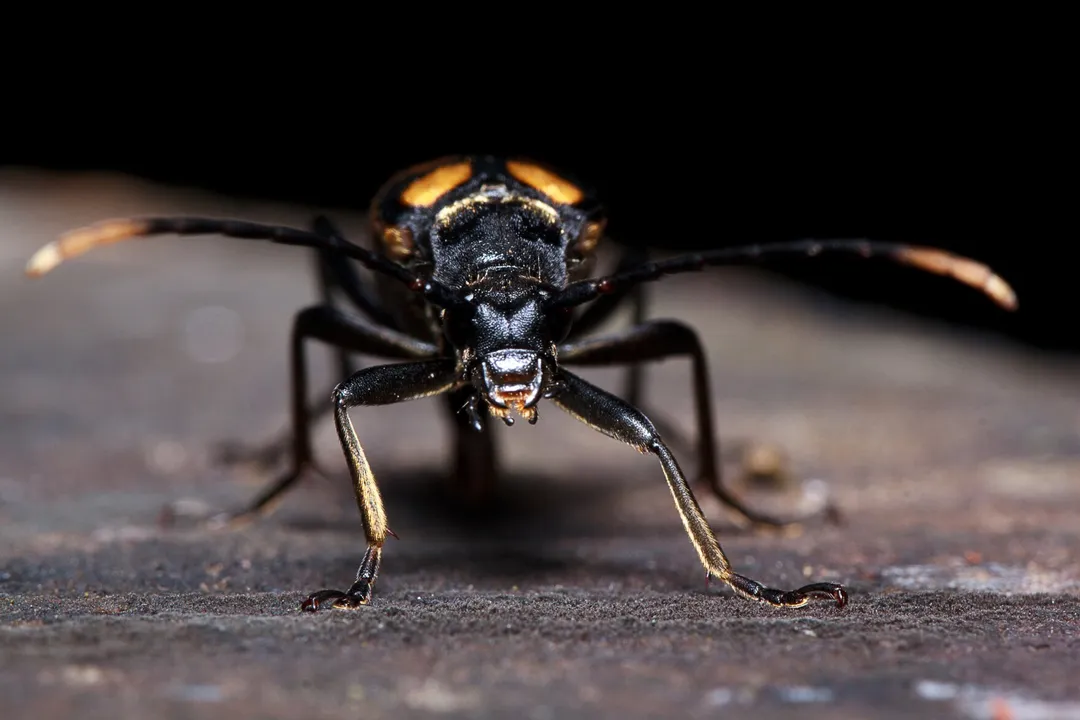
The presence of the deathwatch beetle, Xestobium rufovillosum, in timber structures is often signaled not by sight, but by sound—a distinct, rhythmic ticking or tapping. This sound, which has historically been associated with ill omens or the approach of death, is actually a function of the beetle’s mating ritual. However, long before that tapping begins, several very specific material and environmental conditions must align to attract the adult female beetle looking for the perfect nursery for her offspring. Understanding what draws these wood-boring insects is key to both historic preservation and pest management.
# Hardwood Species
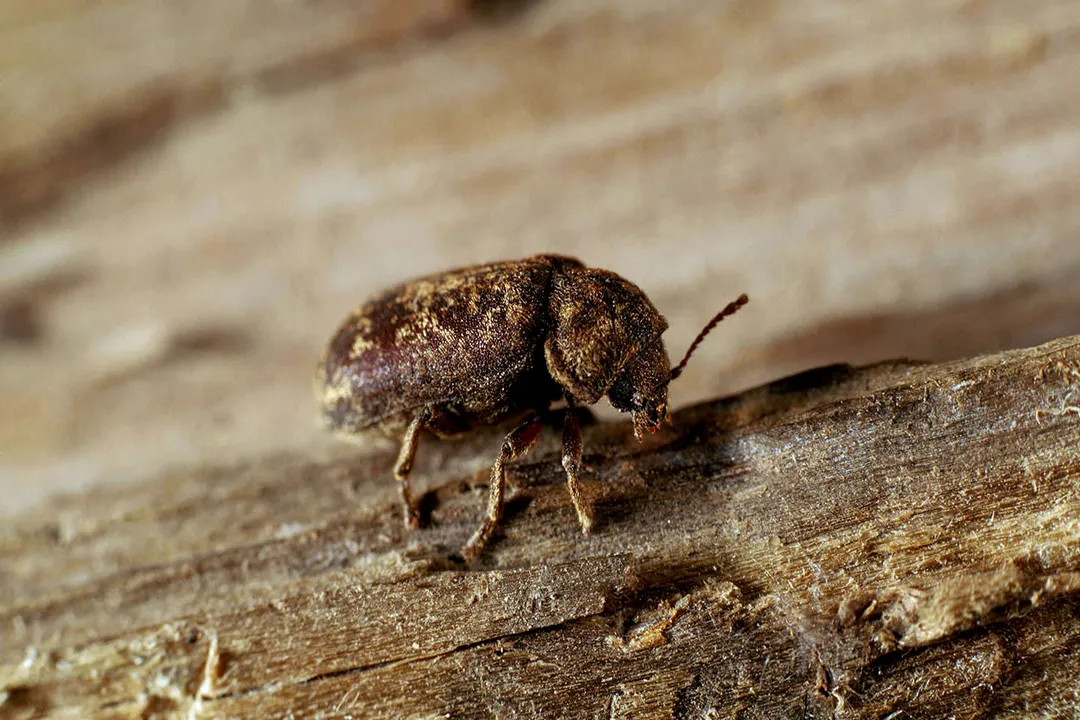
The primary draw for the deathwatch beetle is the presence of mature, decaying hardwoods. This is not a pest of softwoods like pine; its entire life cycle is intrinsically linked to durable timber that has begun to break down naturally. While they can infest several types of hardwood, certain species are highly favored, particularly older specimens.
The most notorious host material is oak. This preference is so strong that in many historic buildings, the presence of deathwatch beetle activity is almost synonymous with oak beams or flooring. Other hardwoods frequently targeted include ash and elm. The female beetle, during her egg-laying phase, instinctively seeks out these dense, established wood sources over younger or softer materials.
It is crucial to distinguish between the feeding preferences of the different life stages. The damaging stage—the larva—resides inside the wood, feeding exclusively on the sapwood. The adult beetles, conversely, emerge in the warmer months to feed on very different things: pollen and nectar from flowering plants. Therefore, while the presence of pollen-rich flowers nearby might attract the flying adults in spring, the structural attraction that leads to infestation comes down to the quality and type of wood present.
# Decay Moisture

Simply having an old oak beam is not always enough to trigger an infestation; the wood must be in the correct state of deterioration. The attraction is very specific to the condition of the decaying hardwood.
A critical metric determining whether a female will deposit her eggs is the moisture content of the timber. Research indicates that females actively seek wood that maintains a relatively high level of dampness, often specifying a moisture content above 30 percent. This suggests that deathwatch beetles are less likely to establish themselves in perfectly dry, well-ventilated structural wood, even if it is old oak. Instead, they are drawn to timber that has suffered water ingress, perhaps from roof leaks, rising damp, or poor ventilation in basements or wall cavities, creating the ideal damp environment for larval development.
Furthermore, the wood must be sufficiently decayed. The larvae feed within this softened, partially decomposed sapwood layer. If the wood is too sound, the larvae cannot bore through or consume it efficiently, making it a poor nursery choice. This interplay between species (hardwood), age (old timber), and condition (high moisture/decay) forms the core environmental attractant.
If you are managing an older property, particularly one built using traditional framing techniques common across the UK where oak was prevalent, you might note a pattern: ground-floor beams near the foundation or roof timbers directly under slate or tile often show damage, reflecting where moisture retention is highest.
# Tapping Sound

The most famous attractant is behavioral, relating to sexual communication rather than material preference. Once emerged, the male deathwatch beetle engages in a form of communication called stridulation, which manifests as a regular, audible tapping or beating of its head against the wood substrate.
This tapping sound serves as an advertisement, attracting nearby females who are ready to mate. This behavior is what earned the insect its memorable common name, as the tapping was often heard late at night in old buildings and mistaken for someone ticking off the last moments of a sick person’s life. While the sound does not attract the beetle to the wood in the first place (the female finds the wood first), it is the critical attraction mechanism for pairing once the beetles have emerged from their tunnels within the timber.
# Pollen Nectar
While the structural attraction centers on the decaying wood for egg-laying, the attraction for the adult feeding stage shifts entirely outdoors during the spring and early summer. Adults emerge to feed before mating and laying eggs. Their diet during this short adult lifespan is completely different from the larvae's—they consume pollen and nectar.
If an infestation is already established in a building, the proximity of blooming plants, particularly those that produce abundant pollen, might draw the newly emerged adults closer to the exit point of the infested timber. For general population maintenance, a healthy, diverse garden environment rich in flowering plants supports the adult beetle population, ensuring there are enough active females to seek out susceptible timbers for the next generation.
# Lifecycle Context
To truly understand what draws the deathwatch beetle, one must view it through the lens of its extended lifecycle. The entire process is geared toward ensuring the survival and development of the larva within a protected, nutritious environment.
The critical decision point, and thus the point of attraction, rests entirely with the female. She must locate a suitable site for oviposition, meaning she is attracted to the confluence of the factors already discussed:
- Species: Hardwood (especially oak).
- Condition: Decaying sapwood.
- Environment: High moisture levels, typically above 30%.
- Access: Surface cracks or crevices where she can place the eggs safely.
When considering historic preservation efforts, recognizing this hierarchy of attraction explains why intervention often focuses on environmental control. Simply removing all nearby flowering plants will not stop an existing infestation, as the larvae are safely tunneling internally. Conversely, if you have a large, structurally sound, dry oak beam, the risk of new infestation is significantly lower than a damp, aging elm joist supporting a poorly drained section of roofline. The beetle is attracted to opportunity—the specific material state that guarantees larval survival.
The ticking sound, while fascinating, is the final act of an attraction sequence that began months or years earlier when the female scouted the property's structural weaknesses. Understanding the preferred moisture content of over 30% gives preservationists a concrete, measurable target. Instead of treating an entire structure, focusing resources on drying out areas where timber consistently exceeds this threshold—perhaps by improving subfloor ventilation or repairing flashing around old window casings—directly targets the environmental cue that prompts the female to select that specific piece of wood over others nearby. This shifts the focus from reactive treatment of damage to proactive management of the environmental conditions that initiate the infestation cycle.
The development from egg to adult can take several years, sometimes up to nine years, depending on temperature and wood quality, meaning the initial successful attraction event dictates the long-term presence of the pest. A single successful egg-laying session in a favored, damp oak beam can sustain a population for a decade or more.
Related Questions
#Citations
Deathwatch beetle - Wikipedia
The DNA sequence of a wood-munching marauder
Deathwatch beetle | The Wildlife Trusts
Deathwatch beetle | Wiltshire Wildlife Trust
Deathwatch Beetle - Veseris
Deathwatch Beetle (Xestobium rufovillosum) - Woodland Trust
Deathwatch Beetle | Montana Public Radio
[PDF] Death watch beetle - Fact sheet No 3 - English Heritage
[PDF] Deathwatch Beetle Xestobium rufovillosum (De - Museum Pests