What attracts copperheads to your yard?
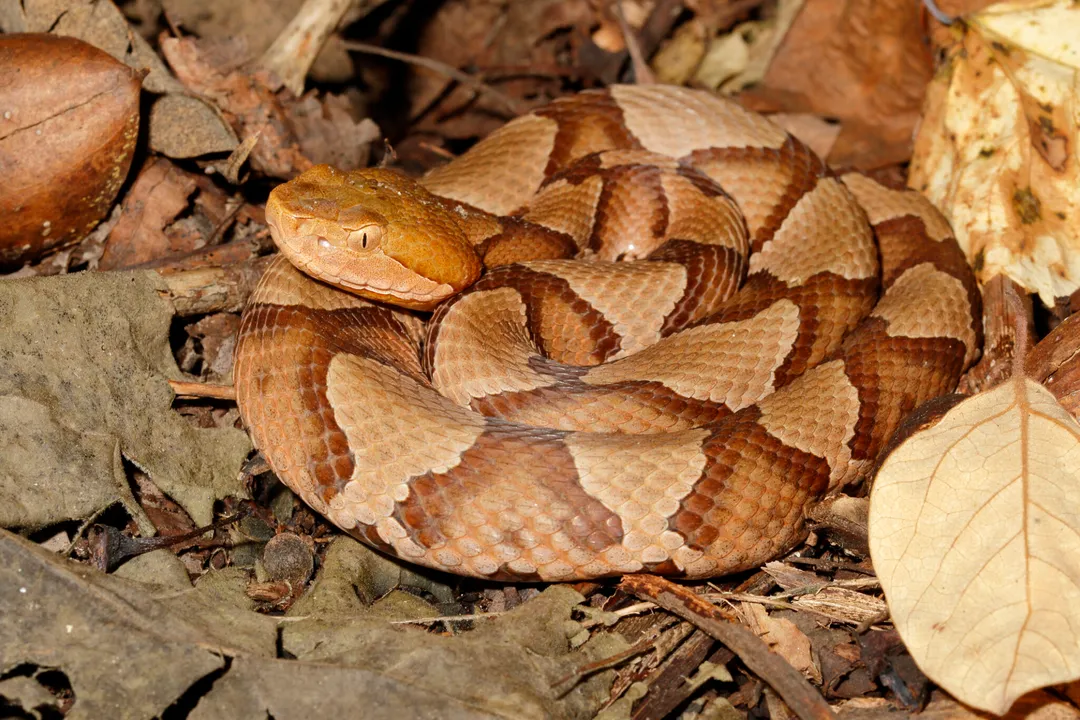
When considering why a copperhead might choose your property over a neighbor’s, the answer almost always boils down to two primary, interconnected necessities: a reliable food supply and secure, comfortable shelter. [5][7] These snakes, like many reptiles, are opportunistic, and their presence indicates that your yard is successfully meeting these fundamental needs. Understanding these attractants is the first step toward managing your landscape in a way that makes it less appealing to them.
# Food Availability
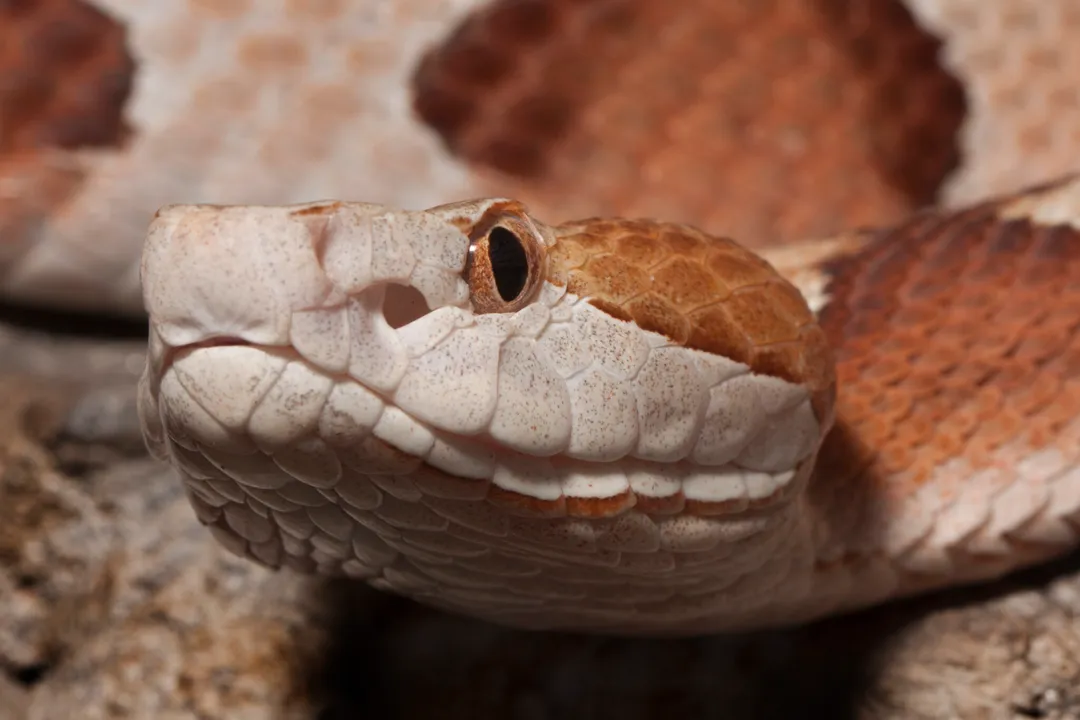
The most significant long-term magnet for any predator, including the copperhead, is a steady source of food. Copperheads primarily consume small rodents, such as mice and voles. [5][7] If your yard provides an ideal environment for these small mammals to thrive, it automatically becomes an attractive hunting ground for the snake.
This means looking critically at areas where rodent populations might flourish. Compost heaps, for instance, are a dual threat: they often provide warmth and a steady supply of potential food scraps, which in turn draw in rodents. [5] Similarly, areas where birdseed has fallen and accumulated, or where unsecured pet food is left outside, can create localized feeding stations that keep rodents nearby, thus ensuring the copperhead has a reason to linger and patrol the area. [7]
It is worth noting that while rodents form the bulk of their diet, copperheads are not exclusively focused on mammals. They will readily consume small birds, large insects, lizards, and even other snakes, particularly the young ones. [7] Therefore, any feature of your yard that supports a high density of small animal life contributes to the overall attractiveness of the location. Think of your yard as an ecosystem; if the base of the food chain (insects, seeds leading to mice) is strong, the top-tier predators will follow. [5]
# Shelter Piles
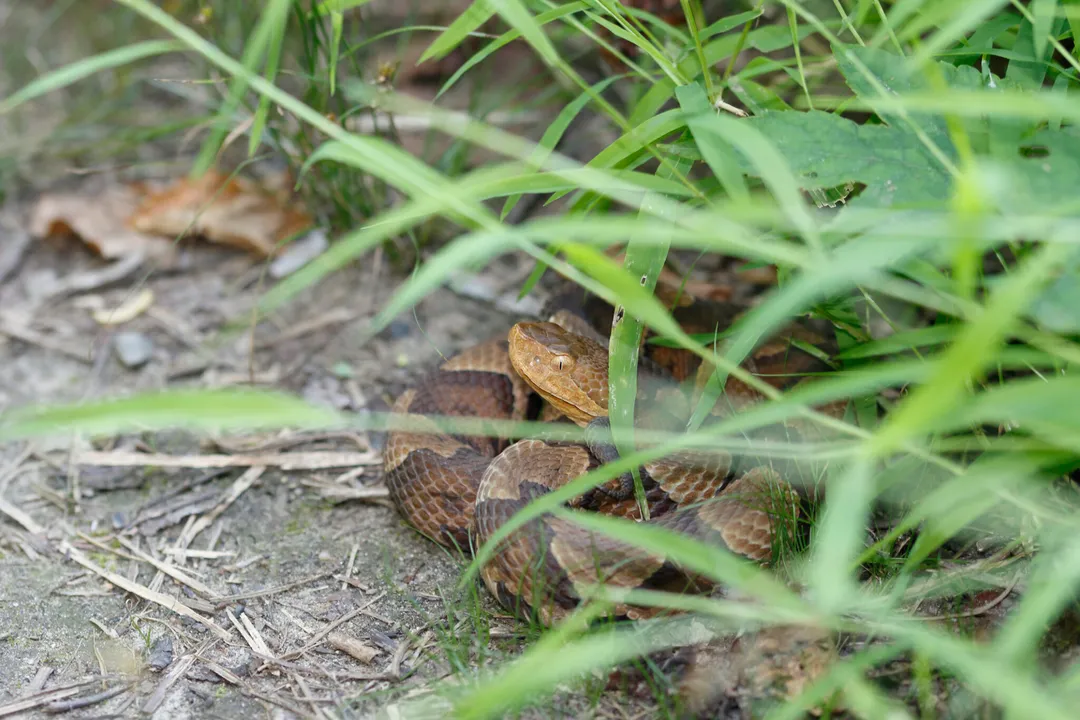
Beyond food, shelter—or harborage—is critical. Copperheads seek out safe, cool, and often damp places to rest, hide from predators, regulate their body temperature, and hide while waiting for prey to wander by. [5] If your property offers numerous structures that mimic the natural hiding spots they would use in a wild setting, you are essentially building them a permanent residence.
Sources repeatedly highlight specific human-made or natural debris piles as major attractants. These include:
- Wood Piles: Stacks of firewood, whether neatly organized or haphazardly dumped, are notorious for harboring snakes. [5][6][7] The dark, sheltered space between logs, especially if the pile sits directly on the ground, provides excellent cover.
- Rock and Debris Piles: Stacks of decorative stones, old concrete slabs, bricks, or general yard debris create crevices and protected voids that offer immediate refuge from the sun or potential threats. [5][7]
- Compost and Mulch: Deep layers of organic matter, like heavy mulch or active compost bins, offer a damp, cool hiding spot. [1][5] While a thin layer of mulch might be acceptable, overly deep or undisturbed layers create an ideal, insulated environment.
- General Clutter: Anything that keeps the ground from being fully exposed to the sun and air—trash piles, old tires, unused gardening equipment left on the soil—becomes an instant invitation. [6][7]
# Vegetation Density
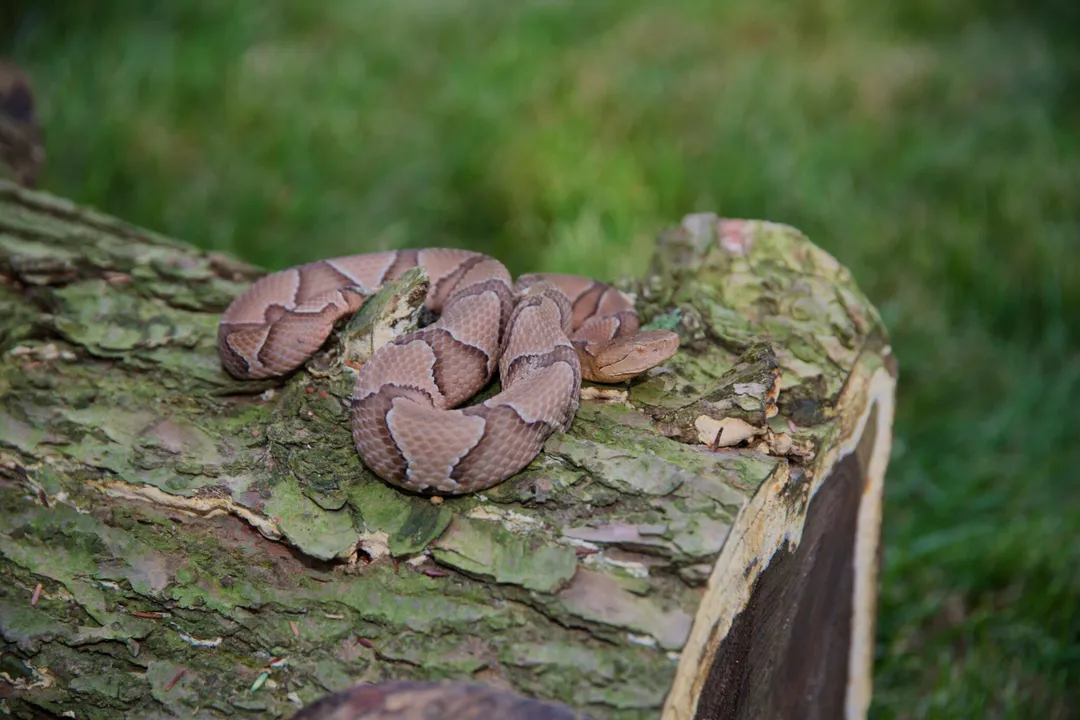
The way vegetation is managed plays a massive role in creating attractive habitat. Copperheads, particularly young ones, thrive in areas where the ground is obscured. [1]
Dense, low-growing ground covers, overgrown flower beds, and thickets of shrubs that reach down to touch the soil create natural tunnels and visual barriers. This dense foliage allows the snake to move unseen, offering security while it ambushes prey that moves through the undergrowth. [1] Likewise, letting grass grow tall in unused sections of the yard serves the same purpose as low-lying ground cover—it provides excellent camouflage and cover. [5][7]
When analyzing this factor, it is crucial to consider how these vegetative features interact with the debris piles mentioned above. A neglected area featuring a brush pile sitting adjacent to a thick, overgrown patch of ornamental grass creates a near-perfect copperhead sanctuary—it offers layered security from the ground up. [1]
# Microclimate Factors
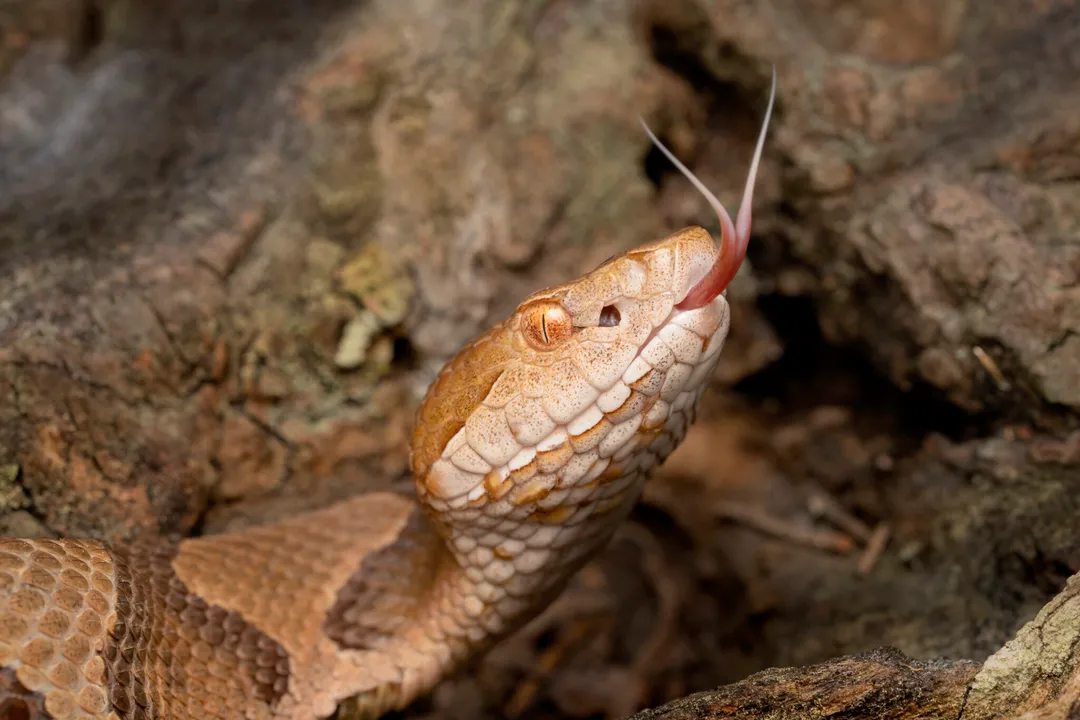
While food and shelter are the what, the where often relates to temperature and moisture control, which is essential for an ectotherm like the copperhead. They rely on their environment to maintain their necessary body temperature, moving between sun and shade, warm and cool spots throughout the day. [5]
A key aspect often overlooked is the microclimate created by certain landscaping choices. For example, a concrete patio or a large, dark boulder placed in a sunny spot will absorb significant heat during the day and radiate it slowly at night. If this heated surface is immediately adjacent to a cool, damp hiding spot—like a dense foundation planting or a shaded retaining wall—the copperhead has access to a rapid temperature gradient, allowing it to warm up quickly or cool down efficiently without moving far. [5]
Here is an observation derived from their need for thermal regulation: many homeowners focus solely on clearing away visible clutter. However, the material itself matters for temperature retention. A large, heavy pile of damp leaves or wood sitting directly on bare soil will retain morning dew and cool temperatures longer than a similar pile sitting on sun-baked gravel or concrete. If you must have a woodpile, placing it on an elevated, well-drained, sunny platform rather than directly on moist earth can reduce its appeal as a consistent, cool retreat. [9]
# Managing Foundation Cover
Foundation plantings—the shrubs and bushes planted close to the house—are another area where attraction factors accumulate. These plantings often receive less direct sunlight and more consistent moisture runoff from the roof or gutters, creating a perpetual shaded, cool zone right next to the home’s structure. [5]
Shrubs that are not pruned correctly often create dense skirts that sweep the ground. This eliminates the necessary buffer zone between the vegetation and the soil surface, essentially creating a continuous tunnel system that snakes can travel through undetected, often moving right toward the home’s entry points or windows. [7]
To manage this effectively, it’s useful to apply a simple rule of thumb derived from observing snake movement patterns: aim to maintain an 18-inch clearance zone between the soil surface and the lowest branches of any foundational shrubbery or tall perennial. This breaks the continuous visual cover snakes rely on, forcing them into more exposed, less comfortable travel routes. This small gap, maintained diligently through pruning, disrupts their primary mode of movement and makes the area less secure for lingering. [1]
# Comparison of Habitat Needs
The key to successful attraction management lies in recognizing that copperheads are looking for redundancy in their habitat. They want a spot that offers concealment, moisture, and food access all in one place. [7]
Consider this comparison of two common yard scenarios:
| Scenario Feature | Impact on Attraction | Comparison Point |
|---|---|---|
| Neatly cut lawn, no debris | Low Attraction | Minimal hiding spots, constant sun exposure makes temperature regulation difficult. |
| Long grass near a retaining wall | Moderate Attraction | Good ground cover, but moisture/hiding spots are limited to the wall crevices. [5] |
| Woodpile next to compost bin | High Attraction | Provides varied thermal shelters (wood voids, compost heat) and guarantees rodent activity. [5][7] |
| Dense ivy/vines against foundation | High Attraction | Creates moist, cool, shaded tunnels directly against a structure, perfect for ambush. [1] |
When you remove one element, the snake might still use the yard if another strong feature remains. If you remove the woodpile but still have deep, damp mulch beds, they will simply hide in the mulch. [1] Conversely, if you clear the brush but allow a large rodent population to thrive near the shed, they will frequent the shed area looking for prey. [7]
# Addressing Moisture
The preference for damp, cool areas is a strong driver, especially during the hottest parts of the summer. Copperheads do not want to risk desiccation or overheating. [5] Therefore, drainage is just as important as visual cover.
Areas where water tends to pool after rain—low spots in the lawn, areas blocked by poorly placed landscape edging, or around leaky outdoor spigots—become reliable, cool retreats. Addressing standing water and ensuring ground surfaces drain quickly removes a major environmental benefit that attracts them. [9] Even a seemingly dry area can be attractive if the soil underneath is consistently moist, which is often the case under dense evergreen shrubs or thick layers of decaying leaf litter. [1]
In summary, a yard that attracts copperheads is one that provides an easy, low-effort lifestyle: a guaranteed meal nearby, plenty of safe, structurally complex places to hide during the day, and the ability to easily manage their body temperature through nearby cool, damp zones. [5] Removing these core components through careful, consistent maintenance is the most effective strategy for encouraging them to seek shelter elsewhere.
#Videos
How to Keep COPPERHEADS Out of Your Yard - YouTube
Related Questions
#Citations
6 Tips For Keeping Baby Copperheads Away From Your Garden
How to Keep COPPERHEADS Out of Your Yard - YouTube
What is the best way repel copperheads from your property? Tipton ...
Repel copper heads? : r/snakes - Reddit
What Attracts Copperheads to Your Yard - X-iT Pest & Wildlife ...
What can I use to keep copperheads out of my yard so that they don't ...
Can I Keep Copperheads Out of My Yard? - Vance County Center
5 best ways to keep copperheads out of South Carolina yards
We are infested with copperhead snakes...help! - Chameleon Forums