What are the physical properties of a lizard?

Lizards represent one of the most successful and diverse groups of reptiles inhabiting nearly every continent except Antarctica. [1][2] Understanding what physically defines them moves beyond simply picturing a small, scaly creature basking in the sun; it involves examining a specialized anatomy refined over millions of years of evolution. [5] They fall within the order Squamata, a grouping they share with snakes, but lizards retain several distinct physical characteristics that set them apart from their limbless cousins. [1][6]
# Body Sheath
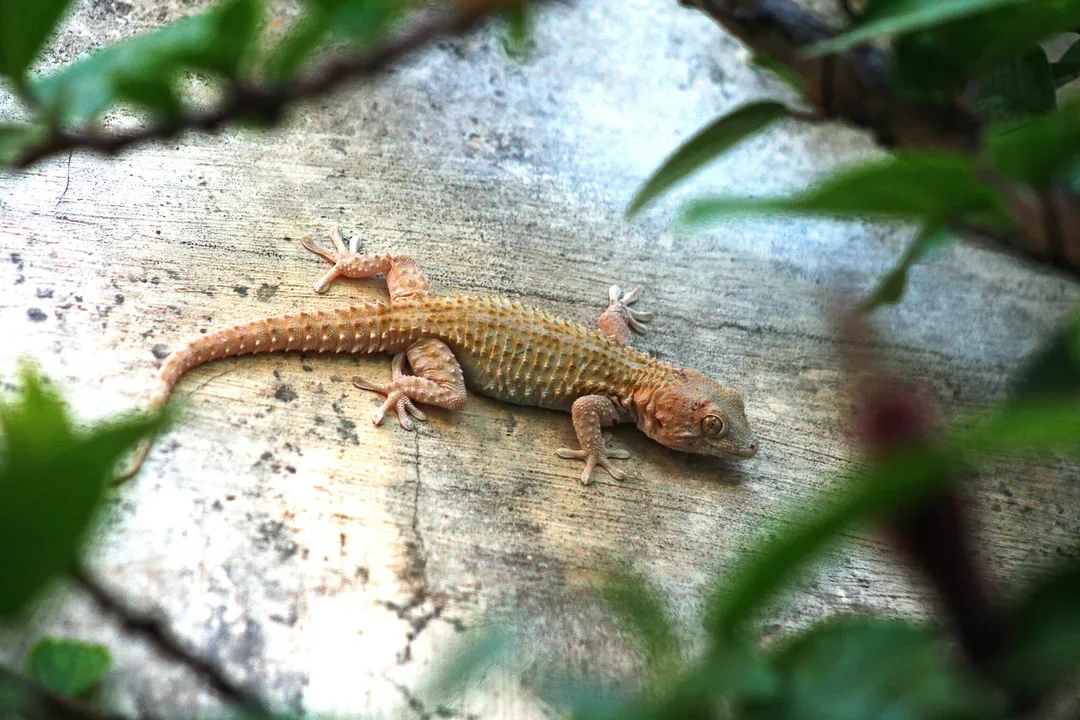
Perhaps the most immediate physical property of a lizard is its covering: skin covered in scales. [4][9] Unlike the skin of mammals, this reptilian integument is dry and covered in keratinized scales. [4] These scales are not uniform across all species; they exhibit immense variation in shape, size, and arrangement, which directly relates to the lizard’s environment and lifestyle. [1]
Some lizards, like many geckos, possess very fine, granular scales that fit together tightly, sometimes giving the skin a velvety appearance. [1] Conversely, other species, such as iguanas or monitors, sport much larger, overlapping scales that offer robust physical armor against predators or rough terrain. [1][2] Beyond the epidermis, some lizards possess specialized bony deposits embedded within the skin, known as osteoderms, which provide substantial protection. [4] Consider the Gila monster, for instance, whose skin is covered in bead-like scales that are actually fused osteoderms, creating armor that is both tough and visually striking. [1]
This skin must be periodically replaced to allow for growth, a process known as shedding or ecdysis. [9] The mechanism varies; some lizards shed their skin in large pieces, while others slough it off in one continuous piece, like taking off a sock. [9] This shedding process is critical, as the skin cannot stretch indefinitely. [9]
# Limb Variance
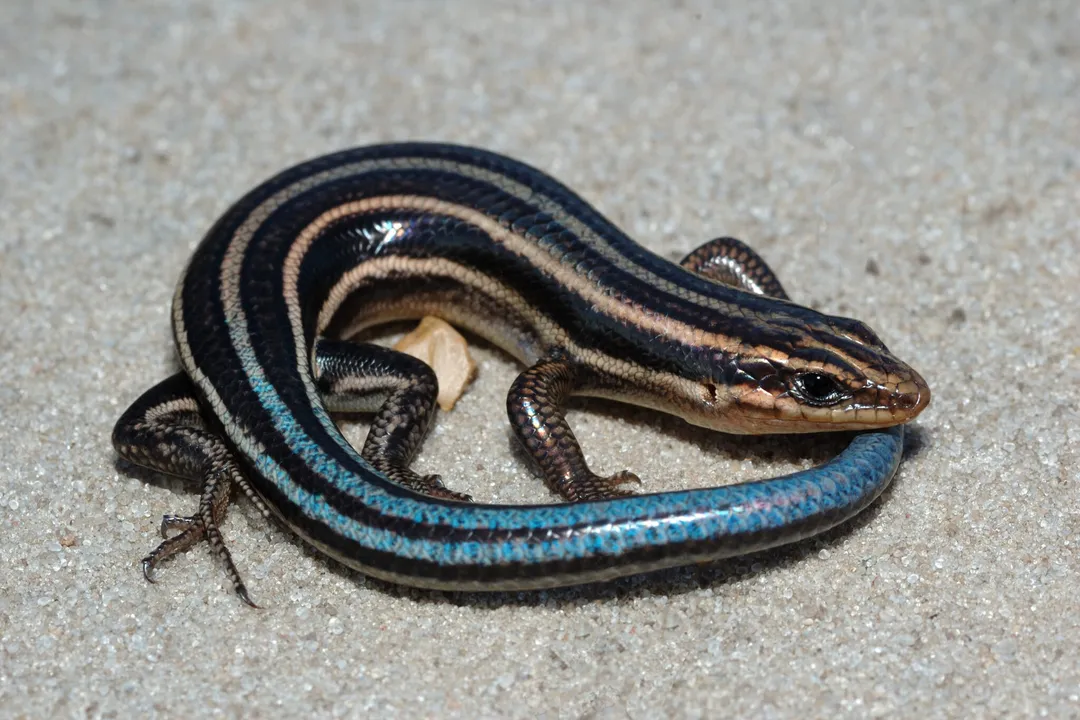
The standard blueprint for a lizard includes four well-developed limbs used for walking, running, climbing, and swimming. [1][6] These limbs are typically positioned to the side of the body, resulting in the characteristic sprawling gait seen when many lizards move. [5] This sprawling posture, while effective for quick bursts of speed, is less efficient for sustained long-distance running compared to the upright stance of mammals. [5]
However, the definition of a lizard cannot strictly rely on the presence of four legs, because evolution has produced a fascinating subset of species that are entirely limbless. [1][6] Legless lizards, such as the slow-worm or certain glass lizards, have evolved serpentine bodies, looking superficially like snakes. [6][9] Despite this convergent evolution in appearance, they remain technically lizards because they retain other key lizard features, such as movable eyelids and external ear openings, which snakes lack. [1][5] Looking closely at the fossil record or even some modern skinks, you can often find remnants of reduced limb bones, offering physical evidence of where their ancestors once had fully formed legs. [1] If you are observing a fast-moving lizard in a scrubland environment, note how the limbs are positioned—the lateral undulation they employ is a direct result of the way their hip and shoulder girdles are attached to their vertebral column, distinct from many other tetrapods. [5]

# Sensory Features
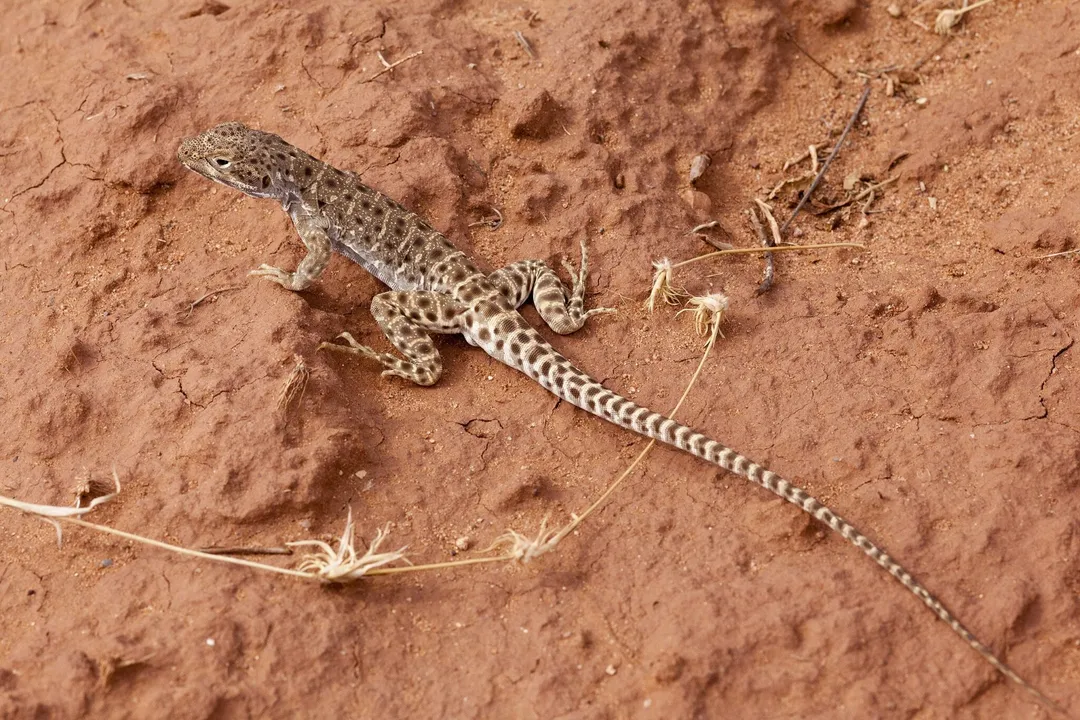
The physical arrangement of sensory apparatuses is a key differentiator for lizards when compared to snakes. [1] A primary feature confirming a reptile is a lizard, rather than a snake, is the presence of movable eyelids. [1][5][6] These lids allow the lizard to blink and protect the eye from debris or excessive dryness. [1][5] Furthermore, lizards generally possess external ear openings, called tympanums, which are visible as a flap or opening on the side of the head. [1][5][6] While snakes lack these external openings, nearly all lizards possess them, regardless of whether they are aquatic or terrestrial. [1]
Their vision is often excellent, crucial for detecting both prey and predators, especially in diurnal species. [2] Many lizards also possess a parietal eye, sometimes called a "third eye," located on the top of the head. [9] While this structure does not form images, it is sensitive to light and dark changes, believed to help the lizard regulate body temperature or detect overhead predators, acting as a simple light sensor. [9]
# Caudal Structure
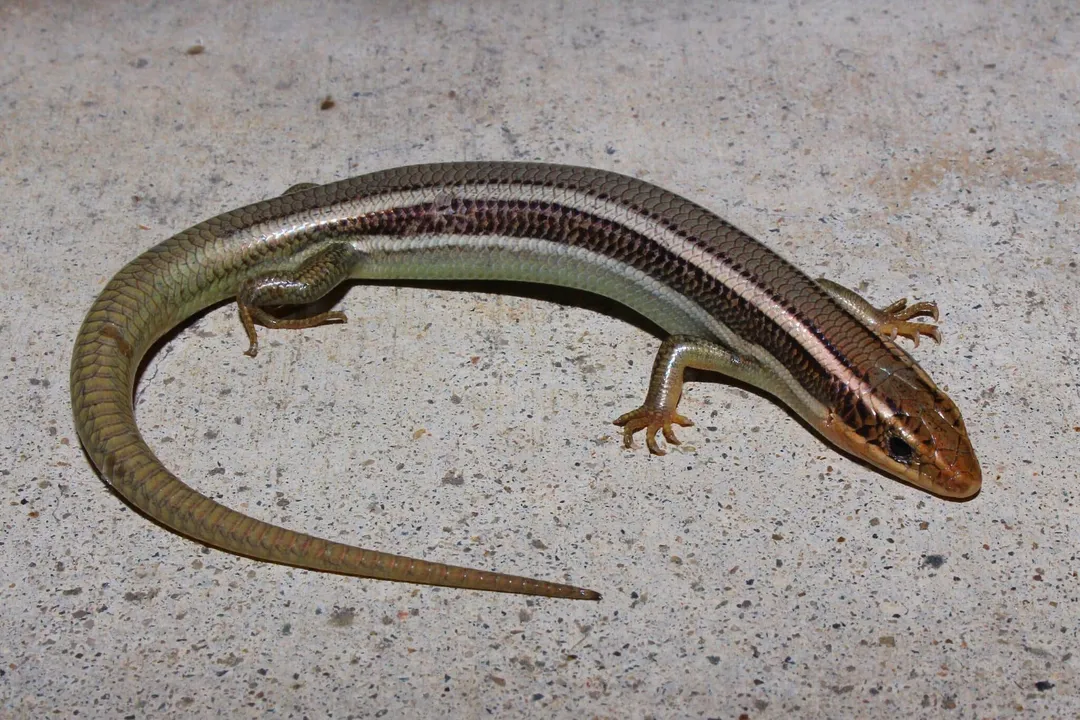
The tail, or caudal appendage, is another prominent physical feature, often making up a significant portion of the lizard's total body length. [6][9] While the tail is essential for balance—acting as a counterweight during running or climbing—its most dramatic physical property is its capacity for autotomy. [1][6]
Autotomy is the process of deliberately shedding the tail when grasped by a predator. [1][6] This defense mechanism works because the severed tail continues to twitch violently, distracting the attacker while the lizard escapes. [1] Physically, the regenerated tail that grows back is never identical to the original. [6] The original tail contains true bone vertebrae, but the replacement grows back as a cartilaginous rod, often appearing slightly different in texture, color, or thickness. [6] This trade-off means the lizard sacrifices a perfectly balanced, fat-storing appendage for immediate survival. An animal that has autotomized multiple times may carry several shorter, regenerated tail sections, which can subtly alter its center of gravity and overall agility over time. [1]

# Size Spectrum
The physical properties of lizards are perhaps best exemplified by their staggering range in size. [1] They are not confined to a single physical scale, spanning from the minute to the massive. [2][9] On one end of the scale, you find species like the Sphaerodactylus ariasae, the Dwarf Gecko, which measures just about half an inch long when fully grown. [1][2]
On the other extreme are the large monitor lizards, such as the Komodo dragon (Varanus komodoensis), which can exceed ten feet in length and weigh hundreds of pounds. [1][2][9] This massive size difference necessitates huge variations in internal structure, circulatory needs, and metabolic rates, even though both the tiniest gecko and the largest monitor share the fundamental characteristics of scales, eyelids, and ectothermy. [4]
# Thermal Dependence
Lizards are ectotherms, often colloquially—though imprecisely—referred to as cold-blooded. [4][5] This is a critical physical property because it dictates almost every other aspect of their behavior and morphology, as their internal body temperature is directly dependent on the external environment. [4][5]
Physically, this means their internal systems—digestion, muscle function, and heart rate—slow down significantly when temperatures drop, rendering them sluggish and vulnerable. [4] Conversely, they need mechanisms to absorb heat efficiently when active. This explains the prevalence of dark pigmentation in many species, which allows for faster solar radiation absorption. [4] Observing lizards in nature, you will often see them employing specialized postures—flattening their bodies against a warm rock (basking) or orienting their bodies perpendicular to the sun's rays—all to modulate their internal physical state. [4] This absolute reliance on ambient heat sets a fundamental limit on where lizards can thrive; you will not find them establishing permanent populations in climates that remain consistently cold. [4]

# Teeth and Jaw
While not always visible unless the mouth is open, the dental structure is a key physical property tied to diet. [2] Lizards generally possess teeth that are all similar in shape (homodont) and are set in sockets along the jawline. [2] Their teeth are designed primarily for gripping and holding prey, rather than sophisticated shearing or grinding. [2]
For example, herbivorous lizards often have teeth better suited for tearing plant matter, whereas insectivores have sharp points for impaling beetles. [2] The musculature and structure of the jaw also reflect this specialization. A carnivore might have a larger gape and stronger adductor muscles for crushing, whereas a slender, smaller lizard eating soft insects will have a lighter, less powerful jaw structure. [2]
If we summarize these key attributes, the lizard is defined by a reptilian package featuring scaly skin, external ear openings, eyelids, and, usually, four limbs and a tail capable of autotomy. [1][5][6] Their physical form is a highly adaptable design that permits them to occupy niches ranging from arid deserts to humid rainforests, all while managing their body temperature through external physical interaction. [4]
Related Questions
#Citations
Lizard - Wikipedia
Lizard Characteristics, Habitat & Types - Study.com
Physical features of lizards | Britannica
Description and Physical Characteristics of Reptiles - All Other Pets
Lizard facts | Amphibians & Reptiles - BBC Earth
[PDF] Lizard Facts - Tohono Chul
[PDF] What Is A Lizard - City of Jackson MS
In your yard: lizards - Welcome Wildlife
Lizard - Characteristics, Types, Reproduction and Lifecycle - Vedantu