What is the physically strongest snake?

The debate over which snake possesses the title of the most physically powerful often boils down to how one defines "strongest." Is it sheer, overwhelming muscle mass capable of crushing the largest prey, or is it strength relative to body size? When we look at the absolute power needed to subdue large mammals or exert incredible pressure, the conversation invariably turns toward the massive constrictors of the world. These serpents do not rely on venom; their dominance comes from their musculature, allowing them to wrap around prey and squeeze until respiration ceases or the heart stops beating.
# Constriction Power
The mechanics of snake constriction are fascinating studies in biological engineering. A constrictor wraps its body around its victim, and upon exhalation by the prey, the snake tightens its grip, preventing the victim from inhaling again. Contrary to a common misconception, the snake does not typically break bones; the constriction is aimed at cutting off blood flow and preventing breathing. The power comes from specialized muscle groups that allow for rapid, intense tightening of the coils. For an animal lacking limbs, the sheer force generated through muscular contraction is staggering.
A simple comparison can help illustrate the scale of this power. If one were to map the pressure exerted by a large snake, similar to how blood pressure is measured, it would show forces far exceeding what a human could withstand. While exact, universally agreed-upon pressure figures for the largest species are hard to establish due to the difficulty of conducting such measurements in the wild, the visual evidence of their strength in capturing animals vastly larger than their own heads speaks volumes.
# Green Heavyweight
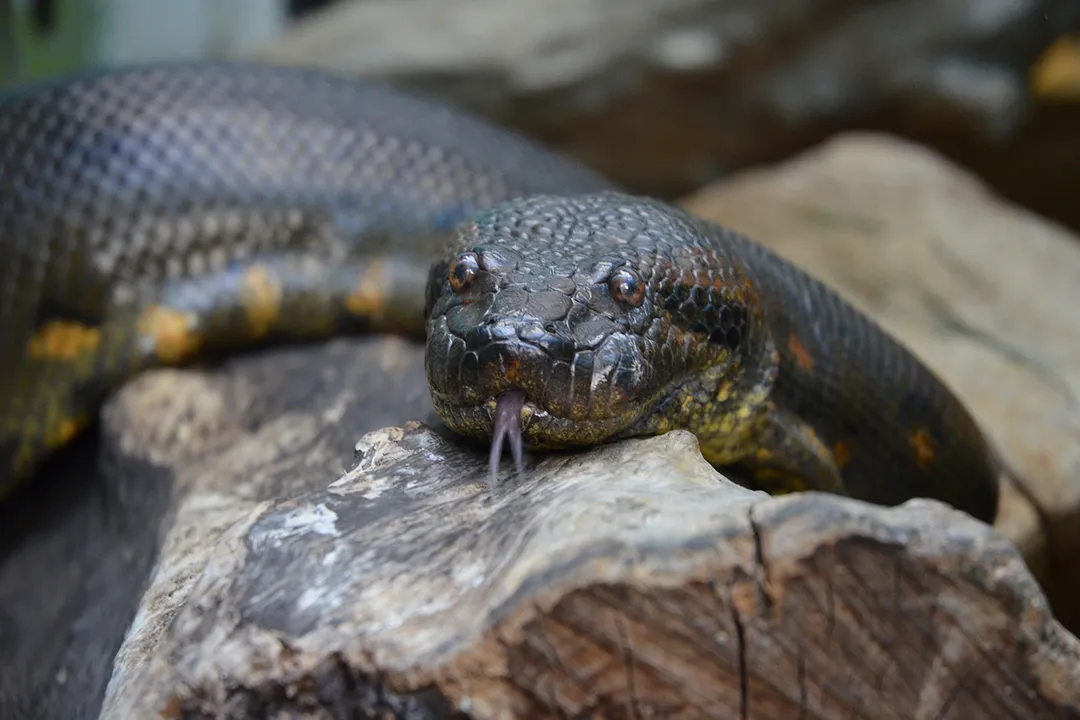
When absolute strength is the metric, one creature stands above the rest: the Green Anaconda (Eunectes murinus). Found in the swamps and slow-moving streams of tropical South America, the Green Anaconda is not necessarily the longest snake in the world—that title often goes to the Reticulated Python—but it is overwhelmingly the heaviest and most massive. This incredible bulk translates directly into supreme physical strength. Anacondas are known to be capable of subduing caimans and capybaras, animals that are substantial in size and weight.
The sheer mass of a mature Green Anaconda is what makes it so formidable. While some pythons might reach greater lengths, the Anaconda’s girth and density contribute to its unparalleled crushing power. If you consider strength as the total force exerted, the Anaconda is generally recognized as the champion. Footage documenting large anacondas in captivity, such as those held at zoos, clearly showcases the immense muscular development required to even move their own massive bodies, let alone constrict struggling prey.
Imagine an adult Green Anaconda; it can weigh over 440 pounds and exceed 20 feet in length. The strength needed to wrap those massive coils around a large animal, especially one actively fighting back, requires a level of raw power that few other reptiles can match. The muscle fibers in these snakes are configured to deliver a sustained, crushing grip that is incredibly difficult to escape once fully applied.
# Python Comparison
The other primary contender in the heavyweight division is the Reticulated Python (Malayopython reticulatus). These snakes are famous for being the longest in the world, sometimes exceeding 25 feet. While they are incredibly powerful, they often prioritize length and speed in securing prey, whereas the Anaconda seems built for sheer, slow-rolling, overpowering strength due to its superior girth and weight.
The difference between these two giants offers an interesting comparison in evolutionary strategy. The Python, being more slender for its length, relies on speed and length to secure a grip that effectively wraps around the prey multiple times, creating a tight snare. The Anaconda, however, can rely on its overwhelming body weight and thickness to subdue prey quickly through sheer compressive force. If a hypothetical test were conducted measuring the absolute maximum pressure a snake could apply over a set area of contact, the massive girth of the Anaconda would likely give it the edge over the comparatively lighter-bodied python of similar length.
Here is a conceptual table contrasting the two giants based on their general physical reputation:
| Feature | Green Anaconda | Reticulated Python |
|---|---|---|
| Primary Strength Metric | Mass and Girth | Length and Wrapping Efficiency |
| Typical Record Length | ~20 feet | Over 25 feet |
| Weight Advantage | Significant (Heaviest snake) | Less bulky for similar length |
| Hunting Style Implication | Overwhelming compressive force | Rapid, multi-coil snare |
| Habitat | Aquatic/Swampy | Terrestrial/Arboreal |
# Strength by Weight
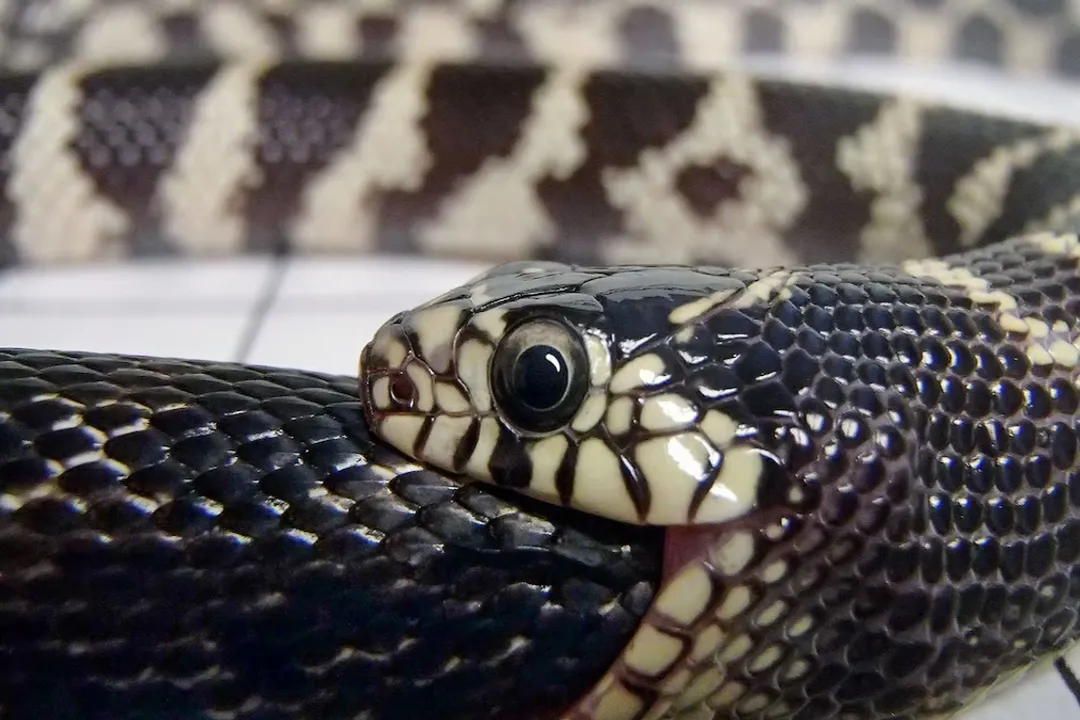
If the definition of strength shifts from absolute power to pound-for-pound capability, the strongest snake might surprise many observers. In this metric, the title is often awarded to the much smaller California King Snake (Lampropeltis getula californiae). This smaller species is renowned for its tenacity and relative power when measured against its own body weight.
King Snakes are known to occasionally prey on other snakes, including venomous species like rattlesnakes, which necessitates an exceptional level of strength and defense mechanisms to handle such dangerous quarry. Their ability to overpower and consume rivals that are themselves formidable predators highlights their impressive muscle-to-mass ratio. This concept of relative strength is crucial in understanding animal capabilities across different size classes. While a king snake cannot stop a capybara, it can generate internal constrictive forces far greater, proportionally, than the massive anaconda can generate relative to its own much larger frame.
This difference in scale is important for everyday ecology. The King Snake’s power is geared toward efficiently dispatching medium-sized prey or competitors, whereas the Anaconda's strength is scaled for megafauna, requiring immense physiological investment just to maintain that bulk.
# Deadly Contenders
While strength is one measure, lethality is another entirely, and the two do not always align. Some snakes are incredibly strong but possess weak or non-existent venom, while others are small and fast with potent toxins. Britannica's list of the world’s deadliest snakes includes species where venom toxicity, speed of strike, and quantity of venom are the key factors, not necessarily crushing power. For instance, snakes like the Inland Taipan or the Black Mamba are terrifyingly dangerous due to their neurotoxins, yet they are slight in build compared to an Anaconda.
A snake's "deadliness" is often context-dependent. A Black Mamba, slender and fast, poses a threat through venom delivery and speed, whereas a large Python or Anaconda poses a threat simply by wrapping around you. Understanding this distinction helps separate the strongest (physical constraint) from the most deadly (toxin delivery).
# Observing Strength In Action
Viewing live demonstrations or captive care videos often provides the best perspective on snake strength. When observing a very large snake, like an anaconda, being handled or fed, one can note the sheer muscular definition along its body. It requires significant coordination and specialized strength just for the snake to move its own weight across different terrains. This foundational strength is then amplified during a constriction event.
For those interested in the nuances of reptile behavior, observing how different species manage prey size is telling. A large boa constrictor might take down a deer, but the massive, deep coils and overwhelming weight of a mature anaconda suggest a different order of magnitude in static crushing ability. When observing a snake of any significant size, a good guideline is to always respect the immense muscular structure beneath the scales, understanding that their grip can increase exponentially with perceived threat or opportunity. When a large constrictor locks its coils, its entire body mass is converted into focused pressure, a feat of muscular contraction unmatched in many other animal groups. This is a physical reality that keepers and researchers must always respect, making proper, safe handling techniques a non-negotiable element of their care.
If you ever find yourself observing large constrictors, notice the difference in posture; the Anaconda often rests low, seemingly anchored by its weight, ready to spring into action with overwhelming force, while thinner, lengthier pythons might appear more coiled and ready for a swift, lengthy entanglement. This physical difference is an adaptation to their respective environments and typical prey profiles. The green anaconda's life in the water may also mean its strength is optimized for bursts of power against aquatic prey, where its weight provides instant leverage against buoyancy.
#Videos
We Caught the World's STRONGEST Snake Ft ... - YouTube
Africa's Most Dangerous Snakes (Full Episode) | Nat Geo Animals
Related Questions
#Citations
We Caught the World's STRONGEST Snake Ft ... - YouTube
What is the strongest snake in the world? - Quora
9 of the World's Deadliest Snakes | Britannica
r/todayilearned on Reddit: TIL the California King Snake is, pound ...
Green anaconda snake facts and habits - Facebook
Snake Kills Bigger Snakes With World's Most Powerful Squeeze
Green anaconda | Smithsonian's National Zoo and Conservation ...