What is the physical appearance of a lizard?
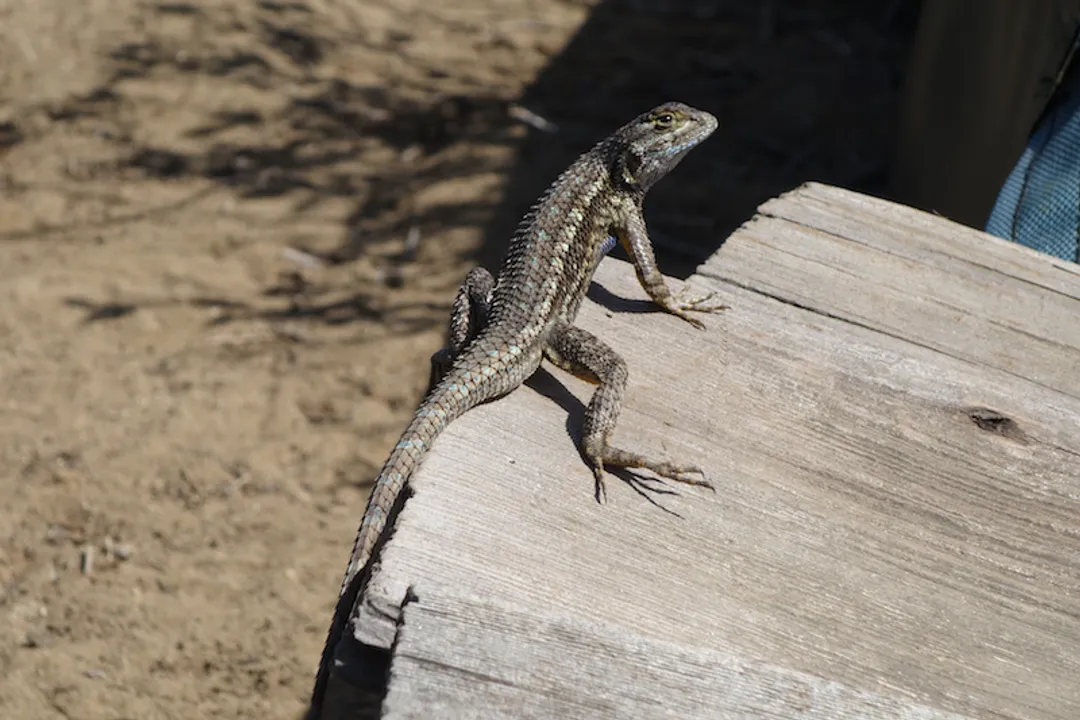
The visual world of lizards presents an astonishing array of forms, sizes, and textures, making generalizations about their appearance challenging. As a group of reptiles commonly referred to as Lacertilia, their physical characteristics are shaped by millennia of adaptation to nearly every terrestrial environment. [1][8] Most people recognize them as scaled, four-legged creatures, but this common image masks a biological group far more varied than a casual glance suggests. [1][2] Their appearance is dictated by their need to regulate temperature, evade predators, secure food, and blend into their specific surroundings. [2][5]
# Surface Texture
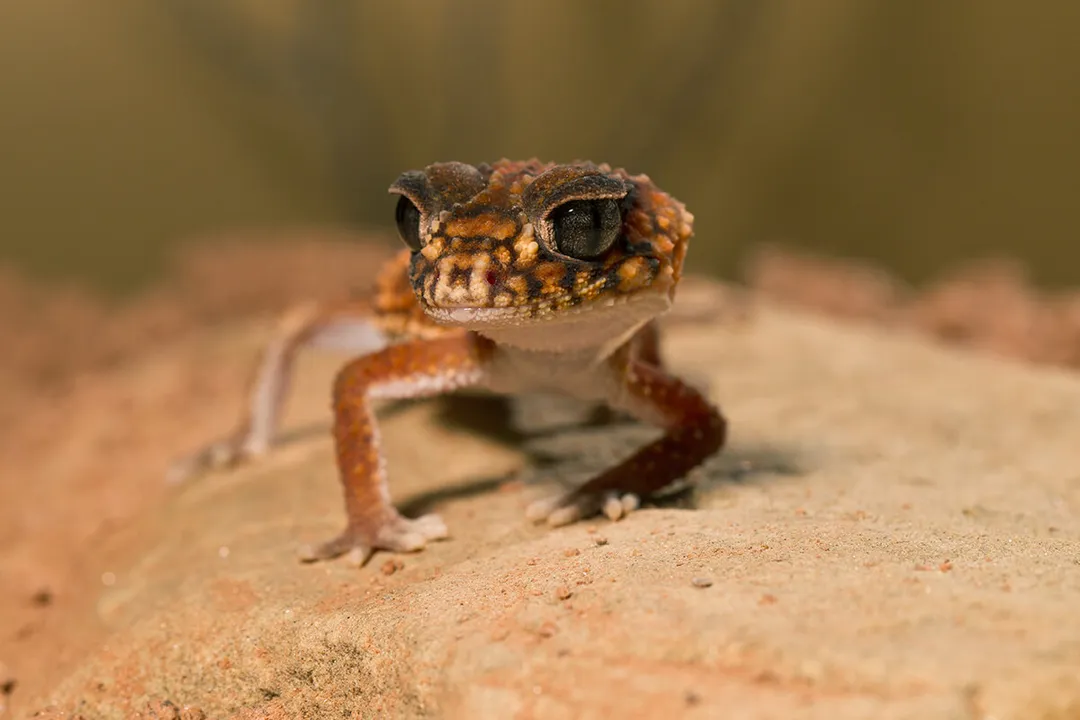
The most defining characteristic shared across most lizards is their covering of scales. [1][5] Unlike the smooth, moist skin of amphibians, lizard skin is typically dry and covered in these protective epidermal scales. [5] However, these scales are not uniform. They vary dramatically in size, shape, and arrangement depending on the species and its lifestyle. [1] Some species possess scales that are small and granular, almost like fine beads, while others have larger, overlapping scales, similar to those found on snakes. [1] Certain groups have scales that are strongly ridged, known as keeled scales, which can aid in grip or provide armor. [1]
A particularly interesting variation involves specialized dermal structures. While not always present in all lizards, some lineages, like the Gila monster, possess osteoderms—bony plates embedded within the skin that offer significant protection, giving the animal a beaded or bumpy feel. [1]
If you were to handle several different lizards, the difference in skin texture would be immediately noticeable. For instance, many desert-dwelling species have relatively smooth or fine scales that help minimize abrasion while burrowing or moving quickly over sand. [1] Conversely, arboreal species or those living among rough bark often sport rougher, more pronounced scale patterns that break up their outline against the substrate, aiding camouflage. [2] It is this tactile difference—the smooth versus the coarse—that often tells a story about how and where the lizard lives, more so than the color alone. [1][5]
# Body Profile
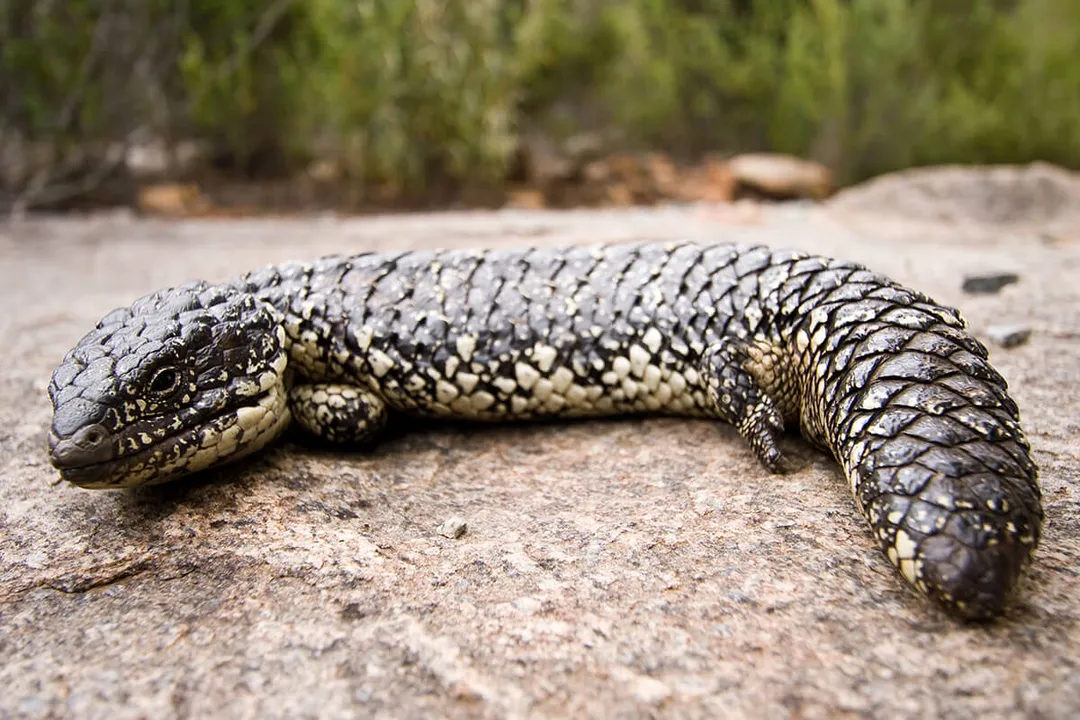
Lizards span an incredible spectrum of body plans. The sheer magnitude of size difference within the group is perhaps the most striking aspect of their physical reality. [1][8] On one end of the scale are geckos and skinks that can measure smaller than a postage stamp, perhaps weighing less than a gram. [2][8] On the other extreme sits the massive Komodo dragon, which can exceed three meters in length and weigh well over one hundred kilograms. [1][2]
Their overall shapes are equally diverse, reflecting specialization for different methods of movement and habitat use. [1] Some lizards are built low to the ground with a flattened, broad profile, perfect for sliding under rocks or logs. [1] Others, like many chameleons, possess laterally compressed bodies, which makes them appear thin from the front or back, aiding in camouflage among vertical stems. [1] Many species maintain a general, elongated body shape, often supported by a long tail. [8]

# Limbs and Appendages
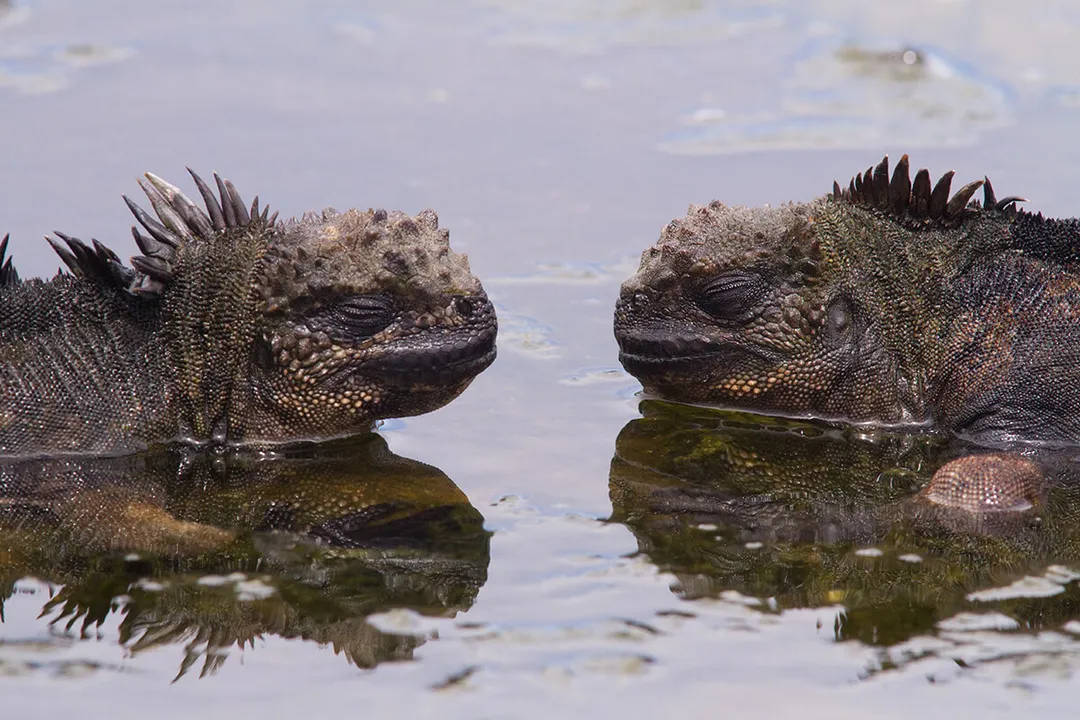
The default physical configuration for a lizard is having four well-developed limbs—four legs in total. [1][8] These limbs, which usually feature five toes tipped with claws or specialized pads (like those seen on geckos for climbing smooth surfaces), are used for walking, running, climbing, and digging. [1]
However, the lizard group famously includes numerous legless species. [1][8] This evolutionary trend, where limbs have been lost or severely reduced over time, results in creatures that look remarkably like snakes. [1][8] A key way naturalists distinguish these limbless lizards from true snakes is by looking for subtle physical markers: even if legs are absent, the lizard often retains remnants of a pectoral girdle (shoulder structure) internally, or possesses external ear openings and movable eyelids, traits generally lacking in snakes. [1][5]
The tail is another prominent feature, often being longer than the rest of the body combined. [1][8] This appendage serves multiple roles; in some species, it is a thick reservoir for stored fat and energy reserves. [1] For species that spend time in trees, the tail is essential for balance while leaping or navigating branches. [1] Furthermore, the tail is a major defensive feature. Many lizards exhibit autotomy, meaning they can voluntarily shed their tail if a predator grabs it. [1][8] The detached tail often wriggles independently, distracting the attacker while the lizard escapes. The lost tail generally regrows, although the replacement is usually cartilage-based and less perfectly segmented than the original. [1]
# Features of the Head
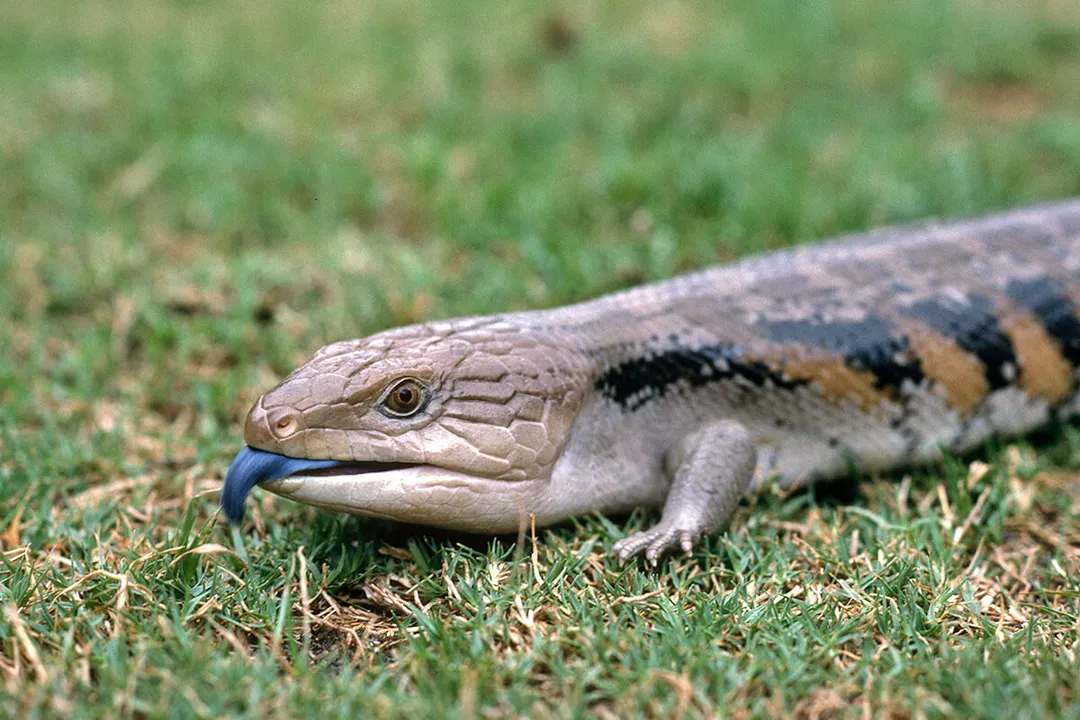
The head structure provides reliable indicators distinguishing lizards from other reptiles, particularly snakes. [1][5] Most lizards possess movable eyelids that they can close over their eyes for protection or while sleeping, a distinct difference from the fixed spectacle covering a snake's eye. [1][5][8] Additionally, most lizard species have external ear openings—small holes on the side of the head behind the eye—whereas snakes do not display these. [1][5][8]
The jaw mechanism is adapted for the varied diet. Lizards possess a kinetic skull, meaning the quadrate bone connecting the lower jaw to the skull is movable. [1] This flexibility allows them to open their mouths extremely wide to swallow prey items that can be surprisingly large relative to their own size. [1]
The tongue, a key sensory organ, shows significant specialization across the group. [1] While many lizards possess a tongue that is short and notched, others have evolved highly specialized versions. For example, chameleons are famous for their long, sticky, projectile tongues used to rapidly capture insects. [1] Iguanas and their relatives often have forked tongues, which they flick out to "taste" the air, a characteristic shared with snakes. [1]

# Coloration and Patterns
Lizard coloration is rarely arbitrary; it is deeply functional, serving as a visual tool for survival and communication. [2][5] The most common function is camouflage, where complex patterns of browns, greens, grays, and blacks help the lizard merge perfectly with bark, leaf litter, or rocky terrain. [2]
Color can also serve an aposematic, or warning, function. Bright, vivid colors—like the blues, reds, or oranges seen on some species—often signal to potential predators that the lizard is venomous or distasteful. [2][5] In some instances, a lizard might display a brightly colored dewlap, a flap of skin under the throat, which is extended rapidly during territorial disputes or courtship displays. [1]
Perhaps the most famous visual trick is active color change, most highly developed in chameleons. [1][2] While we often think this is purely for camouflage, chameleons primarily shift color to regulate body temperature or display emotional states, such as aggression or submission, rather than merely matching a background. [2] While chameleons are masters of this, many other lizard groups, like anoles, can also make rapid, though generally less dramatic, color adjustments in response to environmental changes or stress. [1] Observing the combination of scale texture, body profile, and vibrant or muted colors provides a complete snapshot of a lizard's appearance and its environmental role. [1][5]
Related Questions
#Citations
Lizard - Wikipedia
Lizard | San Diego Zoo Animals & Plants
Physical features of lizards | Britannica
Common Lizard - Froglife
Description and Physical Characteristics of Reptiles - All Other Pets
Lizards - Cabrillo National Monument (U.S. National Park Service)
[PDF] Lizard Facts - Tohono Chul
Lizard Characteristics, Habitat & Types - Study.com
What does a lizard typically look like? - Quora