What are the characteristics of the Eudyptes?
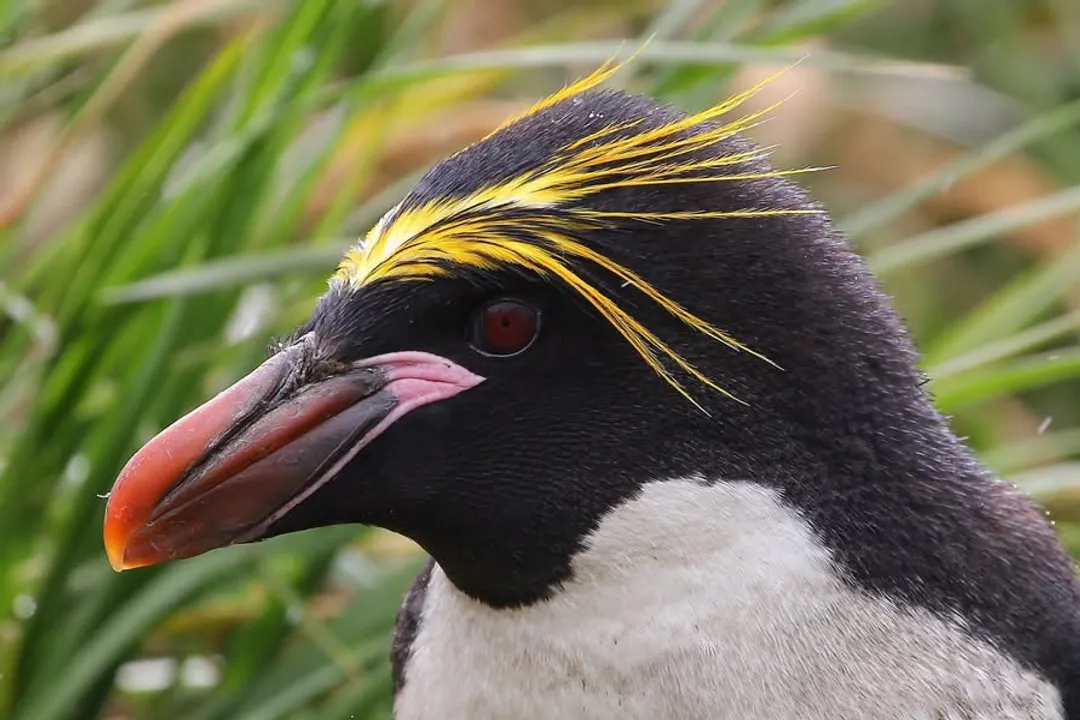
The group of penguins known collectively as the crested penguins, belonging to the genus Eudyptes, presents some of the most visually striking birds in the entire avian world. These are not the universally recognized black and white tuxedo birds of the Antarctic continent; rather, they possess a distinctive flair that sets them apart, making identification often easier, though sometimes challenging when species look very similar. The defining characteristic that grants them their common name is the elaborate, ornamental plumes of yellow or orange feathers sprouting from above their eyes. [1][8] This genus encompasses several species, all sharing this general morphological trait, though the arrangement and color saturation of the crests vary significantly between them. [3]
# Genus Naming
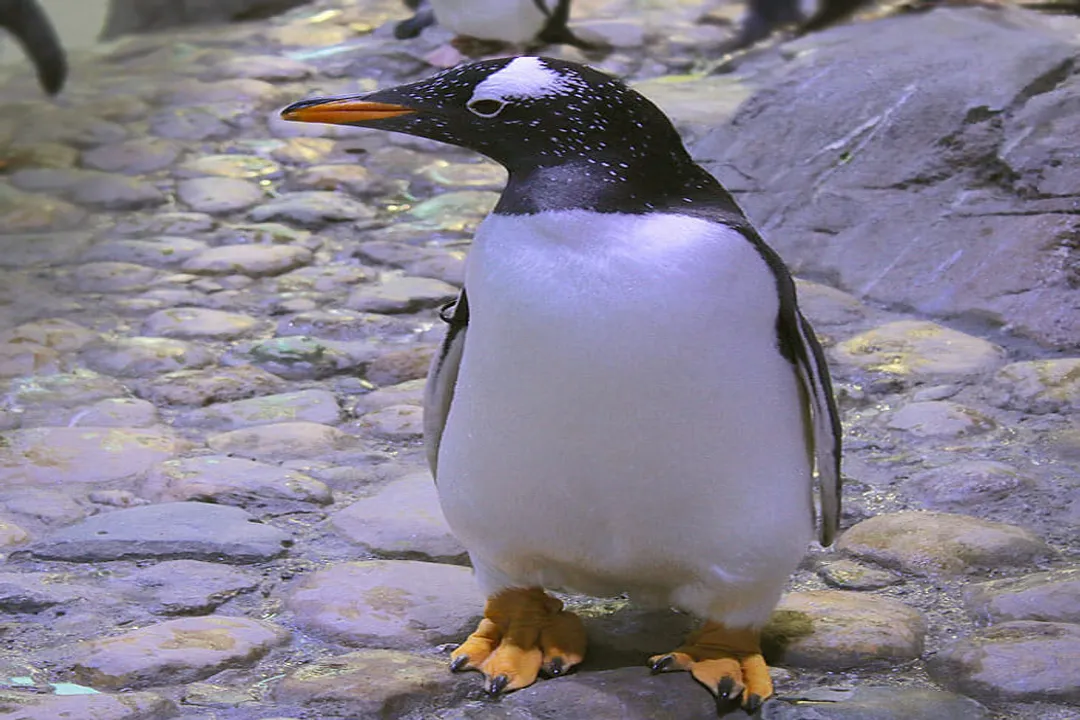
The scientific name Eudyptes itself offers a clue to their appearance, deriving from the ancient Greek word eudyptes, which translates roughly to "good diver" or "good swimmer". [3] This nomenclature speaks to their essential adaptation for marine life, emphasizing their efficiency in the water column where they spend the majority of their lives hunting. [4] While their appearance is flamboyant on land, their streamlined bodies and powerful flippers are optimized for swift movement beneath the waves. [3]
# Plume Variation
The crests are the hallmark, but they are far from uniform across the genus members. For instance, the Macaroni penguin is famous for its dense, bright orange-yellow crests that meet at the forehead. [1] In contrast, the Royal penguin, sometimes considered a subspecies of the Macaroni, has crests that start near the eyes and extend back, often appearing slightly paler or more separated. [8] The Fiordland penguin, or Tawaki, sports shorter, yellowish-white plumes that are somewhat sparse, often accompanied by white stripes running from the eye toward the bill. [2] These variations in crest structure, length, and color saturation are critical for species recognition, especially since many inhabit overlapping or closely situated subantarctic island chains. [1] Observing the exact attachment point and density of the feathers, rather than just their color, can often be the key differentiator between similar species like the Macaroni and Royal penguins. [8][1]

# Physical Stature
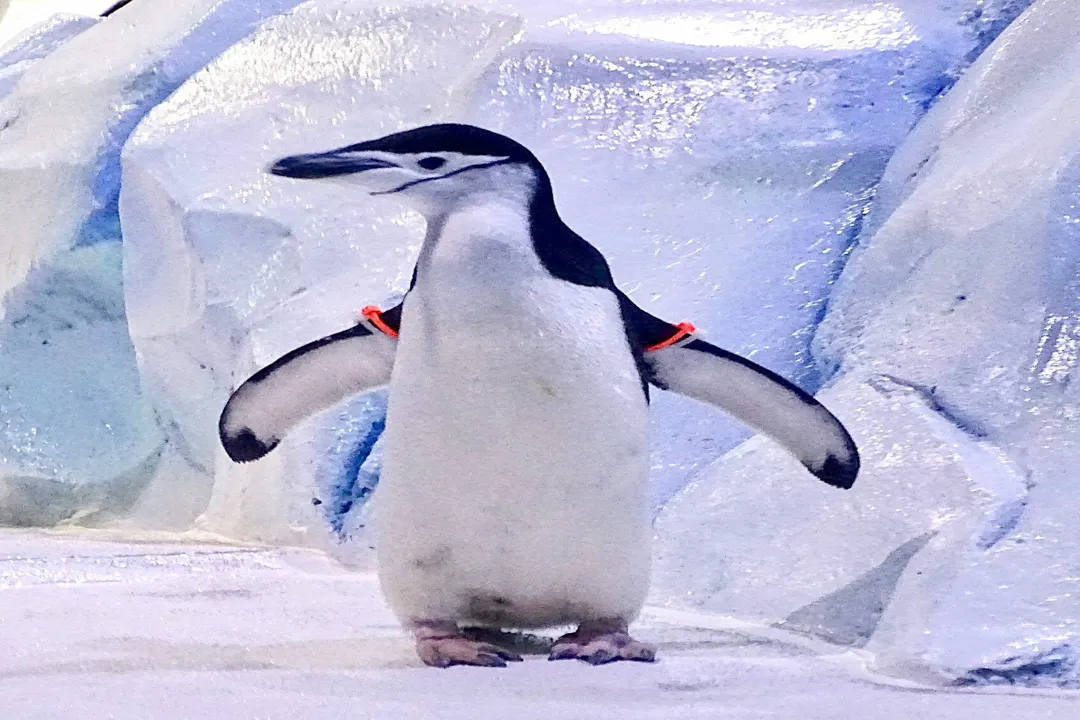
Crested penguins generally fall into a medium-to-large size bracket when compared to all penguin species. They are typically larger than the small fairy penguins but notably smaller than the great Emperors or Kings. [3] While exact measurements vary by species, most members of Eudyptes stand somewhere between 50 and 70 centimeters tall. [1] The Fiordland penguin, for example, typically measures around 55 centimeters in height. [2] Their weight fluctuates significantly depending on the season, particularly prior to breeding or molt, where they must maximize fat reserves for periods of fasting on the colony. [3] They possess the characteristic blue-gray back and blackish head/throat, contrasting sharply with their white undersides, a classic example of countershading that aids camouflage in the ocean. [2][4]
# Habitat Range
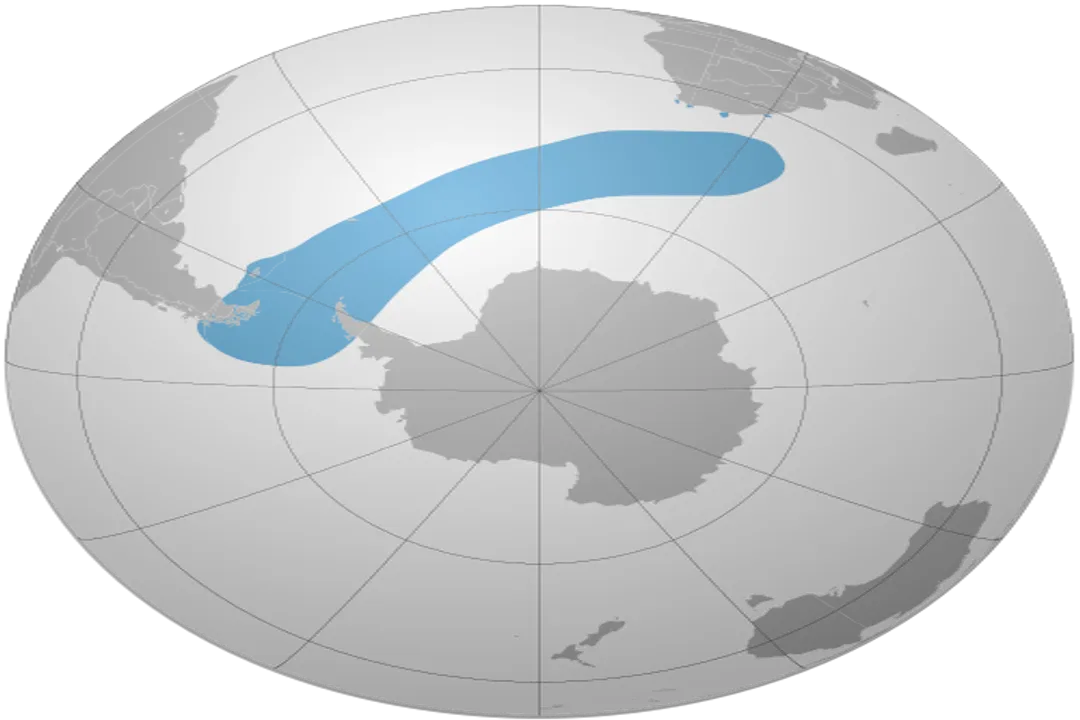
Unlike several other penguin groups restricted to the Antarctic pack ice or the temperate coasts of South America/Africa, the Eudyptes genus is primarily associated with subantarctic islands and the cooler, temperate regions surrounding New Zealand. [1][4] This geographical separation means their environment is often characterized by colder waters but significantly less harsh sea ice conditions than those faced by Emperor penguins. [8]
Specific ranges include:
- Macaroni Penguins: Breaching the Antarctic Convergence, found across various subantarctic islands like South Georgia and the Kerguelen Islands. [1]
- Fiordland Penguins (Eudyptes pachyrhynchus): Restricted to the southwest coast of New Zealand's South Island and nearby small islands. [2] This restricted range makes conservation efforts highly focused on protecting specific coastal nesting sites. [2]
Their reliance on specific island ecosystems means that any disruption to these isolated breeding grounds—whether through introduced predators or climate change affecting their food supply—can have an outsized impact on the entire population. [4]

# Feeding Ecology
As noted by their genus name, crested penguins are accomplished divers and efficient foragers. [3] Their diet consists primarily of small marine life, a mixture heavily weighted toward crustaceans, though they also consume fish and cephalopods like squid. [1][2] For the Fiordland penguin, the diet is predominantly crustaceans, especially krill, supplemented by small fish and squid. [2]
Their foraging strategy involves diving to significant depths to pursue prey. While specific maximum depths vary, penguins in general are known for their physiological adaptations allowing extended dives, utilizing oxygen stores efficiently during these underwater hunts. [3] The success of the breeding season is directly tied to the availability of these prey items in the nutrient-rich subantarctic waters surrounding their nesting islands. [4] When the plankton blooms support large numbers of krill, populations thrive; conversely, shifts in ocean temperature can push prey further offshore or deeper, forcing longer, more energy-intensive foraging trips for the adults returning to feed their chicks. [2]
# Life Cycle and Nesting
Crested penguins exhibit fascinating, yet often competitive, breeding behaviors on land. Most species are ground-nesting, though the precise location can differ significantly, contributing to the diversity of their ecological niches. [1]
The Fiordland penguin offers a good example of terrestrial nesting within this group. These Tawaki create nests in dense forest undergrowth, often hidden beneath ferns or fallen logs. [2] They lay two eggs, but a common phenomenon observed across many crested species occurs here: the smaller chick, usually the second one hatched, frequently starves because the parents prioritize provisioning the larger, stronger first chick—a difficult but ecologically common strategy to hedge against uncertain food supplies. [1][2]
In contrast, some of the more populous species, like the Macaroni, often nest in much larger, denser colonies on exposed, rocky slopes or open ground, sometimes closer to the shore. [1] Despite the density, aggression within the colony can be high, particularly around limited nesting space. [3] Courtship rituals are often highly visual, relying heavily on the display of those spectacular crests, involving head-shaking and synchronized calls to attract a mate and reaffirm pair bonds. [1]
# Distinguishing the Members
Understanding the characteristics of the genus requires recognizing the individual species that make up the Eudyptes group. While there are minor taxonomic debates regarding subspecies classification, the following are generally recognized members:
| Species Name | Key Identifying Feature | Primary Location Type |
|---|---|---|
| Macaroni Penguin (E. chrysolophus) | Thick, bright orange-yellow crest meeting at the forehead. [1] | Subantarctic Islands |
| Royal Penguin (E. schlegeli) | Pale, almost white face/chin; orange-yellow crests. [8] | Macquarie Island (Endemic) |
| Fiordland Penguin (E. pachyrhynchus) | Sparse, drooping yellowish crests; white eyebrow stripes. [2] | New Zealand (South Island coasts) |
| Snares Penguin (E. robustus) | Robust bill; crests start further back from the eyes. [1] | Snares Islands, New Zealand |
| Erect-crested Penguin (E. sclateri) | Crests stand stiffly upright and separated, often appearing less dense. [1] | Bounty and Antipodes Islands |
It is interesting to note that the Royal penguin is sometimes treated as a subspecies of the Macaroni, yet its distinct pale facial coloration provides a clear visual break when the two species are found near each other on Macquarie Island. [8] This illustrates a pattern common in island speciation: slight ecological differences leading to observable, stable visual traits.
# Adaptations Beyond the Crest
While the crest is visually arresting, the true success of the Eudyptes genus lies in adaptations beyond mere plumage. The structure of their skulls and bills, for instance, must be strong enough to handle struggling prey like squid, yet refined enough to filter out seawater efficiently. [2] The Fiordland penguin’s bill structure is robust relative to its size, supporting its varied diet of hard-shelled crustaceans alongside softer prey. [2] Furthermore, their ability to successfully breed in temperate, predator-rich environments (compared to their Antarctic cousins) suggests a high degree of behavioral adaptation, such as selecting dense forest cover for nest security. [2] This reliance on specific, often limited, terrestrial environments highlights a significant vulnerability; unlike penguins that can retreat to vast ice sheets, these species are tethered tightly to fragile coastal habitats. [4] A simple change in sea temperature affecting krill distribution miles offshore can translate to starvation in the nest because the parents lack the energetic buffer available to more widely ranging species. This tight coupling between localized food source and fixed nesting site represents an inherent ecological risk for the genus as a whole.
Ultimately, the Eudyptes penguins are defined by the juxtaposition of the absurdly decorative—their magnificent crests—and the intensely practical—their powerful diving ability and specialized foraging behaviors required to sustain life on often harsh, isolated subantarctic shores. [3][4] They serve as excellent indicators of the health of these cooler, temperate Southern Ocean ecosystems.
Related Questions
#Citations
Crested penguin - Wikipedia
Eudyptes pachyrhynchus (Fiordland penguin) - Animal Diversity Web
Eudyptes or crested penguins - Pinguins info
Crested Penguins (Genus Eudyptes) - iNaturalist
What are the characteristics of the macaroni penguin species?
The penguin genus: Eudyptes - PenguinWorld
Crested penguin | bird genus | Britannica
The Penguins - Polk Penguin Conservation Center - Detroit Zoo