What are the characteristics of the Tibetan fox?
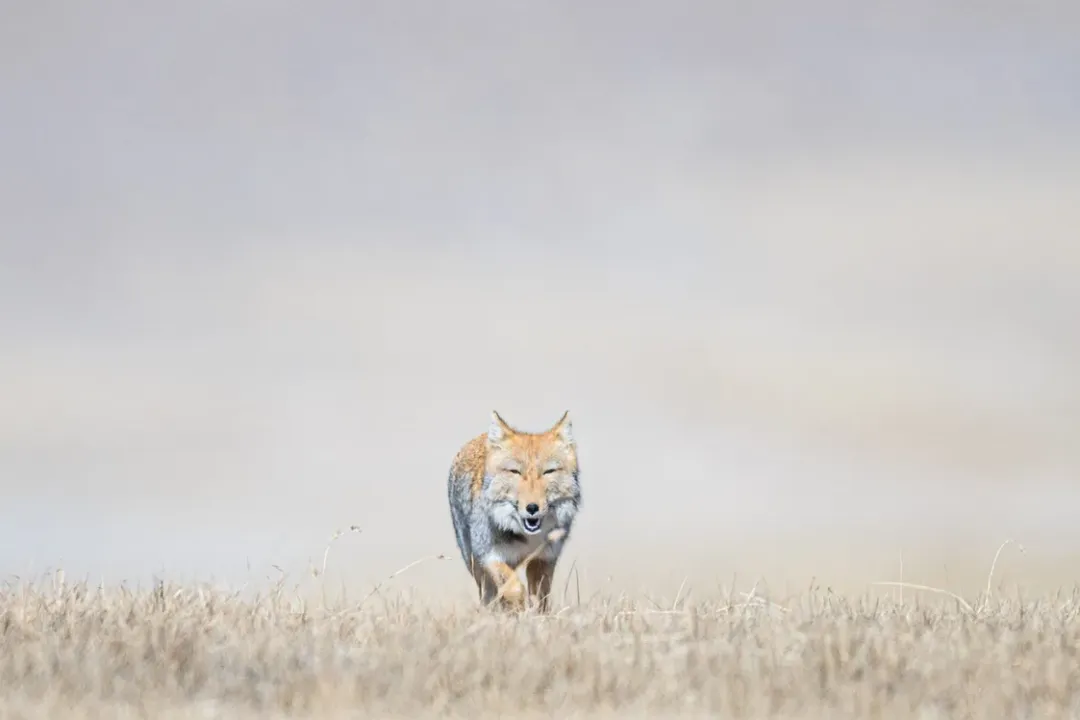
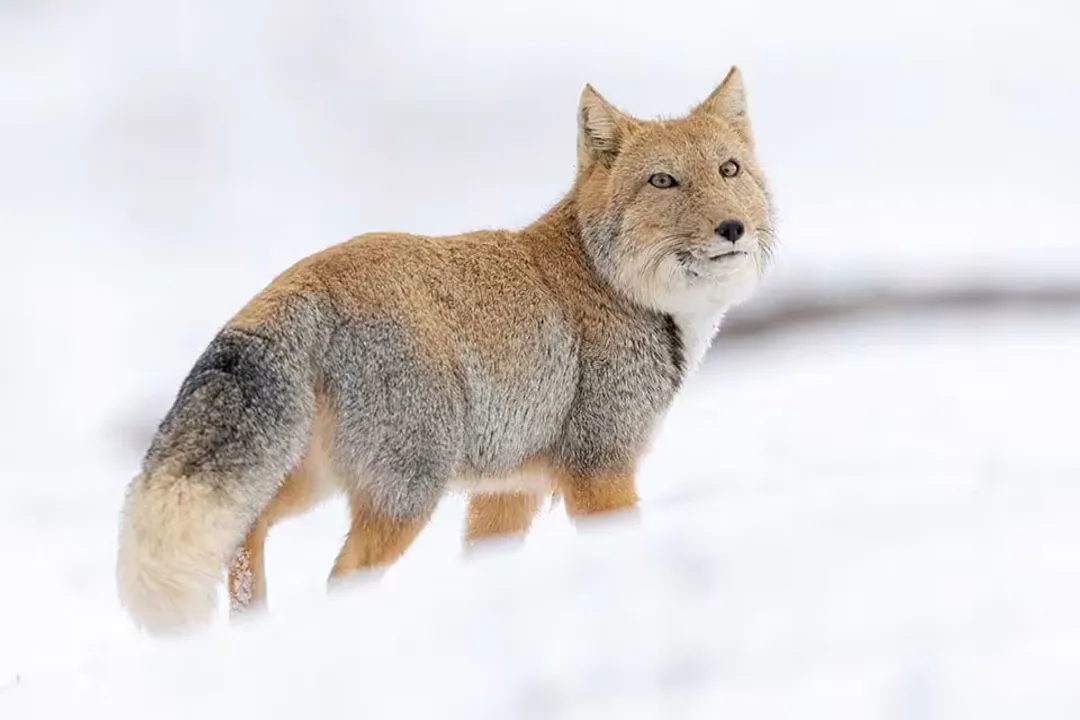
The Tibetan fox, Vulpes ferrilata, presents a fascinating study in specialized adaptation, immediately distinguishable by its unique physical presentation. Its overall size is modest, placing it squarely in the medium range for foxes, with adults typically measuring between 25 to 30 inches from head to tail base. [3] The fur is notably thick and shaggy, a necessary insulation against the severe cold of its high-elevation habitat. [1][6] Coloration is key to identification: the back and upper parts lean toward a reddish-brown or grayish-yellow hue, contrasting sharply with the lighter, grayish-white fur covering the belly and flanks. [2][3][8] Unlike some of its more common relatives, the Tibetan fox features a relatively short, pointed muzzle and a bushy tail, often tipped with white. [2][3] Observers frequently note the dark coloration on the back of its ears, a small detail that adds to its distinct silhouette. [3] These features combine to create an animal perfectly suited for life on the open, often windswept plains it inhabits. [8] A typical adult generally weighs in the range of 4 to 5.5 kilograms. [3]
# High Altitude Home
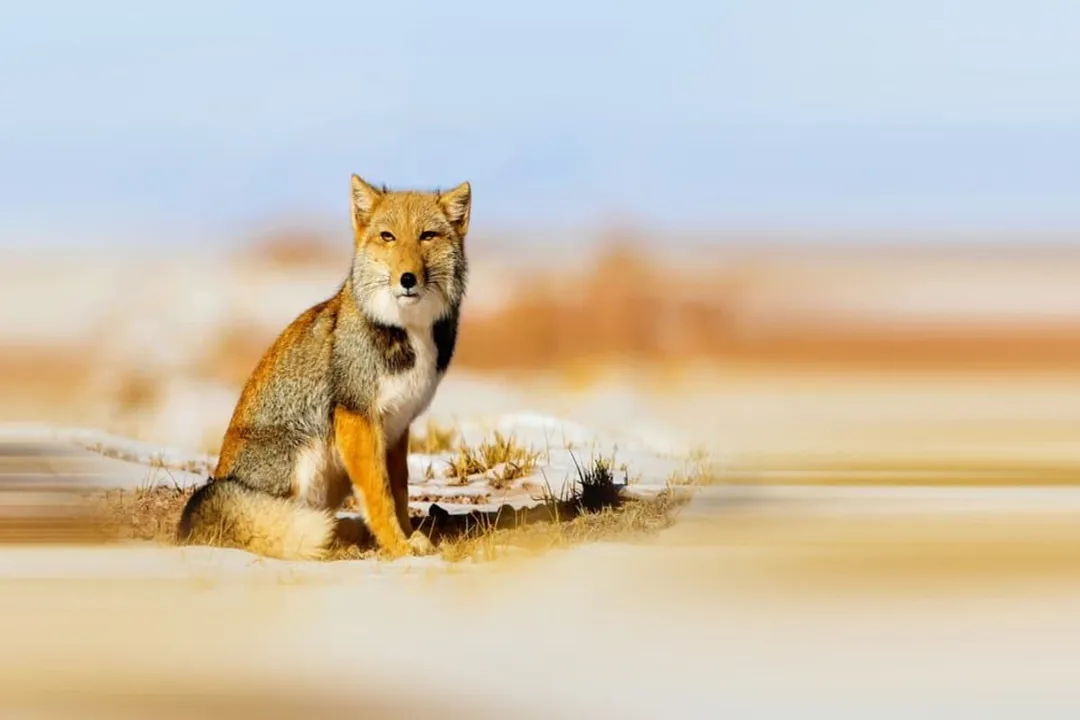
The geographic range of the Tibetan fox is severely restricted, making it a creature intrinsically linked to a very specific biome. It exclusively inhabits the high-altitude steppes and plateaus of the Tibetan Plateau and the Ladakh region of India. [1][7][2][6] This environment is characterized by extreme conditions, with elevations regularly spanning from about 2,500 meters all the way up to 5,300 meters (approximately 8,200 to 17,400 feet) above sea level. [1][6] While their primary distribution centers on China and Tibet, their range also extends into areas of India, Nepal, and Bhutan. [2] This reliance on high-elevation terrain means they thrive in open, arid, or semi-arid grasslands where visibility is generally good. [2]
Considering the harshness of this environment—characterized by low oxygen, intense UV radiation, and drastic temperature swings—the Tibetan fox’s residency here speaks volumes about its physical conditioning. The combination of its dense coat and relatively short muzzle suggests an evolutionary trade-off: prioritizing intense insulation against the constant, biting cold while perhaps sacrificing the longer reach or enhanced heat dissipation capabilities common in canids inhabiting warmer, lower-altitude locales. This physical structure seems perfectly calibrated for an environment where survival hinges on retaining body heat above all else. [1][6][3]
# Pika Prey
The feeding habits of the Tibetan fox highlight a remarkable example of ecological specialization. Its diet is dominated by small mammals, with the Tibetan plateau pika (Ochotona thos) being its overwhelmingly preferred food source. [1][2][6] In many areas, pikas constitute the vast majority of their caloric intake. [2] Because pikas live in extensive burrow systems and are small, the fox’s hunting strategy must be finely tuned for flushing or waiting near these networks. [2] While pikas are central, the fox is an opportunistic feeder and will supplement its diet with other small rodents, the occasional marmot, and perhaps insects or birds when available. [2][3]
The intimate link between the fox and the pika creates an interesting ecological dependency. The health and abundance of the local pika population directly dictate the fox's ability to reproduce and survive in a given season. [1] This situation means the Tibetan fox functions as a natural biological control agent for the pika population within the plateau ecosystem. However, this very dependency places the fox in a precarious position regarding human activity. In many parts of the plateau, pikas are actively targeted and poisoned by local governments and herders to reduce perceived damage to grazing lands. [1][6] While these control measures are aimed at the prey species, the consequence is a direct and severe impact on the fox population, even though the foxes themselves are generally not the target. [2] This dynamic underscores how management practices applied to one species can profoundly destabilize the predator population that relies upon it.
# Daily Life
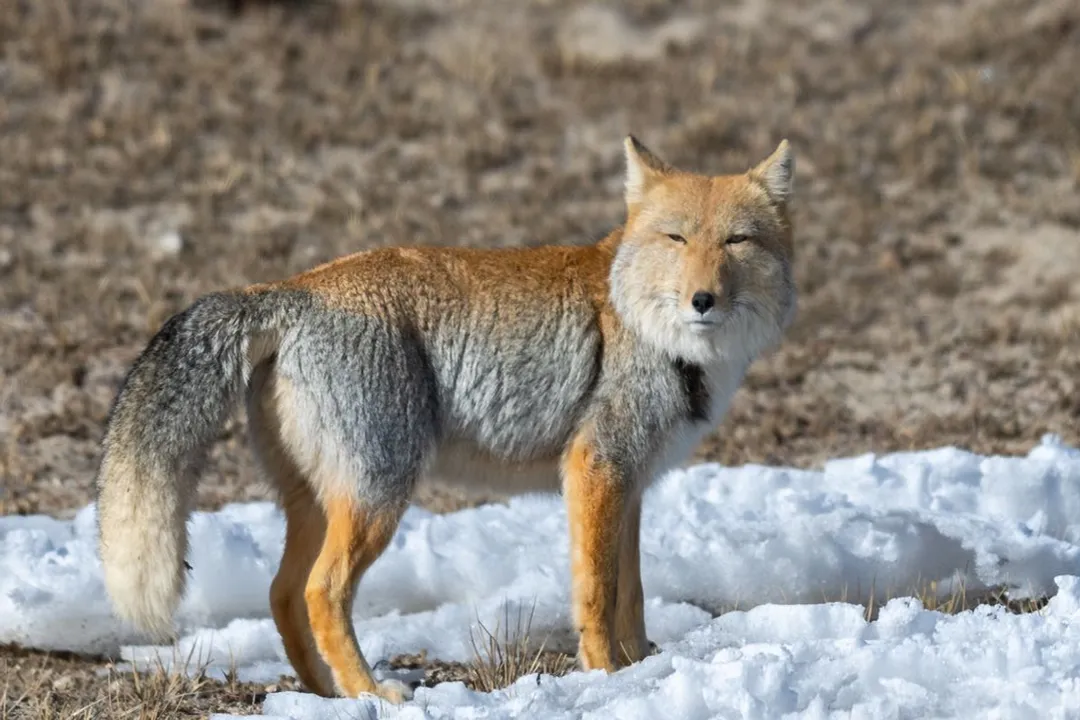
Tibetan foxes generally exhibit a preference for a solitary existence, though they are sometimes observed moving in mated pairs. [2][3] Their denning behavior involves digging their own shelters, but they frequently take over and renovate abandoned burrows dug by other animals, such as marmots, which are often larger and more structurally sound. [2] This repurposing of existing infrastructure saves significant energy in the harsh, high-altitude environment.
Unlike many canids that are strictly nocturnal or crepuscular, the Tibetan fox is often described as being primarily diurnal—active during the day. [2] However, their daily schedule is not fixed; it is highly flexible and reactive to the availability of their main prey, the pika. [2] If pikas are most active during certain hours, the foxes will adjust their hunting times accordingly to maximize energy return for their efforts. This behavioral plasticity is another quiet indicator of an animal adapted to fluctuating, challenging environmental conditions.
# Status Risks
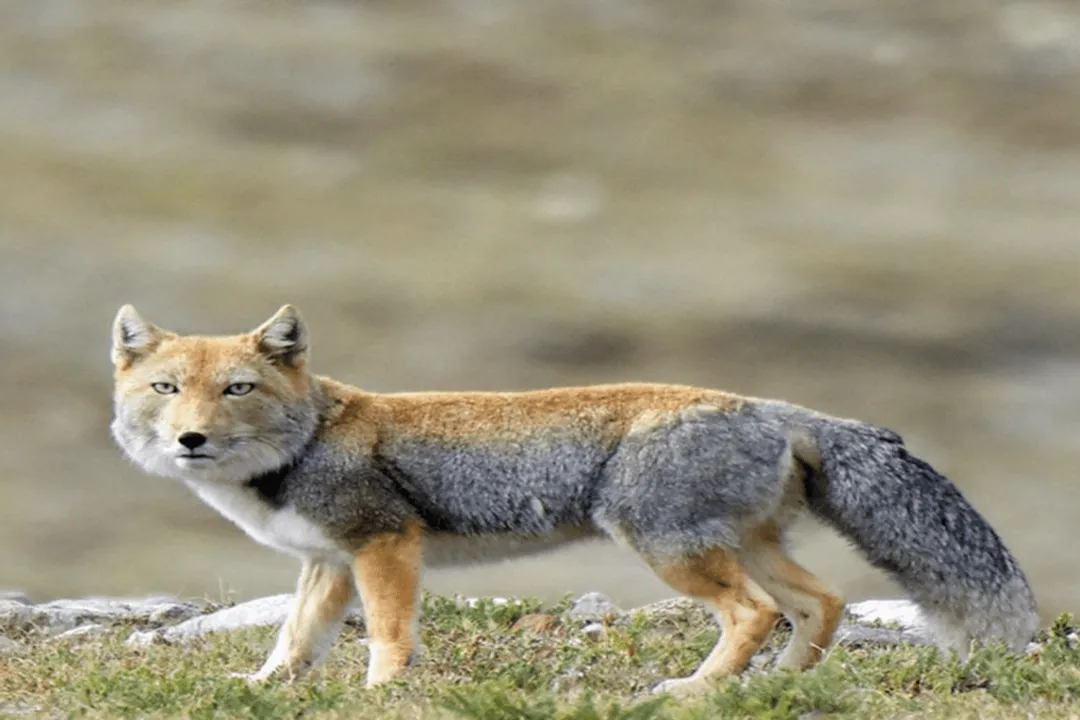
According to the International Union for Conservation of Nature (IUCN), the Tibetan fox is currently classified as a species of Least Concern (LC). [1][6] This classification suggests that, across its entire historical range, the species is not facing immediate global extinction threats. [2] Nevertheless, this broad assessment masks localized, severe pressures.
As previously noted, the major threat stems from the widespread poisoning campaigns targeting pikas. [1][6] When foxes consume poisoned pikas, they risk secondary poisoning, leading to population declines in areas subjected to intensive pest control. [2] Furthermore, habitat degradation due to overgrazing by domestic livestock, which often displaces native pikas and changes the grassland structure, also poses a persistent challenge to the fox's long-term stability. [6] Although the species is listed as LC, researchers monitoring the population often report a noticeable decline in numbers in areas where these human interventions are most intense. [1] For those interested in tracking the health of these unique canids, focusing on local land-use policies regarding rodent control provides the most direct gauge of immediate risk, far more so than relying solely on the global LC listing. [2] Observing these subtle regional shifts provides a more nuanced picture of the species' security than the broad international categorization might suggest.
Related Questions
#Citations
Tibetan Fox - SAFE Worldwide
Vulpes ferrilata (Tibetan fox) | INFORMATION - Animal Diversity Web
Tibetan Fox Animal Facts - Vulpes ferrilata
Tibetan fox habitat and characteristics - Facebook
Tibetan fox facts, distribution & population - BioDB
which has one enormous head – looks like it was designed by AI
The Tibetan fox, native to the Tibetan and Ladakh plateaus of Asia ...
Meet The Tibetan Fox: Perfectly Adapted For Life In The Plains With ...
Tibetan Fox | TheHunter: Call of the Wild Wiki - Fandom