What are the characteristics of a curly hair tarantula?

The Tliltocatl albopilosus, more commonly known by its instantly recognizable moniker, the Curly Hair Tarantula, holds a firm place in the world of exotic pets, often being one of the first arachnids newcomers choose. [3][4] This preference stems largely from its striking appearance—a body draped in dense, shaggy hair—and its relatively calm disposition compared to some of its more defensive cousins. [4][6] To truly appreciate this spider, it is helpful to look past the fuzzy exterior and understand the specific biological and behavioral characteristics that define this species.
# Identity Origin

The classification of this popular pet has seen a recent shift. For many years, it was listed under the genus Brachypelma. [1] However, contemporary taxonomic work has reclassified it into the genus Tliltocatl. [1][2] Regardless of the genus name used, the specific epithet albopilosus remains the same, which directly translates to "white hairy," a perfect descriptor for its most noticeable feature. [2] Geographically, these tarantulas are native to the tropical regions of Central America, primarily found in countries like Honduras and Nicaragua. [1][6][7] They thrive in environments that are typically warm and provide ample ground cover, which informs much of their captive care requirements. [7]
# Physical Structure

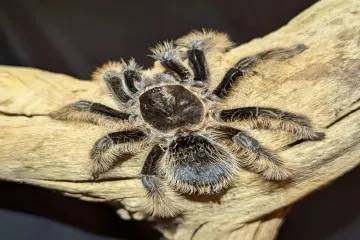
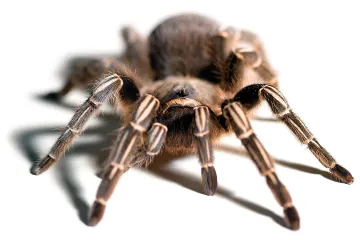
The physical characteristics of the Curly Hair are what immediately draw attention. They possess a dark base coloration, usually appearing deep brown or black across their carapace and abdomen. [1][7] What sets them apart is the dense covering of long, often slightly iridescent or golden-tipped hairs, known scientifically as setae, which cover their entire body and legs, giving them their characteristic "curly" look. [1][2][6] This extensive hair covering is thicker and more pronounced than on many other terrestrial species, giving them a distinct, soft silhouette. [2]
In terms of size, they are considered a medium-to-large tarantula species. Adults typically reach a leg span of about 5 to 6 inches. [1][2][7] There are observable differences between the sexes, which is common in the arachnid world. Females generally achieve the larger end of that size spectrum and are significantly longer-lived than their male counterparts. [2][7] While both sexes share the same hairy characteristic, slight variations in leg length proportions can sometimes be noted in mature males as they approach sexual maturity. [2]
One interesting consideration when observing the hair is its function beyond mere aesthetics. These hairs are not just for show; they serve as a primary defense mechanism. [2] If the tarantula feels severely threatened, it will rub its abdomen with its hind legs, flinging thousands of microscopic, barbed hairs into the air or directly onto the perceived threat. [1][6][7]
It’s worth noting that while many desert-dwelling tarantulas possess urticating hairs that are often finer and lighter in color, the Curly Hair's setae are quite noticeable and robust, which might make them slightly easier to clean up from surfaces should a defensive display occur, though irritation remains the primary risk. [1][6]
# Behavioral Traits
The general temperament associated with the Tliltocatl albopilosus is one of relative placidity, making them a staple for keepers who desire a visible, low-drama pet. [3][4] They are known for being slow-moving and generally non-aggressive, favoring retreat over confrontation. [1][6] They are fundamentally terrestrial, meaning they spend the vast majority of their lives on or under the substrate rather than climbing extensively on vertical surfaces. [1][7]
However, it is crucial to understand that docile does not equate to tame. [3] Even the mildest species will defend itself if cornered, startled, or physically handled improperly. [1][7] While they possess fangs and venom, which is generally considered mild for humans (comparable to a bee sting, though this should always be avoided), their preferred first line of defense is always the flicking of those irritating hairs. [1][6] They are not typically known for rushing out of their enclosure or exhibiting overt threat postures, but keepers should always observe them from outside the enclosure, minimizing handling sessions to only when necessary for maintenance. [1][3]
As burrowers, they exhibit natural behaviors related to security. They will often dig into the substrate or utilize provided hides to create a secure, dark space where they feel safe from perceived danger and environmental fluctuation. [1][7]
# Lifespan Contrast
One of the most significant points of interest for long-term keepers is the marked disparity in longevity between the sexes. [1][7] A well-cared-for female Curly Hair Tarantula can genuinely become a multi-decade companion, often living for 15 to 20 years. [1][7] This extended lifespan requires a commitment from the owner that many other pet species do not demand.
Conversely, the male’s life is comparatively brief once he reaches sexual maturity. After their final molt into adulthood, males focus their remaining energy on finding a mate, and their lifespan is often measured in mere months, typically only a few years at most. [1][2] This difference is standard across many tarantula species but is stark in the long-lived females, meaning a keeper will establish a long-term care routine for one sex while the other will require a much shorter-term commitment. [2]
# Environmental Requirements
Establishing the correct habitat is the key to ensuring the health and longevity of a T. albopilosus. Because they are ground-dwelling, their enclosure needs to prioritize floor space over height. [1][7] For a fully grown adult, a tank or plastic container measuring around 10 gallons is often cited as adequate, but ensuring the surface area is ample is more important than meeting a strict volume requirement. [1][4]
The substrate depth is extremely important due to their terrestrial nature and tendency to burrow. Owners should aim for a substrate layer of 4 to 6 inches deep, allowing the spider to dig down and create a safe, temperature-stable retreat. [1][4] The substrate itself, often a peat moss, coco-fiber mix, or topsoil blend, needs to be kept slightly moist but never soaking wet, promoting necessary ambient humidity. [4]
Temperature management is straightforward; they generally thrive in temperatures maintained between 75°F and 85°F. [1][4] Providing a water dish large enough for the spider to drink from is non-negotiable, and it must be kept full of fresh water. [1] While some care sheets might suggest humidity in the 60-75% range, the practical application often involves keeping the substrate damp in one corner while allowing the rest to dry slightly, simulating the natural environment better than constant high humidity. [1][4]
When setting up the enclosure, a common mistake is over-decorating the vertical space. Since this species is terrestrial, tall furniture or climbing structures don't serve much purpose and can actually increase the danger if the spider falls from a height, potentially damaging its delicate legs or carapace, which is a serious risk for a ground-dweller. [1][7]
# Feeding Regimen
As obligate carnivores, their diet consists of various invertebrates. Crickets are a common staple, but variety is beneficial, including items like roaches or mealworms. [1][4] The frequency of feeding is directly tied to the tarantula's size and age. Larger, mature spiders will eat less often than fast-growing slings (spiderlings). [4] For an adult, feeding once every seven to ten days is usually sufficient, though keepers must monitor the spider's abdomen size—a plump abdomen indicates the spider has stored reserves, while a noticeably deflated or shrunken abdomen signals it is hungry. [4] Prey items should generally be no larger than two-thirds the size of the spider's abdomen to prevent injury or undue stress during feeding. [1]
# Final Considerations
The Curly Hair tarantula offers an excellent window into the world of arachnid keeping. Their visual appeal, combined with a relatively forgiving nature regarding husbandry (as opposed to, say, obligate high-humidity species), makes them a top recommendation. [3][4][6] Remember that while they are ground-dwelling, they still utilize their environment actively. Providing ample dark hides and deep substrate allows them to express natural burrowing instincts, which contributes significantly to their overall well-being and reduces stress levels, leading to a healthier, longer life for the female companions. [1][7] Respecting their defensive mechanism—the urticating hairs—is the final component of responsible ownership, ensuring that interaction remains minimal and observational. [1][6]
#Videos
21 Curly Hair Tarantula Facts - YouTube
Related Questions
#Citations
Curly Hair Tarantula (Tliltocatl albopilosus) Care
Tliltocatl albopilosus - Wikipedia
[PDF] Curly Hair Tarantula | Denver Zoo
How to Care for a Pet Curly Hair Tarantula - The Spruce Pets
Curly hair tarantula care for beginners and keepers - Facebook
The Curly Hair Tarantula: A Fuzzy Friend for Arachnid Enthusiasts
Honduran Curly Hair Tarantula - Cosley Zoo
21 Curly Hair Tarantula Facts - YouTube
Curly Haired Tarantula - Utica Zoo