Western Lowland Gorilla Scientific Classification
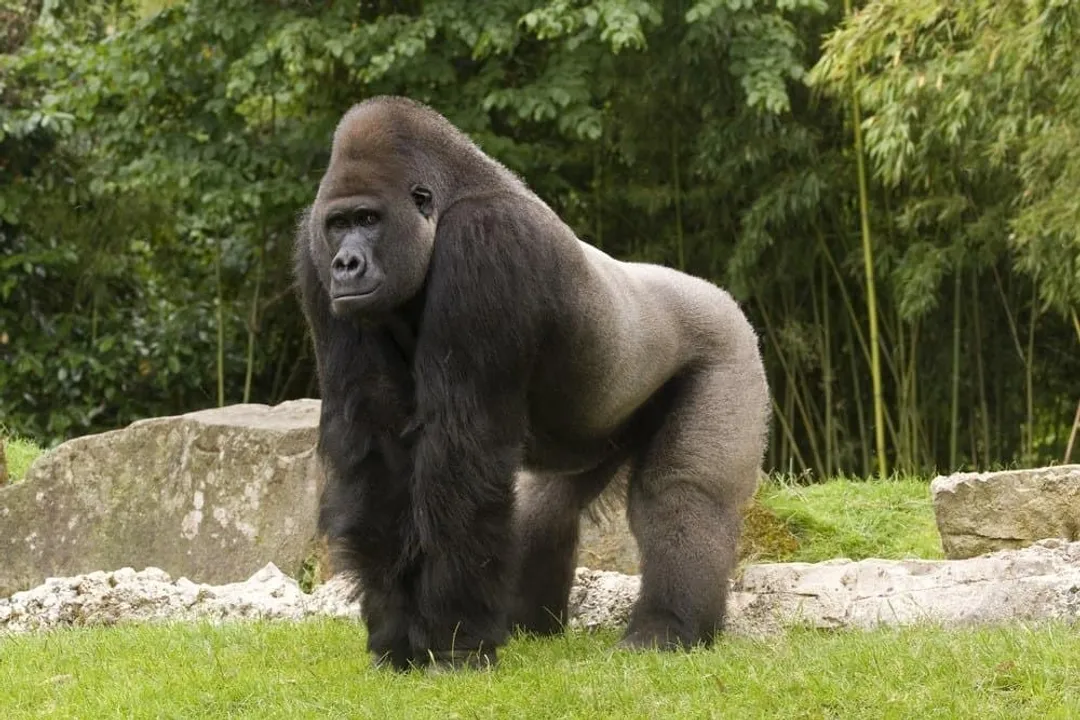
The Western Lowland Gorilla, perhaps one of the most recognizable inhabitants of Central Africa’s dense forests, possesses a formal scientific designation that precisely maps its place within the vast network of life on Earth. Understanding this classification, from the broadest category to its specific subspecies name, offers a direct insight into its evolutionary history and biological relationship to other great apes. [1][3]
# Linnaean Ranks
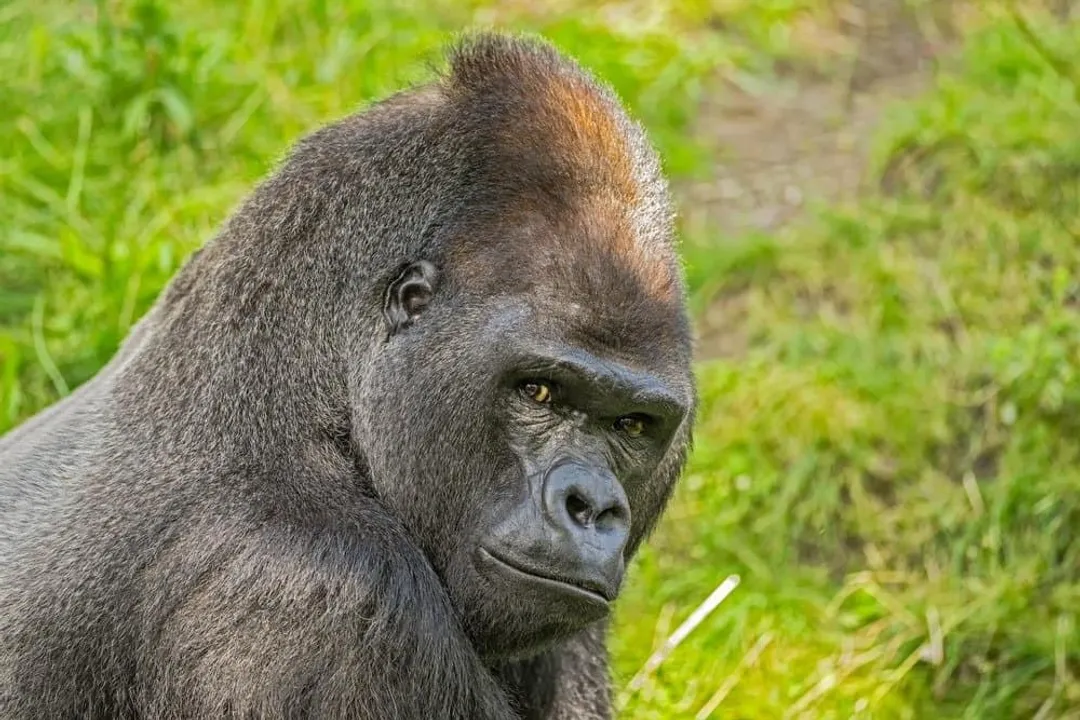
The system used to categorize this magnificent animal follows the established Linnaean hierarchy, a structure that moves from the most inclusive groupings to the most specific. [1][6] This arrangement places the Western Lowland Gorilla firmly within the animal kingdom, moving sequentially through its shared traits with other life forms. [2][3]
Here is the step-by-step placement in the taxonomic tree, moving from the broadest classification down to the genus level:
| Rank | Classification | Notes |
|---|---|---|
| Kingdom | Animalia | Multicellular, heterotrophic organisms. [2] |
| Phylum | Chordata | Possesses a notochord, dorsal nerve cord, etc.. [2] |
| Class | Mammalia | Warm-blooded vertebrates that nurse their young. [2] |
| Order | Primates | Characterized by grasping hands and forward-facing eyes. [2][6] |
| Family | Hominidae | The great apes, including humans, orangutans, and gorillas. [2][3] |
| Genus | Gorilla | The group containing all gorilla species. [1][3] |
Examining this progression reveals just how closely related these animals are to us; sharing the Class Mammalia and Order Primates means they share fundamental biological architecture with humans. [2] When we consider that the Kingdom Animalia contains everything from sponges to blue whales, and the genus Gorilla contains only a few closely related species, we can better appreciate the refinement achieved by placing an organism into its proper biological box. [2] The sheer magnitude of the taxonomic journey from Animalia to Gorilla underscores the deep evolutionary paths that separate us from even our closest living relatives. [4]
# Species Status
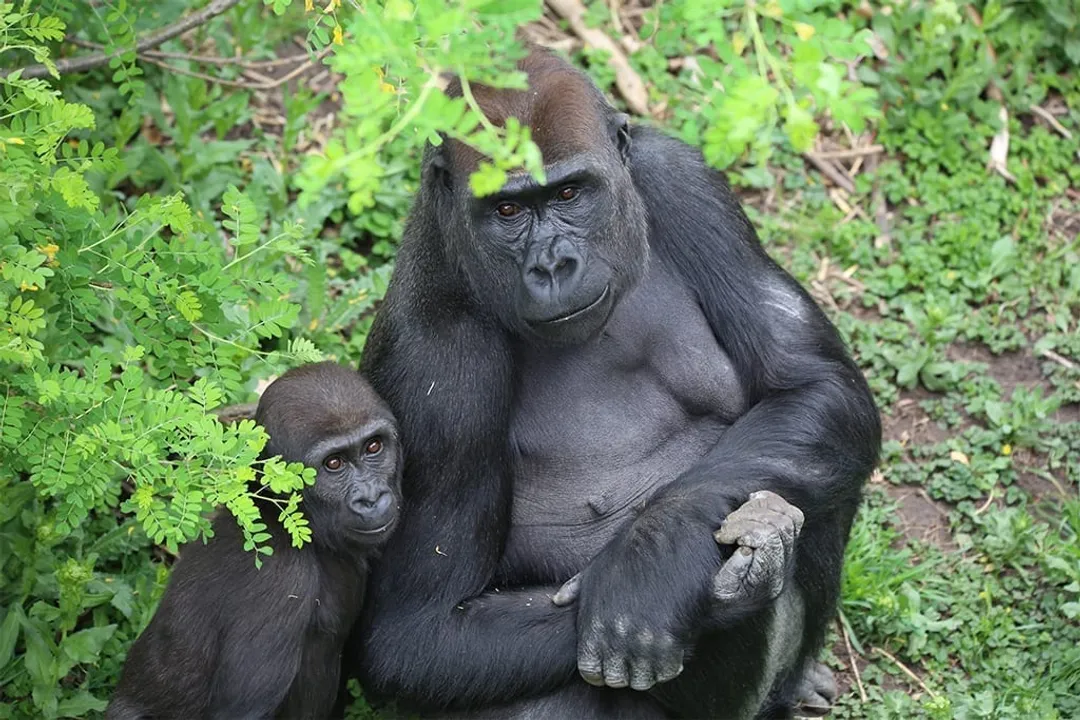
Within the genus Gorilla, scientists recognize two distinct species: the Eastern Gorilla (Gorilla beringei) and the Western Gorilla (Gorilla gorilla). [1][3] The Western Lowland Gorilla belongs to the latter species. [1][5] This division is significant, as it reflects millions of years of separation and distinct evolutionary trajectories for the two main gorilla lineages. [3]
The species name, Gorilla gorilla, is often cited in scientific literature and formal documentation, which sometimes leads to a degree of curiosity due to the repetition of the genus and species epithet. [8] This repetition, while seemingly redundant, is scientifically precise, establishing the species within its recognized group before further refinement into subspecies. [8]
# Subspecies Details
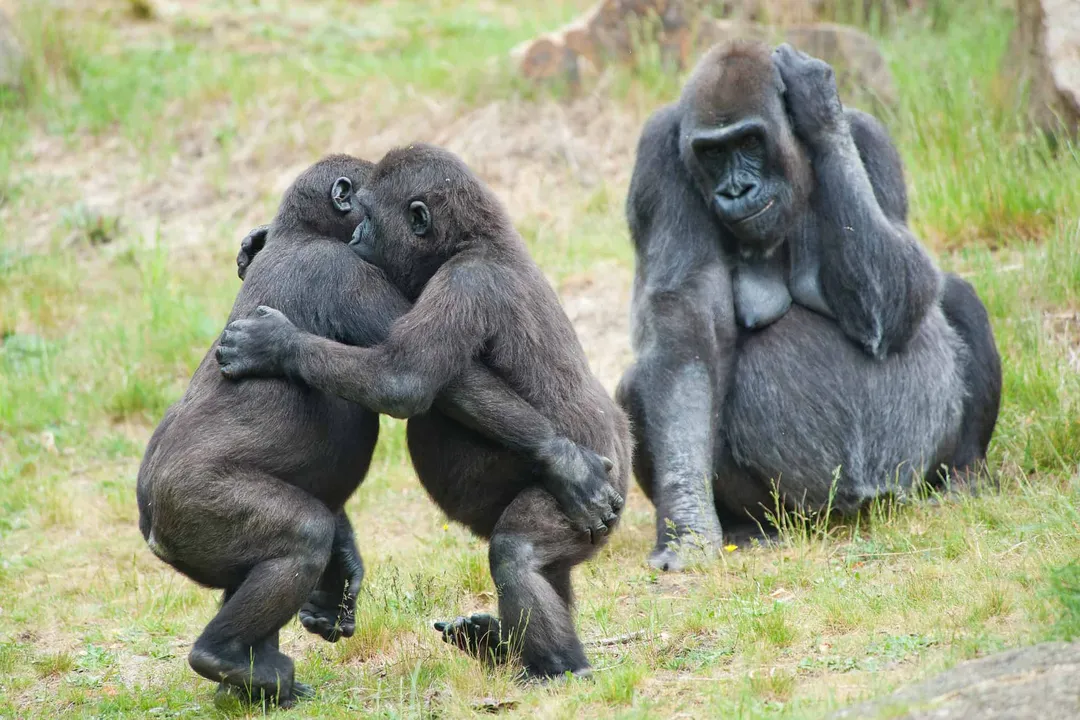
The Western Gorilla species (Gorilla gorilla) is further divided into two subspecies. [1][3] The Western Lowland Gorilla is formally known by its trinomial name: Gorilla gorilla gorilla. [1][5][6] This is the most specific classification layer before individual variation, confirming its identity as one of the two recognized subspecies within the Western Gorilla group. [1]
The other subspecies of the Western Gorilla is the Cross River Gorilla (Gorilla gorilla diehli), which is genetically distinct and significantly more rare. [1][3] The formal scientific naming convention, especially the triple repetition of gorilla, highlights a particular historical approach to taxonomy that firmly locks the Western Lowland Gorilla into its own precise niche within the genus, differentiating it from both the Eastern Gorilla species and its close Western cousin, the Cross River Gorilla. [8]
# Evolutionary Splits
The primary classification distinction that shapes conservation and research efforts is the split between the Western and Eastern Gorillas. [1][3]
- Western Gorilla (Gorilla gorilla): Includes the Western Lowland Gorilla (G. g. gorilla) and the Cross River Gorilla (G. g. diehli). [1][3] These gorillas generally inhabit areas west of the Congo River. [1][5]
- Eastern Gorilla (Gorilla beringei): Includes the Mountain Gorilla (G. beringei beringei) and the Eastern Lowland Gorilla or Grauer's Gorilla (G. beringei graueri). [1][3] These groups are found further east. [5]
While the Western Lowland Gorilla shares the genus Gorilla with the Eastern species, the divergence in their classifications reflects significant genetic and morphological differences that have accumulated over time, leading to distinct populations. [3] This separation is geographically reinforced, with the two major groups being separated by significant physical barriers, such as major rivers or terrain differences, preventing interbreeding for long periods. [1]
# Range Context
Although scientific classification deals with inherent biological relationships, it is inextricably linked to geography, which often dictates how those classifications arose. [5] The Gorilla gorilla gorilla subspecies is found in the swampy lowlands and dense rainforests of West and Central Africa, ranging across countries like Cameroon, the Central African Republic, Equatorial Guinea, Gabon, the Republic of the Congo, and Angola. [1][5][6] Their classification as "Lowland" directly reflects this preferred habitat elevation and geography, separating them from the high-altitude Mountain Gorillas. [1] Knowing this precise classification assists organizations like the U.S. Fish and Wildlife Service in tracking and managing populations across these specific international boundaries. [5]
# Conservation Status
The formal scientific classification is more than just an academic exercise; it carries immediate weight in global conservation policy. [6] Due to habitat loss, poaching, and disease, the Western Lowland Gorilla is currently classified as Critically Endangered. [1][6] This status, mandated by bodies like the IUCN Red List, recognizes the extreme risk of extinction in the wild. [6]
It is interesting to note how classification level impacts urgency. While the entire genus Gorilla is under severe threat, the Gorilla gorilla gorilla subspecies, being the most numerous of all gorillas, still faces immediate, life-threatening pressures that require specific, targeted conservation strategies across its range. [6] For instance, understanding their specific subspecies classification dictates which international agreements and trade restrictions apply to them versus, say, a subspecies of the Eastern Gorilla that might have different primary threats. [5] This precise biological identification is the bedrock upon which effective protection measures are built.
Related Questions
#Citations
Western lowland gorilla - Wikipedia
Taxonomy & History - Western Lowland Gorilla (Gorilla ... - LibGuides
All About the Gorilla - Scientific Classification | United Parks & Resorts
Western lowland gorilla - National Zoo
Gorilla - Explore the Taxonomic Tree | FWS.gov
Facts about the western lowland gorilla - IFAW
Western Lowland Gorilla - Denver Zoo Conservation Alliance
Why is the scientific name for the Western gorilla "Gorilla ... - Reddit
This week's Species Spotlight: Western lowland gorilla Animal ...
Western Lowland Gorilla - A-Z Animals