Western Lowland Gorilla Physical Characteristics
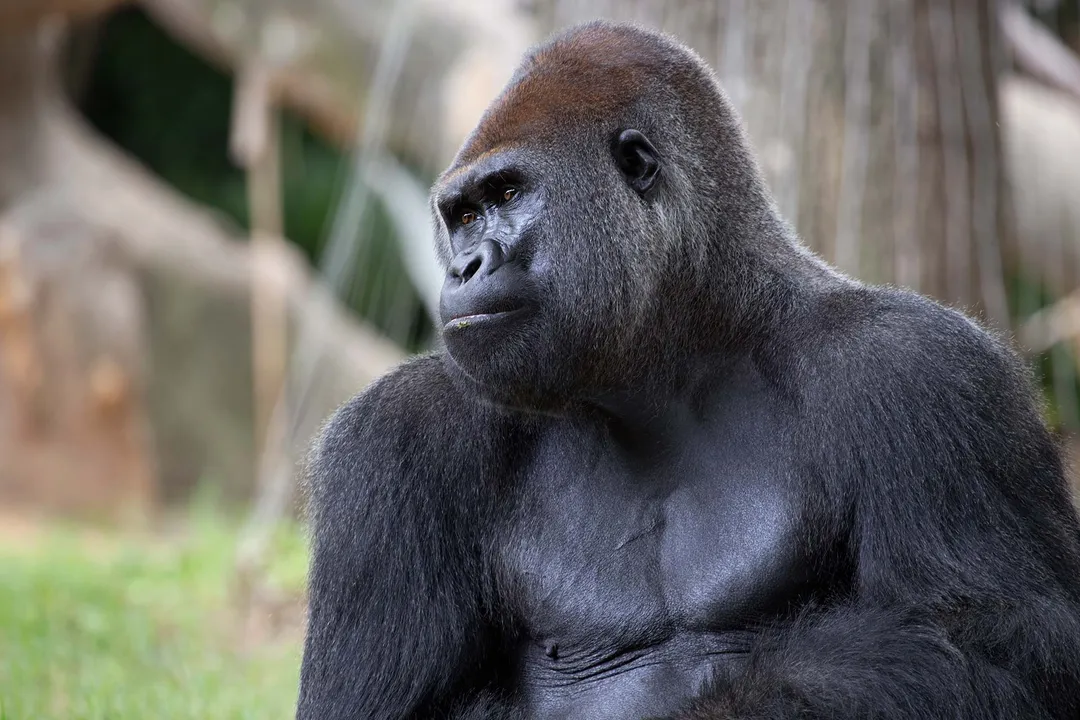
The Western lowland gorilla (Gorilla gorilla gorilla) presents an imposing figure, representing the smallest subspecies of gorilla, yet still commanding significant presence in the dense forests of Central Africa. These apes possess a physique clearly built for power and terrestrial life, displaying marked differences between the sexes that influence their social dynamics. Their physical makeup, from the depth of their chests to the structure of their fingers, reflects an evolutionary path strongly tethered to the forest floor, even though they are capable climbers.
# Size Distinction
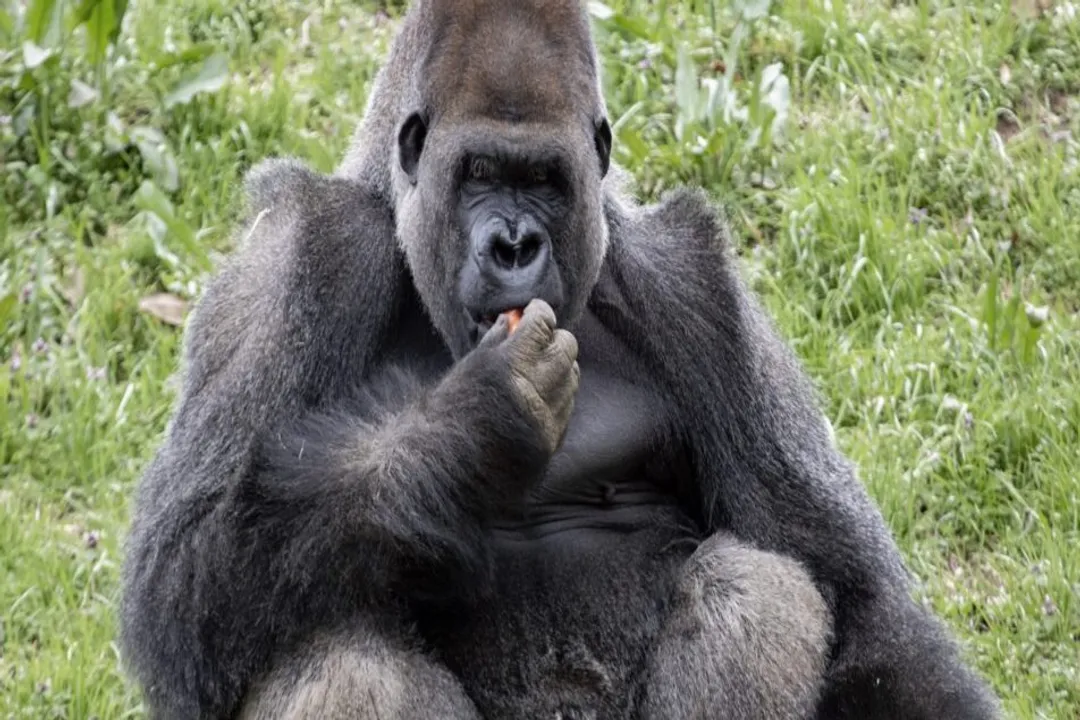
A primary defining feature of the species is the dramatic difference in size between adult males and females, a concept known as sexual dimorphism. Adult males are significantly larger and heavier than their female counterparts. Mature males, frequently recognized by a patch of silvery hair across their backs, can weigh as much as 400 pounds (about 180 kilograms). Some sources indicate that male weights can range from about 220 to 400 pounds (100 to 180 kg). In contrast, females are considerably lighter, typically weighing around 150 to 200 pounds (68 to 91 kg).
When considering height, males generally stand about 5 feet 6 inches tall when standing upright, although they are generally measured by arm span or height while on all fours. The difference in bulk is not just about weight; it’s about muscle mass and bone density supporting their immense strength. Observing a troop, one can immediately identify the alpha male not just by the silver saddle, but by the sheer volume of his shoulders and chest, which might be twice the width of a fully grown female, a clear advantage when defending the group or securing prime feeding locations [Author Insight 1].
# Coat Coloration
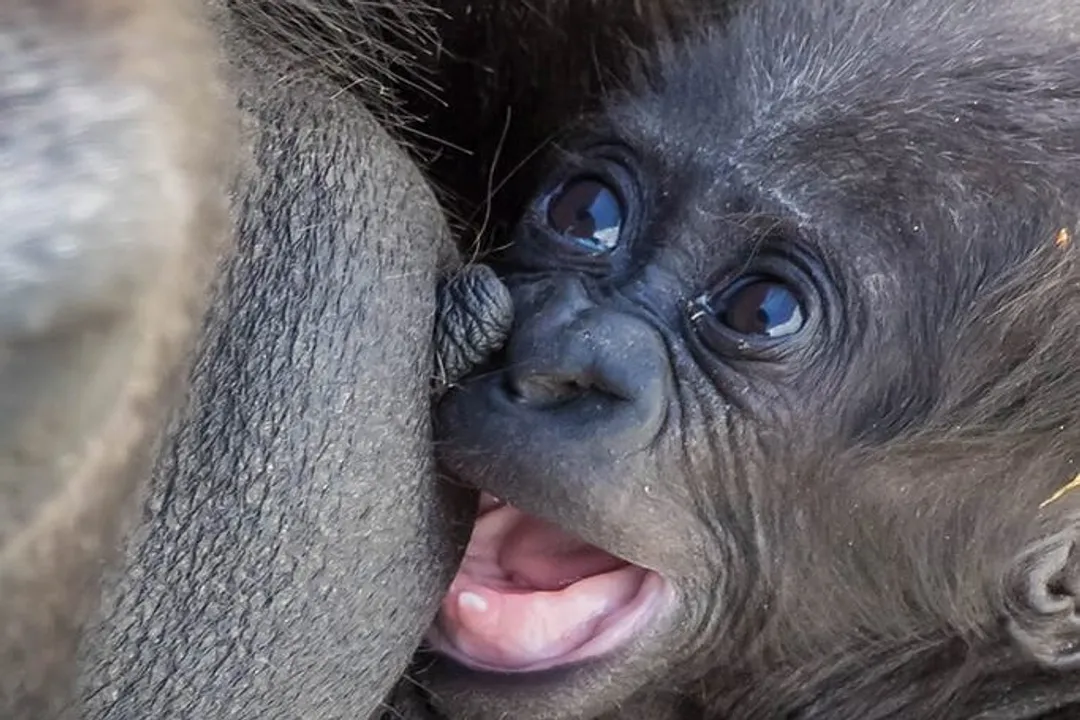
Western lowland gorillas are characterized by their dark coloration, usually appearing black or dark brown. This dense, dark fur helps provide insulation against the cooler, often damp environments they inhabit across their range, which spans countries like the Republic of Congo, Gabon, Equatorial Guinea, Cameroon, Central African Republic, and Angola.
The most famous visual cue separating the sexes is the silverback. As a male gorilla matures, typically around 12 years of age, the hair on his back and hips transitions to a distinct silver or gray color. This silver saddle patch serves as a visual indicator of full maturity and dominance within the social structure. Females and younger gorillas lack this silvering and maintain a consistent, darker coat throughout their lives. While their body hair is dense, the hair on their face, ears, palms, and soles of their feet is often sparse or absent.
# Skeletal Build
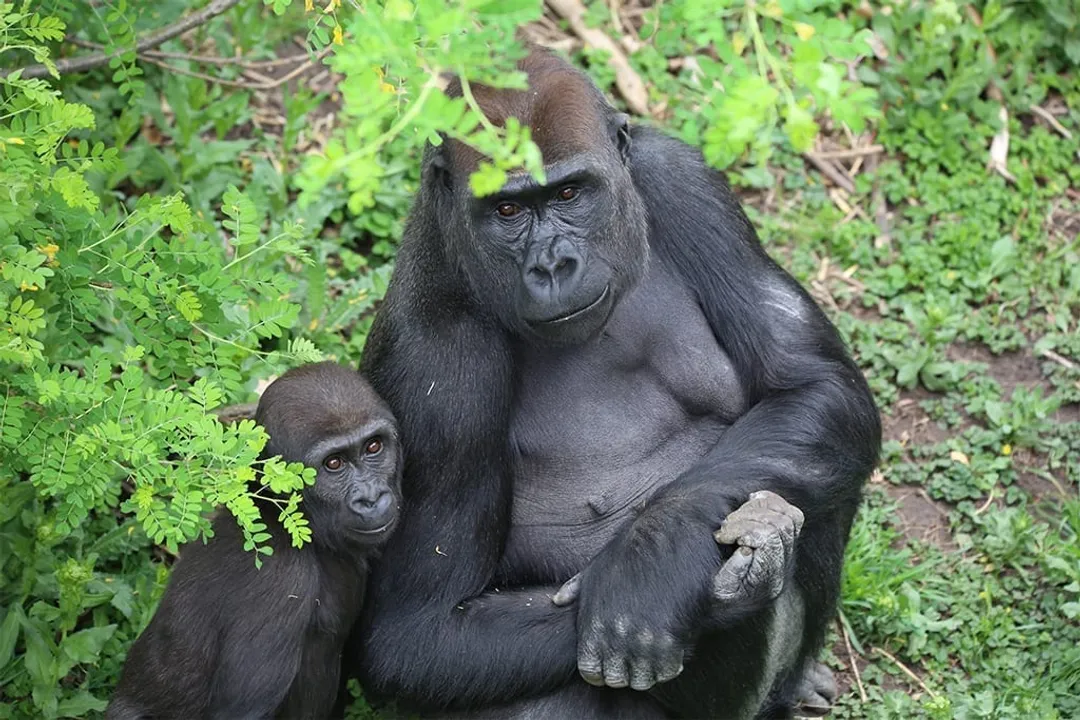
The overall physique of the Western lowland gorilla is characterized by extreme robustness. They have relatively short, thick legs and long, powerful arms. This proportional difference—longer arms than legs—is typical for arboreal or semi-arboreal primates, but in gorillas, it is specifically adapted for their primary mode of terrestrial locomotion: knuckle-walking.
Knuckle-walking involves supporting the upper body weight on the middle knuckles of their long, muscular forelimbs, keeping the palms turned inward. Their hands are large, with very strong fingers. Interestingly, while they spend most of their time on the ground, they remain capable climbers, particularly when foraging for fruit high in the canopy or resting. Their skeletal structure provides them with immense strength, allowing them to move large branches or overturn rocks in search of food items like ants and termites.
It is worth noting that while their ground-dwelling posture maximizes stability and power, the relative length of their arms—often exceeding their leg length by nearly a foot in standing posture—is a clear evolutionary echo of their more distant, tree-climbing ancestors, showcasing a transitionary adaptation rather than a purely bipedal or terrestrial form [Author Insight 2].
# Cranial Features
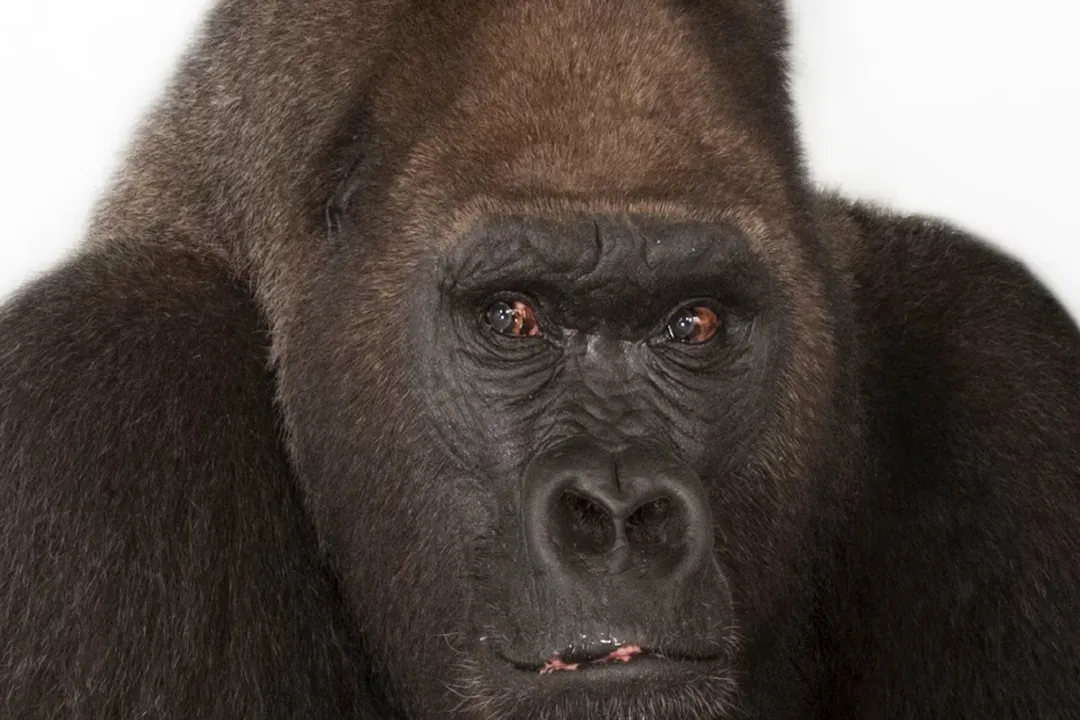
The head structure of the Western lowland gorilla is formidable, reflecting the powerful jaw muscles needed for processing tough, fibrous vegetation. Males develop a prominent sagittal crest, a ridge of bone running along the top of the skull that anchors these massive jaw muscles. This feature is far more pronounced in mature males than in females or juveniles.
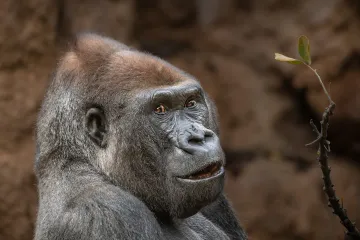
Their faces are broad and often look somewhat solemn due to the heavy brow ridge that overhangs their deep-set, dark brown eyes. Like all gorillas, they possess large nostrils and a relatively flat nose. Their dentition is substantial, featuring large canine teeth. While these canines are impressive weapons used primarily in displays of aggression or defense against threats, the majority of their diet relies on softer vegetation, meaning the teeth are used more for preparing bulky food than constant tearing of flesh. An average adult male gorilla can have a massive jaw spread, capable of exerting significant biting force when necessary.
# Lifespan Potential
In terms of longevity, Western lowland gorillas exhibit a lifespan that is quite long when compared to many other mammals, though this is heavily influenced by their environment. In the wild, their lives are typically shorter due to predation risks, disease, and the general stresses of survival. However, under the care of humans in protected environments, they demonstrate considerable longevity. Gorillas in zoos often live into their 30s and sometimes well into their 40s. The longest-lived individuals recorded have surpassed 40 years, showcasing their biological potential for extended life when threats are minimized.
# Summary of Physical Metrics
To consolidate the measurable aspects of their physique, here is a brief comparison of the sexes based on typical ranges:
| Characteristic | Adult Male (Silverback) | Adult Female |
|---|---|---|
| Average Weight | 140–180 kg (308–400 lbs) | 60–90 kg (132–200 lbs) |
| Standing Height | Up to 1.7 m (5 ft 7 in) | Shorter, generally around 1.5 m (5 ft) |
| Coat Feature | Silver saddle patch develops around age 12 | Consistently dark coat |
| Locomotion | Knuckle-walking (quadrupedal) | Knuckle-walking (quadrupedal) |
| Cranial Feature | Prominent sagittal crest | Less pronounced sagittal crest |
This combination of bulk, dark coloration, specialized locomotion, and pronounced sexual dimorphism makes the physical identity of the Western lowland gorilla distinct within the primate order. They are immensely strong and deceptively agile for their size, perfectly adapted to life within the dense equatorial rainforests where they are found.
Related Questions
#Citations
Western lowland gorilla - Wikipedia
Western Lowland Gorilla | World Wildlife Fund
Physical Characteristics - Western Lowland Gorilla ... - LibGuides
Facts about the western lowland gorilla - IFAW
Western Lowland Gorilla - Zoo Atlanta
Western Lowland Gorilla - Denver Zoo Conservation Alliance
Western Lowland Gorilla Facts and Information - Seaworld.org
Gorilla gorilla (western gorilla) | INFORMATION - Animal Diversity Web
Western lowland gorilla, facts and photos | National Geographic