Western Lowland Gorilla Diet
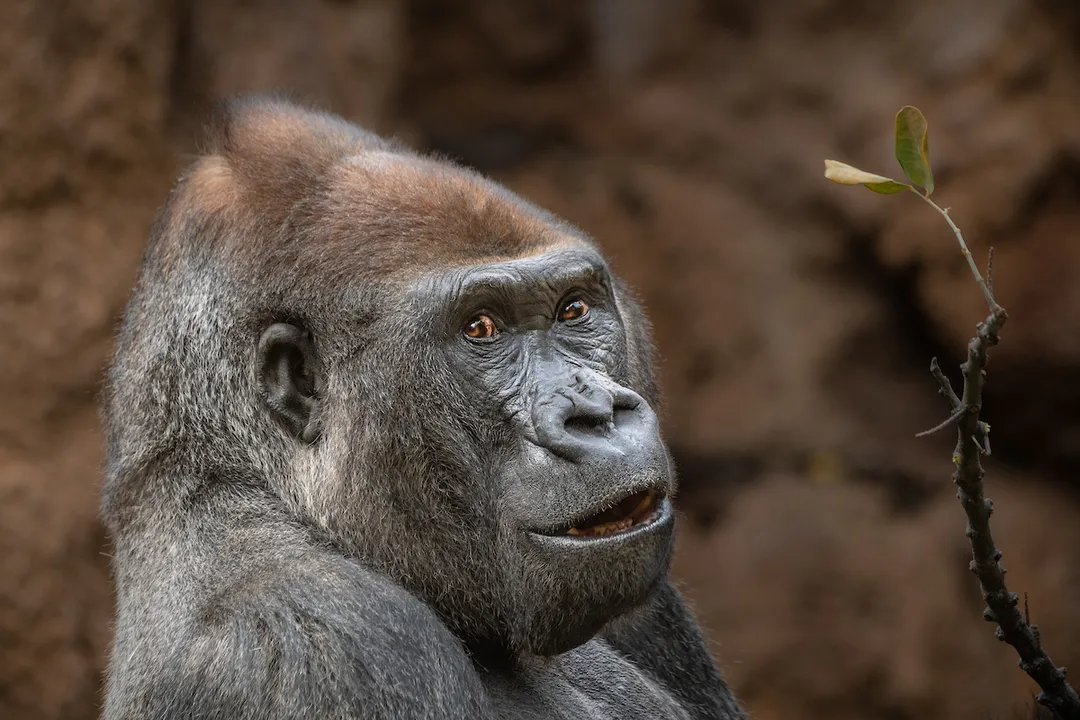
Western lowland gorillas, the most numerous gorilla subspecies, maintain a diet that is fundamentally herbivorous but surprisingly varied depending on the season and location. [4][9] While often pictured tearing apart large jungle plants, their nutritional strategy is a careful balance between bulk-providing vegetation and sought-after, energy-dense fruits. [1][9] Generally classified as herbivores, their feeding habits lean heavily towards the folivore end of the spectrum, meaning leaves form a significant portion of their intake in their native Central African forests. [6][9] However, they are not strictly limited to leaves, incorporating other plant parts and occasional animal matter into their eating routine. [2][9]
# Primary Foods
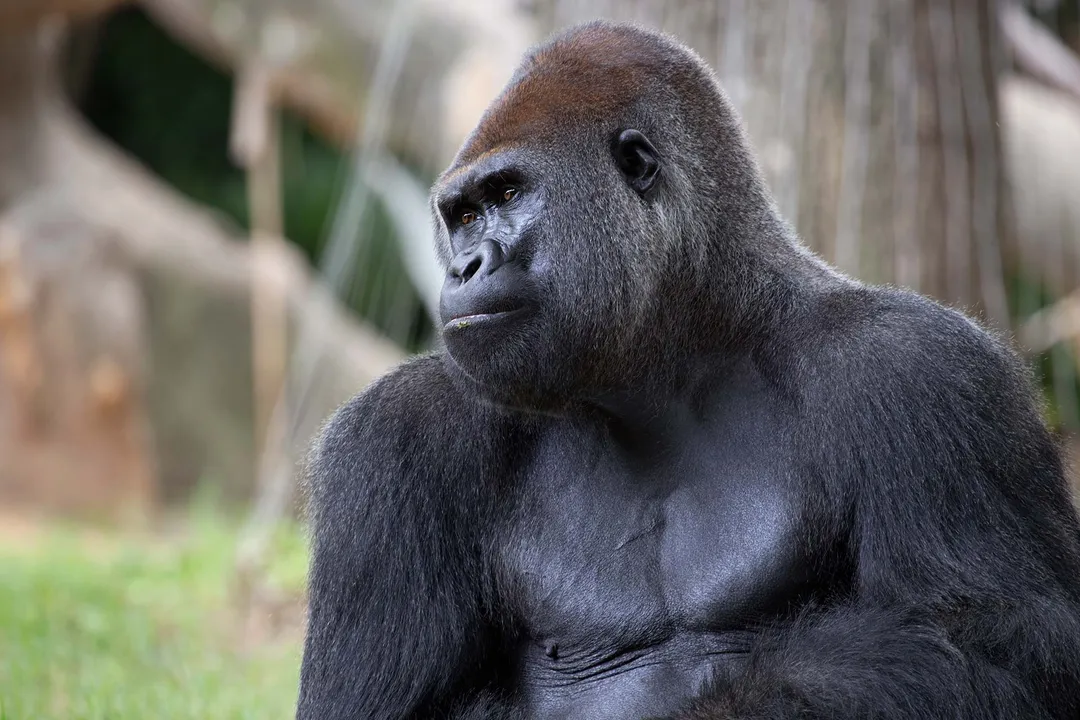
The core of the western lowland gorilla's diet is derived from the forest understory, consisting mainly of fibrous plant material. [1][9] This includes an array of leaves, stems, piths, and shoots. [1][4] Pith, the spongy tissue found in the center of plant stems, is particularly valuable as it is easier to digest than tough, mature leaves and provides essential bulk. [9] They are also known to consume roots and barks when available. [1] In terms of specific plant types, they frequently feed on species from the Marantaceae and Araceae families. [9]
While vegetation dominates, fruit makes up a crucial, albeit fluctuating, component of their nutritional intake. [1][9] When fruit is in season, gorillas will dedicate a greater proportion of their foraging time to seeking it out because of its higher sugar content and ease of consumption compared to stripping bark or chewing tough stalks. [9] In contrast, during leaner times, they rely almost entirely on the more readily available foliage. [4]
A small but notable addition to their menu comes from the animal kingdom: insects. [2][9] They will occasionally ingest small invertebrates, such as termites and ants. [9] Although this provides protein, it contributes a minor percentage to their overall caloric intake, perhaps only a few percent. [9]
# Captive Diet
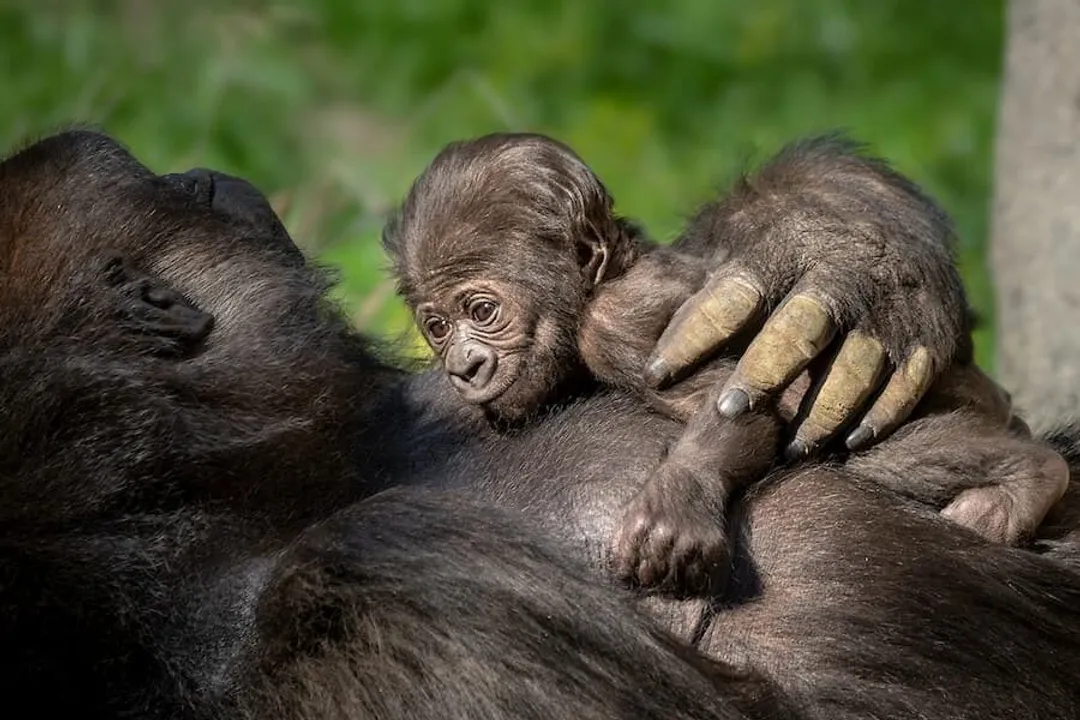
In managed care settings, the diet is meticulously structured to mimic the nutritional profile of the wild while ensuring consistency and meeting known vitamin and mineral requirements. [2][5] Zoo diets prioritize high-fiber forage to maintain the gorillas’ digestive health, which is critical for such large herbivores. [3][5]
A typical zoo diet might look like this, showing the shift from natural variety to controlled composition:
| Component | Purpose/Source | General Proportion (Approximate) |
|---|---|---|
| Leafy Greens | Fiber and bulk | Largest volume |
| Vegetables | Vitamins and minerals | Significant |
| Fruits | Energy and variety | Moderate, often limited |
| Primate Chow | Complete nutrition base | Measured daily amount |
| Occasional Treats | Enrichment, mimic seasonality | Small |
| [2][3][5][8] |
Zoos often provide items like specialized biscuits or chow specifically formulated for gorillas to ensure they receive all necessary vitamins, such as Vitamin D, which might be scarce in a purely wild diet unless they consume specific fungi or sun-bathe, though sun exposure is less of a dietary concern for them than for some other primates. [3][5] Produce provided includes items like sweet potatoes, carrots, celery, and a variety of seasonal fruits. [5][10] This calculated approach contrasts sharply with the wild environment where a gorilla's intake is dictated by local plant availability and the unpredictable fruiting cycles of the forest. [4] When you compare the structured provision of, for example, high-fiber monkey biscuits in a zoo to a wild gorilla subsisting only on mature leaves during a dry spell, the managed environment provides a crucial buffer against nutritional shortfalls. [6]
# Consumption Volume
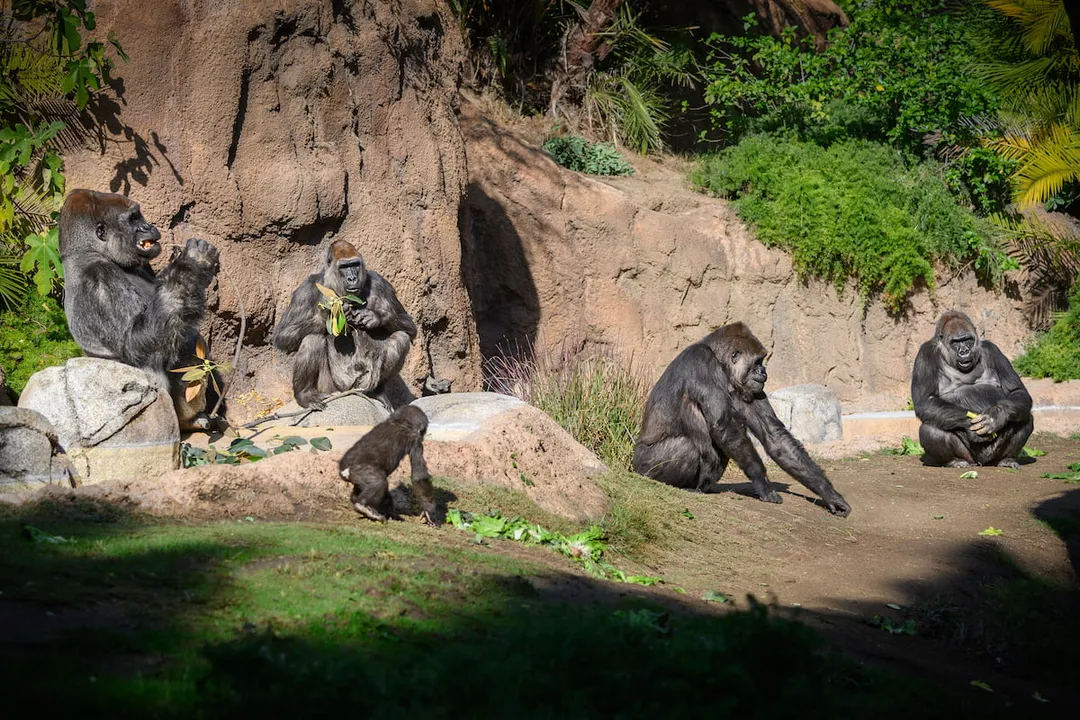
Gorillas are large animals, and their food intake reflects their size, but their digestive efficiency for cellulose is not absolute. A silverback male, being the largest, naturally requires the most sustenance. [4] In captivity, an adult western lowland gorilla may consume between 40 and 50 pounds of food daily, depending on the specific menu and animal. [2][4] This substantial volume is necessary because much of their diet, particularly mature leaves and stems, is low in readily available calories and high in indigestible fiber. [9]
However, this captive volume estimate needs context when viewing their wild behavior. In the rainforest, they spend a significant portion of their waking hours foraging and eating, perhaps up to 50% of their day, to meet their energetic needs from the high-fiber, lower-calorie wild diet. [4] The sheer quantity of plant matter they must process underscores why they evolved such powerful jaws and large guts; they are built to process bulk. [9] It is interesting to consider that while a captive gorilla eats a specific weight of food, the digestible energy derived from that might be lower than what a human consumes, highlighting the metabolic adaptations needed to thrive on a folivorous diet. [6]
# Water Sources
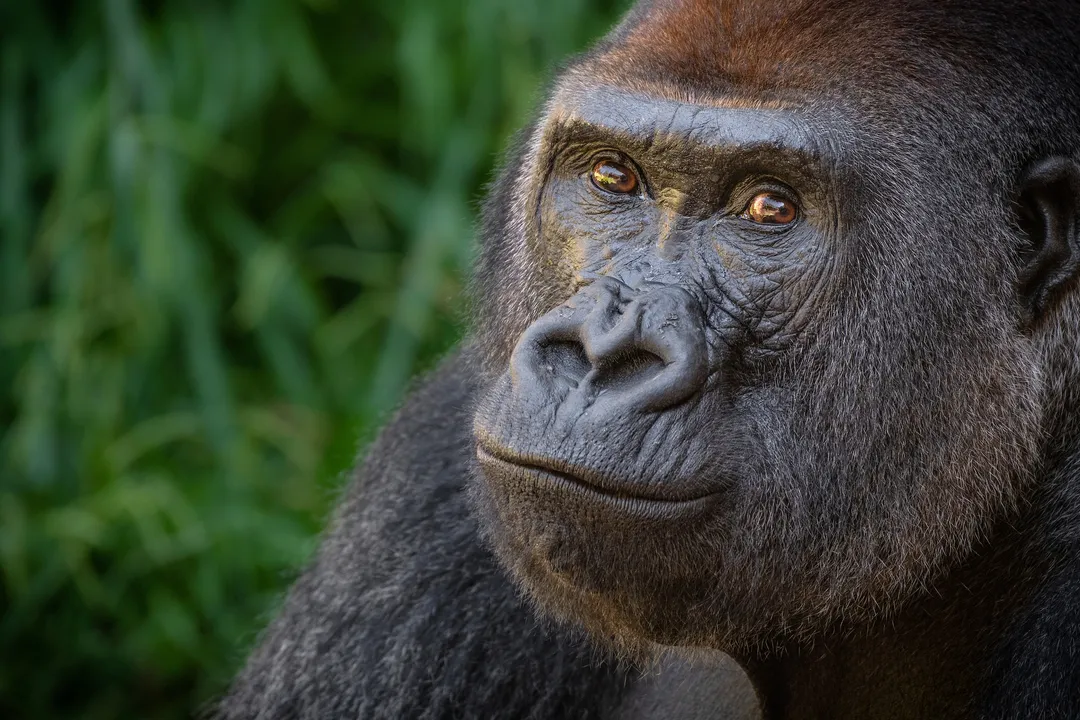
Hydration for western lowland gorillas is intrinsically linked to their diet, particularly in the wild. [1][9] Unlike animals that must frequently travel to open water sources, wild gorillas primarily acquire the water they need directly from the vegetation they consume. [1][9] The leaves, stems, and especially fruits they eat have a high moisture content, satisfying the majority of their daily fluid requirements. [9] This reliance on plant moisture is an adaptation that allows them to remain within the dense forest cover, minimizing exposure to external predators or environmental risks associated with open areas. [4]
In a zoo setting, while they have constant access to clean drinking water, the reliance on manufactured diets means keepers must still ensure adequate hydration, which can sometimes be supported by offering high-moisture produce or even lightly misting leafy greens, though the fundamental requirement remains met through steady, available fresh water. [2] The physiological difference between needing to extract moisture from tough fibers versus drinking freely available water is a subtle but important factor in understanding their behavior and energy expenditure in different settings. [1]

# Feeding Behavior
The feeding habits of the western lowland gorilla are characterized by selective foraging rather than indiscriminate grazing. [9] They are not simply tearing down everything in sight; they exhibit learned behaviors to select the most nutritious or palatable parts of a plant. [1] For instance, they might strip the outer bark to get to the softer inner cambium or pith, or they might carefully peel a fruit before consuming the pulp. [9] This selectivity helps them maximize nutrient intake while minimizing the consumption of potentially toxic compounds sometimes found in tougher plant materials. [1]
Social structure influences feeding time, though not necessarily what they eat. The dominant silverback generally eats first and sets the pace for the group. [4] While foraging is often a solitary or small-group activity within the larger family unit, feeding itself often occurs in proximity, though they generally do not share food readily. [4] The sheer availability of food in their forest habitat means competition, outside of seasonal scarcity, is less intense than among species that rely on patchy, high-value food sources like concentrated fruit trees. [9] This allows them a more relaxed pace of consumption compared to many other primates.
# Nutritional Considerations
The diet of the western lowland gorilla necessitates a high intake of fiber to keep their large digestive systems functioning correctly. [3][6] Fiber promotes healthy gut motility and fermentation, which is essential for breaking down the tough cellulose that forms the bulk of their food. [6] Deficiencies in fiber, often seen if captive diets skew too heavily toward soft fruits or processed foods without enough coarse vegetation, can lead to gastrointestinal distress. [3]
Protein requirements are generally met through the sheer volume of vegetative matter consumed, supplemented minimally by insects. [9] While not a primary concern, the quality of protein is important, and this is where modern zoo nutrition excels by using balanced chow mixes. [5] The goal in both settings is a diet that is low in simple sugars and fat, which is naturally the case with their staple diet of leaves and stems. [4] A fascinating aspect, which applies especially to captive populations, is the ongoing need to prevent obesity—a condition rarely, if ever, seen in the wild—by carefully managing the caloric density of offered fruits and treats. [2][5] This illustrates that while their wild diet is abundant in fiber, it is inherently energy-limited, a constraint that modern husbandry must actively manage. [6]
Related Questions
#Citations
Diet & Feeding - Western Lowland Gorilla (Gorilla gorilla ... - LibGuides
All About the Gorilla - Diet & Eating Habits | United Parks & Resorts
Western lowland gorilla - National Zoo
What Do Gorillas Eat? Plus 7 Other Gorilla Facts | World Wildlife Fund
Western Lowland Gorilla - Zoo Atlanta
The Western Lowland Gorilla Diet Has Implications for the Health of ...
Western lowland gorilla | London Zoo
Western Lowland Gorilla - Denver Zoo Conservation Alliance
Western lowland gorilla - Wikipedia
Western Lowland Gorilla - Los Angeles Zoo and Botanical Gardens