What are the characteristics of the western gorilla?
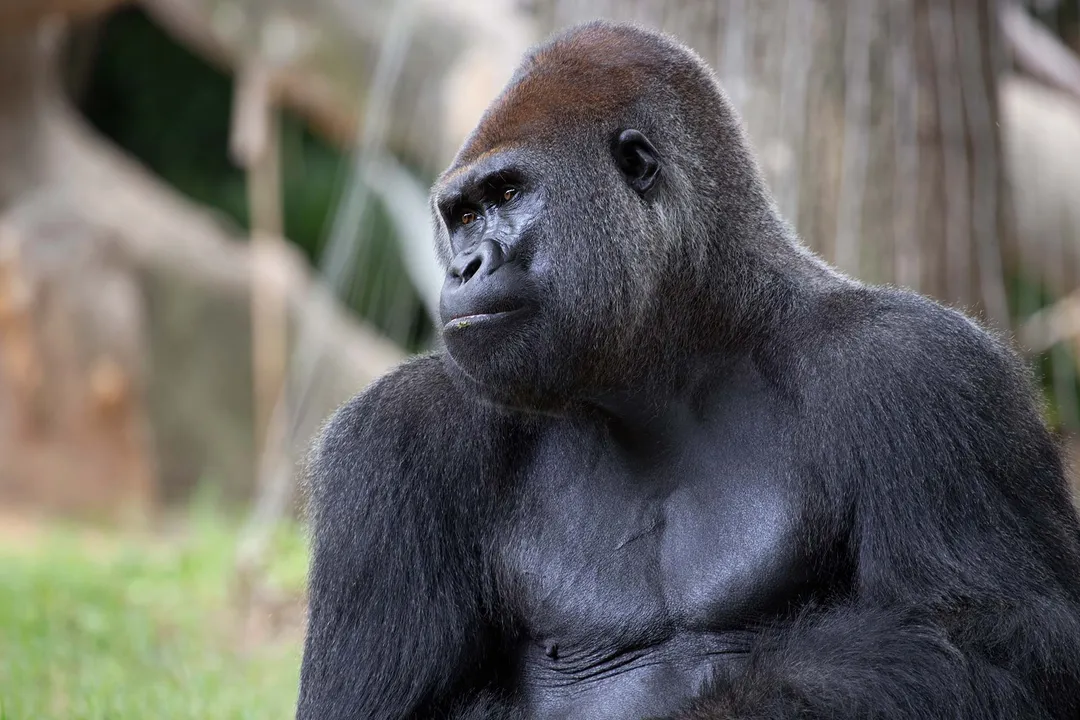
The largest of the living primates, the western gorilla, presents a fascinating subject defined by distinct physical traits, complex social organization, and a specific ecological niche within Central Africa's dense forests. [1][4] While often discussed as a single entity, understanding this ape requires recognizing its two recognized subspecies, each facing unique pressures in the wild. [1] Their imposing stature and gentle herbivorous habits place them as essential components of their ecosystem, though their existence remains precarious. [5]
# Taxonomy Classification
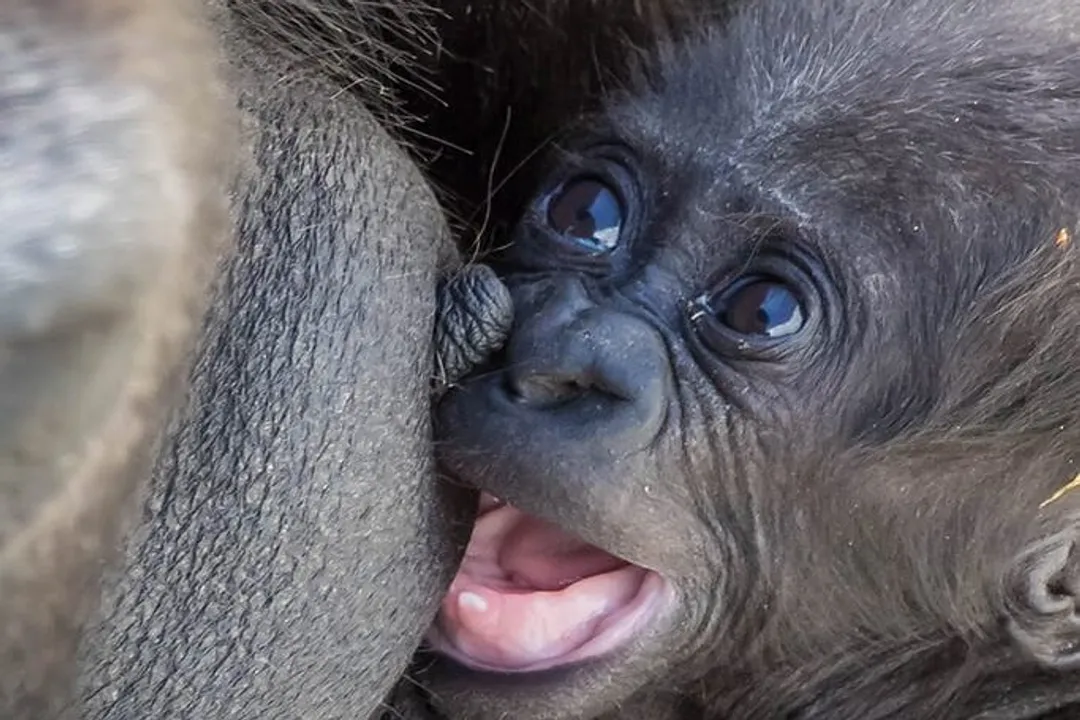
The scientific designation for the western gorilla is Gorilla gorilla. [4] This species is segmented into two distinct subspecies, which differ slightly in range and morphology. [1] The most numerous of these is the Western Lowland Gorilla (Gorilla gorilla gorilla). [1] This subspecies occupies the vast majority of the documented range for western gorillas. [1] The second, much rarer type is the Cross River Gorilla (Gorilla gorilla diehli). [1] The distinction between these two groups reflects significant geographic separation and subsequent evolutionary divergence, though both share the overarching characteristics of the western species. [1]
# Physical Form
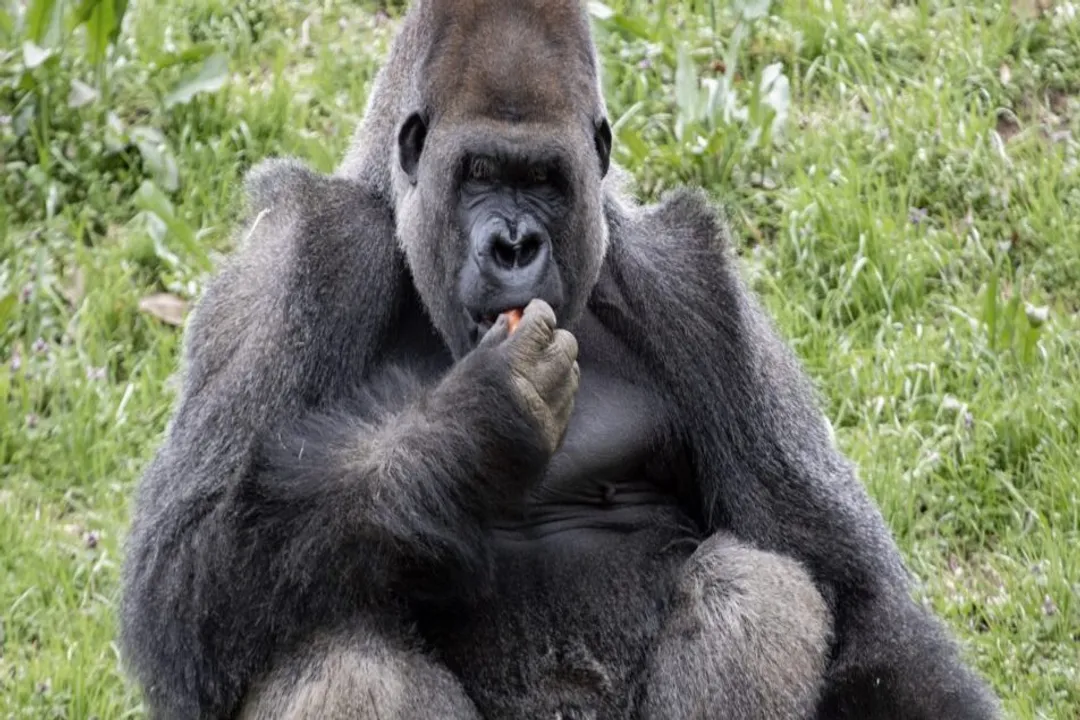
Western gorillas are immensely powerful animals, recognized as the largest primates on Earth. [8] There is a marked difference in size between the sexes, a characteristic known as sexual dimorphism. [3][8] Adult males are substantially larger than females, often weighing between 350 and 450 pounds, and they can stand over five and a half feet tall when erect. [3][6][8] Females typically weigh about half as much as their male counterparts. [8]
The most defining visual characteristic of a mature male is the saddle of silver hair that develops across his back, earning him the title of silverback. [7] This coloration develops as the male reaches maturity and signifies his dominant status within the group. [3][7] While their robust build suggests aggression, these animals are primarily characterized by their strength and often quiet demeanor within their family units. [7] Considering the significant weight difference between adult males, sometimes approaching a 200-pound variance from the adult females, a troop structure relying on a single dominant silverback suggests a high level of energetic investment required to maintain dominance and defend the group's access to often patchy food resources, especially fruit-bearing trees. [3][8]
# Forest Diet
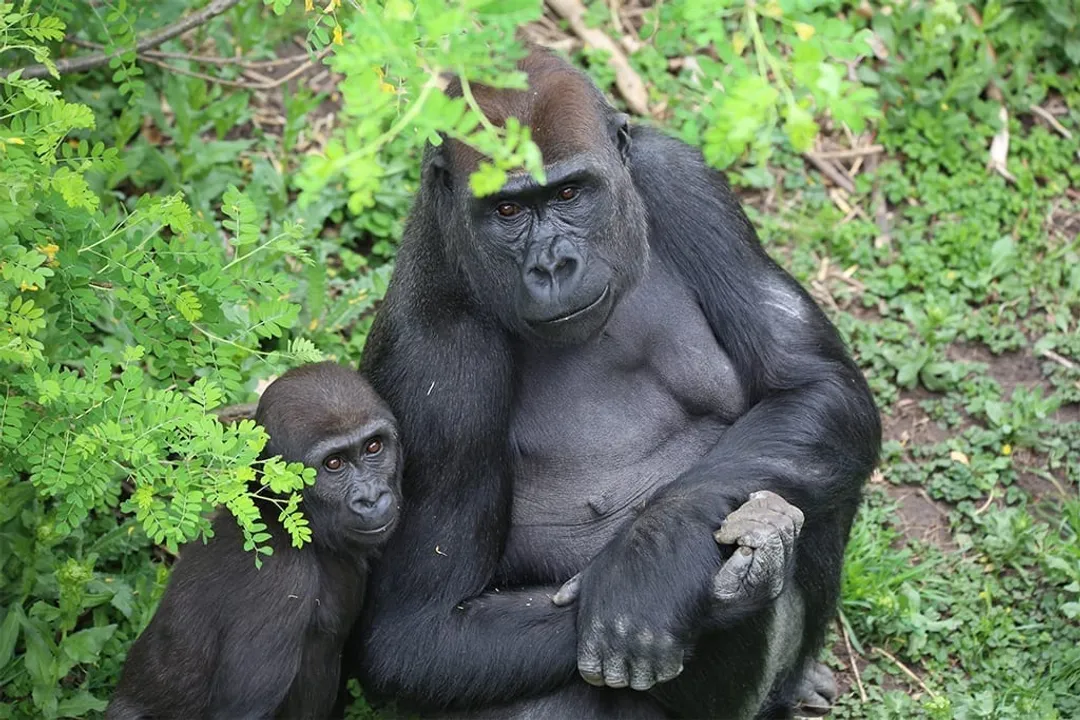
The western gorilla is fundamentally an herbivore. [4] Despite their size and capacity for intimidation, their diet relies almost entirely on vegetation, supplemented only occasionally by small invertebrates. [7][8] While diet composition can shift based on seasonal availability and specific habitat, it generally consists of leaves, stems, pith, bark, and, significantly, fruit. [2][9]
Different sources highlight slightly different dietary emphases, suggesting regional variation in food sources. [1][8] For instance, while one account notes that their diet is about 95% vegetation, [3] another specifies that fruit forms the bulk of the intake for Western Lowland Gorillas, supplemented by leaves, pith, stems, and small insects such as termites and ants. [8] The inclusion of insects, even in small quantities, provides essential protein and nutrients that might be scarce in a purely vegetative diet. [7][8] This reliance on the forest’s bounty means that their day is largely structured around foraging for appropriate forage. [2]
# Social Structure
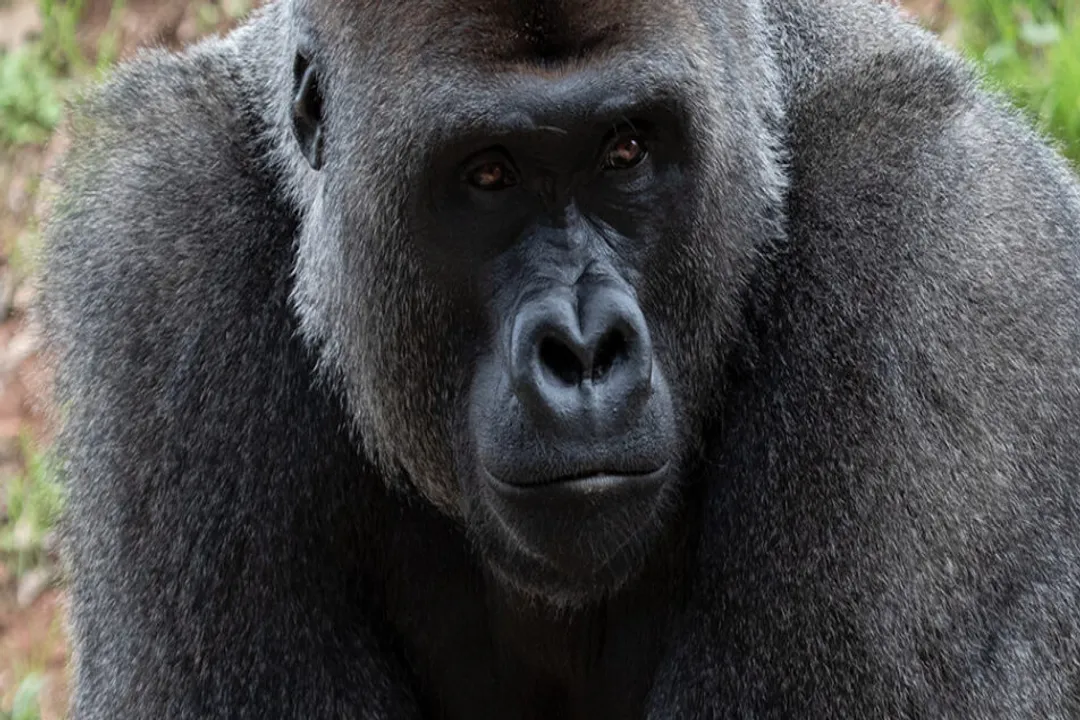
Gorillas live in social groups, often referred to as troops, which are organized around a clear hierarchy. [4] At the apex of this structure is the dominant silverback. [3][4] This leader is responsible for the protection of the group—which can include several females and their offspring—and dictates the group's movements, including where and when to travel and feed. [3]
The troop structure provides safety in numbers, particularly for the younger and more vulnerable members. [3] The presence of a strong silverback deters predators and competing groups. [3] While the silverback is the clear authority, the social dynamics within the rest of the group, primarily composed of subordinate males, females, and juveniles, involve complex interactions that maintain group cohesion when the leader is not immediately involved in conflict resolution or pathfinding. [4]
# Habitat Range
The natural environment of the western gorilla is characterized by tropical and subtropical moist broadleaf forests. [1] Specifically, the Western Lowland Gorilla subspecies makes its home across a broad swath of central Africa. [2] This includes territories in countries such as Nigeria, Cameroon, Gabon, Equatorial Guinea, the Republic of the Congo, and the Central African Republic (CAR). [2][5]
These gorillas do not restrict themselves to a single elevation or forest type. They can be found inhabiting dense rainforests, but they are also adapted to swamp forests and both primary and secondary growth forests. [5][9] This adaptability in forest structure allows them to exploit resources across varied terrain within their range. [9]
# Conservation Status
Regrettably, the outlook for the western gorilla across its range is severe. [5] Both subspecies, particularly the Cross River Gorilla, are listed as Critically Endangered. [1] This dire status is not due to one singular issue, but rather a combination of severe, compounding threats that erode both population numbers and available habitat. [5]
The primary dangers facing these great apes include habitat loss due to logging and agricultural expansion, disease transmission from humans, and persistent poaching for meat or the illegal pet trade. [5] The ecological impact of a single factor, like a disease outbreak, can be catastrophic given the relatively small and often fragmented populations. [5] When comparing the two recognized subspecies, the critically endangered status of the western gorilla as a whole is largely driven by the extreme pressures on the more numerous Western Lowland population, as the Cross River Gorilla is geographically isolated and fewer in number, making any localized threat disproportionately devastating to its species survival numbers. [1][5] Protecting their remaining forest strongholds is viewed as the essential step in ensuring the long-term survival of both types of western gorilla. [5]
Related Questions
#Citations
Western gorilla - Wikipedia
Facts about the western lowland gorilla - IFAW
Physical Characteristics - Western Lowland Gorilla ... - LibGuides
Gorilla gorilla (western gorilla) | INFORMATION - Animal Diversity Web
Western Lowland Gorilla | World Wildlife Fund
Western Lowland Gorilla Facts and Information - Seaworld.org
Western Lowland Gorilla - Denver Zoo Conservation Alliance
Western Lowland Gorilla - Zoo Atlanta
Western Lowland Gorilla | Franklin Park Zoo - Zoo New England