Wasp Facts
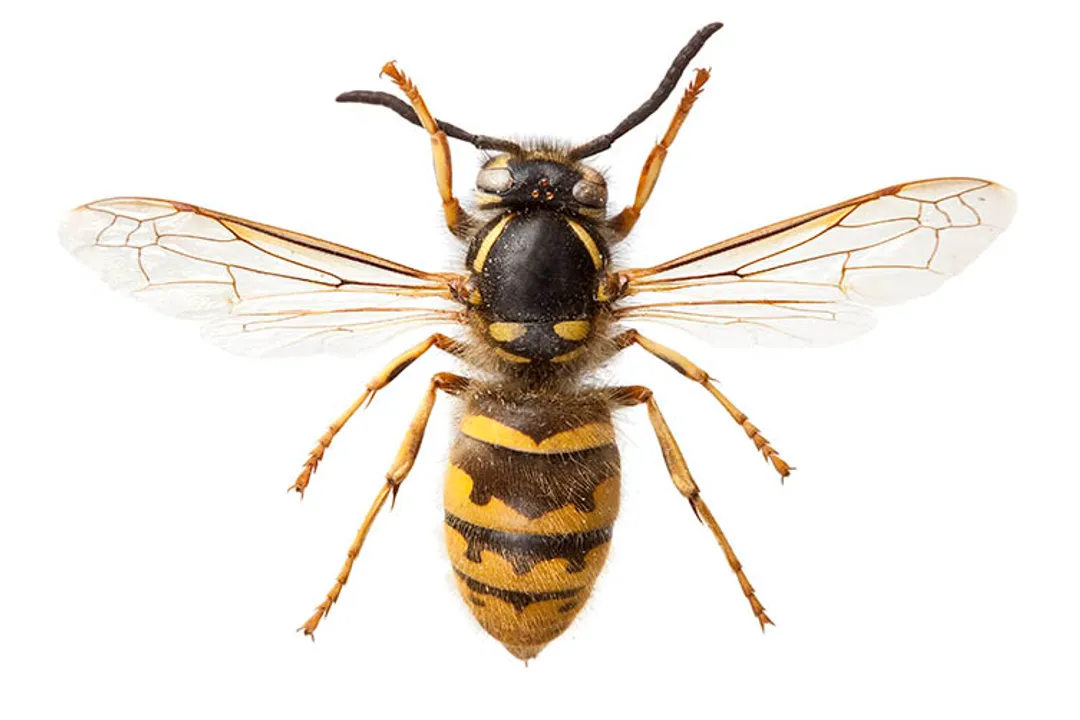
The world of wasps often conjures images of aggression and painful encounters, yet these flying insects represent a vast and ecologically significant order, Hymenoptera, closely related to bees and ants. To understand them is to move past simple fear and appreciate their complex roles, from delicate hunters to prolific nest builders. Unlike many generalizations suggest, not all wasps are social, and their behavior varies dramatically depending on whether they operate alone or as part of a colony. In fact, the vast majority of the more than 100,000 described wasp species lead solitary lives, focusing only on reproduction and securing food for their immediate offspring.
# Insect Lineage
Wasps belong to the order Hymenoptera, which also encompasses sawflies, ants, and bees. Within this group, wasps are generally characterized by having narrow waists—the very distinct connection between the thorax and abdomen—which gives them their characteristic shape. Their bodies are typically less hairy than those of bees, and their wings, when at rest, are folded lengthwise. While many people associate stinging with all wasps, only the females possess stingers, as this structure is a modified ovipositor, the organ used for laying eggs. Males, conversely, are harmless sting-wise. Furthermore, the distinction between social and solitary wasps is a primary divider in their biology. Solitary wasps focus entirely on provisioning their young before they die, whereas social wasps create complex, multi-generational societies.
# Distinguishing Traits
The immediate visual comparison people make is between wasps and bees, and while they share an evolutionary path, key differences exist. The most obvious physical marker is body shape and hair density. Bees, especially honey bees, are often rounder and considerably hairier, adaptations that aid in pollen collection. Wasps, conversely, exhibit that classic, sleek, defined waist. Another functional difference lies in the stinger itself. A honey bee’s barbed stinger usually remains embedded in the victim upon stinging, leading to the bee’s death. Wasps, however, possess smooth stingers that allow them to inject venom repeatedly without fatal consequences to themselves. This capability means a single wasp is a persistent defender of its territory or nest, unlike a honey bee, which gets one shot.
| Feature | Common Wasp | Honey Bee |
|---|---|---|
| Body Shape | Slender, distinct narrow waist | Rounder, robust |
| Hair/Fuzz | Relatively smooth/sparse | Very hairy (for pollen collection) |
| Stinger Use | Can sting repeatedly | Usually stings once (barbed) |
| Primary Diet (Adult) | Sugars, nectar, sometimes carrion | Nectar and pollen |
| Nest Material | Paper (chewed wood pulp) or mud | Wax |
# Nest Building
The construction techniques employed by social wasps are fascinating, leading to the creation of structures that look remarkably like gray or tan paper. This "paper" is not sourced externally but manufactured in situ. Wasps chew wood fibers or plant material and mix the pulverized cellulose with their saliva, forming a pulp that dries into a surprisingly durable material. These nests can vary widely in location and structure. Some species, like yellow jackets, build underground, often taking over abandoned rodent burrows. Others, such as paper wasps, construct open-comb nests under eaves or in sheltered overhangs.
It is interesting to note that the color of the nest material can sometimes hint at the age or recent activity of the colony. An extremely fresh nest, built early in the season, will likely show a lighter, almost creamy or white pulp color, as the workers are using newly processed wood sources. As the season progresses and the colony expands rapidly, workers may be gathering material from whatever is handy—old fence posts, deck railings, or even decomposing plant matter—leading to a darker, mottled gray appearance in the finished structure.
# Diet Ecology
The nutritional requirements of wasps drive their interaction with the local ecosystem, showcasing a fascinating division of labor based on age. Adult wasps primarily consume sugary substances, feeding on nectar, ripe fruits, and even the sugary secretions, called honeydew, produced by aphids. This adult diet means that wasps actively participate in pollination, even if they are less efficient at it than bees due to their sparse body hair.
However, the larvae require a completely different, protein-rich diet to grow. The workers hunt spiders, caterpillars, flies, and other soft-bodied insects, chew them into a protein paste, and feed this to the developing young inside the nest. This predatory instinct is why wasps are incredibly beneficial to gardens and agriculture, acting as natural controllers of common garden pests like aphids and caterpillars. If you observe a wasp repeatedly visiting a specific bush, it is likely not scouting for a fight but is instead diligently hunting the small, soft-bodied insects that its developing brood needs to survive. This crucial larval protein requirement is the engine driving their significant impact on local insect populations throughout the warmer months.
# Sting Behavior
The defensive capabilities of wasps are their most notorious feature. As mentioned, only the female possesses the venom-injecting apparatus, and critically, she can deploy it multiple times against a threat. This ability to sting repeatedly is a major distinction from the single-sting nature of the honey bee. The venom causes pain, swelling, and localized irritation, though for most people, the sting is simply a painful annoyance rather than a serious medical issue, unless an allergic reaction occurs.
Social wasps tend to sting defensively, particularly when their nest is threatened or if they are accidentally trapped against skin (like when one lands on a picnic table or soda can). Solitary wasps, on the other hand, often use their sting not defensively, but offensively, as a means of paralyzing prey that they will then use to provision their young. This means a solitary mud dauber sting, while painful, is an act of resource acquisition for its offspring, not territorial defense against a human intruder.
# Colony Cycles
The life cycle of a social wasp colony is typically annual, tied closely to the changing seasons. The cycle begins in the spring when a fertilized queen emerges from winter hibernation, often having survived underground or in sheltered crevices. Her initial task is singular: build a small starter nest and lay the first few eggs. She feeds the first generation of sterile female workers herself until they mature enough to take over foraging and construction duties.
As summer progresses, the colony grows rapidly, peaking in population size in late summer or early autumn. This is often when human encounters become more frequent, as the need for sugary foods increases and the population is at its maximum density. Once cold weather arrives in the autumn, the entire colony, including the existing workers and the old queen, dies off. Only the newly mated young queens survive the winter by entering a state of dormancy (diapause), ready to start the process anew the following spring. This annual die-off means that the massive nest you see in September will be entirely inactive and abandoned by the following spring, though it may be reused by other insects or weather elements.
# Paper Wasps
Among the social wasps, paper wasps (genus Polistes) are frequently encountered, especially in suburban and rural environments. They are known for their open, umbrella-shaped nests that hang from a single stalk, often attached beneath the overhang of a roof, porch, or window frame. Unlike yellow jackets, which build enclosed paper envelopes around their combs, paper wasp nests are exposed, allowing for easy observation of the larvae developing within the open cells. The queen starts the nest herself, and after the first workers emerge, they help expand the structure, leading to colonies that can house several dozen individuals by the end of the season. Their less aggressive nature compared to yellow jackets often means they tolerate human proximity if the nest is not physically disturbed. If you encounter one of these exposed nests, take a moment to watch the workers; you may notice them scraping wood particles directly off a wooden deck rail nearby, providing direct evidence of their paper-making process.
#Videos
Wasp | Science for Kids - YouTube
Related Questions
#Citations
10 Must-Know Facts About Wasps | Western Exterminator
10 Facts About Wasps - Okeena Termite & Pest Control
Facts about wasps (for little kids) : r/Entomology - Reddit
Wasp - Wikipedia
10 things you didn't know about wasps
Wasps - Hornet & Yellow Jacket Facts - Pest World for Kids
Wasp | Description, Types, Solitary, Social, Parasitoid ... - Britannica
What do wasps do? | Natural History Museum
Wasp | Science for Kids - YouTube
5 Fascinating Wasp Facts | Insights from Fox Pest Control