Walrus Facts
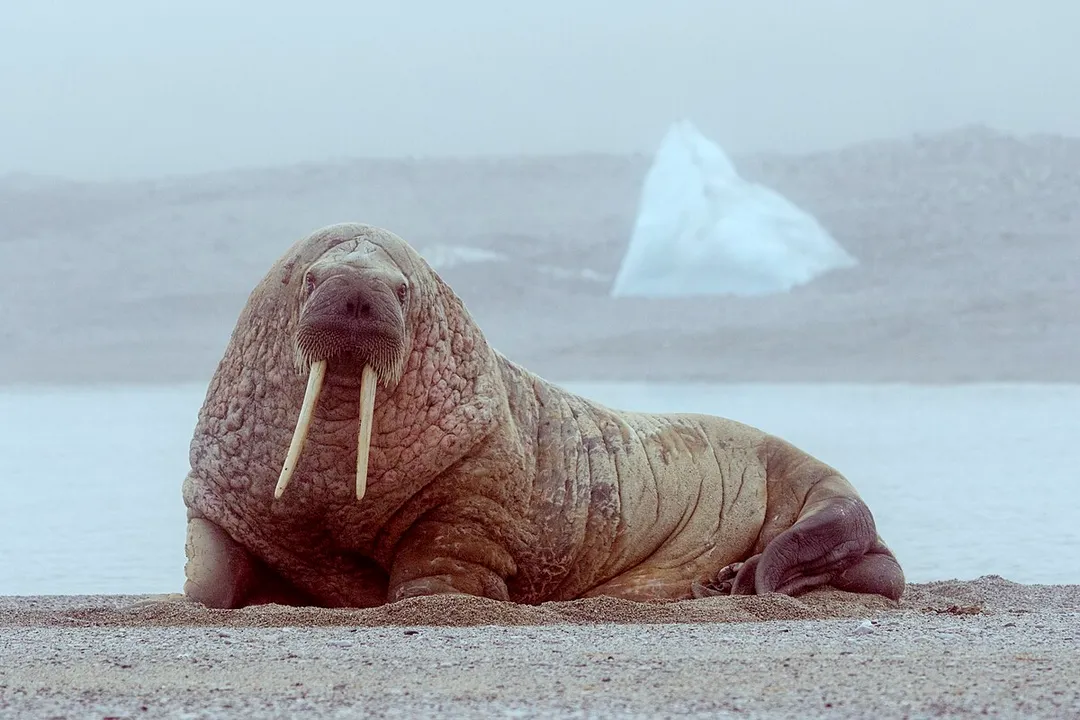
The walrus, Odobenus rosmarus, is an instantly recognizable marine mammal defined by its imposing size and, most famously, its prominent tusks. [4][9] These animals are true icons of the Arctic, perfectly adapted to the cold, icy environments they inhabit across the Northern Hemisphere. [6] They are unique among pinnipeds—the group that includes seals and sea lions—due to their distinct morphology and specialized feeding techniques. [4] A mature male can weigh over 1,500 kilograms, making them giants of the cold seas. [4]
# Tusks Distinctive
The most striking feature of the walrus is its pair of long ivory tusks, which are actually elongated canine teeth that grow throughout their lives. [4] Interestingly, both male (bulls) and female (cows) walruses possess tusks, though the male tusks are generally longer and thicker. [1][3] While many might assume these long ivory spears are the primary tools for digging food out of the muddy seabed, this is a misconception. [1] Instead, walruses use their stiff facial whiskers, called vibrissae, to root around on the bottom. [2] The tusks serve several vital functions, including helping the animal haul its massive body out of the water onto ice floes or land. [1] They are also employed in defense against predators like polar bears and in establishing dominance hierarchies during mating season. [1][4]
# Facial Sensory
The area around the walrus’s muzzle is a dense patch covered with hundreds of short, stiff bristles known as vibrissae. [4] A single walrus can have between 400 and 700 of these specialized whiskers. [4] These whiskers are incredibly sensitive, packed with nerves that allow the walrus to detect subtle movements and identify buried prey, such as clams, in the dark, murky waters of the Arctic floor. [2][3] Once food is located, the walrus doesn't chew in the traditional sense. It presses its mouth against the prey and sucks the soft tissues out with powerful suction, often expelling the empty shell afterward. [1][7] This suction mechanism is quite forceful; in laboratory settings, scientists have observed that a walrus can create a vacuum strong enough to clear out small bivalves. [7]
# Skin Color Change
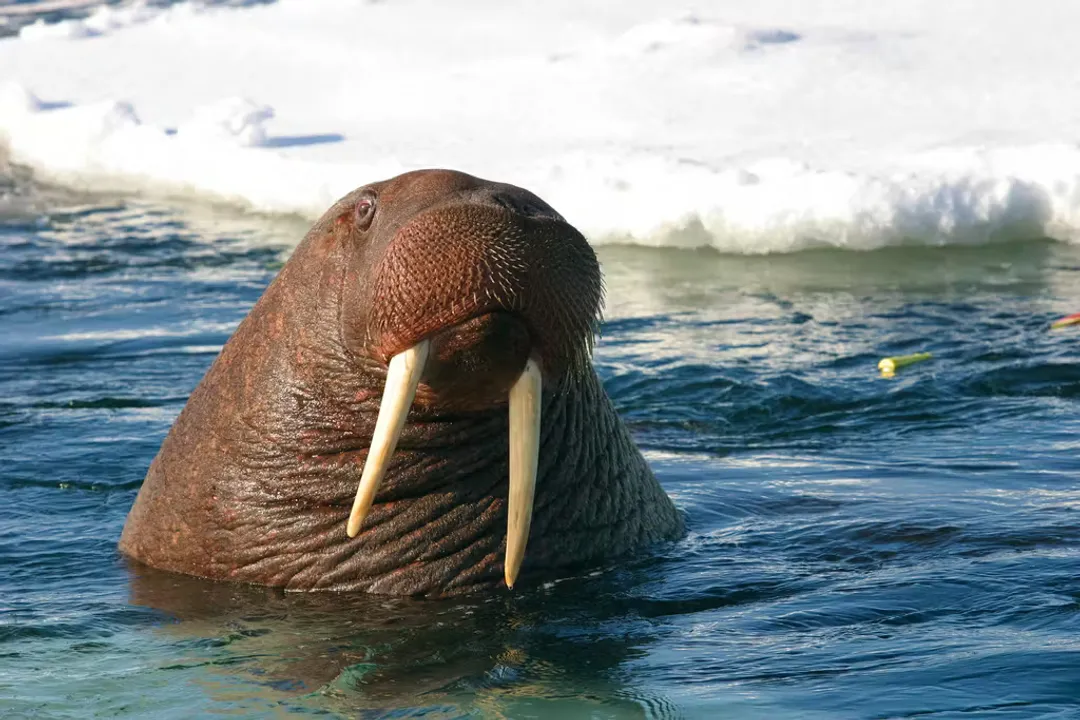
Walrus skin is thick and covered in sparse, coarse hair, but it’s their apparent color that often surprises observers. [4] They can appear dark brown, or, in warmer conditions, take on a distinct reddish-pink hue. [3] This striking color shift isn't due to a change in pigment but rather to blood flow regulation. [4] When a walrus has been actively swimming or is generally cold, blood is diverted away from the skin to conserve core heat, making them look pale or grayish. [4] Conversely, when they rest in warmer air or bask, they dilate the blood vessels near the surface to release heat, causing the skin to flush a noticeable pink or reddish tone. [4] Considering the minimal temperature difference between Arctic ice and their blubber layer, this circulatory adjustment is crucial for maintaining thermal balance during prolonged terrestrial rest periods. [2]
# Social Huddles
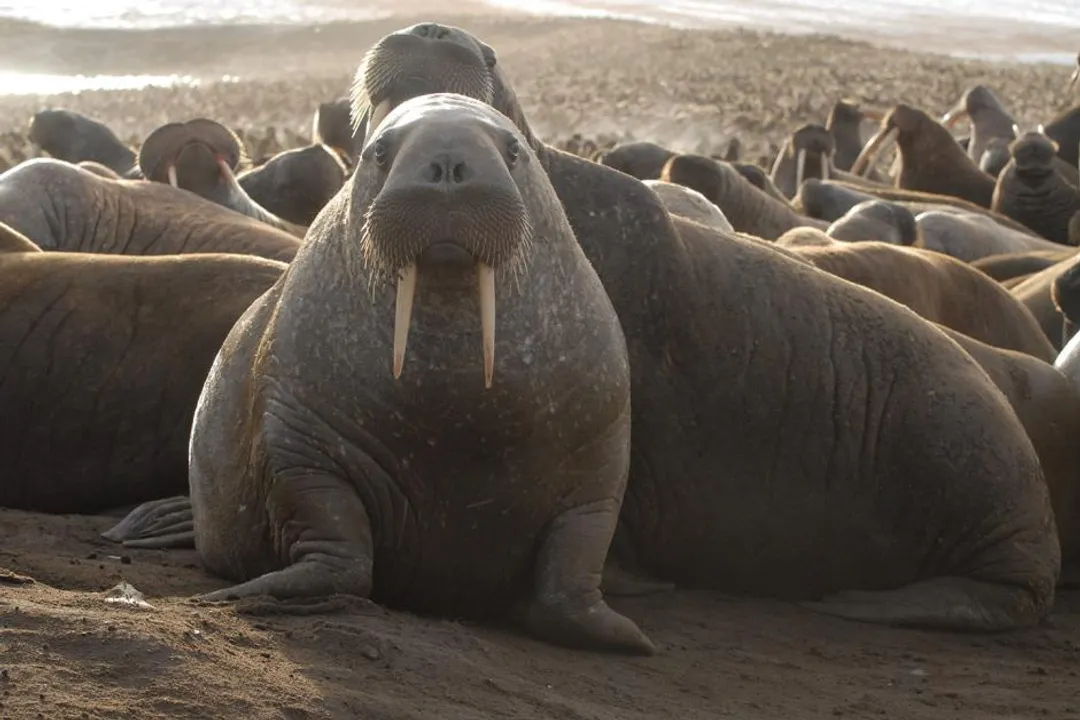
Walruses are fundamentally social creatures that thrive in large, tightly packed groups called haul-outs. [5][6] These gatherings can involve hundreds or even thousands of individuals resting together on ice floes or rocky beaches. [5] The sheer density of a massive haul-out offers undeniable protection; a predator must contend with a wall of tusks and blubber, making individual targeting difficult. [6] While huddling offers safety in numbers, it also presents challenges, particularly when large groups are forced onto land due to sea ice retreat. [5] When resting on land, calves are often found in the center of the throng, sheltered by the bulk of the adults. [5] It is common to observe separate groups for different sexes; adult males often congregate in bachelor groups away from the cow-calf units. [4]
# Arctic Habitat
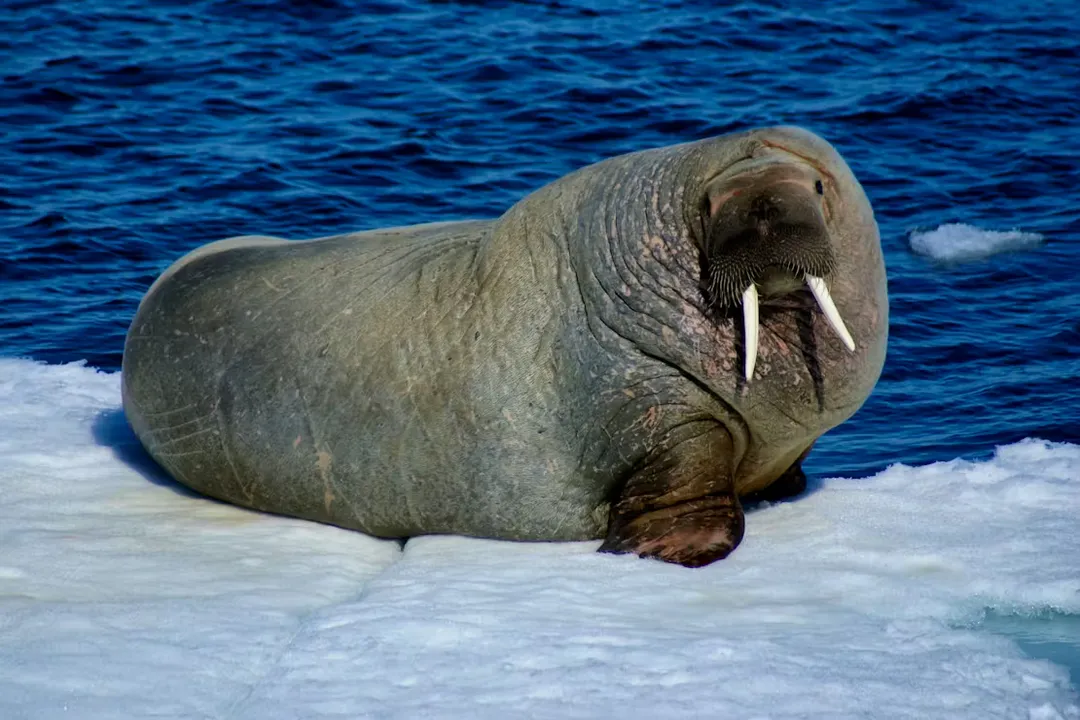
The distribution of walruses is intrinsically linked to the presence of sea ice, which they use as a platform for resting between foraging dives. [6] They are found in shallow areas of the Arctic Ocean and sub-Arctic seas. [4] The Pacific walrus population, the largest group, primarily inhabits the Bering and Chukchi Seas. [7] While they depend on ice, they tend to feed in shallower waters, usually less than 80 meters deep, where they can access the abundant benthic invertebrates that form their diet. [7] The ice acts as a critical mobile base camp; when it melts or retreats far from the shallow feeding grounds, the walruses must swim vast distances to reach suitable resting areas, an energetically costly endeavor. [5] This reliance on ice makes them particularly vulnerable to ongoing climate change impacting the Arctic environment. [6]
# Vocal Communication
Walruses possess a rich auditory world, communicating through a variety of sounds both underwater and in the air. [4] Underwater, they produce distinctive sounds often described as clicks, whistles, and bell-like notes. [4] These sounds are essential for coordination within the group and possibly for locating mates. [4] Above the surface, especially when establishing dominance or during social interactions on the haul-out, they produce loud grunts and roaring noises. [4] The complexity of their sound repertoire suggests a sophisticated level of social interaction that is only partially understood by researchers studying them in their remote environment. [4]
# Reproduction Cycle
The reproductive biology of the walrus is characterized by a relatively slow pace compared to many other marine mammals. [4] Females typically give birth to a single calf after a long gestation period, which can last around 15 months. [4] Calves are born weighing roughly 50 kilograms and are already equipped with short tusks. [9] Nursing is an extended affair, often lasting for a year or more, with the mother providing intense care. [4] This long dependency period means that a female walrus usually only gives birth every two to three years. [4] This slow reproductive rate indicates that populations may take considerable time to recover from significant losses, underscoring the importance of stable environmental conditions for their long-term survival. [4]
# Specialized Feeding
While their diet is heavily reliant on bivalves like clams, mussels, and sea snails found on the seafloor, walruses are opportunistic feeders. [2][7] Their specialized anatomy allows them to exploit these resources efficiently. [7] An interesting observation about their foraging strategy is the high volume of material they process. An adult walrus might consume tens of thousands of clams over the course of a year to meet its energy demands. [2] They are not exclusively vegetarian; they will sometimes prey on seals, particularly slower or younger ones encountered near ice edges, though this accounts for a small fraction of their overall caloric intake. [4] The constant search for these bottom-dwelling organisms dictates their preferred ocean depths. [7]
# An Unexpected Adaptability Note
Considering their massive size and need for energy-rich food, one might assume walruses are poor swimmers or restricted to slow movements. However, their locomotion in water is surprisingly effective. While they spend a great deal of time resting on ice or land, once submerged, they are capable of covering significant distances. The ability to rapidly shift from slow, deliberate bottom-foraging to efficient movement through the water column is key to maximizing feeding time before needing to return to a stable platform. In essence, their massive insulating layer of blubber, which aids in survival, also provides the buoyancy necessary to transition between resting and deep-diving without excessive energy expenditure on stabilization. [2] This balance between thermal mass and hydrodynamic form is a subtle, yet vital, aspect of their Arctic success.
# Conservation Context
Walruses face threats tied directly to their reliance on the Arctic ecosystem. [6] The primary contemporary concern is the rapid decline of sea ice extent and thickness. [6] When the ice recedes too far from the shallow continental shelves where they feed, walruses are forced to haul out in enormous numbers onto coastal beaches. [5] These massive, crowded coastal haul-outs increase stress, raise the risk of trampling young calves, and dramatically increase the distance they must travel to feed, which can lead to starvation if the foraging grounds are too distant. [5] Monitoring these shifting patterns is essential for understanding population health, as shifts in hauling site location can be one of the earliest indicators of ecosystem stress impacting this keystone Arctic species. [7] Effective conservation strategies must, therefore, focus as much on maintaining stable ice cover as on direct protection from hunting pressures. [6]
#Videos
Walrus | Amazing Animals - YouTube
Related Questions
#Citations
10 Wonderful Walrus Facts | Marine Mammals - Point Defiance Zoo
Here are our top 10 facts about Walrus - WWF-UK
10 Wacky Walrus Facts! - National Geographic Kids
Walrus - Wikipedia
A Huddle of Walrus Facts | Defenders of Wildlife
Walrus - WWF Arctic
Pacific Walrus Species Profile, Alaska Department of Fish and Game
10 facts you might not know about the walrus - PolarQuest
Walrus | National Geographic Kids
Walrus | Amazing Animals - YouTube