Wallaby Physical Characteristics
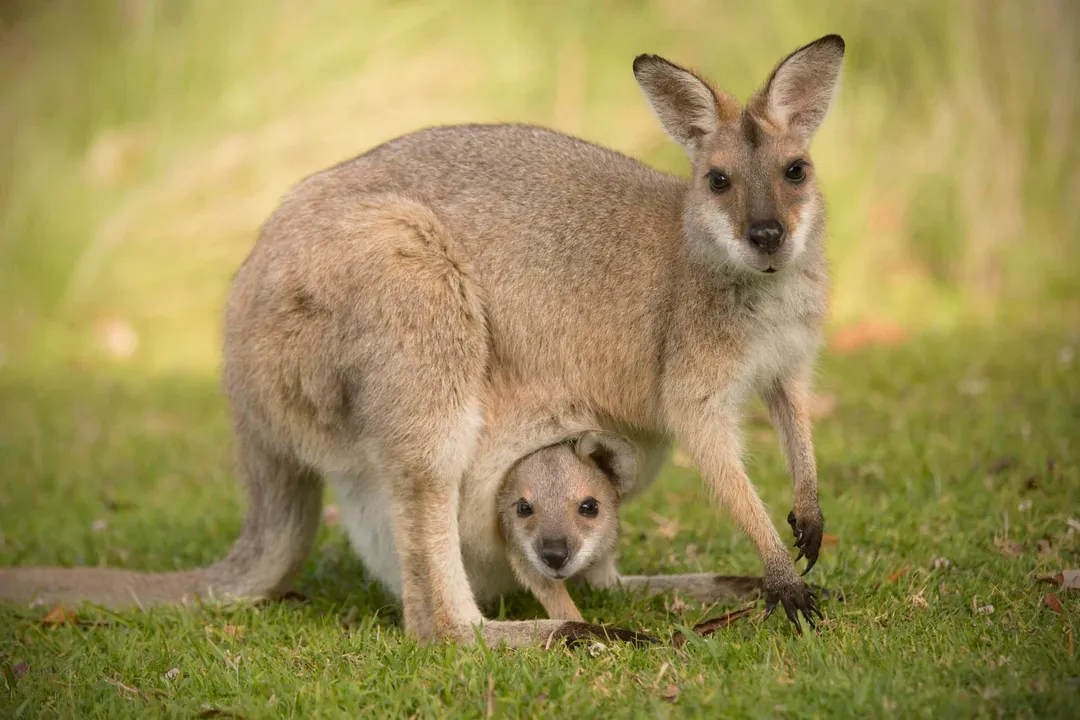
Wallabies, members of the diverse family Macropodidae, share the iconic bipedal hopping structure characteristic of their larger kangaroo cousins, yet they occupy a fascinating niche defined by distinct physical adaptations. Generally, wallabies are medium-sized marsupials, falling somewhere between the tiny rat-kangaroos and the very large kangaroos. Their classification within the family Macropodidae—meaning "large foot"—immediately signals the emphasis on their powerful hindquarters, which dictates nearly every aspect of their body design.
# Macropod Traits
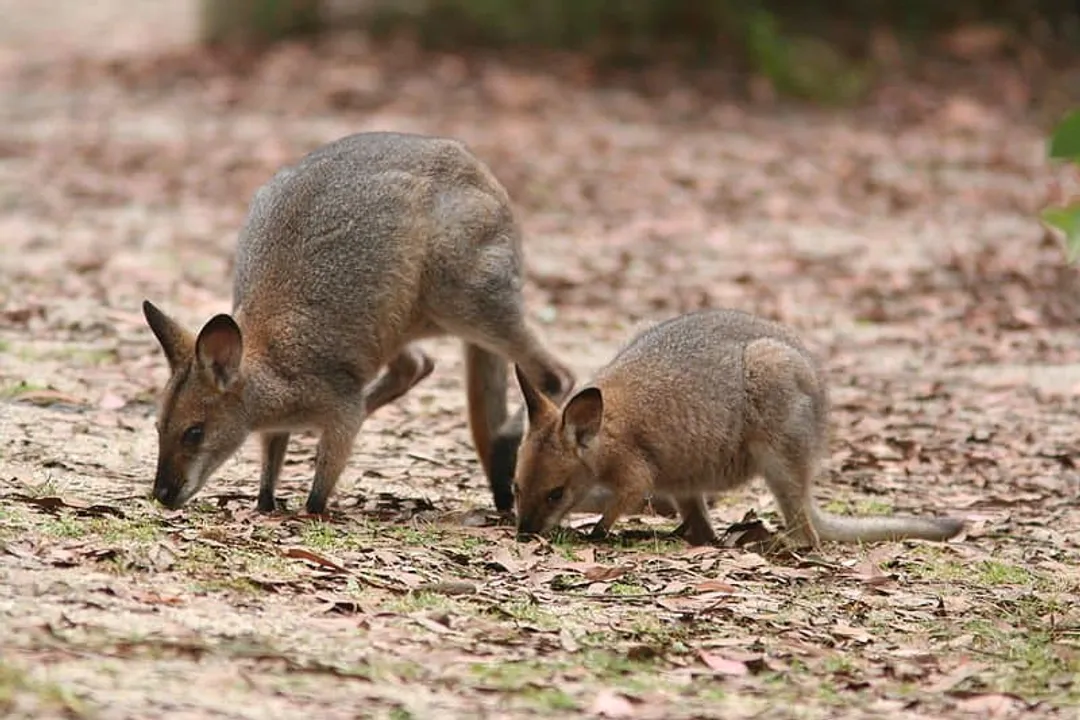
The fundamental physical blueprint for wallabies involves disproportionately large and muscular hind legs compared to their forelimbs. These forelimbs, or pes, are relatively small and usually possess five digits, though they are not used for primary propulsion. Instead, they are employed for feeding, grooming, and grasping objects. A wallaby’s body mass is heavily concentrated toward the rear, providing the necessary power for their primary mode of locomotion: hopping. This structural arrangement is not unique to wallabies but is the defining feature that separates them from most other mammals.
# Size Spectrum
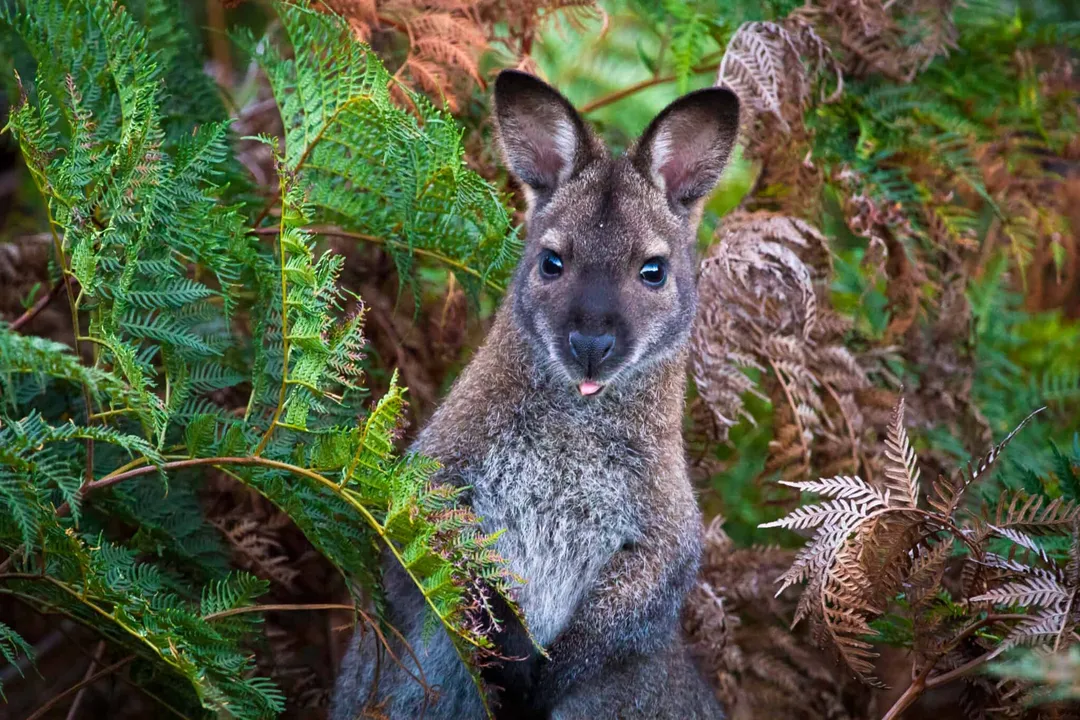
One of the most immediate ways to differentiate wallabies from kangaroos is by size, though there is no strict, universally agreed-upon cutoff, and size varies significantly between the many wallaby species. In general, wallabies rarely exceed the size of a medium dog. For instance, the Agile Wallaby (Macropus gracilis) is on the smaller end, with males typically weighing around 16 kilograms (about 35 pounds) and standing roughly 90 centimeters (3 feet) tall. In contrast, the Red-necked Wallaby (Macropus rufogriseus), also known as Bennett's Wallaby, is substantially larger, often weighing between 13 and 26 kilograms (29 to 57 pounds). Females are consistently smaller than males across most species, a feature known as sexual dimorphism. When observing a group of wallabies, recognizing that the largest wallabies are often similar in size to the smallest kangaroos highlights how fluid the size distinction truly is.
# Hopping Mechanics
The physics governing wallaby movement are remarkable. When moving at speed, wallabies use saltatorial locomotion, or hopping, propelling themselves forward using their massive hind feet and keeping their tails raised off the ground for balance. The long, strong tendons in their legs act like springs, storing and releasing energy efficiently with each bound, which minimizes the metabolic cost of travel at faster speeds. However, when moving slowly, such as when grazing, they adopt a five-point gait, moving their front paws and back feet in tandem, often using the tail as a supportive fifth limb when moving slowly or grazing. Considering the dense undergrowth typical of many Australian habitats, the smaller overall body size of most wallabies compared to kangaroos likely provides an advantage in maneuverability, allowing them to navigate thickets and rocky outcrops more easily without sacrificing too much speed. This slight reduction in overall mass and stature, coupled with powerful, spring-like limbs, is perfectly suited for environments where burst speed through scrub is more vital than sustained, long-distance travel across open plains.
# Tail Support
The tail of a wallaby is a massive, muscular structure, crucial to its physical makeup. Its primary function shifts depending on the speed of movement. While hopping at speed, the tail acts as a counterbalance, much like a tightrope walker’s pole, ensuring stability and directional control. When moving slowly or standing still, however, the tail becomes a tripod, forming a stable base alongside the hind feet. This tripod stance is essential for maintaining upright posture while the small forepaws are freed up to manipulate food or groom. Without this significant muscular appendage, the entire hopping mechanism and stability would be severely compromised.

# Coat Patterns
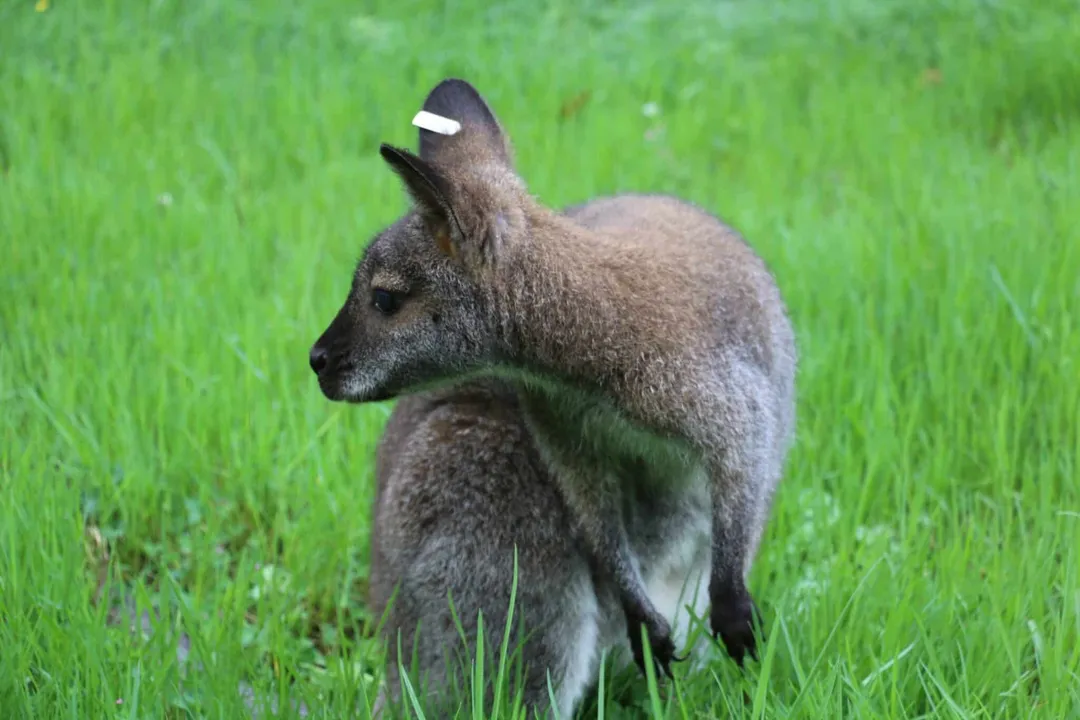
Wallaby fur varies widely, providing camouflage suited to their specific environments, ranging from open woodlands to rocky areas. The Red-necked Wallaby, for example, is generally characterized by a soft, thick, greyish-brown coat. Its namesake feature—a distinct reddish or brownish wash—is present across the neck and shoulders, offering a nice contrast against the greyer body fur.
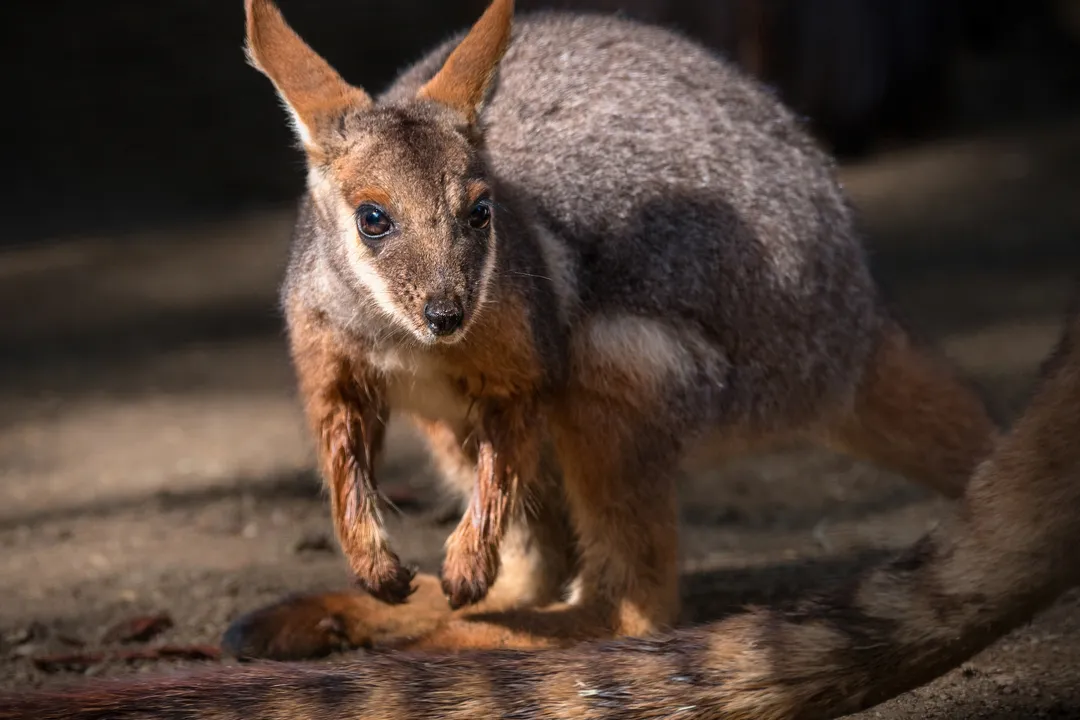
In contrast, the Swamp Wallaby (Wallabia bicolor) often presents a much darker appearance, frequently described as dark brown or nearly black. The Yellow-footed Rock Wallaby (Petrogale xanthopus), adapted for life among rock faces, exhibits one of the most striking colorations. These wallabies typically have a greyish-brown body but possess prominent white stripes on their cheeks and thighs, and they get their name from the distinctive yellow or orange coloration on their lower legs and feet, adaptations perhaps helping them grip textured surfaces or signal within their colonies.
# Facial Features
The head structure across wallaby species is generally elongated, housing large, expressive eyes that provide wide peripheral vision—a necessity for prey animals. Their ears are typically quite large and mobile, allowing them to swivel independently to pinpoint the direction of sounds. While the general shape is similar to kangaroos, there are subtle differences tied to diet. For instance, the Swamp Wallaby is noted for having a slightly different dental formula compared to many Macropus species, which reflects its more varied diet, often including tougher browse that differs from the grasses favored by other macropods. This difference in jaw and tooth structure, while not externally obvious without a close look, is a critical physical characteristic linked directly to foraging behavior. It’s interesting to note that while many wallabies are grazers, the Swamp Wallaby’s dental specialization allows it to process a wider variety of vegetation, illustrating how minor internal structures can dictate ecological roles.

# Species Morphology
Examining a few key species reveals how slight variations in build translate to different lifestyles. The Agile Wallaby is built for speed and bursts of agility in drier environments. Its fur is often described as reddish-brown, and its slender build supports its rapid, evasive movements.
The Yellow-footed Rock Wallaby offers an excellent case study in specialized morphology. Their feet are not just colored yellow; they are structured to provide exceptional traction on rock faces where other macropods would struggle to maintain footing. Their smaller overall size also prevents them from becoming too cumbersome on narrow ledges.
The Bennett's Wallaby, or Red-necked Wallaby, is generally larger and more robust. They are adapted to slightly more open woodland and scrubland areas compared to some of their smaller, more reclusive relatives. Their physical robustness allows them to sustain grazing across a wider range of vegetation types found in their habitat.
To summarize the variation in features among just these few types, we can see a clear link between physical form and function:
| Feature | Agile Wallaby | Red-Necked Wallaby | Yellow-Footed Rock Wallaby |
|---|---|---|---|
| General Size | Smaller, slender | Medium to large | Small, compact |
| Primary Habitat | Drier scrub/woodland | Open woodland/grassland | Rocky areas, cliffs |
| Distinguishing Mark | Reddish-brown fur | Red neck/shoulders | White stripes, yellow feet |
| Key Adaptation | Agility for evasion | Robust build for grazing | Specialized grip for rock |
This comparison clearly demonstrates that while the general Macropod plan is maintained—big feet, small front paws, balancing tail—the nuances in size, color, and foot structure represent evolutionary divergence perfectly tuned to local environmental pressures, whether it be the need for stealth in the scrub or superior grip on stone.
Related Questions
#Citations
Wallaby - Wikipedia
Australian Wallabies | Bush Heritage Australia
Red-necked Wallaby (Notamacropus rufogriseus) Fact Sheet
Bennett's wallaby | Smithsonian's National Zoo and Conservation ...
Wallaby Animal Facts - Macropus
Wallabies | National Geographic
Yellow-Footed Rock Wallaby - Los Angeles Zoo and Botanical ...
Wallabia bicolor (swamp wallaby) - Animal Diversity Web
Agile Wallaby | Oakland Zoo