Wallaby Facts
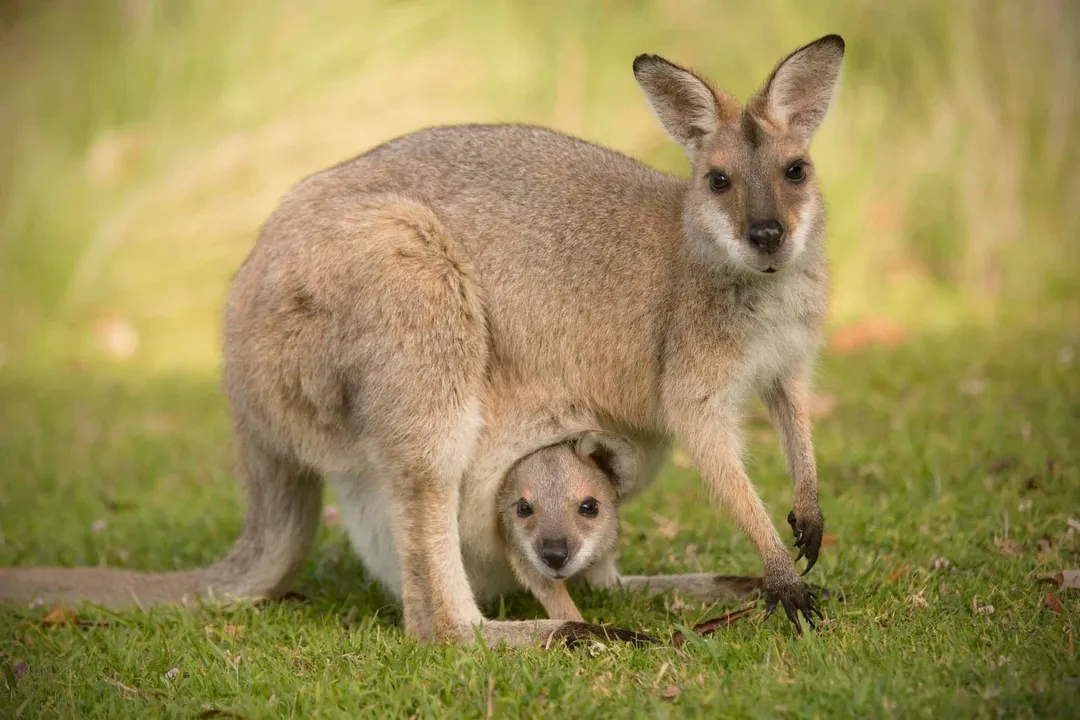
The wallaby is perhaps one of the most recognizable yet frequently misunderstood inhabitants of the Australian and New Guinean landscapes. These unique marsupials belong to the family Macropodidae, which also includes kangaroos and tree-kangaroos. [1][5] While commonly associated with their much larger cousins, the distinction between a kangaroo and a wallaby often boils down to a matter of size, leading to a broad grouping rather than a strictly defined biological separation. [4][6] They are highly adapted to navigating their varied environments, relying on powerful hind limbs and incredible balance to move quickly when necessary. [1][3]
# Size Range
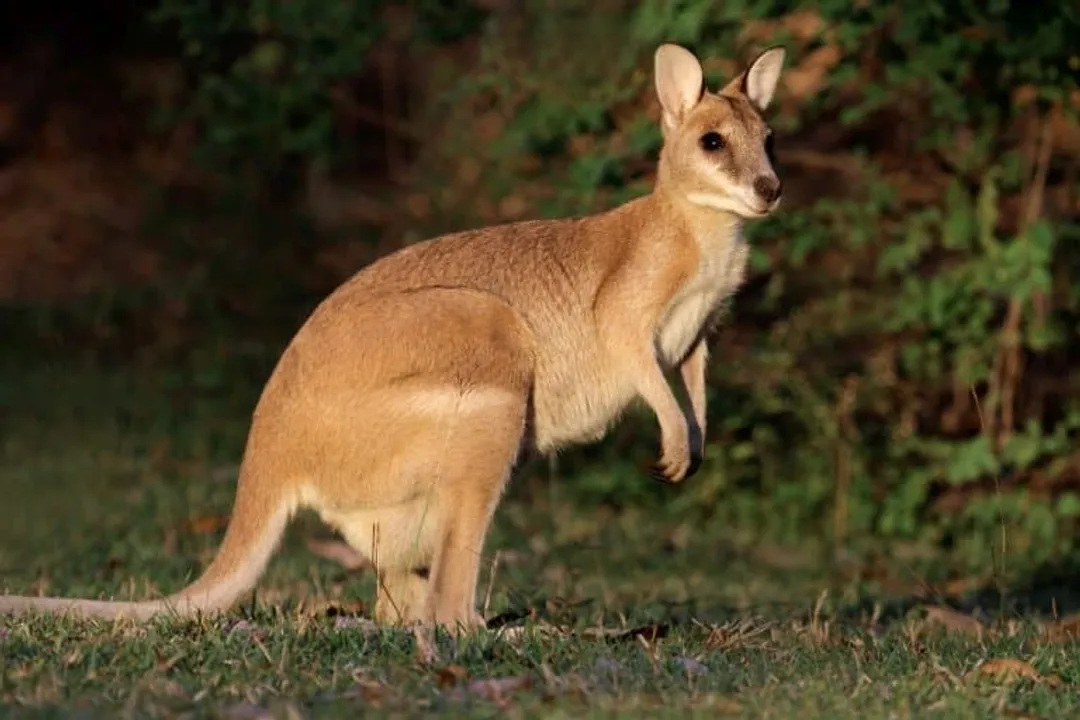
Generally speaking, wallabies are macropods that fit squarely in size between the towering kangaroo and the considerably smaller pademelons. [1][3][6] A defining characteristic cited is that wallabies typically weigh less than 45 pounds (about 20 kilograms) and stand under 3 feet tall, though this categorization remains fluid. [6] For instance, some sources indicate that the larger wallabies can approach the size of smaller kangaroos, blurring the lines considerably. [3][4] It is useful to remember that "wallaby" functions more as a vernacular label for mid-sized macropods than a rigid scientific classification. [4][6] They possess shorter, broader feet compared to the long, narrow feet characteristic of kangaroos, a subtle physical difference that aids their agility in denser terrain. [1]
# Diet Habits
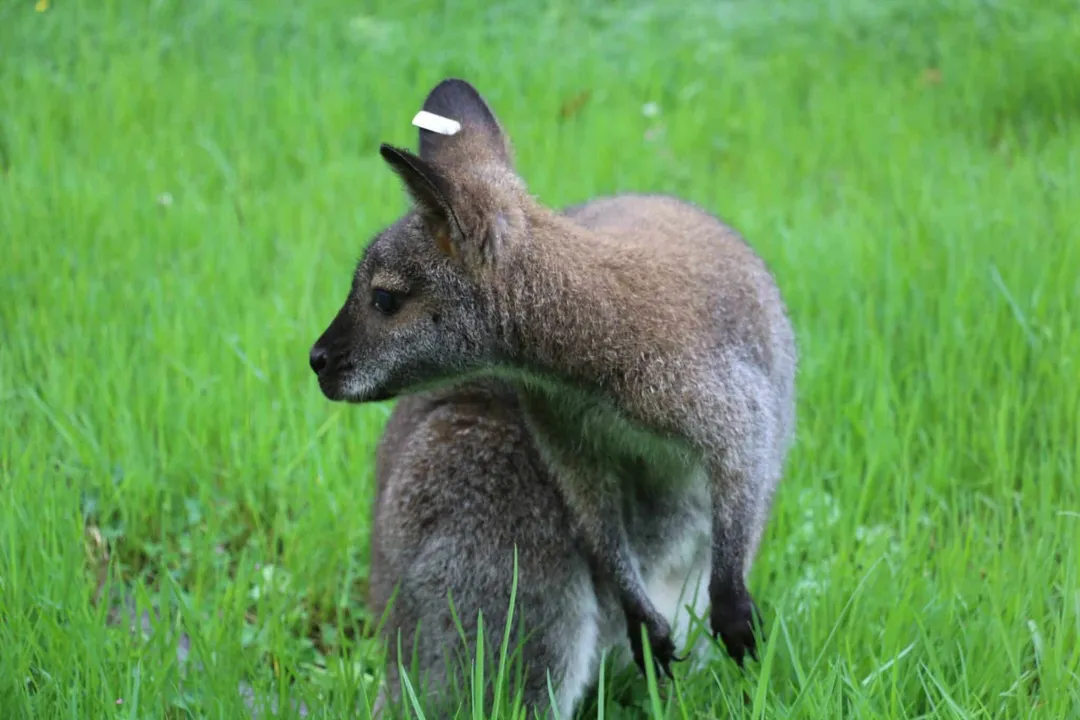
As herbivores, wallabies spend a significant portion of their active time browsing and grazing. [1][2][10] Their diet is primarily composed of grasses, but depending on the specific species and locale, they will also consume roots, ferns, shrubs, leaves, and fruit. [1][5][10] The Swamp Wallaby, for example, is known to eat a wider variety of foliage, sometimes including thorny plants, which sets it apart from the predominantly grass-eating species. [2] They are often described as grazers rather than browsers, though this is heavily dependent on local food availability. [7] In many areas, wallabies are most active during the twilight hours or throughout the night, taking advantage of cooler temperatures to feed, though they can certainly be seen grazing during the day in sheltered areas. [7]
# Movement Style
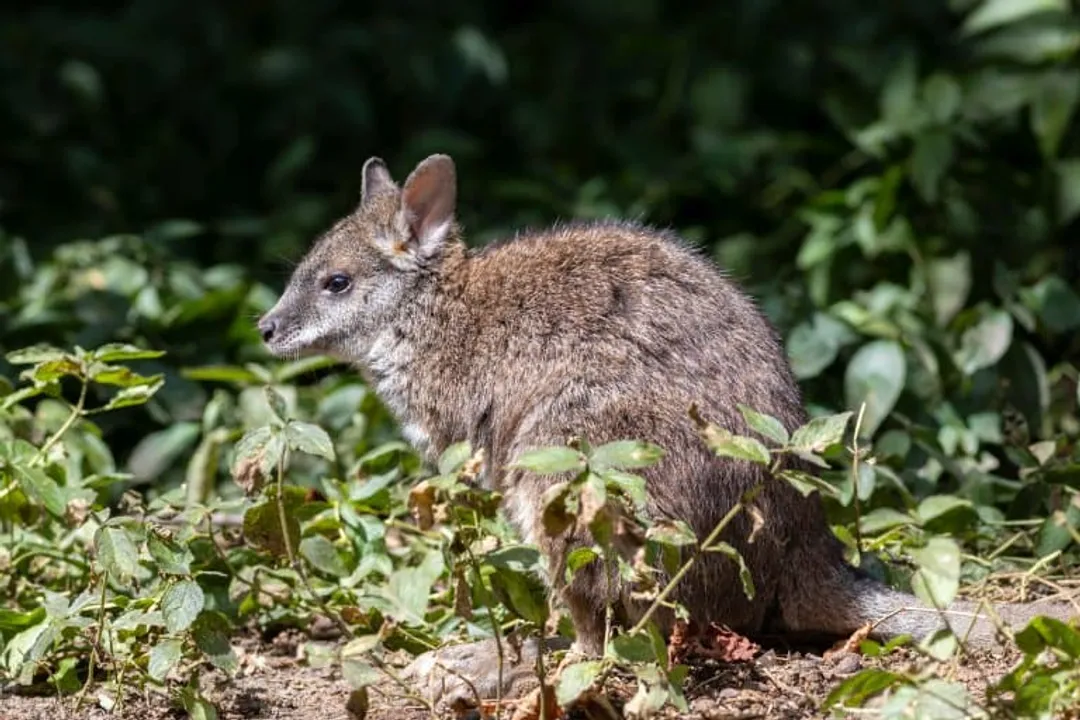
The distinctive hop, or saltation, is the signature mode of travel for wallabies. [1][5] This method involves propelling themselves forward using their immensely powerful hind legs simultaneously. [1][3] To maintain stability during these high-speed maneuvers, the wallaby relies heavily on its long, muscular tail, which acts as a counterbalance or even a tripod when standing still. [1][3][10] When moving slowly, they use a pentapedal gait—moving their front limbs and tail forward together before swinging the hind legs through—but when alarmed, they can achieve impressive speeds, sometimes reaching up to 35 miles per hour (56 kilometers per hour) in short bursts. [5] This powerful locomotion is essential for escaping predators. [1]
# Joey Life
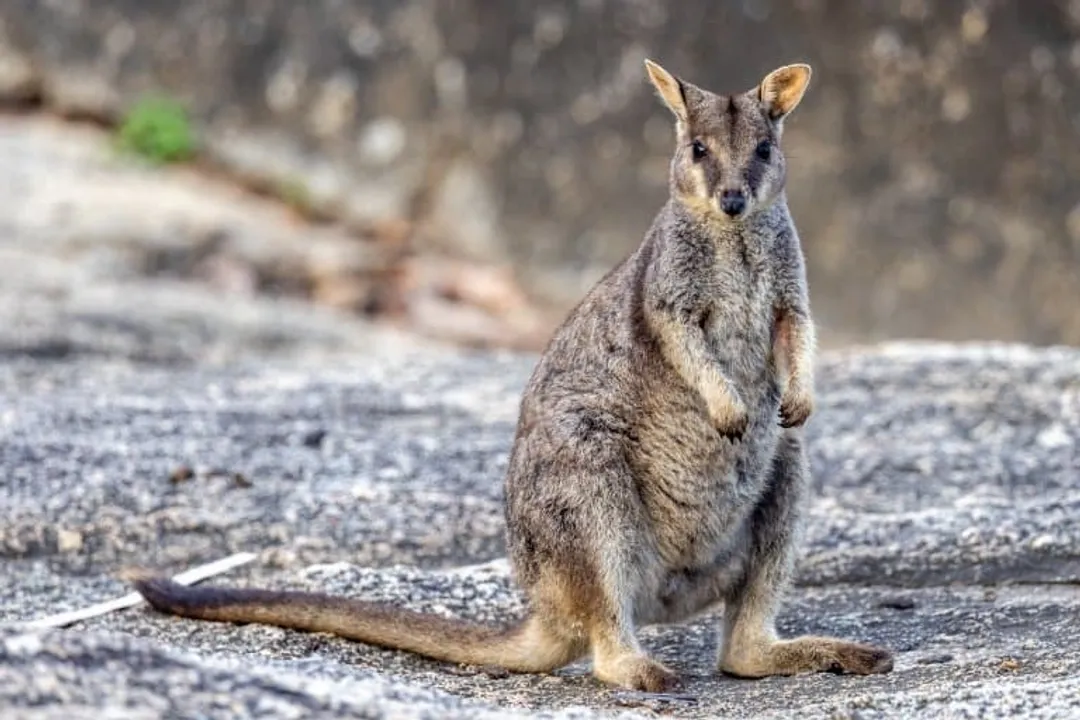
Like all macropods, wallabies are marsupials, meaning the females carry their young, known as joeys, in a specialized abdominal pouch. [1][3][5] The birth process is remarkable: after a very short gestation period, the newborn joey is tiny, often no bigger than a jellybean or a thumbnail, and completely underdeveloped. [1][3] Immediately after birth, this minuscule creature instinctively crawls from the birth canal up through its mother’s fur to find the safety and sustenance of the pouch. [1][5] Once attached to a teat inside the pouch, the joey remains there for several months, continuing its development until it is large enough to venture out briefly, eventually returning to the pouch for protection and nursing until it is weaned. [1][3]
# Species Variety
The term "wallaby" encompasses a wide array of species across Australia and New Guinea, representing an array of ecological niches. [1][5] One of the most commonly recognized types is the Bennett's Wallaby, also known as the Red-necked Wallaby, often featured in zoos globally and well-adapted to various Australian habitats. [5][10] Another well-known species is the Swamp Wallaby (Wallabia bicolor), which can be distinguished by its darker fur and specialized digestive system that allows it to process tougher vegetation than many of its grass-eating relatives. [2] The sheer diversity means that appearances vary greatly; some are small and shy, while others are quite large and more commonly seen in open grazing areas. [3][10]
# Habitat Needs
Wallabies show a strong preference for environments that offer both food sources and immediate security. [2][10] They generally thrive in areas with dense cover, such as woodlands, forests, scrubland, and dense thickets. [2][7] This preference for cover is a key survival strategy, allowing them to feed in slightly more open areas but retreat rapidly into the undergrowth when disturbed. [7][10] For those hoping to observe them in the wild, it's worth noting that while they need grass to eat, they rarely venture far from the boundary where that grass meets the thick scrub—the 'edge habitat' is often the best place to scan, as it provides quick access to forage with an immediate escape route available. [2][7]
# Conservation Challenges
The survival of many wallaby populations is increasingly complicated by human encroachment and habitat change. [2] Habitat destruction, whether through land clearing for agriculture or changes in fire regimes, directly impacts their ability to find both food and shelter. [2] Furthermore, while they are prey for native predators like the dingo, introduced predators such as foxes pose significant threats, especially to smaller or younger individuals. [2] Recognizing that wallabies depend on specific vegetation structures means that management practices which maintain healthy, layered undergrowth are crucial for their long-term persistence in any given region. [2][7] Certain species face conservation status concerns, underscoring the need for careful land management practices across their native range. [2]
#Videos
Wallaby Facts! The Size Of A Gummy Bear At Birth! - YouTube
Related Questions
#Citations
Wallabies | National Geographic
Australian Wallabies | Bush Heritage Australia
10 Astonishing Wallaby Facts - Fact Animal
Wallaby - Wikipedia
Bennett's wallaby | Smithsonian's National Zoo and Conservation ...
wallaby - Kids | Britannica Kids | Homework Help
Wallaby Facts | Australia North Wildlife Guide
Wallaby Facts! The Size Of A Gummy Bear At Birth! - YouTube
Wallaby Animal Facts - Macropus
Wallaby | Whipsnade Zoo