Are Pictus Catfish carnivorous?
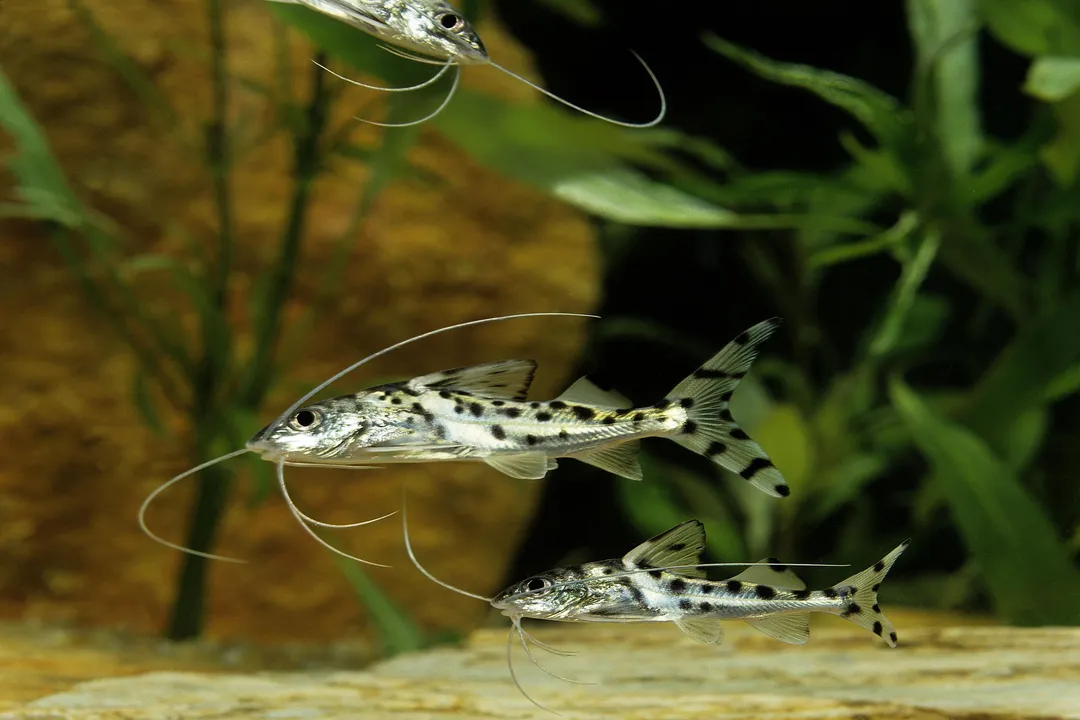
The Pimelodus pictus, commonly known as the Pictus Catfish, is a visually striking inhabitant of the freshwater aquarium, instantly recognizable by its silvery-white body adorned with distinctive black spots. [1][7] These fish originate from the Amazon and Orinoco river basins in South America. [1][3][7] While their beauty draws many hobbyists, understanding their feeding nature is paramount to their successful keeping, as their diet dictates much of their care requirements. [1] The core question revolves around whether these catfish are strictly carnivorous, and the gathered information strongly suggests they are indeed predatory feeders with a preference for meaty fare. [3][7]
# Body Appearance
The physical characteristics of the Pictus Catfish are arguably what first attracts attention. [1] They possess a streamlined, torpedo-shaped body. [7] Their coloration is quite specific: a pale or silvery-white base color accented by numerous dark spots that cover the entire body, including the fins. [1][7] These spots are scattered randomly across their skin. [1] They are also equipped with long, prominent barbels, which are sensory organs they use to navigate and locate food in darker conditions, a common trait among bottom-dwelling catfish. [1][3] In the wild, they can grow quite large, sometimes reaching up to 13 inches, though in home aquariums, they are more commonly found in the 5 to 7-inch range. [1][7] However, it is important to note that even at smaller sizes, their adult dietary needs are already apparent. [3]
# Natural Niche
In their native environments, Pictus Catfish are generally associated with flowing waters in the Amazon and Orinoco basins. [1][7] They inhabit the middle to lower levels of the water column. [7] Knowing their origin helps in setting up an appropriate environment, though their predatory nature means the tank setup is often more about containment and safety for tank mates than strict replication of river conditions. [1] They are known to be nocturnal or crepuscular, meaning they are most active during dawn and dusk, which influences how and when they are fed in an aquarium setting. [3][7]

# Feeding Nature
The primary inquiry into the Pictus Catfish's classification hinges on its diet, and the evidence points squarely toward a carnivorous or, at the very least, a strongly protein-dependent omnivorous role. [3][7] They are described as being omnivorous scavengers, but their feeding behavior often leans heavily toward the animal protein side of the spectrum. [3] Sources indicate they readily consume live or frozen foods such as bloodworms, tubifex worms, and small live fish. [1][3] This strong predatory drive means they actively hunt and consume smaller tank mates. [9]
One significant observation often noted by keepers is the sheer speed at which they consume food. [8] They are very fast eaters. [8] This rapid consumption can be a problem in a community tank, as they may outcompete slower-moving fish for sinking pellets or flakes. [8] If they are maintained in an environment where only slow-sinking or top-floating foods are provided, they can become malnourished because they are not primarily surface feeders, despite their mid-to-low water preference. [7] A diet consisting solely of dry flake food is generally insufficient for this species in the long term, necessitating the inclusion of high-quality protein sources. [3]
When considering their diet, it's worth analyzing the comparison between their feeding preference and their capability. While they are predators, their mouths are not designed for massive prey; they consume what they can physically swallow. [1] For instance, if a fish is slightly too large, the Pictus Catfish might injure it rather than consume it whole, leading to potential health issues for the tank. [1] This emphasizes that while they are carnivorous, responsible feeding involves providing appropriately sized meaty items, not simply trusting them to manage the tank's ecosystem by eating everything small enough to fit. [1]
# Temperament and Tank Mates
Because of their diet and feeding habits, the Pictus Catfish is generally not considered a peaceful community fish, despite being described by some sources as somewhat peaceful when kept alone or with appropriate company. [3] Their predatory nature means that any tank mate small enough to fit into their mouth will likely be eaten. [3][9] This is a critical point for prospective owners to internalize: these are not bottom-dwelling scavengers that peacefully pick at leftovers; they are active hunters. [9]
Forum discussions and keeper experiences often reveal conflict arising from mixed-species tanks. [8][5] One owner mentioned concern about their Pictus Catfish being a potential "foe" rather than a "friend" in a community setting. [5] Another post expressed worry when the Pictus seemed aggressive towards tank mates. [8] The consensus, when diet is concerned, is that their behavior towards smaller fish is instinctual predation, not simple aggression over territory, which is a vital distinction for stocking purposes. [1][9] For example, if you have fish like Neon Tetras or small Guppies, the Pictus will almost certainly view them as food once they mature. [1]
A practical insight derived from observing their feeding speed is in tank mate selection: if you choose larger, fast-moving, or robust fish that are too big to be considered snacks, the Pictus Catfish usually coexists peacefully with them, provided their own nutritional needs are met. [3] They generally do not harass fish that pose no dietary incentive. [1]
# Aquarium Requirements
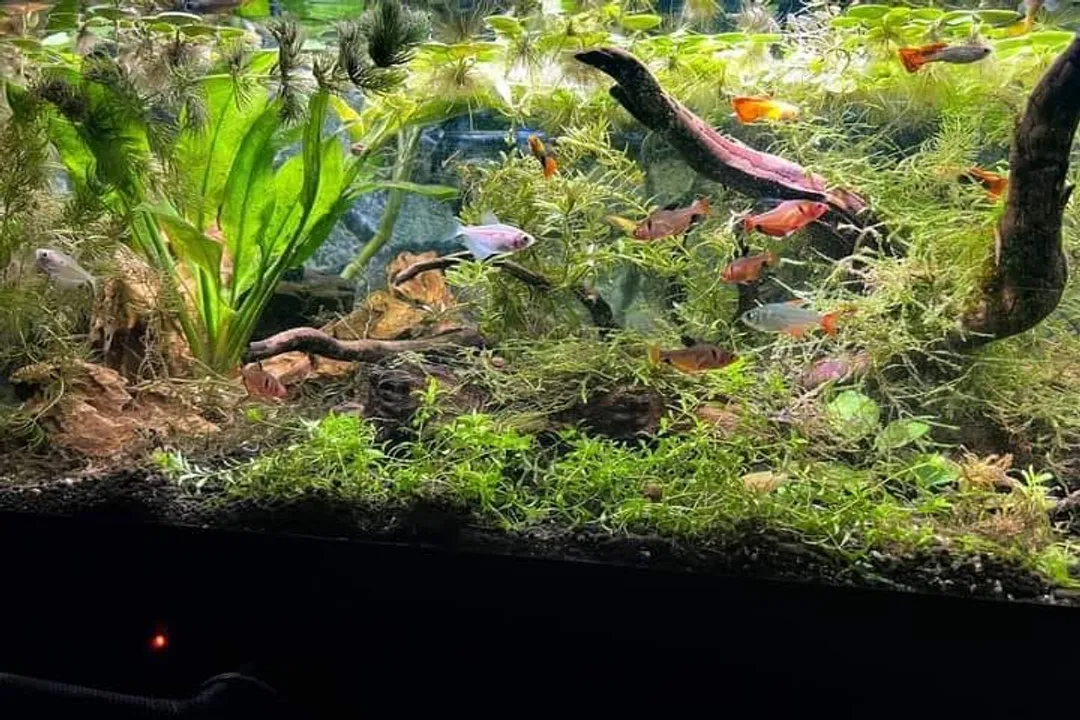
To support a carnivorous, active fish like the Pictus Catfish, the aquarium setup must accommodate their size and activity level. [1] While size varies, a minimum tank size of around 30 gallons is often cited for a juvenile, quickly escalating to 75 gallons or more for an adult. [1][7] Given their potential adult size of up to 7 inches in captivity, providing ample swimming space is necessary to prevent stress, which can lead to nipping or other undesirable behaviors. [1]
Water parameters must be stable, mimicking their native South American rivers: temperatures generally between 72°F and 80°F, a pH between 6.5 and 7.5, and soft to moderately hard water. [1][3] Filtration is extremely important. [1] Because they are heavy eaters and primarily consume meaty foods, their waste production is substantial. [1] High-quality mechanical and biological filtration is essential to manage ammonia and nitrate spikes. [1]
The substrate choice is less about their carnivorous nature and more about their bottom-dwelling habits, but smooth sand or fine gravel is preferable to prevent damage to their sensitive barbels if they root around for food. [3] Providing hiding places, such as driftwood or smooth caves, is also beneficial, especially for when they are resting during daylight hours. [1][7]
# Comparison of Dietary Advice
Examining the sources reveals a consensus on the type of food, even if the specific examples vary slightly. All point away from relying solely on standard flake food. [3][1]
| Food Type | Acceptability | Source Notes |
|---|---|---|
| Dry Flakes/Pellets | Supplemental only | Insufficient alone; must be high quality and sink quickly. [3][8] |
| Live/Frozen Worms | Highly Recommended | Bloodworms and Tubifex worms are excellent staples. [1][3] |
| Small Fish | Consumed readily | Viewed as prey; should be avoided if other fish are present. [1][9] |
| Frozen Meats | Good Alternative | Such as frozen brine shrimp or chopped shrimp/earthworms. [7] |
An interesting point of contrast lies in the implied necessity. One source presents the carnivorous diet as a requirement for health, [7] while another frames it as being omnivorous but preferring protein. [3] This distinction highlights that while they can subsist on high-quality sinking omnivore pellets, their evolutionary drive—and thus their ideal diet—is geared towards high-protein intake, which necessitates the inclusion of worms or prepared meaty foods. [1][3] If you have a tank where all fish readily accept sinking pellets, a Pictus might survive, but it likely won't thrive as well as one receiving its preferred diet. [1][7]
My analysis suggests an actionable tip here: When introducing new frozen or prepared meaty foods, break them into small, easily swallowed portions and target the sinking food toward the bottom area where the catfish are located. Since they are fast eaters, [8] if you have multiple bottom-dwellers, ensure the Pictus does not monopolize the food source before other species (like Corydoras or true bottom scavengers) can access their share. This requires careful observation during feeding time, which speaks to the experience level expected of keepers. [1]
# Longevity and Growth Concerns
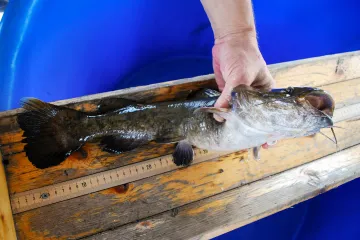
Pictus Catfish have a respectable lifespan potential, often living for 10 years or more when kept in optimal conditions. [1] This long-term commitment is tied directly to the quality of care, particularly diet. [1][7] Stunted growth or poor health due to an inadequate diet composed primarily of non-nutritious fillers can significantly shorten their lives. [7]
Growth is relatively steady in their youth, but their ultimate size demands advanced planning. [1] A common pitfall, especially when purchasing juveniles, is underestimating the space needed for a future 7-inch fish. [7] A tank that seems spacious for a 3-inch fish quickly becomes restrictive, stressing the animal and potentially exacerbating any existing behavioral issues related to feeding competition. [1] Successfully keeping a Pictus Catfish over a decade means consistently upgrading tank size as they mature, a process that begins the day the first one enters the aquarium.
# Breeding Information
Information on breeding Pictus Catfish in home aquariums is sparse in these general care guides, which often suggests it is a difficult or rarely achieved feat. [4] While one source mentions that the forum has topics dedicated to breeding tips, [4] the general profile information does not detail successful captive breeding protocols. This lack of easily accessible, specific breeding data compared to their commonality in the hobby suggests that most captive specimens are sourced from wild-caught populations or commercial breeders operating on a larger scale, rather than small-scale hobbyist breeding projects. [1][7] The focus remains heavily on husbandry and diet rather than reproduction. [1][3][4]
# Final Consideration: Responsible Ownership
To summarize the carnivorous aspect, the Pictus Catfish requires a diet rich in animal protein. [3][7] They are opportunistic hunters and will prey on anything smaller than themselves. [9] Therefore, responsible ownership hinges on creating an environment where their dietary needs are met with high-quality meaty foods, and where potential prey items are never introduced. [1][9] A failure to provide this specialized diet or sufficient space is the most common path to suboptimal health or accidental fatalities among smaller tank inhabitants. [1] Understanding their lightning-fast feeding response is key to managing feeding time in a multi-species environment. [8]
Related Questions
#Citations
Pictus Catfish: Fish Species Profile - The Spruce Pets
Awesome Pictus catfish I found at PetSmart : r/Aquariums - Reddit
Pictus Catfish Species Profile & Advanced Care
Pictus Catfish Care Guide: Essential Tips for Breeding and ...
Pictus Catfish Friend or Foe? - AquariaCentral.com
So...my fish are disappearing. I'm pretty sure my Pictus catfish is the ...
[PDF] Pictus Catfish | Aquarium Industries
Worried About My Pictus - Catfish Forum - Fish Lore
Pictus catfish eats everyone! | Aquatic Plant Forum