Is Nile perch the same as tilapia?
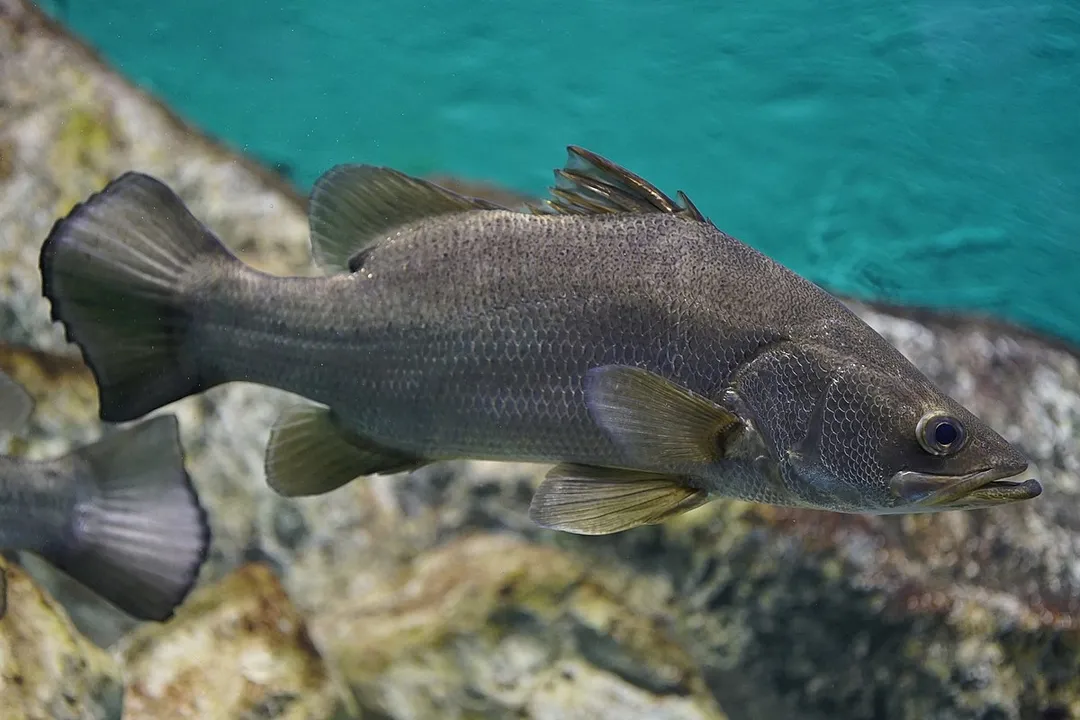
It is a common point of confusion in seafood markets and home kitchens alike: Are Nile perch and tilapia the same fish? Despite both being well-known African-origin species that grace dinner plates worldwide, they are, in fact, entirely distinct creatures belonging to different scientific families. While both are popular white-fleshed fish, comparing them reveals significant differences in their biology, nutritional makeup, and how they thrive in aquatic environments.
# Species Origin
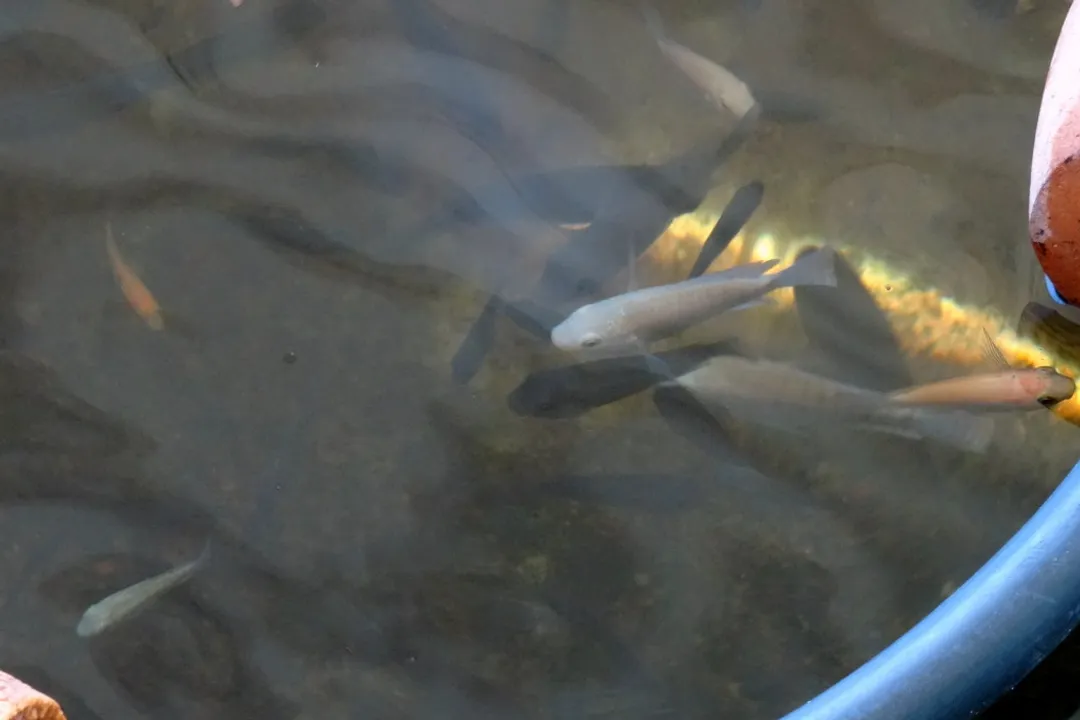
The most fundamental separation between these two is their taxonomic classification. The Nile perch is scientifically known as Lates niloticus. It is a large, predatory member of the Latidae family. Tilapia, on the other hand, is a common name applied to several species of cichlid fish, most frequently those belonging to the genus Oreochromis. While "Nile Perch" might suggest a connection to the perch family many anglers are familiar with, and Tilapia shares part of its name with the Nile river, they occupy different branches on the tree of life.
# Physical Contrast
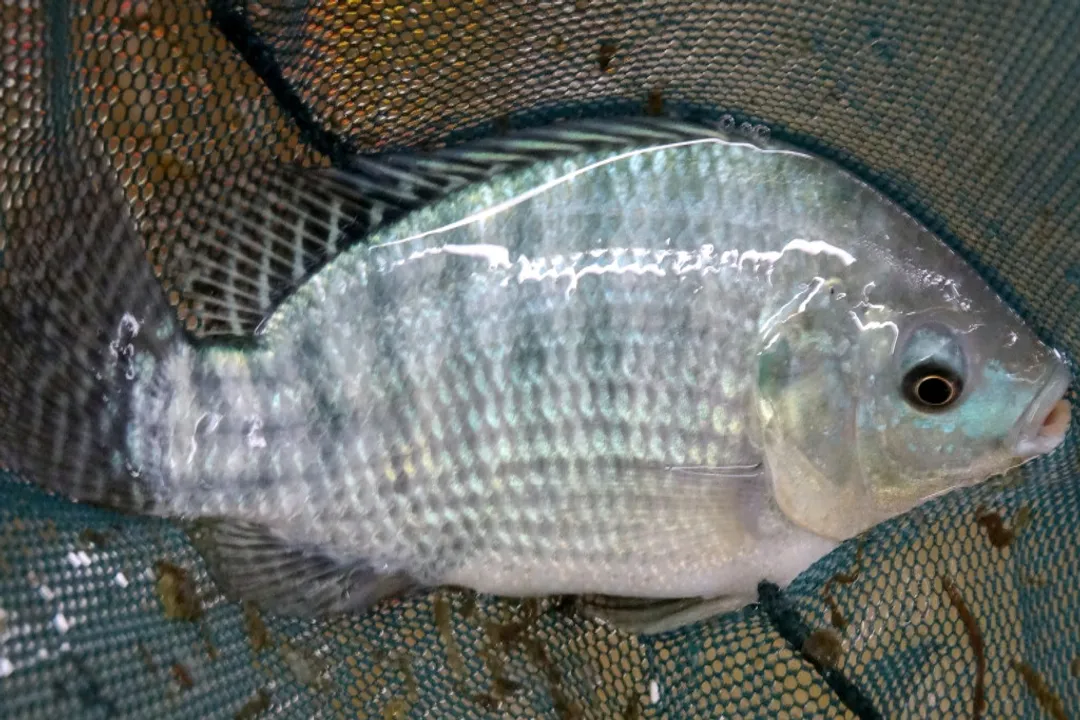
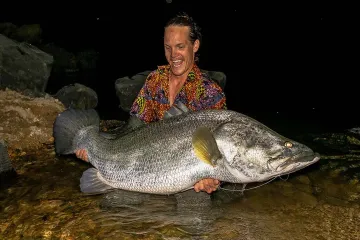
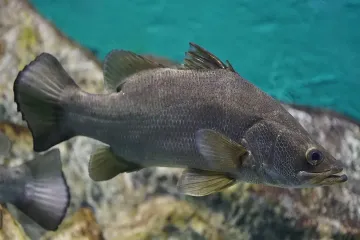
The physical differences between these fish are substantial, especially when considering their potential adult size. The Nile perch is famous—or infamous, depending on the context—for its sheer scale. Native to the Nile River system, it can grow to be an immense predator, sometimes exceeding 200 kilograms in weight and reaching lengths close to two meters. Images comparing the two species clearly illustrate this divergence, with the Nile perch showing a larger head and a more elongated, predatory silhouette compared to the typically deeper-bodied, shorter tilapia.
Tilapia do not approach these colossal sizes. While they are robust fish capable of significant growth depending on the species and conditions, they are generally harvested at much smaller, more manageable sizes suitable for aquaculture. Even when a specific tilapia species might be labeled, such as Blue Tilapia (Oreochromis aureus), its overall growth trajectory and physical structure remain fundamentally different from the Nile perch.
# Nutrient Comparison
When looking at the plates served in restaurants or bought at the market, the distinction between Nile perch and tilapia fillets often boils down to subtle textural differences and comparative nutrient content. Analyzing the macro and micronutrients reveals where they align and diverge.
The following table summarizes some key nutritional differences per 100 grams of cooked fish, highlighting where the variations appear:
| Nutrient (per 100g cooked) | Nile Perch | Tilapia | Observation |
|---|---|---|---|
| Calories | ~150 kcal | ~128 kcal | Slightly higher in perch. |
| Protein | ~28 g | ~26 g | Both are excellent protein sources. |
| Total Fat | ~3.4 g | ~2.4 g | Perch tends to carry slightly more fat. |
| Vitamin B12 | High | Moderate | Perch generally shows a higher concentration. |
| Selenium | High | Moderate | Perch often has more. |
While both fish are lean sources of high-quality protein, the Nile perch fillet generally registers slightly higher in total calories and total fat content compared to the commonly farmed tilapia. This small difference in fat content can translate to a slight variation in mouthfeel. Furthermore, specific micronutrients, such as Vitamin B12 and selenium, often show higher levels in the Nile perch compared to tilapia. For consumers focused on maximizing specific vitamin intake, the Nile perch might offer a slight edge, though both are nutritionally sound choices.
# Habitat and Environment
The natural settings and environmental tolerances of these two groups of fish vary greatly, which impacts how they are managed in commercial settings.
Tilapia are renowned for their hardiness. They are extremely adaptable, tolerating a wide range of water conditions, including low dissolved oxygen levels and fluctuating temperatures, provided they remain above certain thresholds for survival. This resilience is one reason why tilapia aquaculture has spread globally; they are relatively easy to raise in controlled pond systems. Some species, like the Nile Tilapia (Oreochromis niloticus), are particularly important in tropical and subtropical aquaculture operations.
The Nile perch, in contrast, is historically associated with large African freshwater systems like Lake Victoria. While it requires significant space due to its ultimate size, its ecological role is vastly different from the managed production of tilapia. In fact, the introduction of the Nile perch into Lake Victoria is a famous, though ecologically disastrous, example of an invasive predator impacting native biodiversity.
When considering aquaculture, one might ask if these two species can share a pond. The answer, rooted in their biology, is generally no, especially if the Nile perch is intended to grow large. Due to its predatory nature, the Nile perch will consume smaller fish, making cohabitation with smaller tilapia unfeasible for sustainable harvesting of the latter. The management of tilapia in ponds must account for their potential predators, and a large, established Nile perch definitely falls into that category.
# Market Presence
The presence of these fish in the global market reflects their different production methods. Tilapia is a true aquaculture superstar. Its rapid growth rate, tolerance for high-density farming, and relatively mild flavor profile have made it one of the most widely farmed fish in the world. This widespread, controlled production often leads to lower, more consistent pricing and availability in many international markets.
Nile perch, while also farmed to some extent, often retains a stronger association with wild catch or large-scale, semi-wild lake harvesting operations. This can sometimes lead to higher price volatility or a perception of it being a more "premium" or specialized product in certain regions, simply due to the logistics involved in landing such large specimens.
If you find yourself looking at two similar-looking white fillets, understanding the typical market channel can offer a clue. The one sourced from massive, efficient pond systems is almost certainly tilapia, bred specifically for that purpose. The other, perhaps with a slightly denser flake, might be the perch, which is more of a giant predator harvested from open waters.
# Flavor and Texture
While scientific classifications separate them completely, the human experience of eating them brings them into closer comparison, as both offer a mild, white-fleshed product. However, subtle differences in texture and flavor exist that dedicated fish lovers notice.
Tilapia is generally known for its very mild, slightly sweet taste and a texture that is moderately firm yet flaky when cooked properly. Because it is often farmed in controlled conditions, its flavor profile tends to be consistent.
Nile perch, owing to its slightly higher fat content and larger muscle structure as a predator, tends to present a firmer, somewhat steak-like texture compared to tilapia. Its flavor is also mild but might carry a deeper, richer note compared to the very subtle sweetness often attributed to tilapia. The difference in fat distribution contributes significantly to how the fish holds up to different cooking methods; the slightly firmer perch can often stand up better to grilling or harsher dry heat without flaking apart as easily as tilapia might.
# Managing Expectations
For the home cook, the key takeaway is that while both fish are excellent sources of lean protein, they are not interchangeable in every recipe or cooking scenario. If a recipe calls for a very delicate, quick-cooking fillet, tilapia excels due to its lower fat and smaller flake size. If the desired outcome is a hearty, robust piece of fish that can handle an aggressive sear or a strong marinade, the structure of the Nile perch might be preferable. Recognizing the distinct biological backgrounds—one an adaptable farmed cichlid, the other a giant predatory centromachine—helps set accurate expectations for both the sourcing and the final plate.
Related Questions
#Citations
Perch vs. Tilapia — Health Impact and Nutrition Comparison
What fish is tilapia or nile perch in Florida?
Nile perch or tilapia? | Waterline
Nile perch
r/Fishing - What species is this in Florida?
Tilapia - Aquaculture, Fisheries, & Pond Management
Images illustrating the utilized fish species, a Nile Perch, b ...
https://www.quora.com/Can-tilapia-fish-be-reared-i...