Is ocean perch the same as orange roughy?
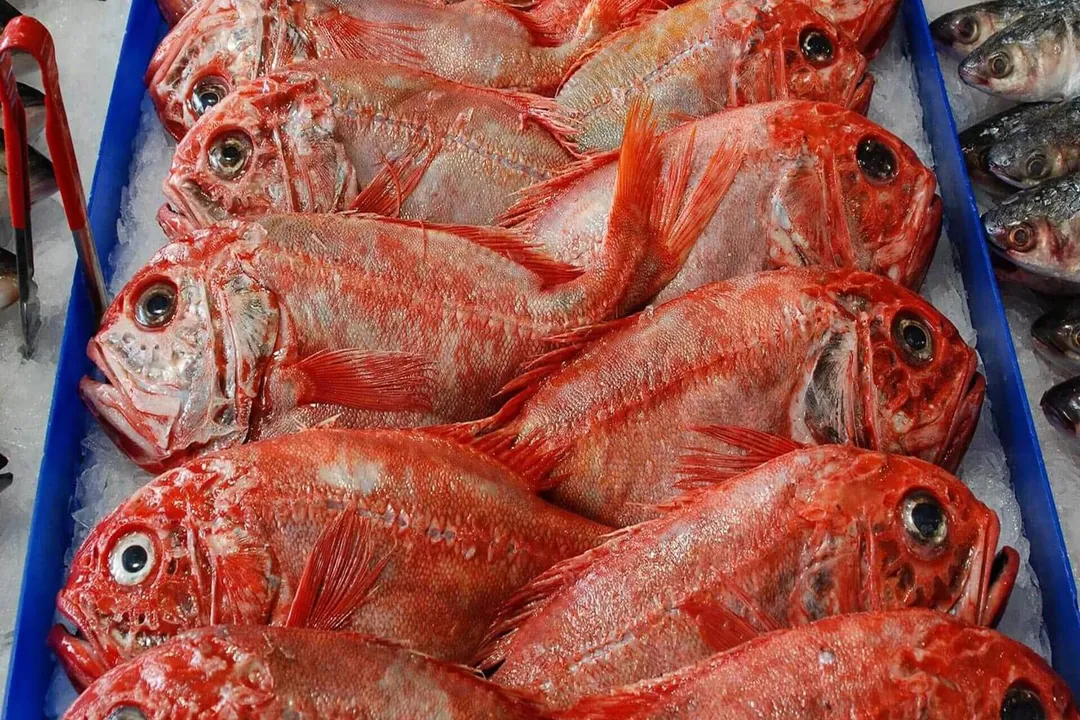
The casual glance at a seafood menu might easily conflate fish with similar-sounding names, and the comparison between ocean perch and orange roughy is a prime example of where the naming conventions of the sea can become decidedly confusing. While one name explicitly includes the word "perch" and the other carries a common moniker of "deep sea perch," these two deep-dwelling species are not closely related and possess vastly different biological profiles and historical sustainability challenges. Understanding the difference is not just an exercise in marine biology; it informs consumer choice and fishing practices across global markets.
# Taxonomic Misnomer
The primary point of clarification begins with their scientific classification. The fish commonly marketed as Ocean Perch in North America is, somewhat misleadingly, not a true perch at all. It is a member of the Sebastes genus, which means it is actually a type of rockfish. Specifically, the species prevalent in Atlantic waters is Sebastes marinus. The use of "perch" in its name appears to be a marketing tactic, particularly strong in the US Midwest, where the name appeals to the familiarity of freshwater perch species.
In stark contrast, the Orange Roughy (Hoplostethus atlanticus) belongs to an entirely different family, Trachichthyidae, commonly known as the slimehead family. While it is sometimes referred to as deep sea perch or red roughy, its true kinship lies elsewhere. This naming overlap—one being called a perch because it sells better, and the other being called a deep sea perch—creates the perfect scenario for consumer mix-ups on the water and on the plate.
# Habitat Depths
A significant, quantifiable difference between the two lies in where they reside in the ocean. Atlantic Ocean Perch is described as a deepwater fish, found in offshore Atlantic waters stretching from southern Labrador down to the Gulf of Maine on one side, and near Iceland, Denmark, Germany, and Norway on the other. While deepwater, they are generally found in shallower ranges compared to their orange counterpart.
Orange Roughy, conversely, are inhabitants of extreme depths. They are found over steep continental slopes and ocean ridges, typically in waters ranging from $700$ to $1,400$ metres deep, or sometimes between $800$ to $1,600$ metres. This habitat anchors them in the bathypelagic zone, where they are relatively sedentary, forming dense spawning aggregations near rough bottoms, seamounts, or submerged hills. The fact that Orange Roughy packs on fat for survival in these cold, deep environments contributes directly to its highly succulent texture when cooked.
# Lifespan Contrast
When comparing the life histories of these two deep-sea dwellers, the disparity is dramatic, directly impacting how their stocks can withstand fishing pressure. Atlantic Ocean Perch is noted as being slow-growing. However, the data available for Orange Roughy shows an extraordinary longevity that places it among the longest-lived commercial fish species known.
Estimates for Orange Roughy lifespan often exceed $140$ years, with some scientific estimates, derived from radiometric dating of otoliths (ear bones), suggesting individuals may live past $200$ or even $250$ years. Furthermore, they are exceptionally late to reach reproductive maturity, often not breeding until they are $27$ to $40$ years old. This combination of slow growth, extreme age, and late spawning means their resilience to population decline is extremely low. If a population is heavily fished down in a short time, as occurred in the 1980s and 90s, recovery takes many decades, even with strict management in place.
# Culinary Profile
For the consumer, the final product on the table is often the most relevant point of comparison. Both species share a mild flavor profile, making them versatile additions to various dishes.
Atlantic Ocean Perch is described as mild tasting yet slightly sweet, possessing a moderately firm and flaky white flesh. Its texture can become coarser if the fish is very large. It holds up well in robust applications like soups, chowders, and stews, and is often served whole, steamed, or deep-fried in Asian cuisine.
Orange Roughy, meanwhile, is renowned for its premium quality, featuring pearly white flesh with large flakes that maintain their structure well during cooking. Its moderate oil content, accumulated from its deep habitat, ensures a moist and succulent result. Chefs often recommend using skinned fillets due to its delicate flavor, which pairs well with butter sauces or light herbs, and it handles methods like sautéing, poaching, and baking effectively.
For a side-by-side look at their general characteristics:
| Feature | Atlantic Ocean Perch (Sebastes marinus) | Orange Roughy (Hoplostethus atlanticus) |
|---|---|---|
| True Family | Rockfish (Genus Sebastes) | Slimehead (Family Trachichthyidae) |
| Typical Depth | Offshore Atlantic waters | Deepwater: $700$–$1,600$ meters |
| Max Age | Not explicitly stated, but much shorter than Roughy | Over $140$ years, up to $250$+ |
| Flesh Quality | White, flaky, moderately firm | Pearly white, large flakes, succulent |
| Common Names | Redfish, Rosefish | Slimehead, Red Roughy, Deep Sea Perch |
# Sustainability Concerns
The differences in life history naturally translate into divergent sustainability narratives. Because Orange Roughy is so slow to mature and lives so long, the stocks that were heavily exploited starting in the late 1970s faced catastrophic declines. This vulnerability has led to listings as 'conservation dependent' in some regions.
It is an interesting observation that a species with such a fragile biological structure has rebounded enough in key areas to secure certifications. For instance, the New Zealand fishery was the first in the world to achieve MSC certification in 2016, demonstrating that high-impact fishing methods, like bottom trawling, can be paired with aggressive management (like historical catch freezes) to allow stocks to rebuild. The Australian management, however, presents a more cautionary tale where rebuilding targets are occasionally set higher than scientific recommendations, and the fishing method has been linked to significant, long-lasting damage to deep-sea coral reefs on seamounts.
Atlantic Ocean Perch, while also slow-growing and trawl-caught, does not carry the same immediate global conservation red flag as Orange Roughy, partly because it is a rockfish with generally shorter lifespans and different stock dynamics, though sustainable status remains dependent on local fishery management practices. The very slow recovery time of Orange Roughy stocks—with one major fishery not expected to reach truly sustainable levels until after 2070—highlights that for species living centuries, the damage from historical fishing can take multiple human generations to correct.
# Fishery Practices
Both species are primarily harvested using bottom trawling gear, a method that brings them up from the deep sea. For Orange Roughy fisheries, particularly in Australia, this method operates around seamounts where the fish congregate for spawning. This focus on aggregations, combined with the use of bottom trawls, has raised ecological concerns regarding habitat destruction of vulnerable deep-sea corals and sponges. Management strategies often include spatial closures and monitoring programs to try and mitigate these effects.
For the Atlantic Ocean Perch, most catch comes from trawl operations, yielding fish of relatively modest market size, typically between $1.5$ and $2$ pounds. While trawling is involved, the environmental scrutiny, as reflected in publicly available reports, often centers more heavily on the highly vulnerable deep-water benthic habitats associated with Orange Roughy fishing grounds.
Related Questions
#Citations
Guide to Eating Sustainable Orange Roughy
Perch, Atlantic Ocean | SeafoodSource
Orange roughy | Australian Fisheries Management Authority
Orange roughy - Facts, Diet, Habitat & Pictures on Animalia.bio
Seafood Species, Orange-Roughy - Talley's
Orange Roughy - Seafoods.com