What are some interesting facts about the Nile perch?
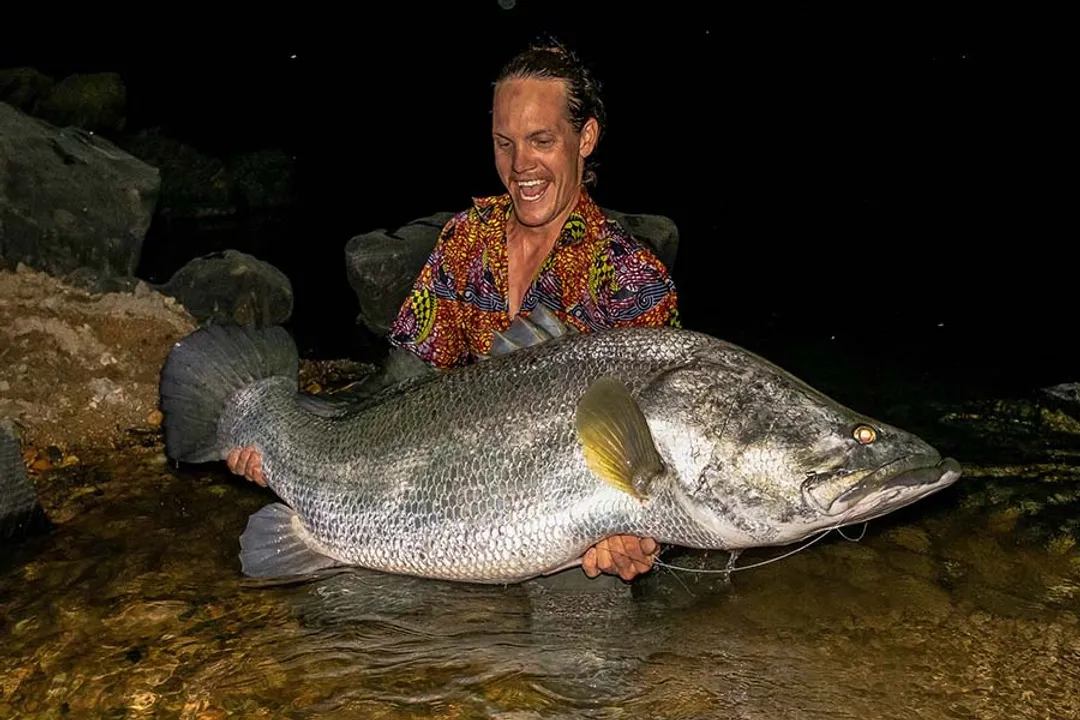
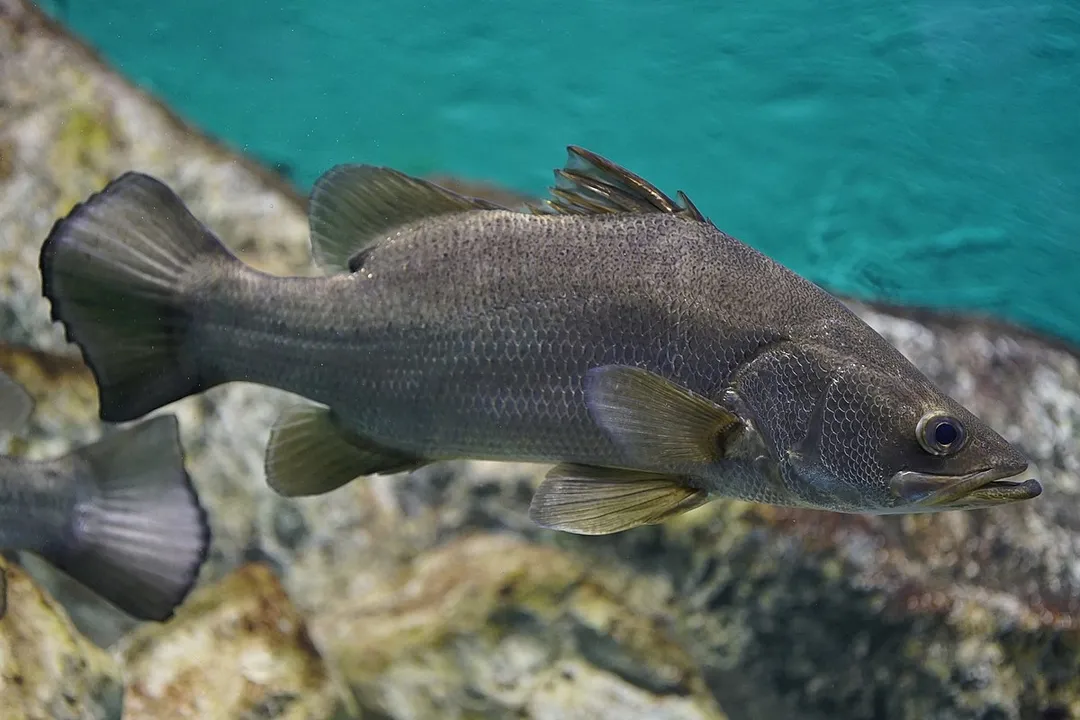
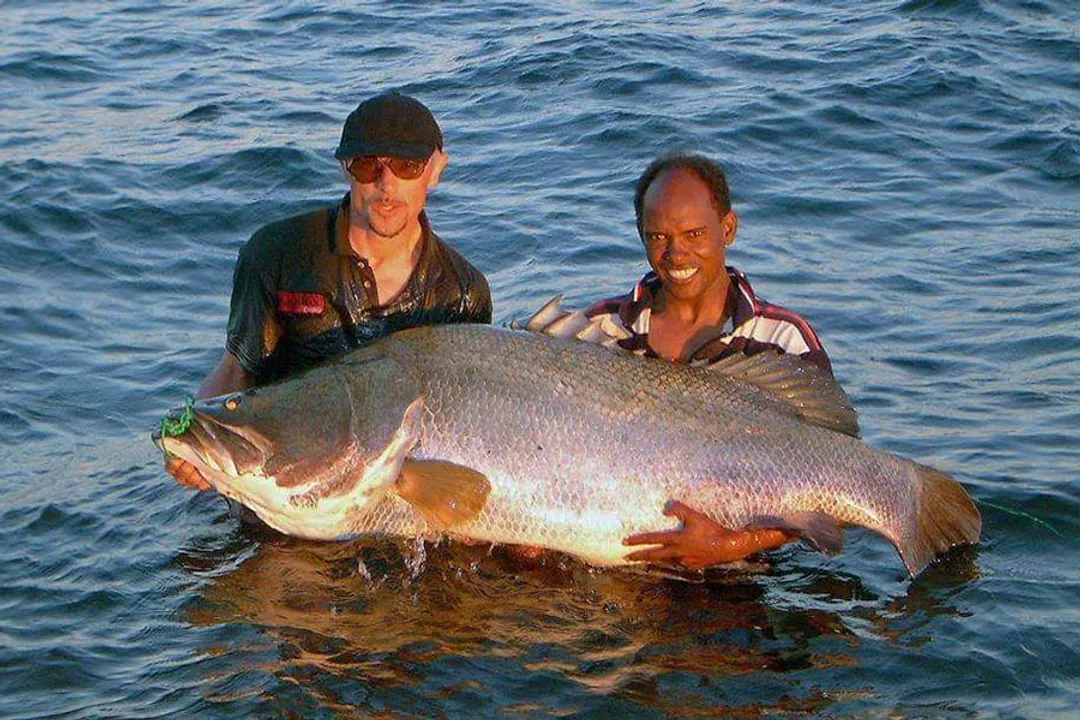
The Nile perch, scientifically known as Lates niloticus, is one of the world’s largest and most imposing freshwater fish, commanding respect both for its sheer size and its significant ecological footprint. A true giant of African waters, this predatory behemoth can weigh upwards of 200 kilograms (440 pounds) and stretch to lengths exceeding 2 meters (6.5 feet). Its appearance is striking—a large, powerful build complemented by a formidable, wide mouth, ready to consume nearly anything that fits inside. Despite its somewhat drab greyish-green coloration, the Nile perch is far from an inconspicuous creature in the ecosystems it inhabits.
# Native Range
Although famously associated with one of Africa’s largest bodies of water, the Nile perch is not native to all of them. Its original home is concentrated in the river systems of West and Central Africa. Specifically, its native distribution includes the Nile River basin, the Senegal River system, Lake Chad, and the Congo River basin. These environments provided the ancestral setting for this apex predator to develop its formidable hunting capabilities. The species name niloticus directly references its presence in the Nile, yet its historical range was more confined before major human interventions altered its geography.
# Growth Potential
The potential scale of the Nile perch is hard to overstate when discussing freshwater species. Reaching weights that challenge some marine game fish, the Nile perch possesses an exceptionally rapid growth rate, especially when introduced to new, resource-rich environments. While individuals have been recorded exceeding 200 kg, the average size encountered by commercial or recreational fishers is often significantly smaller, though still substantial. They are known to have a considerable lifespan, with recorded individuals living for at least 13 years.
Consider that a highly sought-after catch in many temperate zones might weigh 10 or 20 kilograms; the Nile perch starts where many sport fish conclude their potential. This sheer biomass accumulation is a key factor in understanding its ecological role, both as a managed resource and as a destructive invasive force.
# Invasive Status
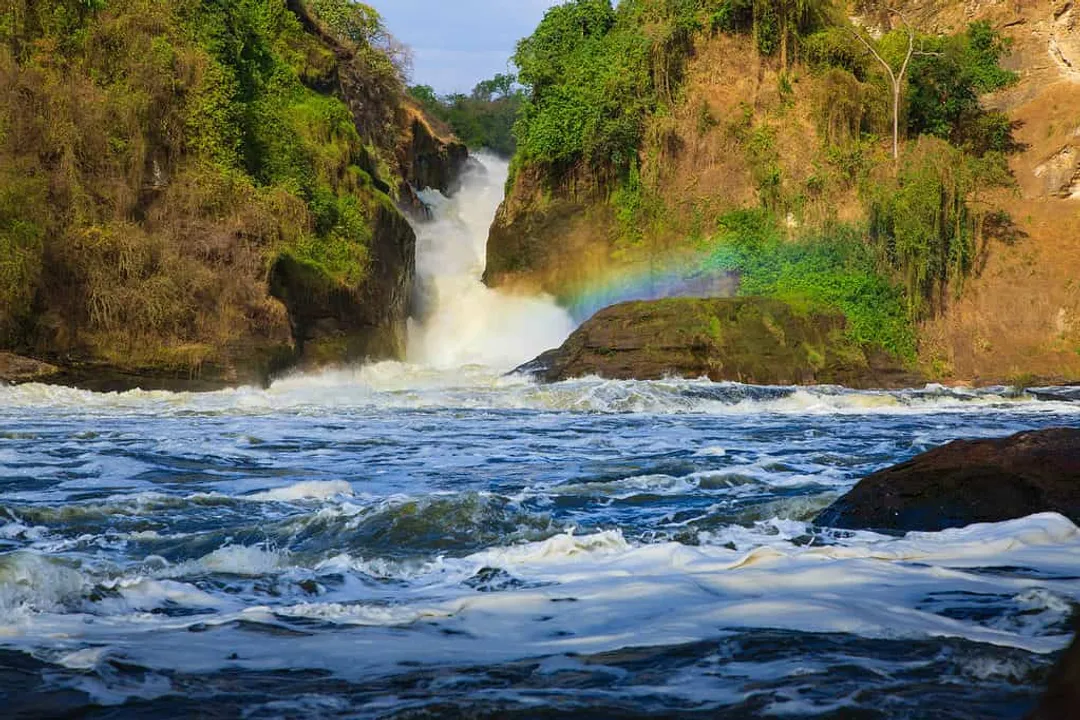
The most compelling and perhaps infamous aspect of the Nile perch story is its introduction to Lake Victoria. In 1954, the species was intentionally released into the lake, an action intended to boost the local fishery. This introduction is now frequently cited globally as one of the most significant—and disastrous—examples of introducing an invasive species into a new environment. The US Geological Survey's Nonindigenous Aquatic Species database tracks species like the Nile perch, recognizing the profound ecological alterations they cause when moved outside their established ranges.
When this large, efficient predator found itself in the vast, new habitat of Lake Victoria, the consequences were swift and devastating for the native inhabitants. The lake was previously home to hundreds of species of endemic haplochromine cichlids, which had evolved in relative isolation.
# Ecological Impact
The introduction acted as a biological tipping point. The Nile perch is a voracious and generalist predator, meaning it eats a wide variety of food items, including smaller fish, and crucially, it does not shy away from eating the young of its own species. In Lake Victoria, the vast majority of the native cichlid species—estimated by some to be over 200—were driven to extinction or near-extinction by this new, highly effective top predator.
This dramatic shift in biodiversity represents more than just a loss of fish species; it represents a collapse of specialized ecological niches that had developed over millennia. The food web structure of the lake was fundamentally reorganized, replacing diversity with dominance. From an ecological monitoring perspective, the sheer scale of biomass conversion from hundreds of small, specialized species into a single, large, dominant one is a rare and sobering case study in ecosystem management failure. The US Geological Survey tracks such non-native species precisely because of the long-term, often irreversible damage they inflict on established native communities.
# Diet and Behavior
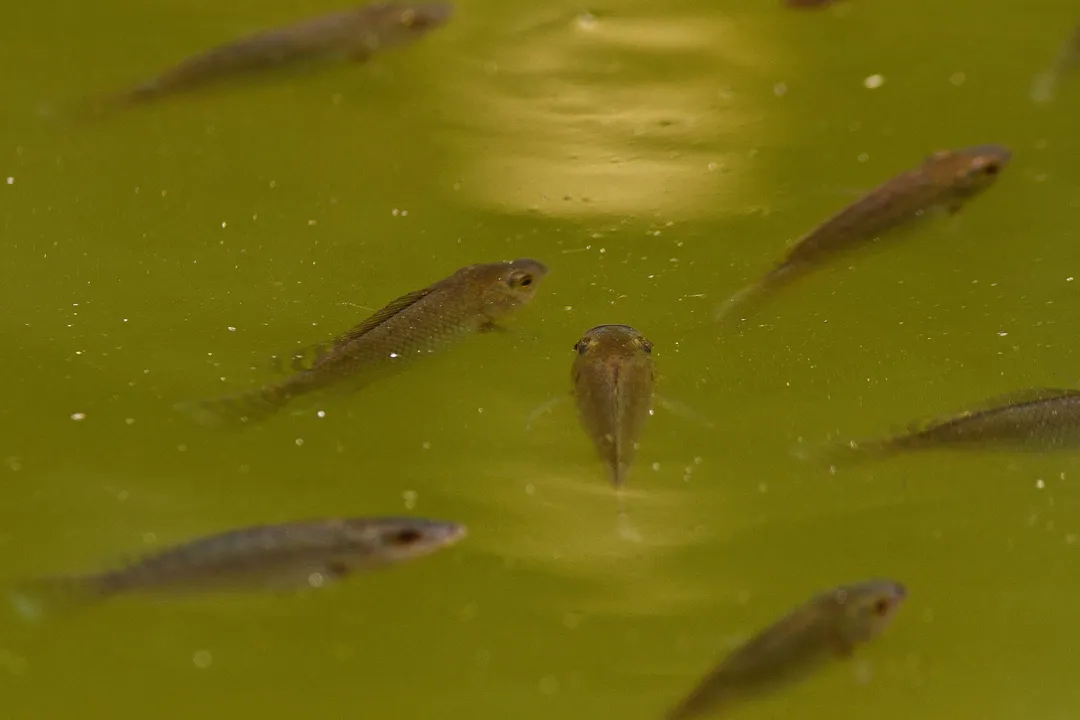
The feeding habits of the Nile perch dictate its success as a predator. As they mature, their diet adapts to their size, though they generally consume smaller fish. Being opportunistic feeders, they will readily target anything available, which included the vast schools of native cichlids that previously occupied the mid-water levels of the lake.
When observing predator behavior, one might notice that Nile perch are often solitary hunters, employing stealth and ambush tactics before launching powerful strikes. This contrasts sharply with the schooling behaviors of many of the smaller, native fish they replaced. Understanding this single-minded predatory focus is key to appreciating why the species became so devastating to the lake's endemic populations. If you are ever fishing in an ecosystem known to host established Nile perch populations, remember that they are primarily piscivorous (fish-eating), and selecting lures or baits that mimic the local forage fish is often the most effective strategy, irrespective of the species' invasive status.
# Commercial Value
Despite the ecological catastrophe in Lake Victoria, the Nile perch has become an extremely valuable commodity, highlighting the complex relationship between ecology, economics, and human intervention. The massive biomass of the newly dominant species supported a significant commercial fishery.
The fish is marketed internationally, often under the general name "Nile Perch," although this label can sometimes refer to other large Lates species sold in global markets. The flesh of the Nile perch is noted by those in the food industry for being firm and white. Its commercial success has provided livelihoods for many fishers in the region, creating a new, albeit simplified, economic reliance on the altered lake ecosystem. This situation presents a difficult socio-economic dilemma: the ecological health of the lake is compromised, yet a large human population now depends on the productivity of the invasive species.
# Fish Identification
While the common name points to one fish, confirming the exact species can be tricky, particularly outside its native range. The name "Nile perch" is sometimes applied broadly to large members of the Latidae family. The true Nile perch, Lates niloticus, is one of several large predatory fish in this group. For those encountering these fish outside of Africa, such as in areas where they have been stocked in the United States, identification guides are necessary. For instance, the USGS tracks non-native aquatic species, providing data sheets to help distinguish between introduced pests and native fish. The characteristic features generally include a long body, a slightly concave head profile, and that unmistakable large, upward-facing mouth.
# A Look Across Borders
The story of the Nile perch is not entirely confined to Lake Victoria; its introduction history is widespread, though few introductions have had impacts as severe. In the United States, for example, stocking records exist for this species in various warm-water locations, though success in establishing large, permanent populations varies based on local climate and existing competition.
The Facebook group "Connecting to FTPierce" hints at the community of anglers who specifically target this formidable sport fish, suggesting that recreational interest spans continents where the species has been introduced. While the ecological context surrounding these introductions varies, the physical challenge the fish presents to anglers remains consistent. When thinking about invasive species management, the Nile perch serves as a stark reminder that an action intended for economic gain can have profound, irreversible environmental costs, a concept that environmental bodies like National Geographic often use to educate on biodiversity protection.
# Management Challenges
Managing the Nile perch involves balancing economic benefit against ecological integrity. In Lake Victoria, efforts have focused on managing the intense fishing pressure to sustain the commercial catch, as the lake's overall health is now dependent on this single species. Regulating the size and quantity of fish harvested becomes crucial when a single, non-native species underpins the entire local fishing economy. This management paradox—sustaining an invasive species for human benefit—is a unique challenge compared to native stock management. It requires continuous monitoring of catch data and fish stock health to prevent the collapse of the very industry that the introduction inadvertently created.
Related Questions
#Citations
Nile Perch Fish Facts - Lates niloticus - A-Z Animals
Nile perch - Wikipedia
Life History of a Fish: Nile Perch - BaitYourHook
Impact of an Invasive Species - National Geographic Education
Nile Perch For over fifty years Florida Conversationist have - Facebook
Nile perch (Lates niloticus) - Species Profile
Nile perch Facts for Kids
Nile perch - Facts, Diet, Habitat & Pictures on Animalia.bio
Nile Perch: Species Spotlight | Fishing Holidays