Yellow Perch Locations
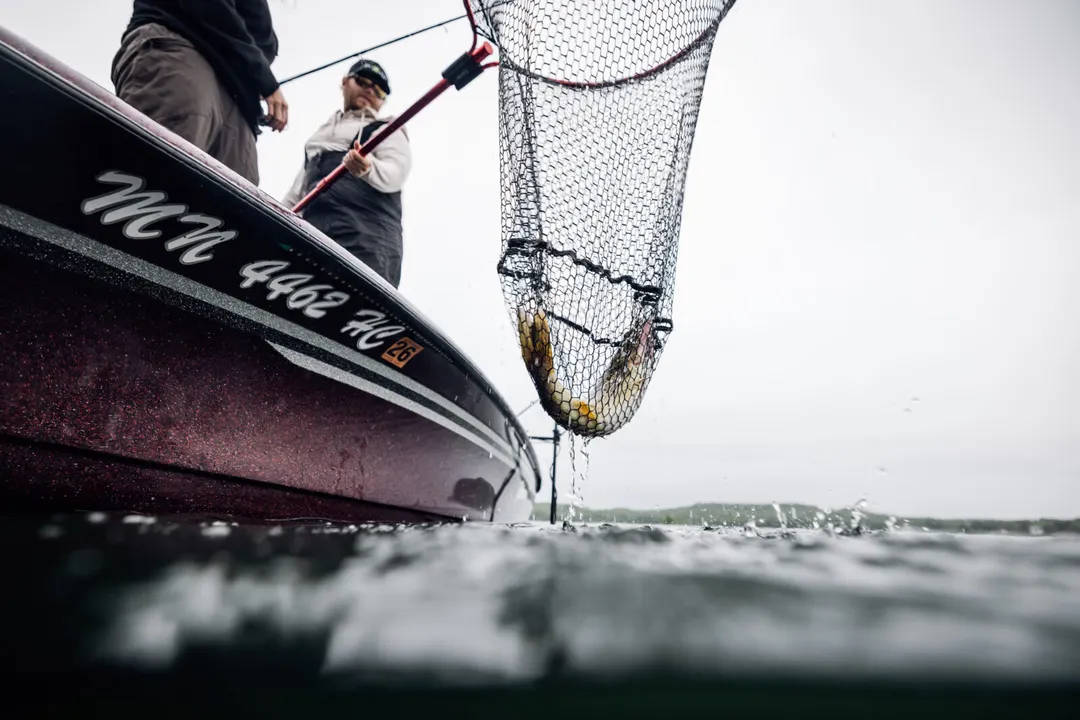
The yellow perch, Perca flavescens, is a widely recognized and popular freshwater fish whose presence spans a significant portion of the North American continent. [1][5] Pinpointing a single location for this species is impossible, as their distribution is vast, stretching across the inland waters of the northern United States and extending deep into southern Canada. [2][4][10] To understand where to find them, one must first appreciate their native territory, which forms the backbone of their established populations. [5]
# Native Range
The yellow perch is fundamentally a fish of the northern drainages. [5] Its natural historical range encompasses the Great Lakes region, the Mississippi River basin, and the Atlantic slope drainages found throughout eastern Canada. [2] This foundational area dictates where anglers will most consistently find established, wild populations without the influence of stocking programs. [1] Within the United States, this generally covers the northern tier of states, including New England and the Great Lakes states, as well as areas bordering the major Mississippi River tributaries. [5]
While they are native to these cooler, productive waters, yellow perch possess a notable trait: high adaptability. [1] This flexibility has allowed them to be successfully introduced far outside their original boundaries, leading to populations in many western states and even across international borders. [1][5]
# Habitat Preferences
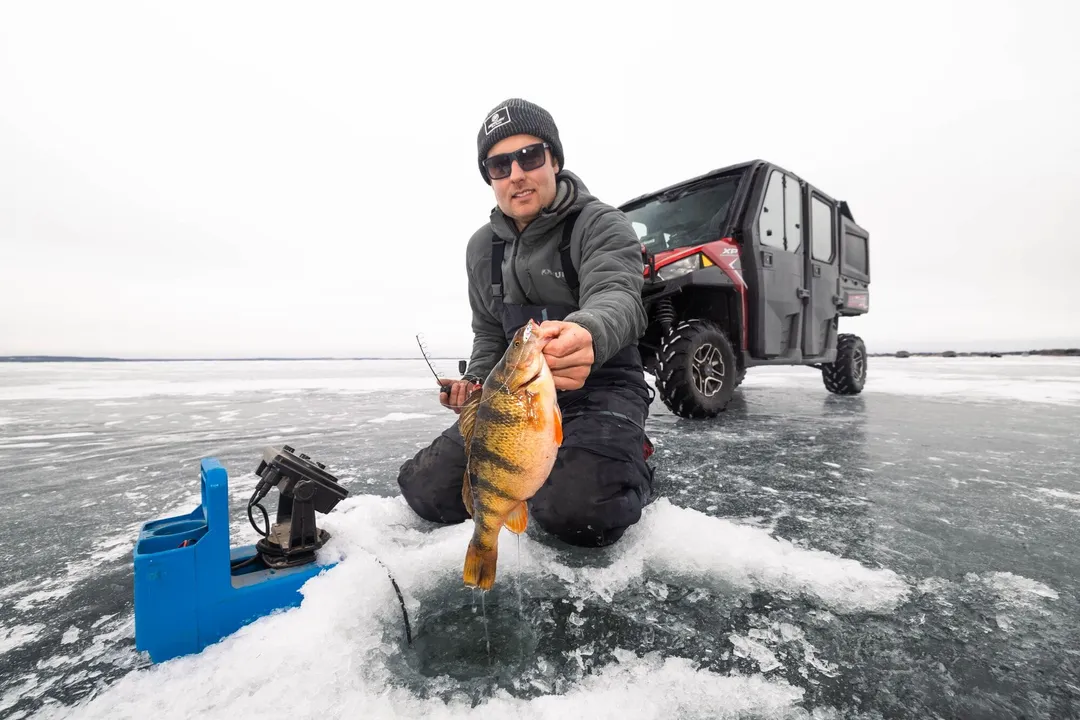
Understanding where yellow perch live is as much about structure and depth as it is about latitude. [6][10] They are generally characterized as preferring clear, cool, or cold water environments, though their tolerance range is quite broad compared to some other cool-water species. [1]
# Structure Association
Regardless of the specific lake or reservoir, yellow perch gravitate toward physical features that offer cover or transition points. [4][6] Key structures to target include:
- Weedy Areas: Dense aquatic vegetation provides both cover from predators and hunting grounds for smaller forage. [1][10] In spring, when water temperatures are ideal near the shore, shallow weedy flats often hold significant numbers. [10]
- Submerged Logs and Debris: Isolated woody debris or sunken timber creates ambush points and congregation areas. [1][6]
- Drop-Offs and Break Lines: These underwater contours are essential, especially as seasonal temperatures shift. [4][6] They offer quick access to varied depths, allowing the fish to move vertically in response to changes in light or thermal layers. [8]
It is interesting to observe how these preferences dictate location changes throughout the year. In the warmer months, when surface waters heat up, perch often retreat to deeper, cooler zones, usually staying near structure or along the thermocline, which is evident in management observations from lakes in states like Iowa. [8] Conversely, during the cooler spring turnover or pre-spawn periods, they often move shallower to feed actively, concentrating along those familiar weed edges. [10] This instinct to follow preferred thermal conditions while remaining near protective cover is a common thread across various aquatic systems where they thrive. [1]
# Major Waters
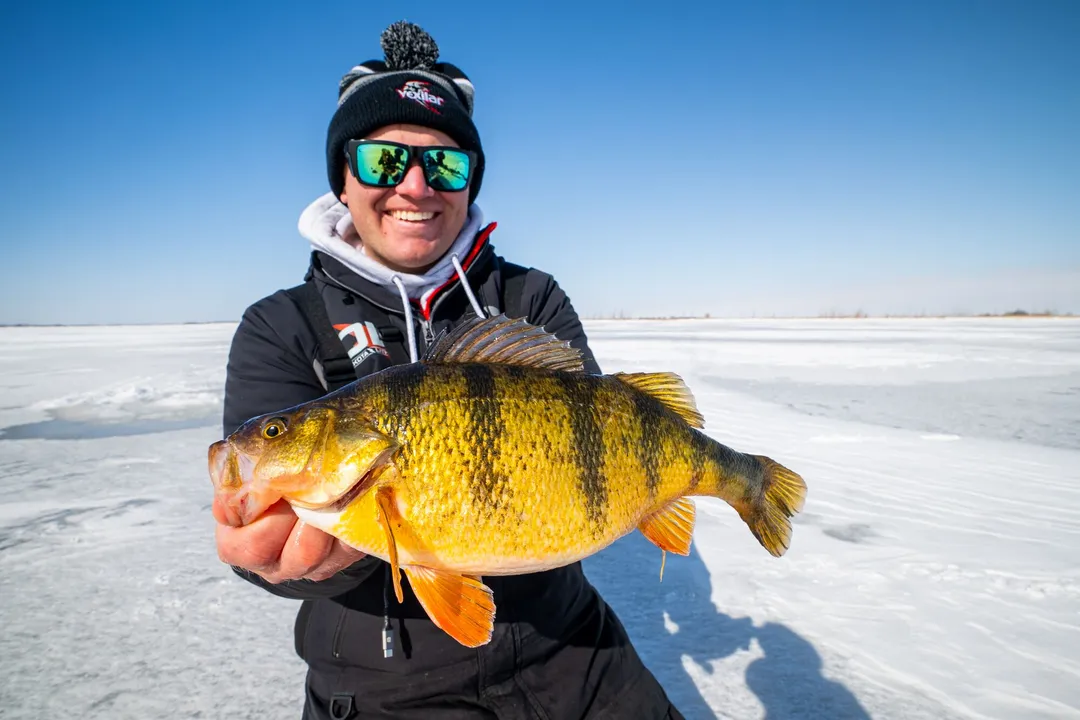
The epicenter of yellow perch abundance and history is undoubtedly the Great Lakes system. [1][4] Lakes Michigan, Huron, Erie, and Ontario all support substantial populations, often making them a primary target for commercial and recreational anglers alike. [4] Beyond the Great Lakes, their presence is felt strongly in the vast network of natural lakes and man-made reservoirs across the upper Midwest and Northeast. [5]
In states like Iowa, for example, yellow perch are present in numerous lakes and reservoirs throughout the state. [8] Management efforts often focus on maintaining water quality, as clear water seems to favor their success. [8][9] Similarly, in the Pacific Northwest, Washington State has established populations in various waters, including large systems like Lake Washington and Lake Sammamish, often sustained through stocking efforts where water quality remains suitable. [9] When assessing a new body of water, anglers should prioritize larger systems that mimic the cooler, deeper characteristics of their native Great Lakes environment. [10]
# Western Presence
The existence of yellow perch west of the continental divide often points to historical stocking programs aimed at establishing a new sport fishery. [1][9] California provides a clear example of this introduced distribution. [3] In the Golden State, yellow perch can be found in several reservoirs and lakes, including Lake Berryessa, Lake Sonoma, and San Pablo Reservoir. [3]
When encountering perch in these non-native environments, understanding the stocking history can be crucial. Unlike their native areas where population dynamics are self-sustaining over centuries, introduced populations might fluctuate more dramatically based on annual stocking success or the presence of dominant, non-native predators. [3] Therefore, while the structure they seek (weeds, drop-offs) remains the same, the consistency of finding them might be more tied to local fisheries management schedules in these outlier regions. [9]
To provide a practical comparison for anglers tracking these adaptable fish, consider this breakdown of habitat focus based on system size:
| System Type | Primary Seasonal Focus | Key Finding Strategy |
|---|---|---|
| Large Lakes (e.g., Great Lakes) | Deep basins, offshore structure, deep weed lines | Vertical scanning with electronics, targeting steep breaks [6] |
| Small Ponds/Lakes | Shallow flats, dense littoral zones | Targeting the edges of weed beds, shallow points in spring/fall [10] |
| Reservoirs (Mid-Sized) | Submerged creek channels, dam structure | Locating submerged wood and contour changes near the main lake body [8] |
An actionable tip for locating perch in unfamiliar water is to overlay public or private mapping data showing underwater contours with known areas of dense aquatic vegetation. If you can find a situation where a contour change intersects a large weed bed, that location statistically combines two of their preferred elements, increasing your odds significantly, regardless of whether the perch are native or introduced to that specific watershed. [4]
# Global Spread
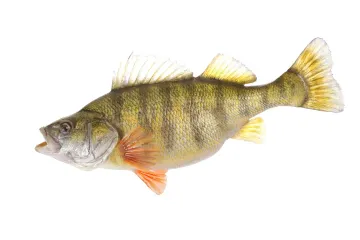
The yellow perch's adaptability has resulted in populations beyond North American shores, demonstrating its capacity to establish itself in diverse international climates, provided the water remains relatively cool and clear. [5] Introduced populations have been documented in South America, Europe, Asia, and Africa. [5]
For the general reader, this global context underscores a key biological characteristic: Perch are highly successful invaders. This success often correlates with their opportunistic feeding habits and relatively low stress thresholds compared to more sensitive species like native trout. [1] While their natural dominion remains the north, their presence elsewhere is a testament to their hardiness, though such introductions can sometimes impact local ecosystems, which is why many western states treat their established populations with careful management. [9] The spread outside of North America is less relevant for the typical angler seeking their next catch, but it confirms that if a large, cool-water body exists, there is a reasonable chance a perch population could survive there, even if it requires human introduction. [5]
Ultimately, whether fishing the frigid depths of Lake Superior or a stocked farm pond in a southern state, the core rule for locating yellow perch remains consistent: look for structure, respect the temperature gradient, and utilize the weed lines when possible. [6][10] Their location is dynamic, but their preferences are predictable.
Related Questions
#Citations
Yellow perch - Wikipedia
Yellow Perch (Perca flavescens) | U.S. Fish & Wildlife Service
Yellow Perch - Fish Species by Location - California Fish Website
A Guide to Yellow Perch Fish: Tips, Gear, & Best Locations - onX Maps
Yellow Perch (Perca flavescens) - Species Profile
How To Locate Yellow Perch - Captain Experiences
yellow perch - actual location 01.2025 : r/CreaturesOfTheDeeptip
Fish Species - Yellow Perch - Iowa DNR
Yellow perch | Washington Department of Fish & Wildlife
How to Catch Yellow Perch