What is a Nile perch for kids?
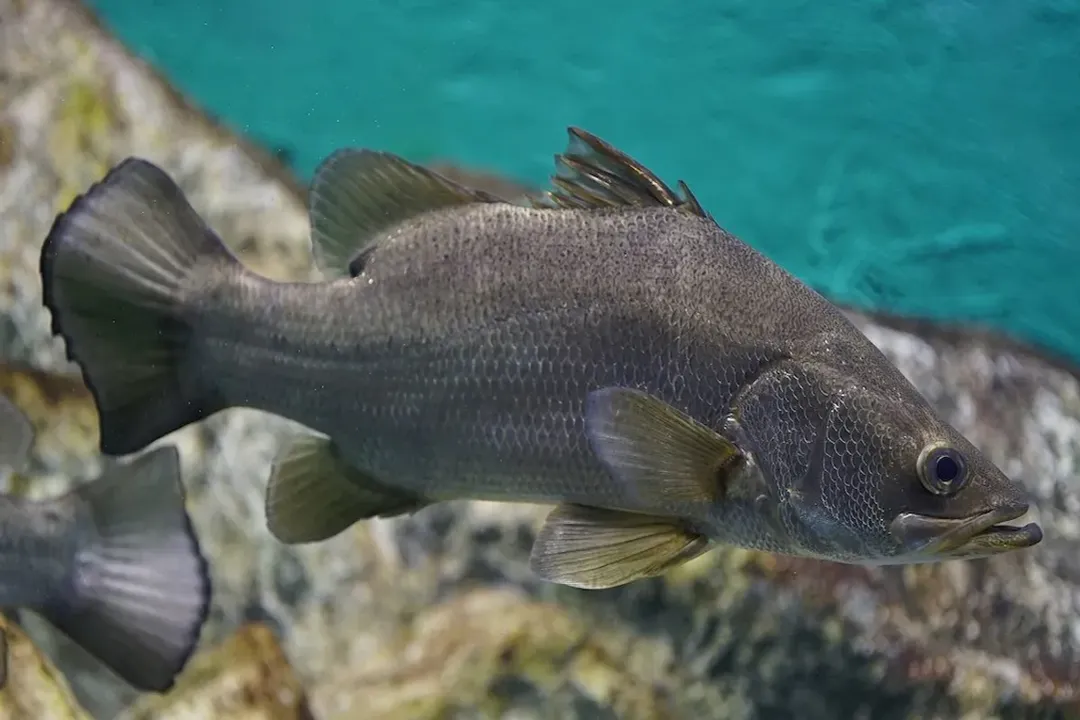
Imagine swimming in a huge, ancient river, like the mighty Nile in Africa. You might meet a fish that looks like something out of a dinosaur book—a giant with big eyes and sharp fins. This massive creature is the Nile perch, scientifically known as Lates niloticus. [2] It is one of the biggest freshwater fish you can find anywhere on our planet. [2][4]
# Giant Fish
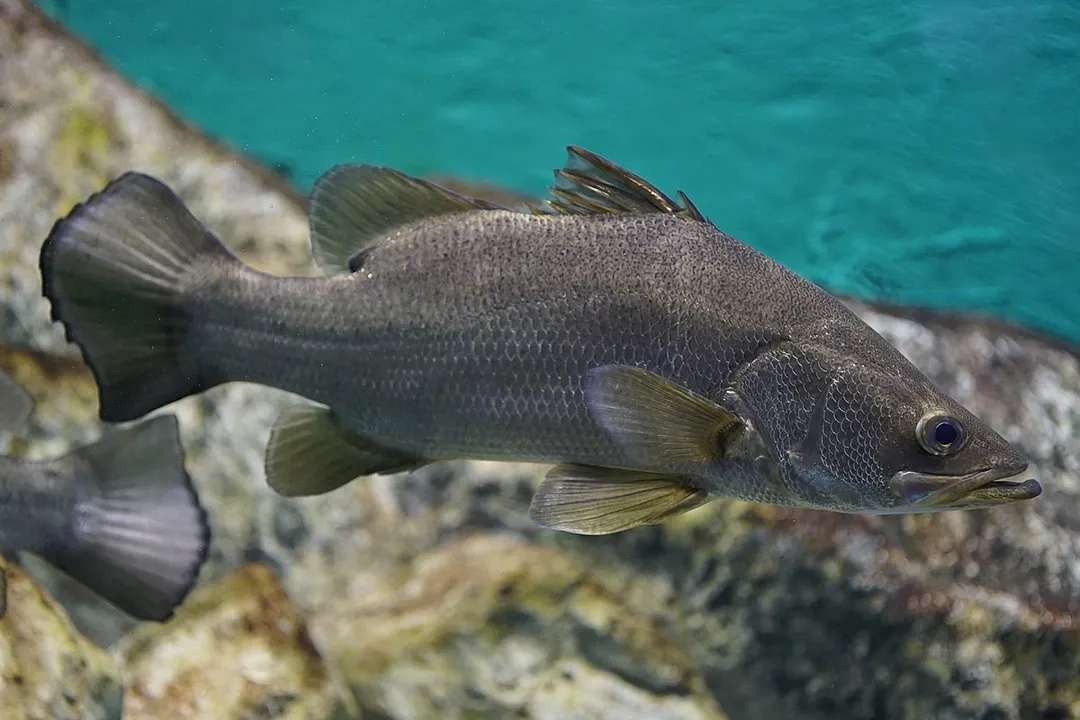
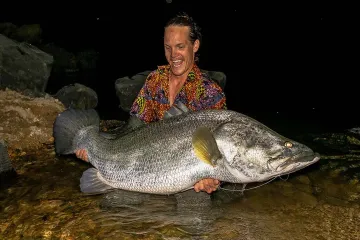
The Nile perch is famous mostly because of its incredible size. [4] It’s not just a little bit bigger than other fish; it can become truly enormous! These fish can stretch up to about 2 meters long, which is taller than most older children, and they can weigh as much as 200 kilograms, which is about the same as a grown-up riding a small motorcycle!. [1][2][4] Because of this amazing growth potential, they are often considered one of the largest freshwater species in the world. [2][4] Think about that for a second: a single fish that can outweigh a couple of fully grown humans![4] That kind of size takes a lot of time and a lot of food to achieve.
# Home Waters
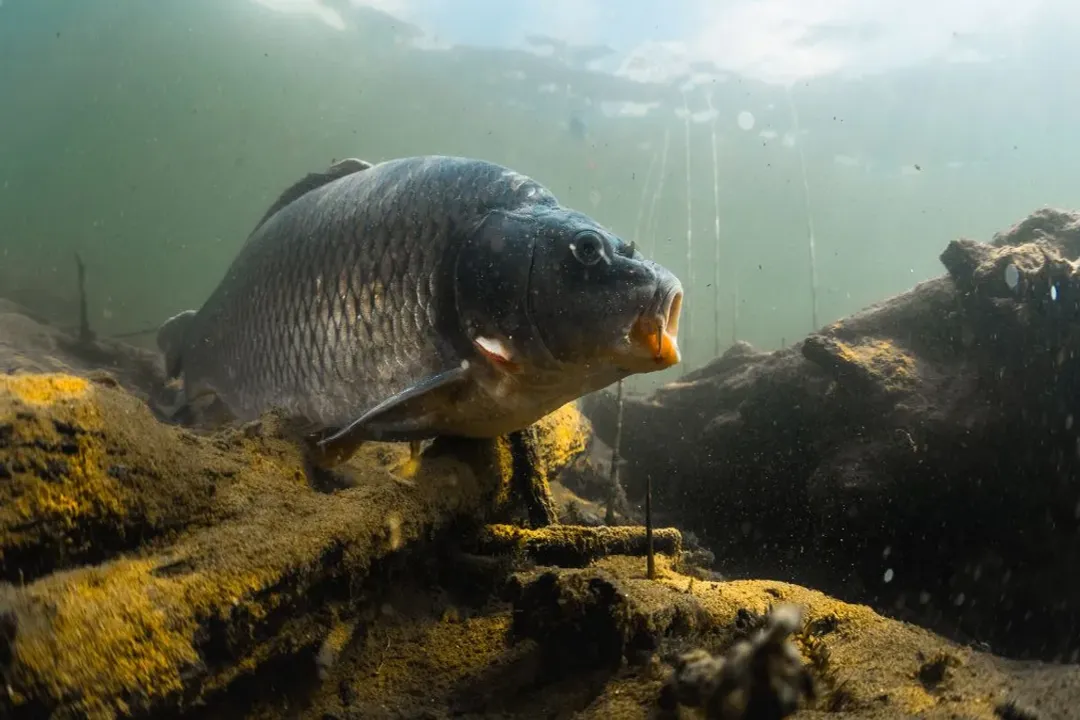
Where does such a giant call home? Originally, the Nile perch lived in various parts of Africa. [1][4] You could find them naturally in the great Nile River system and also in other large water bodies like the Congo River basin and Lake Chad. [1][2][4] They are true African natives.
However, the story of the Nile perch gets interesting because people decided to move some of them around. [2][7] In the middle of the 20th century, humans introduced Nile perch into some of Africa's other massive lakes, such as Lake Victoria and Lake Kariba. [2][7] This was done mainly to create a new, big source of fish for people to eat. [7] It was like planting a special, fast-growing tree in a new garden. While this seemed like a good idea for fishing, the new environment reacted in surprising ways. [7]
# Eating Habits
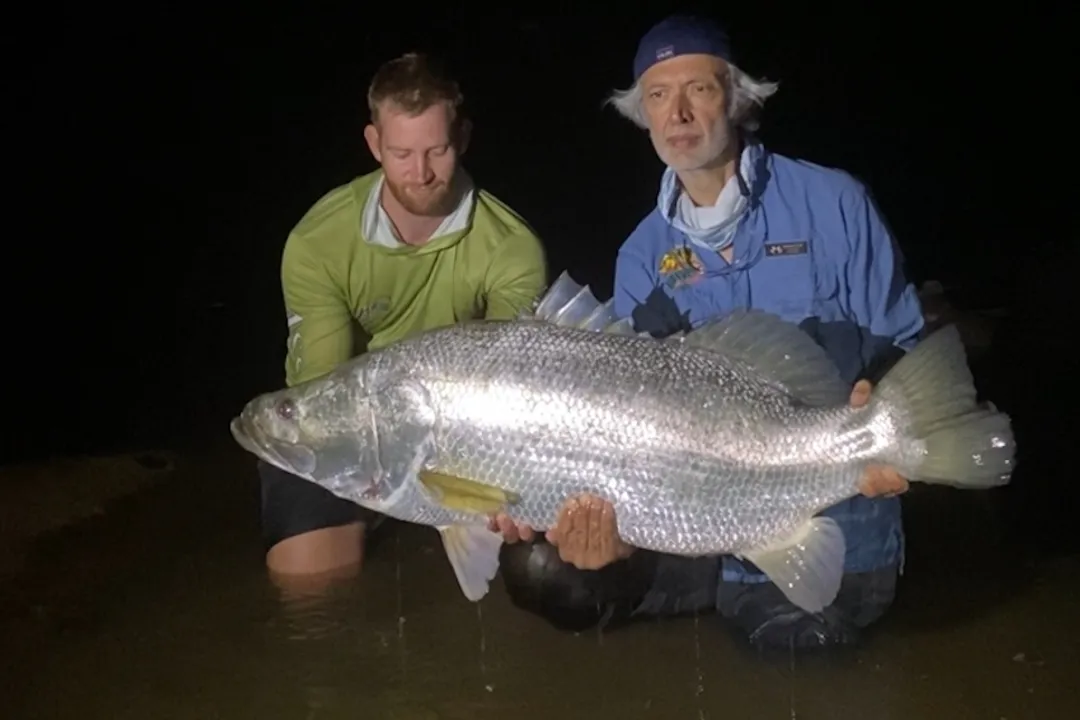
What does an animal get so big? It has to eat a lot, and it has to eat things that are worth the effort! The Nile perch is a serious hunter, which means it is carnivorous. [2][4] Its main diet consists of smaller fish that swim in its home waters. [2] They use their big mouths to gobble up their prey, which can include insects and crustaceans too. [2][4] When they are young, they eat smaller things, but as they grow into those 2-meter-long giants, only other fish are substantial enough to fuel their growth. [4]
If you imagine the fish in a lake as a neighborhood, the Nile perch is like the biggest, strongest kid who suddenly moves in and decides they want most of the snacks. When they were introduced to Lake Victoria, for example, they began eating a huge number of the native fish species, especially the small, colorful cichlids. [7] It is important to understand that in their native rivers, the ecosystem had time to adjust to their presence, but in a new lake, they sometimes become too successful, too fast. [7]
Here is a way to think about their hunting strategy: they are not picky ambush hunters waiting for food to float by. They actively pursue their meals. Picture a fast, powerful swimmer with great eyesight chasing down smaller, slower fish—that’s the Nile perch in action. [4]
# Lake Impact
When the Nile perch arrived in places like Lake Victoria, it caused a major shift in what the lake was like. [7] Before the perch, Lake Victoria had hundreds of species of cichlids, many found nowhere else in the world. [7] These native fish had developed unique ways to live and eat over millions of years. [7]
When the huge, non-native predators arrived, they started eating the native fish much faster than those fish could reproduce. [7] This is a classic example of how introducing a new, dominant species can change an entire ecosystem. It is a stark reminder that even well-meaning changes to nature can have big, unforeseen results. [7] For the local people who relied on the many smaller, native fish for food, the introduction meant that while they now had a new big fish to catch, they lost a lot of the variety they once had. [7] It’s interesting to note that in their original homes, like the Nile River, the ecosystem has more diverse structures—like different types of underwater plants or rocks—which might have given the native fish better places to hide, preventing such a sudden collapse when the perch arrived. [1][4]
# Humans and Commerce
For people, the Nile perch is a very important fish, not just as a potential catch, but as a major commercial export. [5] Since it grows so large and its meat is popular, it became a huge business for countries bordering the lakes where it lives. [5] The fish is caught, processed, and then shipped all over the world to be sold as food. [5]
This fishing industry creates jobs—from the people who captain the boats and cast the nets, to those who clean, freeze, and transport the fish to faraway markets. [5] While it supports many families economically, the sheer scale of fishing required to supply international demand puts a lot of pressure on the perch populations themselves. [5] Managing the catch so that there are always enough fish left to keep breeding is a constant challenge for the governments and fishing communities around these lakes. [5]
# Size Comparison Insight
To truly appreciate how big a Nile perch can get, let’s put that 2-meter length into perspective. Imagine an average third-grader is about 1.3 meters (around 4 feet 3 inches) tall. A fully grown Nile perch, at 2 meters, would be almost one and a half times the height of that child standing on its tail![2] This isn't just a big fish for a pond; this is a fish that can approach the size of a small person. This fact helps explain why its appetite is so enormous and why it can dominate the waters it inhabits. [4]
# Fast Growth Insight
The speed at which the Nile perch grows once introduced to a new lake is astonishing, but it's a double-edged sword. In its native, perhaps more crowded or balanced rivers, growth is steady. However, when introduced to a massive, nutrient-rich, but relatively empty environment like Lake Victoria in the 1950s, the food supply was abundant and the competition from native species was suddenly low. [7] This resulted in a period of explosive, almost unchecked growth for the perch. For a young fish, having nearly unlimited food means converting energy into body mass very quickly. This rapid early growth is what allows them to reach that giant adult size relatively quickly compared to species that grow more slowly, which is why they became such an effective predator so soon after being introduced. [7]
# Taking Care
Fishing for Nile perch is a big business, and people who enjoy sport fishing also target them because of their size and the challenge they present. [5] Whether for food or sport, handling such a large fish requires strong equipment. If someone were trying to catch one of these giants, they would need a very sturdy rod and reel, strong line, and a lot of patience. [5]
When people catch them, they need to be careful. Besides being large, the Nile perch has spines on its fins that can be sharp. [4] Like many big fish, they need respect due to their size and powerful build. [4]
# Summary of Facts
To quickly recap what we have learned about this African giant:
- Name: Nile perch (Lates niloticus). [2]
- Size Potential: Up to 2 meters long and over 200 kg. [1][2]
- Diet: Strictly a meat-eater, feeding mostly on other fish. [2][4]
- Native Range: Nile River basin and surrounding areas. [1][4]
- Key Effect: Its introduction to Lake Victoria dramatically changed the native fish populations. [7]
- Human Value: Highly valued as a source of food and for sport fishing. [5]
It is clear that the Nile perch is more than just a big fish; it's a major player in African aquatic environments, shaping both the natural life beneath the water and the economies on the shore. [5][7]
Related Questions
#Citations
Nile perch Facts for Kids
Nile perch
Life History of a Fish: Nile Perch
Nile perch | Freshwater, African, Predator
ABOUT NILE PERCH - Nor Supplies Limited
Lates niloticus (Victoria perch) | INFORMATION
Nile Perch - Description, Effects on Humans and ...
Lake Victoria, Uganda 🇺🇬 This fish is called Nile Perch. ...
Nile Fish | Dokipedia in English - Fandom