What are the physical characteristics of the Nile tilapia?
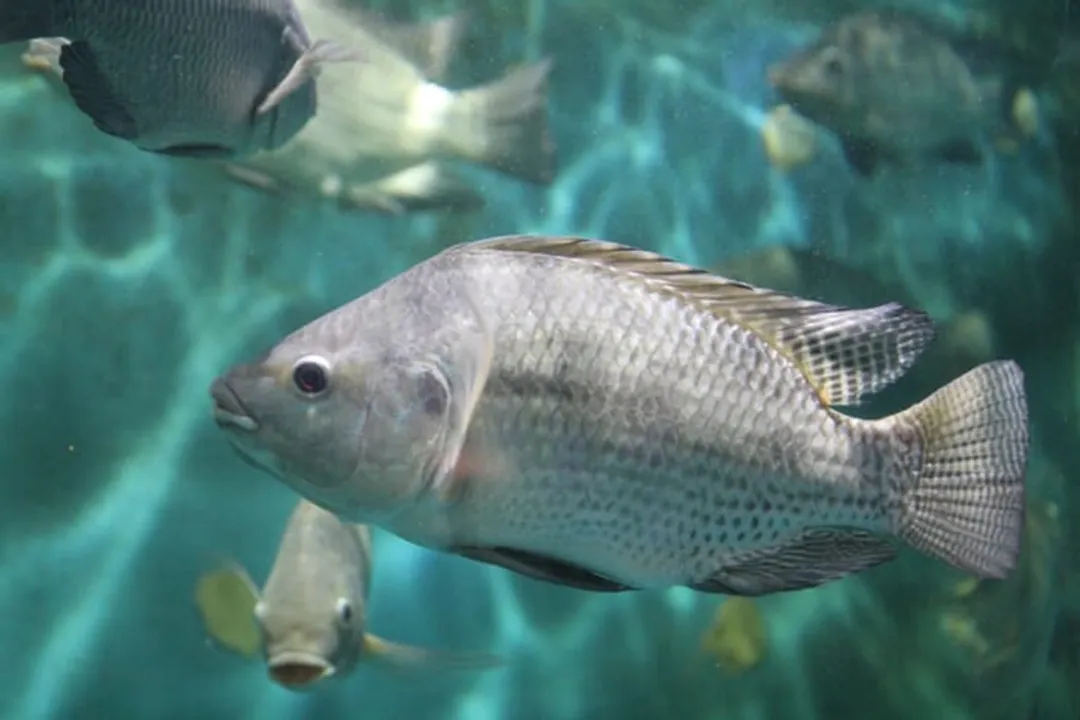
The Nile tilapia, scientifically known as Oreochromis niloticus, presents a collection of physical characteristics that contribute to its hardiness and widespread success, both in its native African habitats and in aquaculture systems globally. [2][4] When observing this fish, one of the first things a person might notice is its general body configuration: it is typically deep-bodied and noticeably compressed from side to side. [2][5] This profile gives it an oval or somewhat oblong shape, which differs from more slender, torpedo-shaped predatory fish. [7]
# Body Dimensions
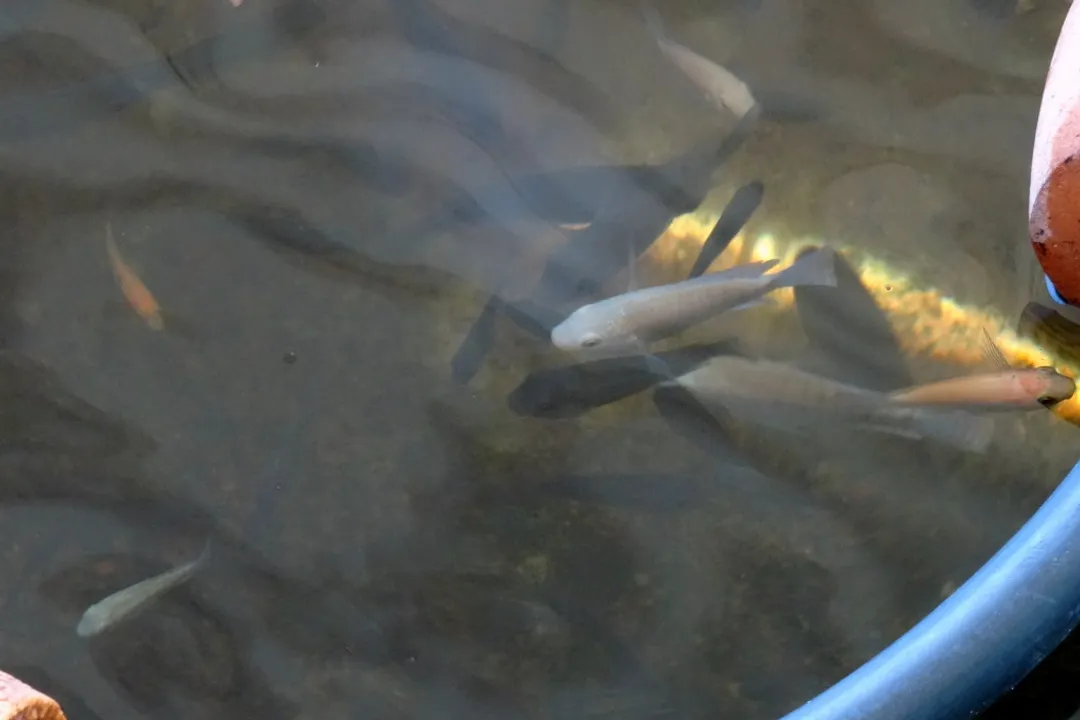
The size this species can achieve is quite impressive for a freshwater fish often associated with smaller pond culture. While individuals raised in controlled farming environments might top out around a few pounds, the Nile tilapia has the potential for significant growth. [7] In the wild, they can reach lengths exceeding 40 centimeters (about 16 inches). [1][5] Some sources indicate a maximum total length (TL) of up to 60 cm. [5] Weight can correspondently increase, though common market sizes are usually much smaller, reflecting the economics of farming cycles. [7] This inherent capacity for rapid growth and size is a primary reason for its status in aquaculture, allowing producers to quickly bring stock to marketable weight. [7]
# Color Variation
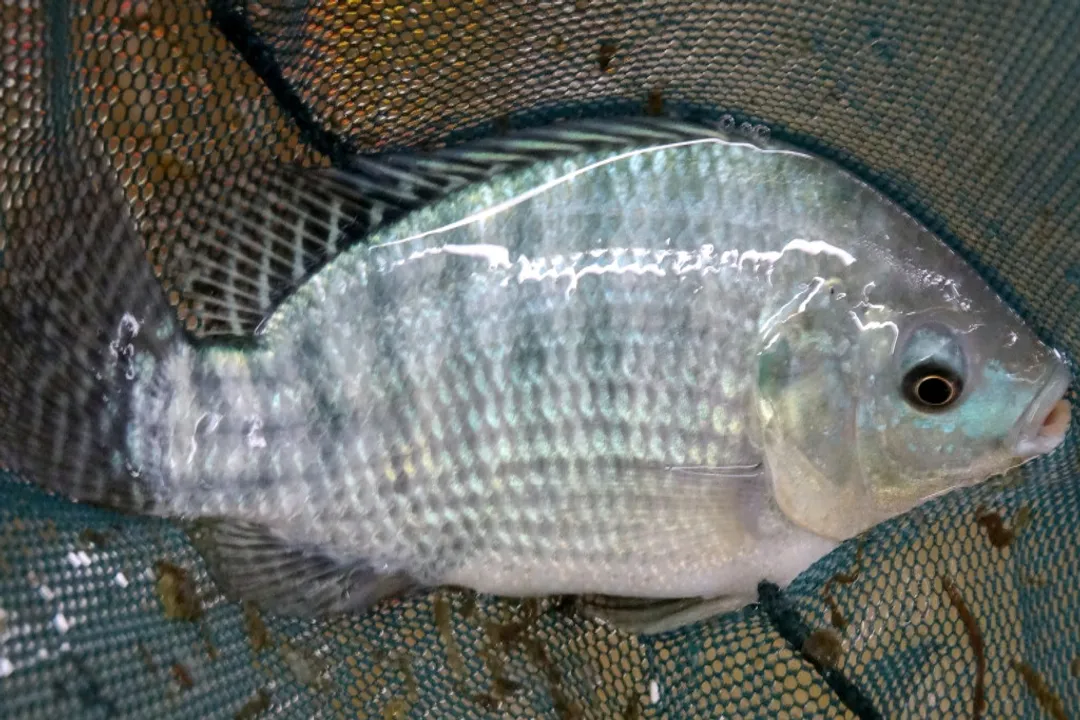
Coloration in Nile tilapia shows considerable variation, heavily dependent on the environment—whether wild or captive-bred—and the fish’s maturity level. [1][2] Wild populations generally exhibit a silvery-gray to olive-green base color. [2][5] This pattern often includes faint, dark vertical bars or blotches along the flank, though these markings can sometimes be very subtle or altogether absent in some individuals. [2][5] The ventral (belly) area is almost always lighter than the back. [1]
A crucial identifying mark, particularly helpful for distinguishing O. niloticus from other closely related tilapia species, is the presence of a distinct dark spot on the operculum, which is the bony flap covering the gills. [2][5] Often, accompanying this spot is a lighter, horizontal bar extending backward from the spot. [2][5] This combination of markings is a useful field identifier for non-experts.
However, the captive environment introduces significant shifts. Aquaculture strains have been selectively bred, resulting in common color morphs such as bright yellow or even reddish individuals. [1][2] These color variations are generally cosmetic from a biological standpoint but are commercially desirable for market differentiation or simply due to the genetic drift associated with intensive farming practices.
If you are attempting to identify a Nile tilapia that has escaped or been illegally introduced into a natural water body, relying solely on bright farmed coloration is unreliable; looking for that characteristic dark spot near the gill plate combined with the general body shape becomes far more important for accurate assessment. [2]

# Fin Structure
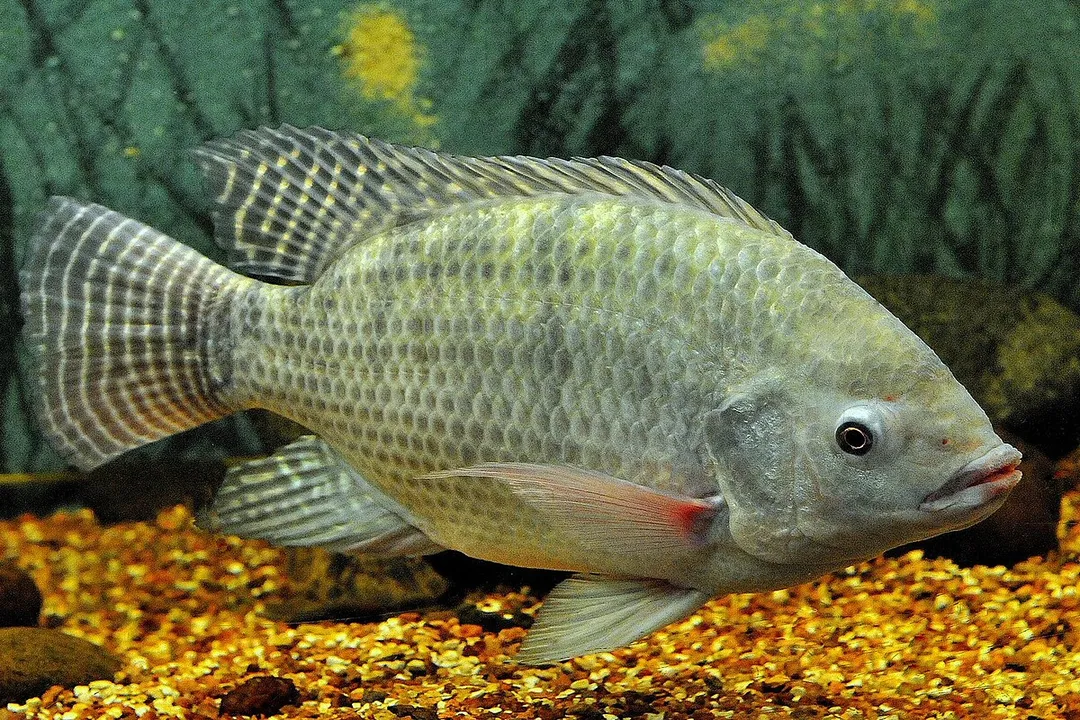
The fin structure of the Nile tilapia adheres to the general cichlid pattern but possesses specific traits:
- Dorsal Fin: This fin runs along a large portion of the back. It is characteristically divided into two main sections: an anterior part composed of stiff, strong spines, and a posterior part made up of flexible, soft rays. [2][5] This spiny leading edge provides a defense mechanism against potential predators.
- Anal Fin: Similar to the dorsal fin, the anal fin usually contains three spines followed by soft rays. [2]
- Caudal Fin (Tail): The tail fin is typically described as notched or slightly forked. [2][5]
# Mouth and Dentition
The feeding apparatus of O. niloticus reflects its omnivorous diet, which includes algae, detritus, and small invertebrates. [7] The mouth is positioned terminally, meaning it is located at the very end of the snout, and is often slightly upturned. [2][5] A key feature is the presence of numerous small, sharp teeth lining the jaws. [7] While not designed for tearing large chunks of flesh, these teeth are effective for scraping, nipping, and processing the various food items that constitute its natural intake. [7]

# Scales and Lateral Line
The scales covering the Nile tilapia are relatively large compared to some other fish species. [7] The system used to sense movement and pressure in the water, the lateral line, has a specific configuration in this species: it is interrupted or divided into two distinct sections. [2][5] This arrangement is another anatomical detail that fish experts use to confirm species identification. [2]
# Sexual Identification
Distinguishing between male and female Nile tilapia often requires observing secondary sexual characteristics, especially as the fish mature. [7] Males tend to grow larger than females. [7] Furthermore, males develop a noticeable nuchal hump—a prominent lump on the forehead or nape area—which becomes especially pronounced during the breeding season. [5][7]
Breeding coloration also serves as a key differentiator:
- Males: During reproductive readiness, males often display a striking reddish-orange tint along the lower edges of their caudal (tail) fin and on the anal fin. [2]
- Females: In contrast, females may show yellow coloration on the margins of their anal fins. [2]
Understanding these differences is more than academic; it’s fundamental for successful hatchery management where sex-reversal techniques might be employed to produce all-male populations, which grow faster and don't expend energy on reproduction. [7]

# Integrated Physical Profile: A Comparative View
To better illustrate the typical appearance versus the cultured variations, considering a generalized comparison can be useful, though it relies on synthesizing the descriptions provided across various sources. [1][2][5][7]
| Characteristic | Wild Type (General) | Cultured Variant (Common) | Identifying Marker |
|---|---|---|---|
| Body Color | Silvery-gray to olive-green; faint vertical bars possible | Often lighter, may be yellow or reddish | Dark opercular spot |
| Body Shape | Deep, laterally compressed, oval | Similar shape maintained, though genetics play a role | Compressed profile |
| Male Breeding Sign | Nuchal hump development | Nuchal hump development | Red/orange on lower fins |
| Lateral Line | Interrupted/Divided | Interrupted/Divided | Consistent across morphs |
The compressed body, while excellent for maneuvering in dense vegetation or providing a higher fillet yield relative to total volume in processing plants, does present an interesting trade-off against the robust musculature needed for long-distance migration or escaping fast-moving predators, a task better suited to fusiform (torpedo-shaped) bodies. [7] For the Nile tilapia, its physical design favors agility and defense over outright speed, allowing it to thrive in the varied, sometimes crowded, conditions of its native river systems. [4] Its very existence in diverse environments, from brackish estuaries to warm, slower-moving waters, is a testament to this physically versatile design. [6] The sheer adaptability inherent in its physical form—from the placement of its mouth to the structure of its fins—is why Oreochromis niloticus has become such a globally distributed species, often against the wishes of native ecologists. [3][9][10]
Related Questions
#Citations
Nile Tilapia – Discover Fishes - Florida Museum of Natural History
Nile tilapia - Wikipedia
Nile Tilapia (Oreochromis niloticus) - Species Profile
Nile Tilapia: A Hardy Fish Species for Aquaculture
Oreochromis niloticus, Nile tilapia : fisheries, aquaculture - FishBase
Nile tilapia - Facts, Diet, Habitat & Pictures on Animalia.bio
[PDF] Tilapia: Life History and Biology - Aquaculture
Tilapia - Aquaculture, Fisheries, & Pond Management
A review of the physiology and biology of Nile tilapia (Oreochromis ...
Aquatic Invasive Species | Nile Tilapia