Why was the relative lack of marine predators in the Paleocene significant for Waimanu?
Answer
It provided an environment where high-speed swimming was not critically dependent on extreme streamlining
The Paleocene world was in a state of recovery following the mass extinction of the Cretaceous period, which resulted in the temporary absence of the large marine predators that characterized earlier eras. This lack of intense predatory pressure meant that Waimanu did not face the same immediate evolutionary necessity for the hyper-efficient, hydrodynamic body shape seen in later penguins, allowing it to survive with less specialized swimming capabilities.
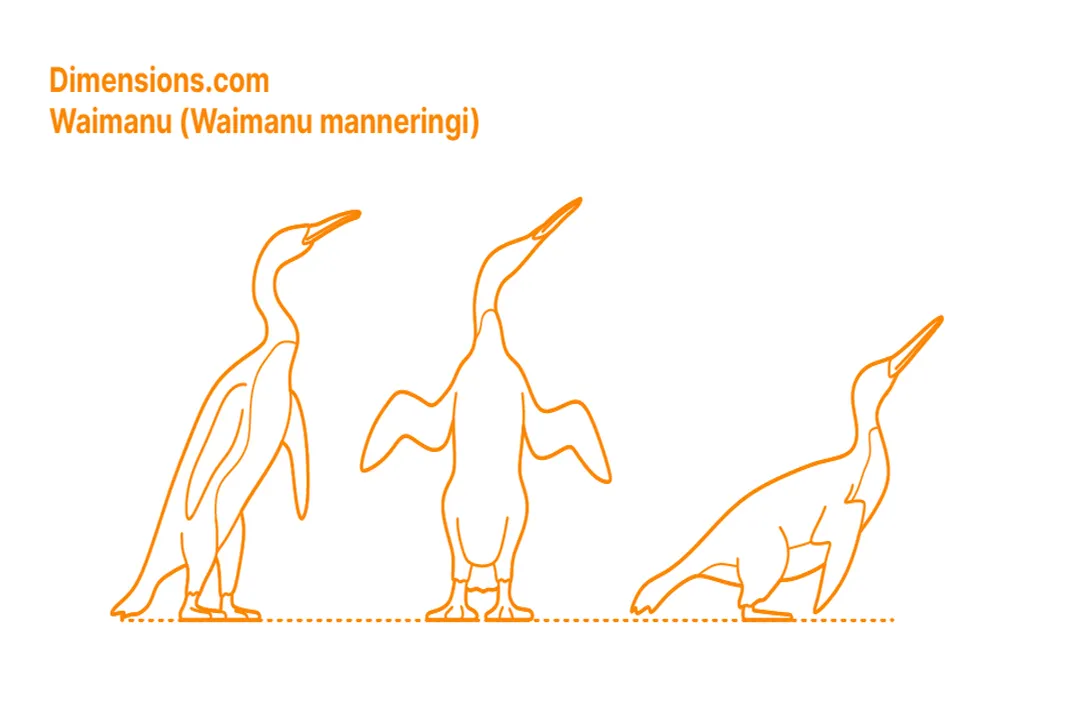
Related Questions
During which geological epoch did the flightless seabird Waimanu exist?In which specific location were the fossils of Waimanu primarily discovered?How does the physical size of Waimanu compare to a modern Emperor Penguin?The head morphology of Waimanu most closely resembles which modern avian group?Why was the relative lack of marine predators in the Paleocene significant for Waimanu?What is the most likely primary food source inferred for the prehistoric Waimanu?What distinct evolutionary classification is Waimanu known for?How did the wing structure of Waimanu differ from modern diving specialists?How did the Paleocene environment of Waimanu differ from the modern Antarctic habitat?What characterizes the probable foraging style of Waimanu based on its anatomy?