What characterizes the probable foraging style of Waimanu based on its anatomy?
Answer
Opportunistic piscivory in shallower or near-shore environments
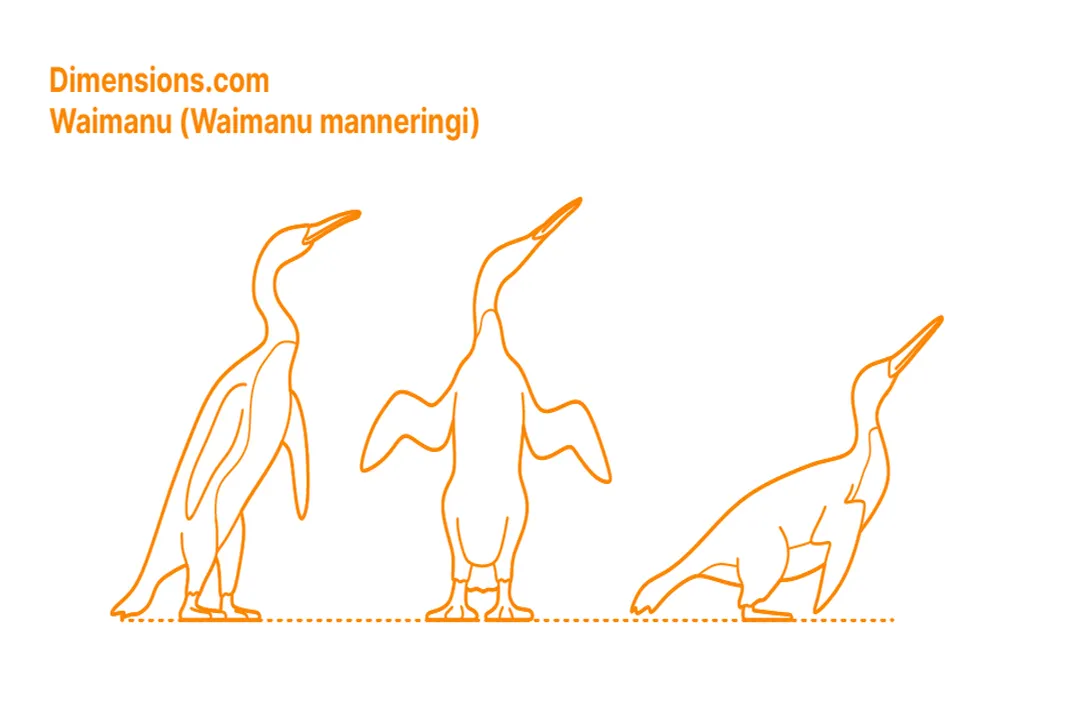
The anatomical features of Waimanu, including less efficient flippers and a long, narrow beak, point toward an opportunistic hunting strategy. Rather than engaging in the high-speed, deep-water pursuits typical of modern, highly specialized penguins, Waimanu likely focused on smaller schooling fish or soft-bodied prey that could be easily caught, ambushed, or cornered within the relatively sheltered, near-shore waters of its time.
Related Questions
During which geological epoch did the flightless seabird Waimanu exist?In which specific location were the fossils of Waimanu primarily discovered?How does the physical size of Waimanu compare to a modern Emperor Penguin?The head morphology of Waimanu most closely resembles which modern avian group?Why was the relative lack of marine predators in the Paleocene significant for Waimanu?What is the most likely primary food source inferred for the prehistoric Waimanu?What distinct evolutionary classification is Waimanu known for?How did the wing structure of Waimanu differ from modern diving specialists?How did the Paleocene environment of Waimanu differ from the modern Antarctic habitat?What characterizes the probable foraging style of Waimanu based on its anatomy?