Why is the radula and digestive system of the Chrysomallon squamiferum significantly reduced compared to other gastropods?
Answer
The snail has outsourced its energy conversion to internal bacteria
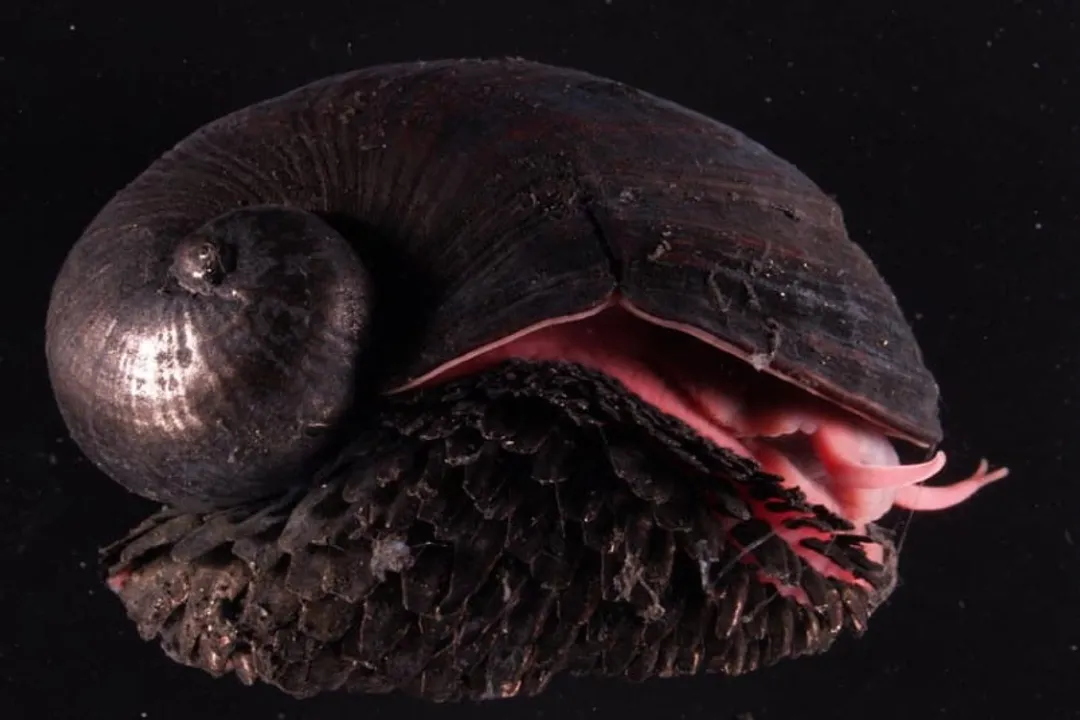
In most gastropods, the radula is a critical, complex, and muscular organ used for scraping and consuming external food sources. However, because the Volcano Snail depends entirely on internal chemoautotrophic bacteria for its energy supply, maintaining a large, complex digestive system and a functional radula would be a significant waste of metabolic energy. The evolutionary trade-off has resulted in a drastically reduced digestive system, taking up less than 10 percent of its body volume, as the primary task of nutrient acquisition is performed internally.
Related Questions
In what specific geographical region and depth range is the Chrysomallon squamiferum found?What type of microorganisms does the Volcano Snail host within its internal anatomy to survive?What biological process do the bacteria inside the Volcano Snail use to produce energy?Which anatomical structure is exceptionally enlarged in the Volcano Snail to store its bacterial partners?Why is the radula and digestive system of the Chrysomallon squamiferum significantly reduced compared to other gastropods?Which specific minerals are used by the Volcano Snail to create its protective sclerites and shell layer?What is the primary function of the proportionally giant heart in the Volcano Snail?What term describes the nutritional relationship where Volcano Snails require bacteria for survival throughout their life?What chemical compound is the most important reactant used by the internal bacteria to generate energy?What is the preferred ambient water temperature for the Volcano Snail in its vent habitat?