Volcano Snail Scientific Classification
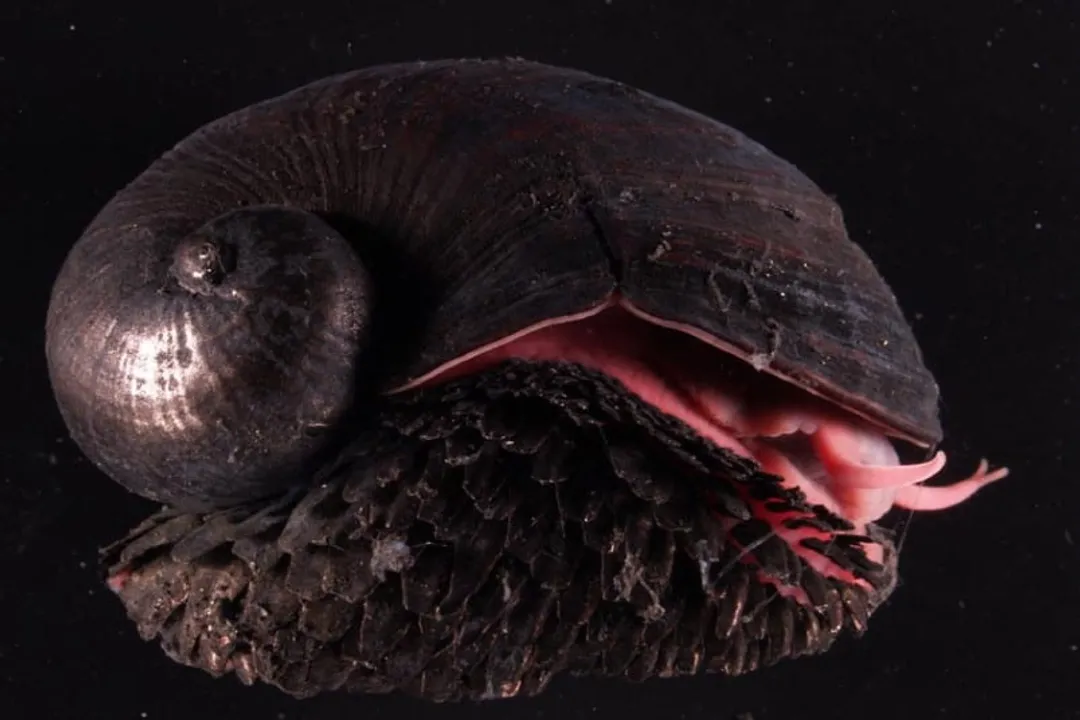
The creature commonly known among deep-sea enthusiasts and marine biologists as the Volcano Snail or the Scaly-foot Gastropod presents a fascinating subject when examining its place in the tree of life. Its scientific designation, Chrysomallon squamiferum, immediately sets it apart from the terrestrial snails many people are familiar with, hinting at a specialized and ancient lineage. Understanding its scientific classification is not just an exercise in nomenclature; it is a roadmap to understanding its evolutionary history and its bizarre adaptations to one of Earth's most inhospitable environments, the deep-sea hydrothermal vents.
# Kingdom Life
At the broadest level, the Volcano Snail belongs to the Kingdom Animalia. This classification places it among multicellular, eukaryotic organisms that are heterotrophic, meaning they must consume other organisms for energy, and they generally lack cell walls. This is the same vast grouping that includes everything from sponges to blue whales, establishing the snail as a complex, motile life form, even if its movement is slow by human standards. While this rank seems obvious for any animal, for a creature dwelling miles beneath the ocean surface, its confirmation as an animal underscores its active metabolic processes, despite the scarcity of typical food sources like sunlight for photosynthesis.
# Phylum Mollusca
Moving a step down, the Volcano Snail is placed within the Phylum Mollusca. This phylum is an incredibly diverse group, encompassing the snails, slugs, clams, oysters, octopuses, and squids. What unites them is a shared basic body plan, typically featuring a muscular foot, a visceral mass containing the organs, and a mantle that covers the visceral mass. For C. squamiferum, the muscular foot is evident in its slow, deliberate movements across the seafloor. However, the typical mollusk shell is radically altered in this species, presenting an evolutionary divergence that is key to its identity. Most bivalves or cephalopods have calcium carbonate shells; the snail’s unique composition, incorporating iron sulfide, speaks volumes about the selective pressures in its vent habitat.
# Class Gastropoda
The next rank is Class Gastropoda, which translates roughly to "stomach-foot". This class contains the vast majority of shelled mollusks—the snails and slugs. This is where the Volcano Snail gains its common names, as it possesses the characteristic spiraled shell and the ventral muscular foot used for locomotion. Yet, within the Gastropoda, C. squamiferum occupies a peculiar niche. It is not a common garden snail; it is a deep-sea snail, a fact that immediately separates its ecological role and physiological requirements from its shallow-water relatives. The structure of its shell, though, is perhaps the most distinguishing feature at this level, presenting a highly specialized evolutionary adaptation that deviates significantly from the textbook examples of gastropod shells.
# Order Neogastropoda
Within the Gastropoda, the Volcano Snail is assigned to the Order Neogastropoda. This order is generally characterized by predatory behavior and a more complex nervous system compared to earlier gastropod groups. Many Neogastropods are known as "true snails," often possessing a siphon used to draw water over the gills for respiration and chemoreception.
The placement in Neogastropoda is interesting when considering the snail's environment. Deep-sea vent fauna often survive through chemosynthesis, relying on the chemical output of the vents rather than sunlight. While some vent organisms are filter feeders, the placement of C. squamiferum in a primarily predatory order suggests an active foraging strategy, likely preying on other specialized vent organisms or perhaps utilizing chemosynthetic bacteria in a unique way. Given the extreme antiquity of the vent ecosystems, one might argue that the Neogastropoda classification here represents a deep, ancient branch, one that established its specialized traits long before the lineages that gave rise to modern coastal predators—a lineage that managed to adapt its predatory structure to an environment devoid of conventional food webs.

# Family Genus Species
The final, most specific steps in classification bring us to the core identity of the species: Family Scalyfoot, Genus Chrysomallon, and Species squamiferum.
# Family Scalyfoot
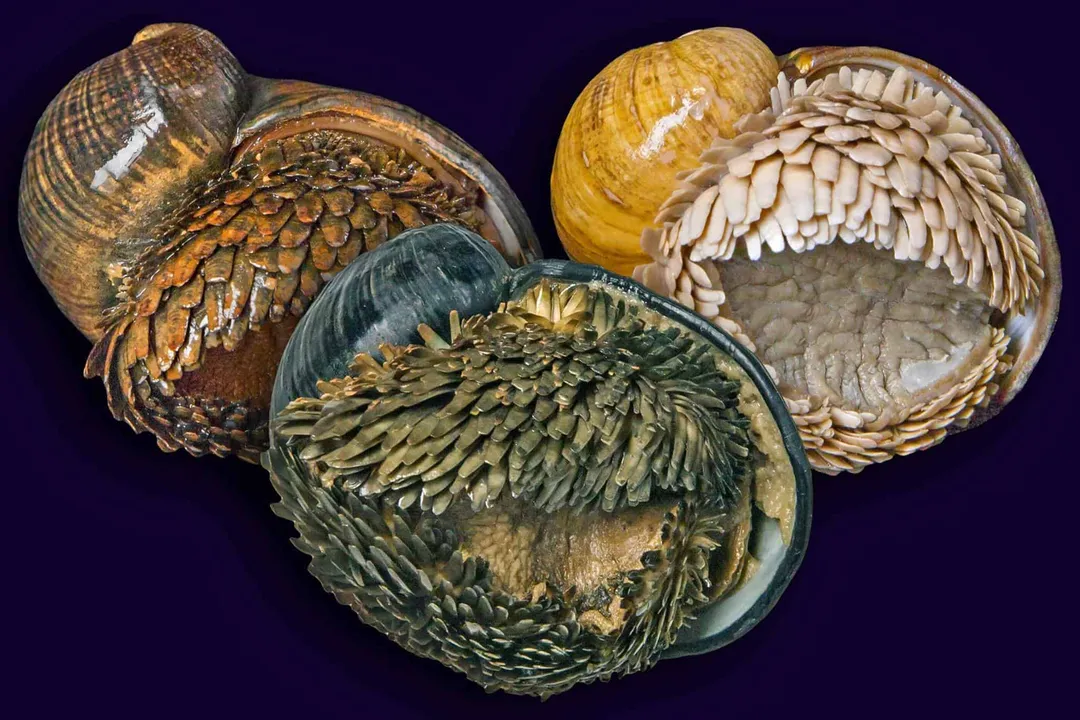
The family level groups together species that share more recent common ancestry and distinct morphological characteristics. For this snail, the family is named Scalyfoot, a direct reference to its most striking feature: the iron-impregnated scales covering its body. This feature is so unique that it warrants its own taxonomic grouping, separating it from other deep-sea gastropods that might share a similar habitat but lack this extraordinary iron armor.
# Genus and Species
The scientific name itself, Chrysomallon squamiferum, is derived from Greek and Latin roots. Chrysomallon translates roughly to "golden fleece," while squamiferum means "scale-bearing". This combination perfectly describes the appearance of the snail: a creature covered in metallic, scale-like scutes.
The species name, squamiferum, solidifies its identification based on the presence of these scales. This combination of names is precise:
- Genus (Chrysomallon): Designates the specific group of closely related scale-bearing snails, if any others are discovered within this genus.
- Species (squamiferum): The unique identifier for this exact population, known for its ability to construct a shell reinforced with iron sulfides, a biochemical feat unmatched by most other mollusks.
For general reference, this classification can be summarized neatly:
| Taxonomic Rank | Classification | Notes |
|---|---|---|
| Kingdom | Animalia | Multicellular, heterotrophic life |
| Phylum | Mollusca | Muscular foot, visceral mass, mantle |
| Class | Gastropoda | The snails and slugs |
| Order | Neogastropoda | Generally associated with predatory forms |
| Family | Scalyfoot | Defined by unique scale structures |
| Genus | Chrysomallon | Golden fleece genus |
| Species | C. squamiferum | Scale-bearing |
# Biological Significance
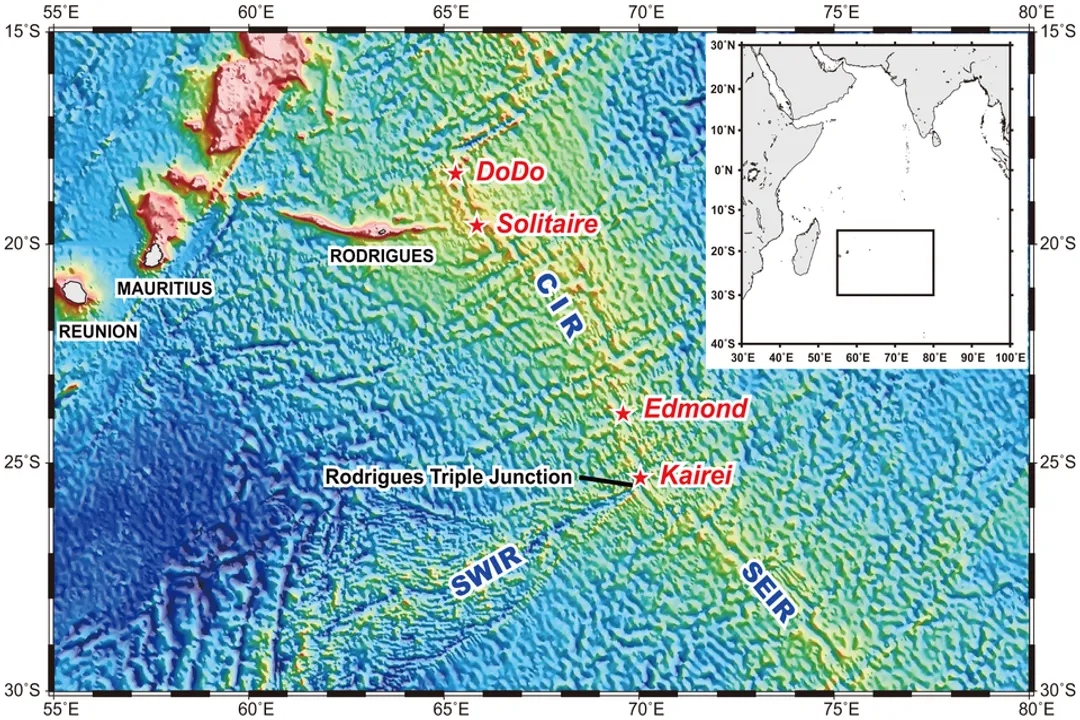
The classification dictates where this organism sits biologically, but its life history explains why it sits there. The Volcano Snail is found exclusively near hydrothermal vents, typically at depths exceeding 1,300 meters. These vents release superheated, mineral-rich water, creating an environment of intense pressure, total darkness, and high concentrations of toxic chemicals like hydrogen sulfide.
The most remarkable aspect is the shell construction itself. The snail’s middle layer is mineralized with iron sulfide (pyrite, or "fool's gold"). This process involves extracting iron from the vent fluids and incorporating it into the organic matrix of the shell, creating a structure that is incredibly tough and resistant to crushing forces. Most mollusks rely on calcium carbonate; the fact that C. squamiferum has evolved to use iron sulfides for structural reinforcement provides a unique case study in biomineralization within the Neogastropoda. This adaptation essentially forces the snail into a highly specialized ecological niche, reinforcing its status as a distinct species and justifying its unique family placement. If one were to analyze the genetics of this snail alongside its classification, one might find that the genes controlling shell deposition are radically different from those in related, non-vent-dwelling Neogastropods, representing a significant, rapid evolutionary divergence driven by environmental extremism.
# Classification Context
Comparing C. squamiferum to its likely closest relatives within the Gastropoda helps emphasize its unique standing. While it shares the basic structure of the Class Gastropoda, its reliance on iron sulfide for armor is the most profound differentiator against the vast majority of other snails. Most other deep-sea gastropods either have lighter, more typical calcium carbonate shells or are entirely shell-less, like some related limpets or sea slugs. The Volcano Snail represents a successful, albeit highly localized, gamble on extreme mineral incorporation for defense. This reliance on iron sulfides makes it one of the few known macro-organisms that actively incorporates iron into its biostructure for defense, making its taxonomy a reflection of its unique "under-armour" technology. This sophisticated biological defense system contrasts sharply with the relatively simple, calcium-based protection found in organisms just a few hundred meters away on the abyssal plain. The classification, therefore, acts as a placeholder for a suite of extraordinary biological solutions to environmental stress.
It is also worth noting that the scientific discovery and subsequent study of this snail represent a relatively recent expansion of malacological knowledge, given that deep-sea exploration remains challenging. Every new specimen or observation refines our understanding of how life persists and diversifies in such extreme conditions, constantly testing the rigidity of established taxonomic boundaries as we discover organisms with novel traits that span older classifications.
Related Questions
#Citations
Scaly-foot gastropod
Chrysomallon squamiferum | INFORMATION
Volcano Snail Animal Facts - Chrysomallon squamiferum
Scaly-foot Snails, Chrysomallon squamiferum
Volcano snails, also known as scaly-foot ... - Facebook
Chrysomallon squamiferum, commonly known as ... - Reddit
Scaly-foot Gastropod - NatureRules1 Wiki - Fandom
Under Armour: the amazing new scaly-foot snail