Volcano Snail Evolution
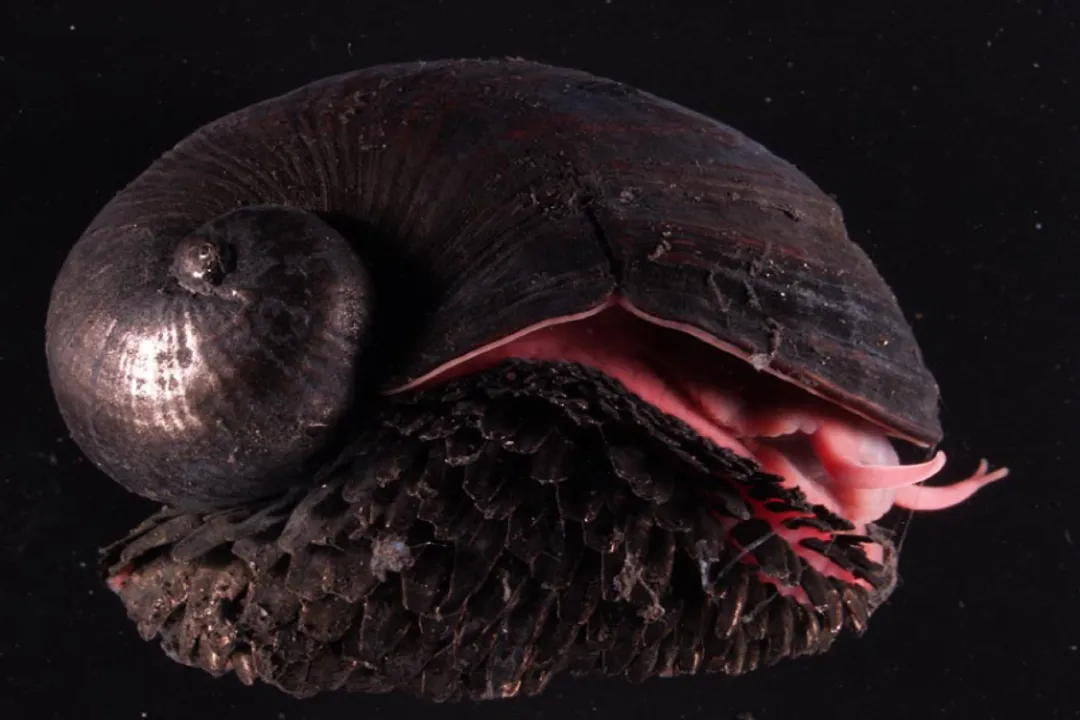
Life at the extreme depths of the ocean, near hydrothermal vents, presents a set of challenges so profound that only the most specialized organisms can survive there. Among these deep-sea dwellers is the scaly-foot gastropod, Chrysomallon squamiferum, a creature whose very biology seems lifted from science fiction, most notably because its shell is literally armored with iron. [1][9] This snail, found clinging to the superheated mineral chimneys of deep-sea vents, represents a remarkable example of evolution under intense, unique pressure.
# Shell Composition
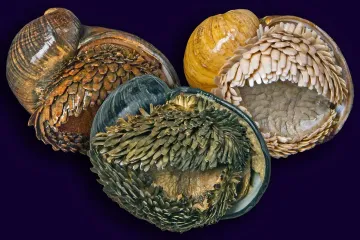
The most striking feature of Chrysomallon squamiferum is its external armor, which distinguishes it significantly from almost all other mollusks whose shells are typically composed of calcium carbonate. [8] Instead, this snail incorporates iron sulfides into its three-layered shell structure. [5][8] The outer layer is heavily mineralized, forming tough scales that give the species its common name. [8] This outer armor primarily consists of pyrite (iron sulfide, often called "fool's gold") and marcasite, which is another form of iron sulfide that has a different crystal structure. [1][5] Directly beneath this armored layer lies a middle layer composed of iron-sulfur compounds, and the innermost layer is made of organic material. [8]
The specific chemical makeup varies depending on the local vent chemistry, suggesting a degree of flexibility in how the snail extracts and incorporates minerals from its environment. [4] Researchers have identified that the shell can incorporate iron sulfide minerals like pyrite and even greigite (). [9] This process of drawing in and hardening metal compounds into a biological structure is known as iron-based biomineralization, a rare feat in the animal kingdom. [4]
Considering the energetic demands of building an iron-based fortress in an environment where food resources are scarce and highly localized, one can infer that the defensive benefits must vastly outweigh the metabolic cost. For a slow-moving creature exposed to potential predators—even specialized ones—the ability to shrug off physical attacks using metal plating provides a survival advantage that simple calcium carbonate could never match. [5]
# Extreme Habitat
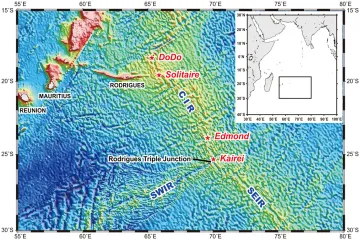
The scaly-foot gastropod calls the deep ocean its home, residing in environments characterized by crushing pressure, total darkness, and scorching temperatures. [3][9] These snails are specifically found near hydrothermal vents, often at depths around 2,500 meters. [3] These vents spew superheated, mineral-rich water, creating steep thermal and chemical gradients. [1] While the ambient deep-sea water is near freezing, the vent fluid itself can exceed (). [1] The snail lives in the boundary zone where these extremes meet, demonstrating an incredible tolerance for temperature fluctuations and chemical toxicity, including high concentrations of heavy metals. [4]
This environment necessitates a unique base for the local food web. Unlike surface ecosystems reliant on sunlight (photosynthesis), the life around these vents is fueled by chemosynthesis, where specialized microbes convert chemical energy from the vent fluids into organic matter. [1] The volcano snail occupies a niche within this system, feeding on these chemosynthetic bacteria, often scraping them directly from the surfaces of the vents themselves. [1] The visual documentation of these snails often shows them moving across the dark, rugged topography created by the mineral deposits emanating from the vent structures. [2][7]
# Genomic Clues
Evolutionary biologists have delved into the snail's genome to understand the genetic basis for its metallic shell and extreme tolerance. [4] Research published in Nature Communications revealed specific genetic signatures that point toward adaptations for surviving in this harsh setting. [4]
The genome shows evidence of gene duplication and loss associated with detoxification mechanisms, crucial for handling the heavy metals present in the vent fluid. [4] Perhaps more importantly for its evolution, the snail possesses genes that regulate the complex biomineralization process, allowing it to control the precise deposition of iron sulfides. [4] This genetic control is what separates C. squamiferum from simply accumulating minerals randomly; it actively constructs an engineered material. [4]
When comparing the evolutionary trajectory of this snail to its shallower-water relatives, the difference in selective pressure is immense. Surface snails face predation from birds, fish, and land mammals, favoring shells optimized for crushing resistance using readily available calcium. [1] The volcano snail, however, faced evolutionary forces favoring resistance against chemical stress and the ability to integrate novel, abundant local materials—iron sulfides—into its defense system. [4] It suggests that in extremely stable yet hostile deep-sea environments, evolutionary paths can diverge dramatically based on available local resources rather than generalist needs. [3]
# Slow Growth
Life in the deep sea, even around the energy-rich hydrothermal vents, is often characterized by a slower pace compared to sunlit surface waters. Chrysomallon squamiferum exemplifies this with its reported slow growth rate. [3] While the exact lifespan and growth metrics can be difficult to establish in the field, their metabolic rate, dictated by the generally low-energy availability from chemosynthesis compared to photosynthesis, means development is protracted. [3][4] This slow pace is a common evolutionary strategy in stable, energy-limited habitats; there is less immediate evolutionary pressure to grow quickly when the environment itself changes very slowly over geological timescales. [4]
The discovery of this species was relatively recent, initially identified in the early 2000s, expanding our knowledge of the diversity supported by these unique ecosystems. [8]
# Biological Significance
The study of the scaly-foot gastropod offers more than just a fascinating look at deep-sea biology; it holds tangible interest for materials science. [4] Understanding how C. squamiferum builds a lightweight yet incredibly strong, crack-resistant armor using iron sulfide could inspire the creation of new synthetic, high-performance bio-inspired materials for use in armor or structural components. [8] The ability to manage and incorporate these abundant, yet chemically challenging, minerals into a sophisticated biological product provides a blueprint for next-generation engineering based on nature’s proven designs. [4] This deep-sea resident, armored in iron, continues to provide evidence that life finds a way to thrive, even under the planet's most extreme conditions, provided the genetic tools are available to exploit the local geology. [1][9]
#Videos
The Insane Biology Of The Volcano Snail - YouTube
Related Questions
#Citations
Scaly-foot gastropod - Wikipedia
The Insane Biology Of The Volcano Snail - YouTube
Chrysomallon squamiferum | INFORMATION - Animal Diversity Web
The Scaly-foot Snail genome and implications for the origins of ...
The volcano snail. Their shells are made of iron and they live around ...
giant scaly-foot gastropod with enhanced abilities - Facebook
Evolution of Scaly-Foot Snails: Marvels of Nature | TikTok
Under Armour: the amazing new scaly-foot snail - Museum Wales
Volcano Snail: The Armored Snail From The Bottom Of The Ocean