Why are traditional mixed seed feeders often ignored by most warbler species?
Answer
Warblers are generally not seed eaters
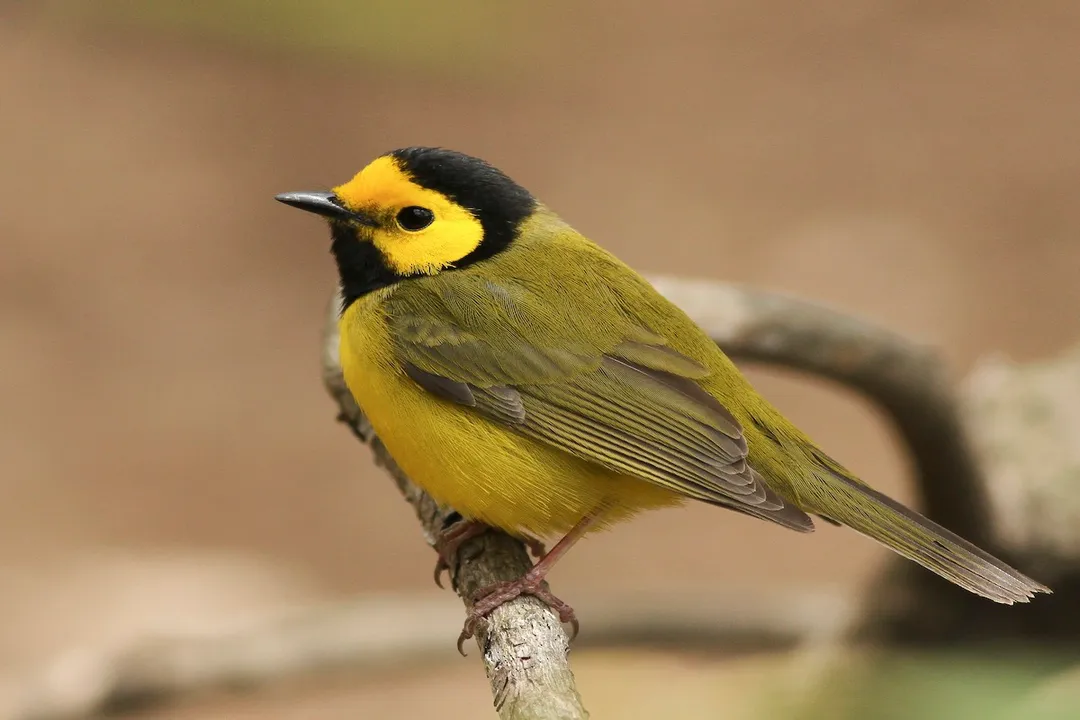
The fundamental dietary classification for the majority of warbler species is insectivore, meaning their natural forage consists overwhelmingly of small arthropods, caterpillars, and occasionally fruit lipids when migrating. Seed consumption is not a characteristic behavior for this group, and therefore, traditional feeders containing sunflower seeds, millet, or mixed grains do not fulfill their specific nutritional requirements or match their innate foraging instincts. This lack of interest contrasts with birds specifically adapted for granivory.
Related Questions
What diet shift occurs as migration looms for warblers?What evolutionary advantage does the warbler's fine, pointed bill provide?What food source is the Yellow-rumped Warbler often seen near during migration stops?What defines the "Sallying" foraging style in warblers?Why are traditional mixed seed feeders often ignored by most warbler species?What specialized ground-level foraging behavior is characteristic of the Worm-eating Warbler?What nutrient is essential for adult warblers supporting rapidly growing nestlings?What two active foraging techniques define the feeding behavior of the Hooded Warbler?Which supplemental food item closely mimics the soft-bodied prey warblers naturally consume?How can feeding presentation texture benefit warblers seeking small insects?