What two active foraging techniques define the feeding behavior of the Hooded Warbler?
Answer
Hover-gleaning and sallying
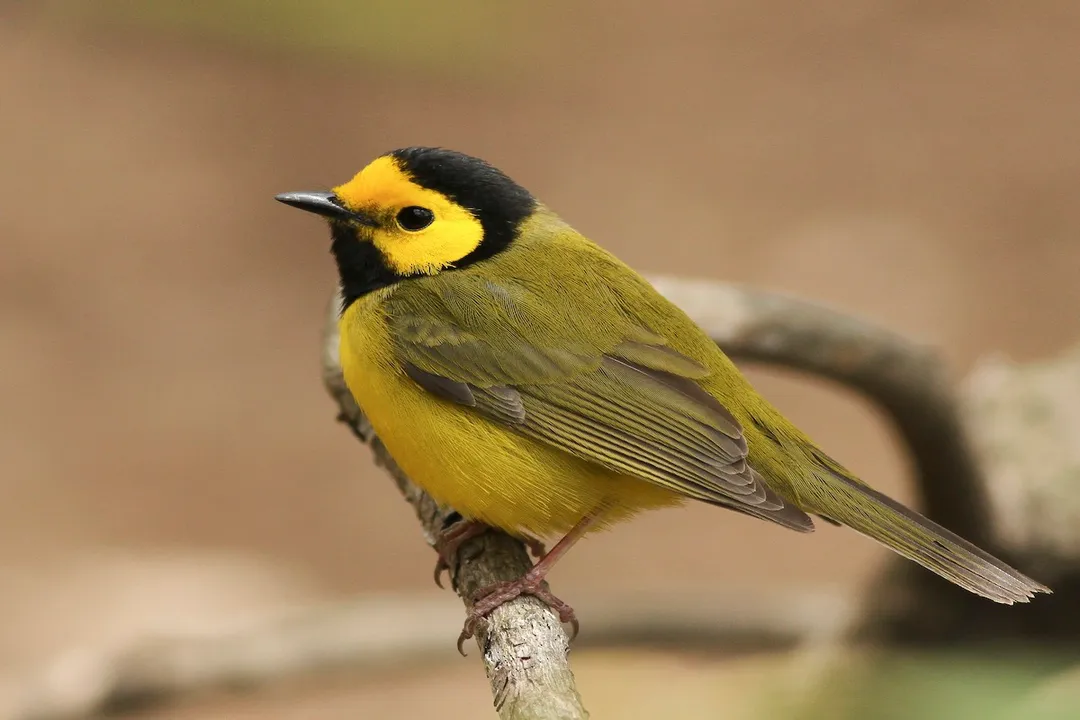
The Hooded Warbler demonstrates specialization through active pursuit of insects using specific maneuvers. Hover-gleaning involves momentarily suspending itself in the air near a surface, like a leaf edge, to snatch prey, requiring quick stabilization in flight. Sallying involves explosive dashes from a perch to intercept flying insects mid-air. These two techniques emphasize agility and speed in securing prey, often making the Hooded Warbler highly dependent on periods when aerial or easily accessible insects are abundant.
Related Questions
What diet shift occurs as migration looms for warblers?What evolutionary advantage does the warbler's fine, pointed bill provide?What food source is the Yellow-rumped Warbler often seen near during migration stops?What defines the "Sallying" foraging style in warblers?Why are traditional mixed seed feeders often ignored by most warbler species?What specialized ground-level foraging behavior is characteristic of the Worm-eating Warbler?What nutrient is essential for adult warblers supporting rapidly growing nestlings?What two active foraging techniques define the feeding behavior of the Hooded Warbler?Which supplemental food item closely mimics the soft-bodied prey warblers naturally consume?How can feeding presentation texture benefit warblers seeking small insects?