Warbler Diet
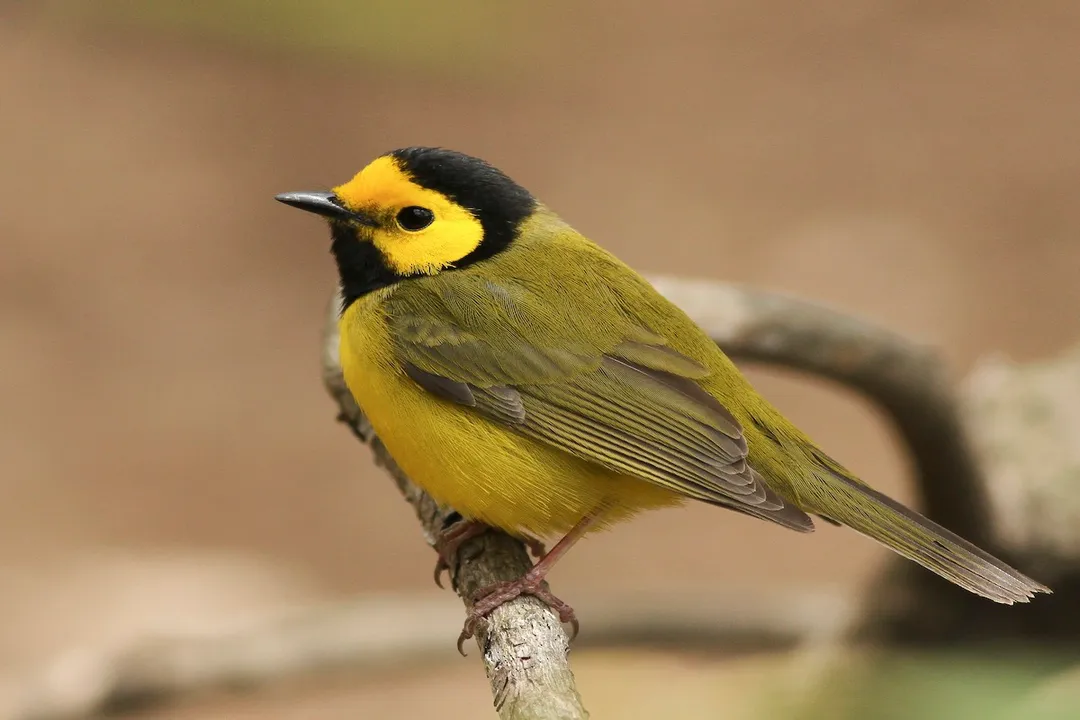
The diet of a warbler shifts significantly throughout the year, moving between high-protein insect consumption during the breeding season and a greater reliance on fruits and seeds when preparing for or undergoing migration. [1][4] While many species are often lumped together under the general term "warbler," their specific food preferences can vary quite a bit based on species, habitat, and the time of year. [1] At their most fundamental level, these small, active birds are primarily insectivores, relying on the abundance of arthropods found in leafy environments. [8]
# Insect Focus
Insects form the backbone of the warbler diet when they are actively nesting or building up reserves for a long flight south. [1][3] They consume a wide variety of soft-bodied insects, including caterpillars, aphids, small spiders, and gnats. [1][4] This preference for small, easily digestible prey is what drives their foraging styles, which often involve quick, acrobatic maneuvers through foliage. [3]
For instance, the Yellow-rumped Warbler, a well-known species, is frequently observed eating insects, particularly in warmer months. [6] Their success as long-distance migrants is directly linked to their ability to consume enough calories from these protein-rich sources during the breeding season. [1] The very shape of a warbler's bill—typically fine and pointed—is an evolutionary adaptation perfectly suited for gleaning tiny arthropods from the complex surfaces of leaves and bark, a distinct advantage over birds with thicker bills designed for cracking seeds. [8]
# Seasonal Diet Shifts
The transition between seasons dictates major changes in what warblers seek out to eat. During the nesting season, adults need protein for themselves and their rapidly growing nestlings. [1] As autumn approaches and migration looms, the focus often switches to energy storage, which means a higher intake of fatty fruits and berries. [1][3]
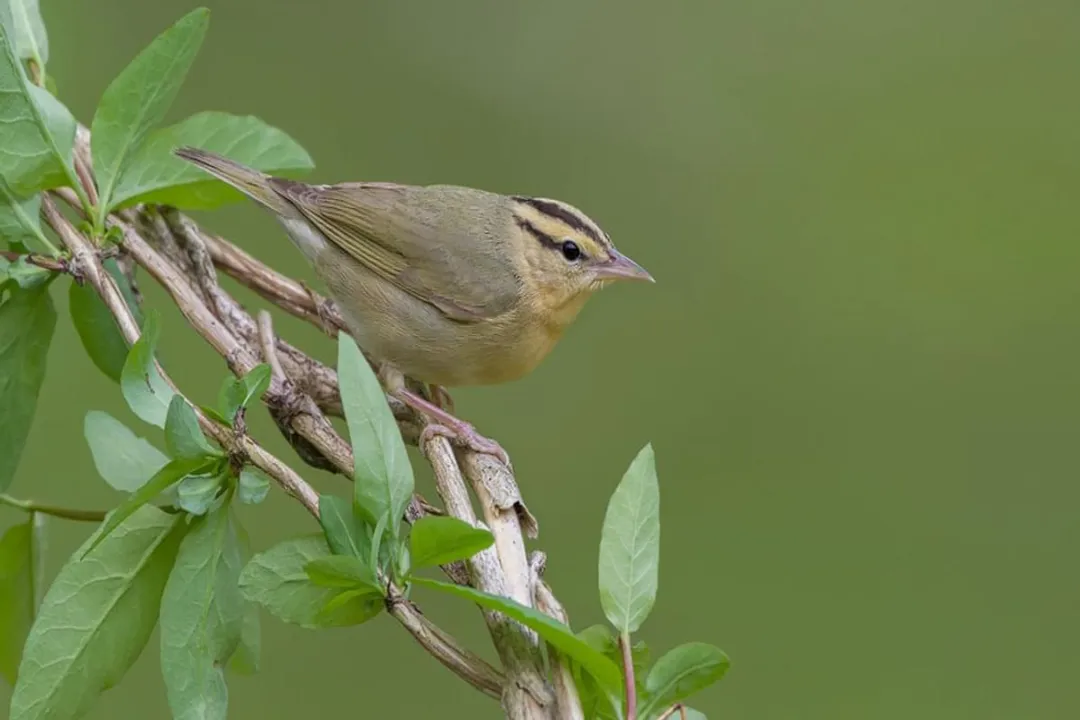
Consider the Worm-eating Warbler. While it consumes insects like ants, beetles, and caterpillars throughout the year, [7][9] its feeding habits are somewhat specialized. During migration, this species relies heavily on these small invertebrates. [9] In contrast to some other warblers that might readily switch to fruit, the Worm-eating Warbler seems to maintain a stronger insect focus year-round, perhaps due to its specific foraging style among leaf litter. [2][7] This difference highlights that while general trends exist, specific species exhibit unique dietary inflexibility or flexibility. [5]
When observing birds in backyard settings during migration, an interesting dietary trade-off becomes apparent. Birds that rely heavily on fruit, like the Yellow-rumped Warbler, can often be seen near berry bushes or feeders offering dried fruit, while those sticking strictly to insects might pass them by. [6] A quick survey of available natural foods in a local area can therefore predict which warbler species are most likely to stop over. [1]

# Specialized Feeders
While many warblers are insect gleaners, some species demonstrate highly specialized feeding behaviors that set them apart. The diet of the Hooded Warbler provides a good example of this specialization in foraging technique. [5]
The Hooded Warbler feeds primarily by gleaning insects from the surface of leaves, often using a "hover-glean" technique where they momentarily hang in the air to snatch prey. [5] They also engage in "sallying," darting out from a perch to catch flying insects mid-air. [5] This reliance on active foraging for insects means that during periods when insects are scarce, they may need to move on quickly, unlike species with a broader fruit tolerance.
The Worm-eating Warbler offers another divergence. This species spends significant time foraging on or near the ground, often probing into leaf litter and moss. [7][9] Their diet includes ants, which they seem particularly adept at finding, though they also take small spiders and beetles. [2][9] This ground-level foraging, combined with a relatively specialized insect diet, means that garden landscapes that lack adequate ground cover may not appeal to them as much as dense, shrubby areas. [7]
# Attracting and Feeding
For bird enthusiasts hoping to provide supplementary food, understanding what warblers naturally eat is key to offering effective options. [3] Warblers are generally not seed eaters, meaning traditional mixed seed feeders are often ignored by most species. [4]
# Preferred Foods
The most effective offerings mimic their natural, high-energy insect diet:
- Suet: Plain suet, or suet mixed with insects or peanut butter, is often accepted, especially during cold weather or migration when insect foraging is less productive. [3][4]
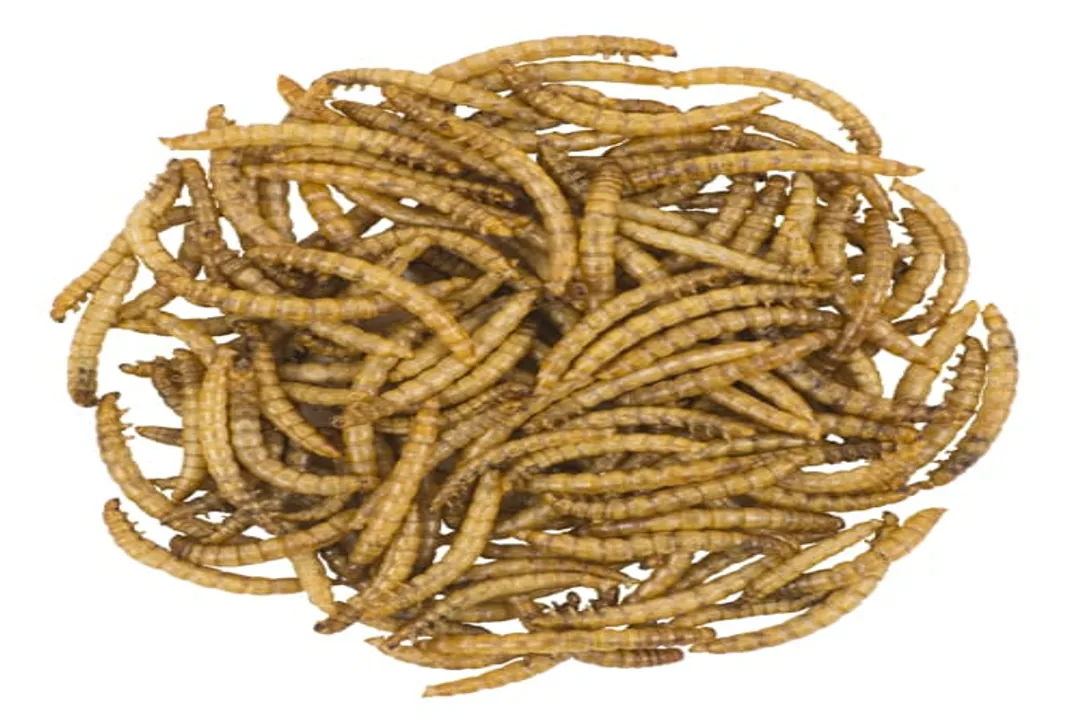
- Mealworms: Live or dried (rehydrated) mealworms are a high-value treat that closely resembles natural soft-bodied prey. [3]
- Nectar: Some warblers, particularly those migrating through areas rich in flowering plants, may sample nectar. [4]
When offering supplemental food, it can be beneficial to mimic the texture of their natural forage rather than just the type of food. For instance, mixing finely ground, shelled nuts with peanut butter and offering it in a fine mesh feeder might appeal more than a solid suet cake, as it allows them to pick off small, nugget-sized pieces similar to the small insects they target daily. [3]
# Nectar Considerations
While some sources list nectar as a possibility, [4] it's important to note that species like the Worm-eating Warbler appear to have little to no recorded interest in nectar or sugar water. [2][7] For the majority of insectivorous warblers, nectar is a secondary, opportunistic energy source at best, usually overshadowed by insects or fruit lipids when available.
# Foraging Styles Comparison
The way different warblers find food highlights the diversity within this group of birds. [8] Observing their behavior can be fascinating, revealing specialized ecological niches:
| Foraging Style | Description | Example Behavior | Primary Food Target |
|---|---|---|---|
| Gleaning | Picking prey directly off leaves, twigs, or bark. [5] | Slow, methodical search through dense canopy foliage. | Caterpillars, Aphids [1] |
| Hover-Gleaning | Briefly hovering in the air to pluck prey from a surface. [5] | Attacking a leaf edge before returning to a nearby branch. | Small spiders, Mites |
| Sallying | Darting out from a perch to catch flying insects. [5] | Short, rapid flights into the air and back to the same perch. | Gnats, Flying Ants [5] |
| Probing/Flicking | Turning over leaf litter or probing into crevices near the ground. [7][9] | Moving debris with the bill or feet on the forest floor. | Ants, Ground-dwelling Beetles [9] |
Understanding that warblers are active foragers rather than passive feeders—meaning they must expend energy to find almost every meal—is crucial for appreciating their dietary needs. [8] This high level of activity is sustained by a diet rich in protein and easily processed energy sources.
The dietary overlap between species, especially during migration when food resources can become temporarily concentrated, is a major factor in how well different warblers coexist on a small patch of woodlot. While the Yellow-rumped Warbler might readily switch to berries when available, [6] a more strictly insectivorous warbler might have to compete fiercely for the remaining caterpillars in that same area. [1] This dynamic competition drives behavioral adaptation, favoring the species that can most efficiently exploit the immediate, localized food source.
Ultimately, the warbler diet is a story of seasonal adaptation centered around a foundation of small arthropods. Whether they are picking mites from a pine needle or flipping over damp leaves on the forest floor, their success hinges on accessing high-quality, small food items that fuel their famously energetic lifestyles. [4][8]
Related Questions
#Citations
What Do Warblers Eat and How to Attract Them - Birds and Blooms
Worm-eating Warbler Life History - All About Birds
What Do Warblers Eat and How to Feed Them? - Green Backyard
All About Warblers and How to Attract Them - Wild Birds Unlimited
Diet and Foraging - Hooded Warbler - Setophaga citrina
It is a yellow-rumped warbler. What does he eat when there are no ...
Worm-eating Warbler | Audubon Field Guide
Wood Warbler Diet and Size: Feeding Habits, Predators, and ...
WORM-EATING WARBLER | The Texas Breeding Bird Atlas