Why is it called a mourning warbler?
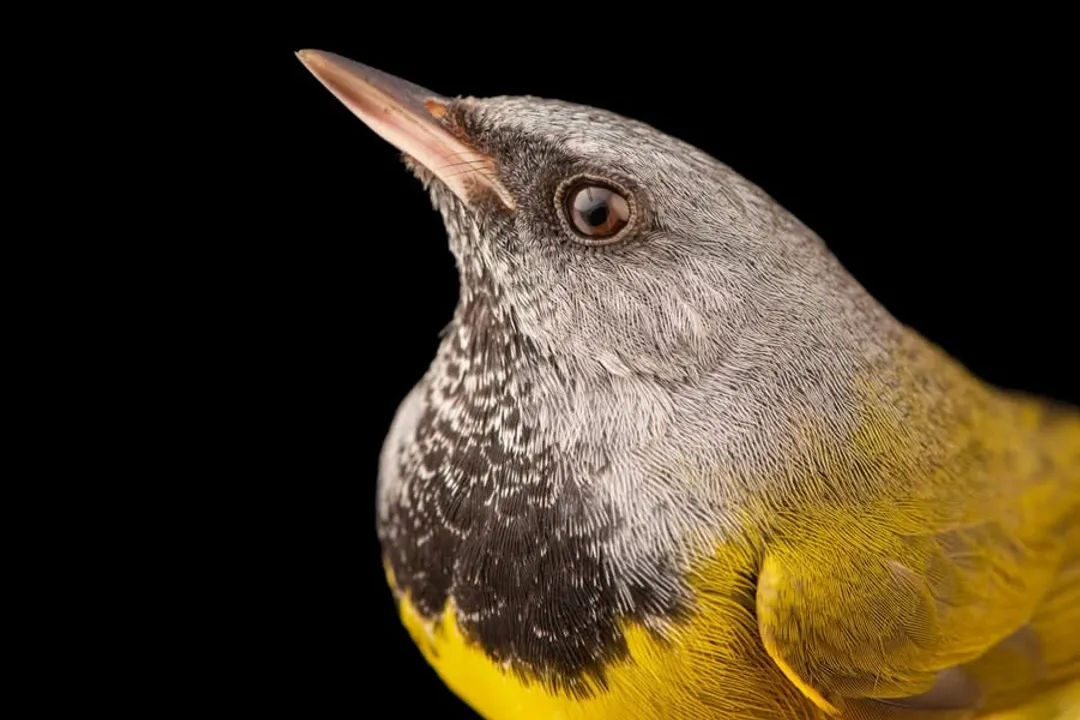
The small, slate-gray head that adorns the male Mourning Warbler gives this bird its distinctive and somewhat somber moniker. Unlike many of its warbler cousins known for brilliant yellows, reds, or striking patches, the Mourning Warbler presents a palette that seems deliberately understated, earning it a name that suggests quiet reverence or shadow. This impression comes directly from the adult male’s plumage pattern, particularly the neat, dark hood that contrasts sharply with the olive-green body. [1][2]
# Hood Description
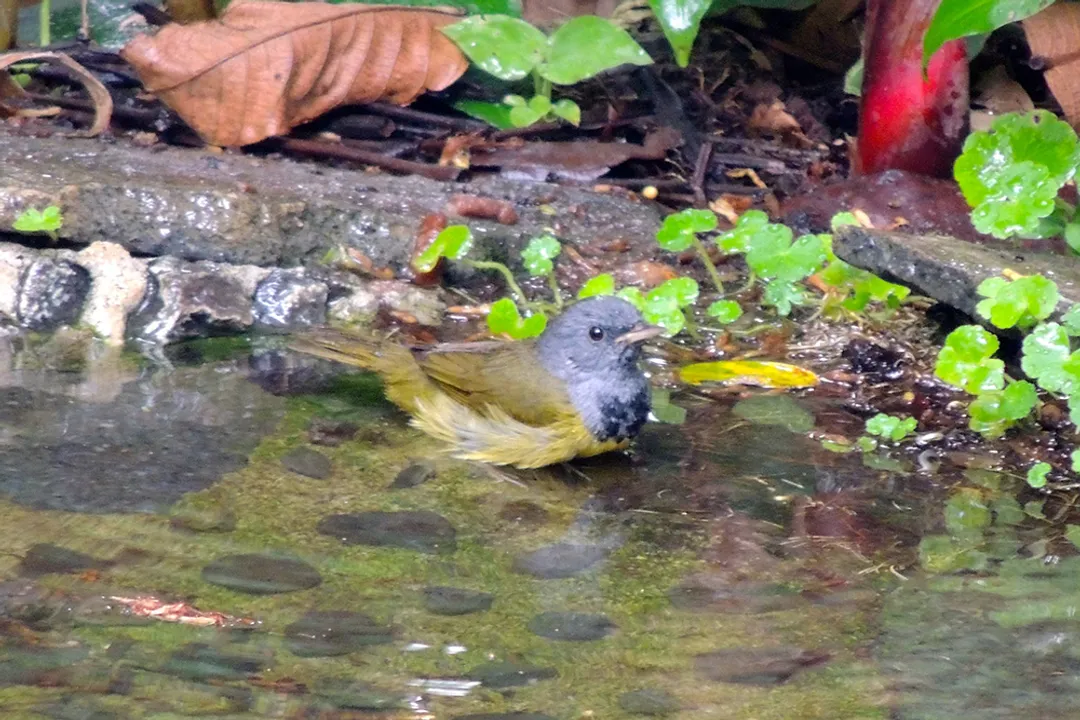
The primary reason for the name is the male's dark head, which appears as a complete slate-gray hood extending down the throat and chest, resembling the cowl or cloak worn by a cleric during periods of mourning. [3] This dark bib is the defining field mark for the breeding male. [4] It is important to note that while the name suggests universal sadness, the term is purely descriptive of this specific feature, rather than an indication of the bird's behavior or song quality, which is often described as loud and robust. [8][6] The dark gray hood wraps around the head, covering the cheeks and throat, creating a solid, muted block of color. [6]
# Male Plumage
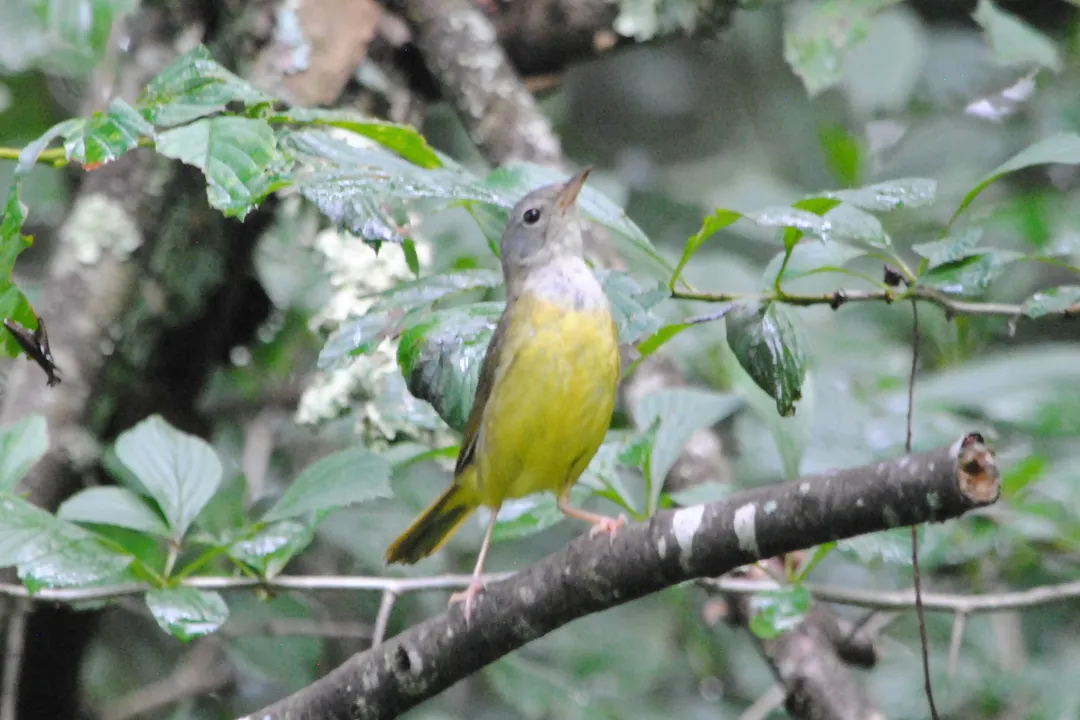
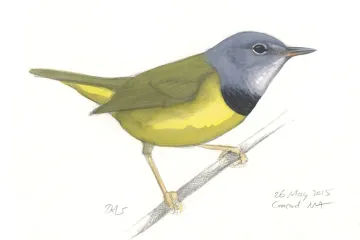
To truly appreciate the naming convention, one must contrast the male with other members of the Dendroica group, or in this case, the Oporornis genus. The male Mourning Warbler is slate-gray on the head, neck, and upper breast, contrasting with a bright yellow belly and greenish back and wings. [2][1] This strong delineation between the dark "mourning" top and the bright underparts is quite striking when the bird is briefly seen in clear light. Interestingly, when comparing its overall color scheme to the vibrant splash of a neighboring species like a Yellow Warbler, the Mourning Warbler’s olive-green back and subdued head give it a visual gravitas that seems to align with its name; it manages to look somber even when flashes of yellow are visible. [1]
# Female Appearance
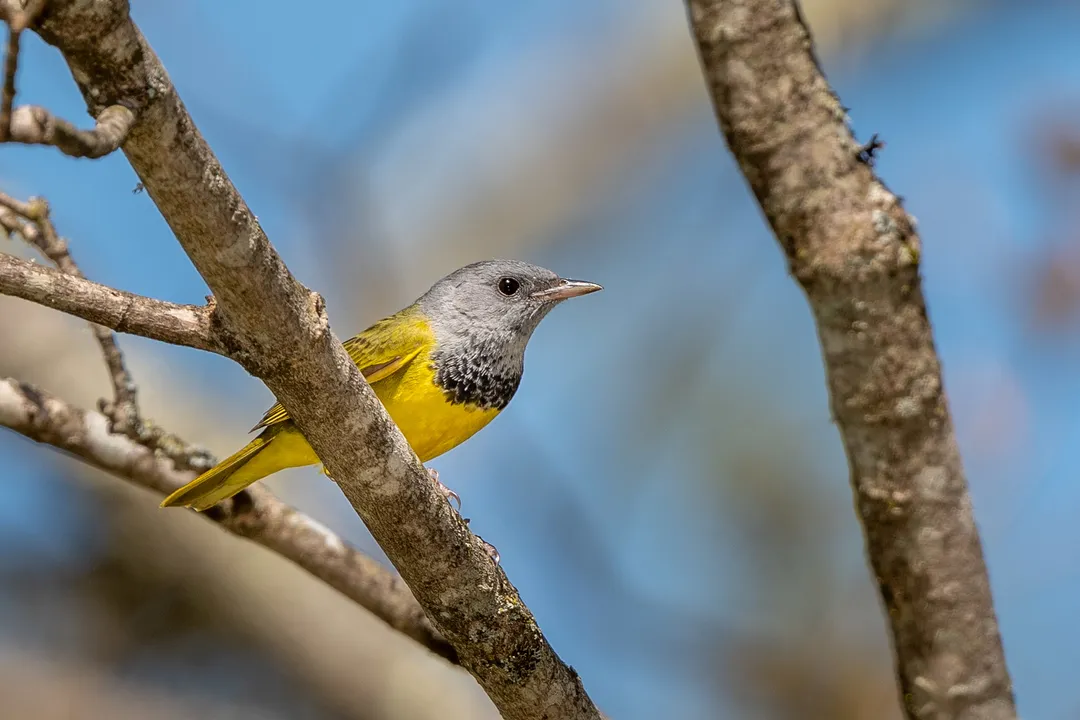
The naming convention becomes less literal when observing the females and immature birds. The female Mourning Warbler lacks the distinct, solid gray hood seen on the male. [2][4] Instead, her throat and breast are often a paler grayish-olive, appearing mottled or washed out compared to the male's crisp demarcation. [6] This difference is a classic example in bird identification where only one sex displays the feature that lends the species its common name. An observer looking only at a female might wonder why the bird is called "Mourning" at all, as her appearance is softer and blends more easily into the undergrowth. [4]
# Forest Habitat
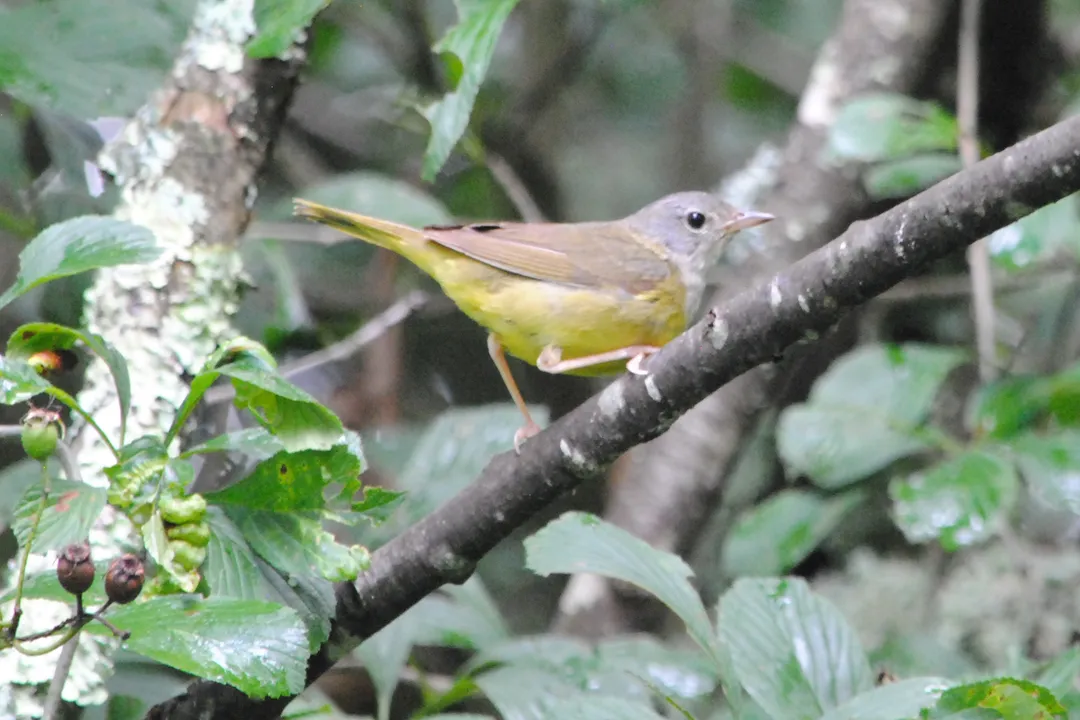
Mourning Warblers are birds of dense cover, particularly in their breeding grounds across the boreal forest regions of Canada and the northern United States. [5][7] They strongly prefer thickets, dense shrubbery, and areas with heavy, low vegetation, often near wet edges or along streams. [1][5] This preference for thick cover is crucial to understanding how most people encounter them. A person is often alerted to the presence of a Mourning Warbler not by a clear view of the namesake gray hood, but by its vigorous, high-pitched song emanating from the depths of the brush. [6]
One observation birders often share is that the bird's behavior makes the name an acquired description rather than an immediate one. Because they habitually skulk in the densest vegetation—flitting low among the leaves, rarely perching out in the open—you often hear the bird singing its heart out long before you ever catch a glimpse of that slate-gray cowl. [8] It takes patience, or a lucky break in the foliage, to confirm the identity by seeing the namesake feature. For instance, during migration stopovers, a bird flushed from dense undergrowth might fly up briefly into a lower branch, offering a fleeting view of the hood before dropping back into the shadows. [8]
# Foraging Style
The bird's habits on the ground and in low shrubs further contribute to its elusive nature. Mourning Warblers feed low, actively gleaning insects from the leaves and branches of shrubs and small trees. [6] They seldom forage high in the canopy, preferring the tangles close to the forest floor. [1] This ground-level activity reinforces the image of a bird that stays close to the shadows, rarely exposing its striking headgear to the sunlit world above the bushes.
When documenting the species, especially in the field, researchers often note down the color quality in relation to lighting conditions. A male seen in deep shade might appear almost entirely black and gray, intensifying the 'mourning' association. [9] Conversely, a male caught in direct afternoon sunlight reveals the sharp distinction between the dark hood and the bright yellow flanks—a complex visual profile that belies a single, simple name. It makes one appreciate the naming convention as a snapshot moment, the best possible descriptor for the most recognizable part of the adult male’s breeding attire. [3]
# Range Summary
Mourning Warblers breed across a broad swath of North America, though they are generally considered less numerous than some other warbler species. [7] Their breeding range spans from central Alaska eastward through the boreal forest of Canada, dipping into the northern Great Lakes region and the mountains of the Northeast United States. [5][2] During migration, they move south, often crossing Central America to winter mostly in northern South America, favoring dense second-growth forests and forest edges in those warmer climes. [1][7] This seasonal shift means the distinct gray hood is only a feature seen on the breeding grounds or briefly during northbound spring passage through many regions. [2]
Related Questions
#Citations
Mourning Warbler | Audubon Field Guide
Mourning Warbler Overview, All About Birds, Cornell Lab of ...
Mourning warblers like this male get their name because ... - Facebook
Mourning Warbler - South Dakota Birds and Birding
Mourning Warbler "Oporornis philadelphia" - Boreal Songbird Initiative
Monticello Park Birds - Mourning Warbler
[PDF] Mourning Warbler - Vermont Atlas of Life
Mourning Warbler - Braddock Bay Bird Observatory - WordPress.com