Which sensory organ do Pictus Catfish use extensively to locate food near the substrate?
Answer
Their barbels
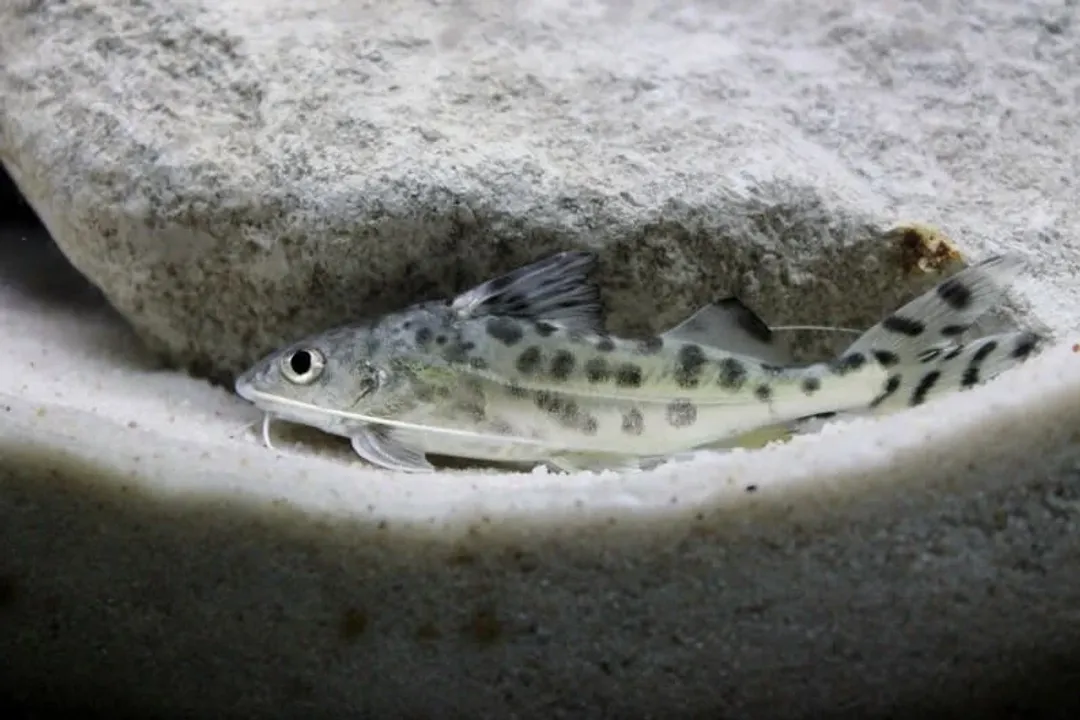
Pictus Catfish rely heavily on their barbels as a primary sensory tool, especially given the murky or darker waters they inhabit in the wild. These fleshy, whisker-like organs are equipped with chemical receptors that allow the fish to 'taste' and sense objects in close proximity, essentially allowing them to feel their way around and locate food items resting on or near the bottom substrate. This adaptation is crucial for their foraging success when light levels drop, making the barbels indispensable for finding food that may not be visible.
Related Questions
What constitutes the main wild diet of the Pictus Catfish in South American rivers?Which sensory organ do Pictus Catfish use extensively to locate food near the substrate?Why are sinking pellets or wafers generally preferred over standard flake foods for housing Pictus Catfish?What critical step must be taken when feeding common frozen additions like brine shrimp to Pictus Catfish?What health risk can result from Pictus Catfish gorging rapidly on dense sinking pellets?What is the recommended rule of thumb for determining if overfeeding has occurred during a feeding session?What behavior characteristic heavily influences the ideal time to feed a Pictus Catfish?What specific food items are listed as excellent live additions for triggering a natural hunting response in Pictus Catfish?How often and what type of vegetable matter is suggested for roughage in a Pictus Catfish diet?What precaution must be taken if using live feeder fish as a protein source for Pictus Catfish?