What does a Pictus Catfish eat?
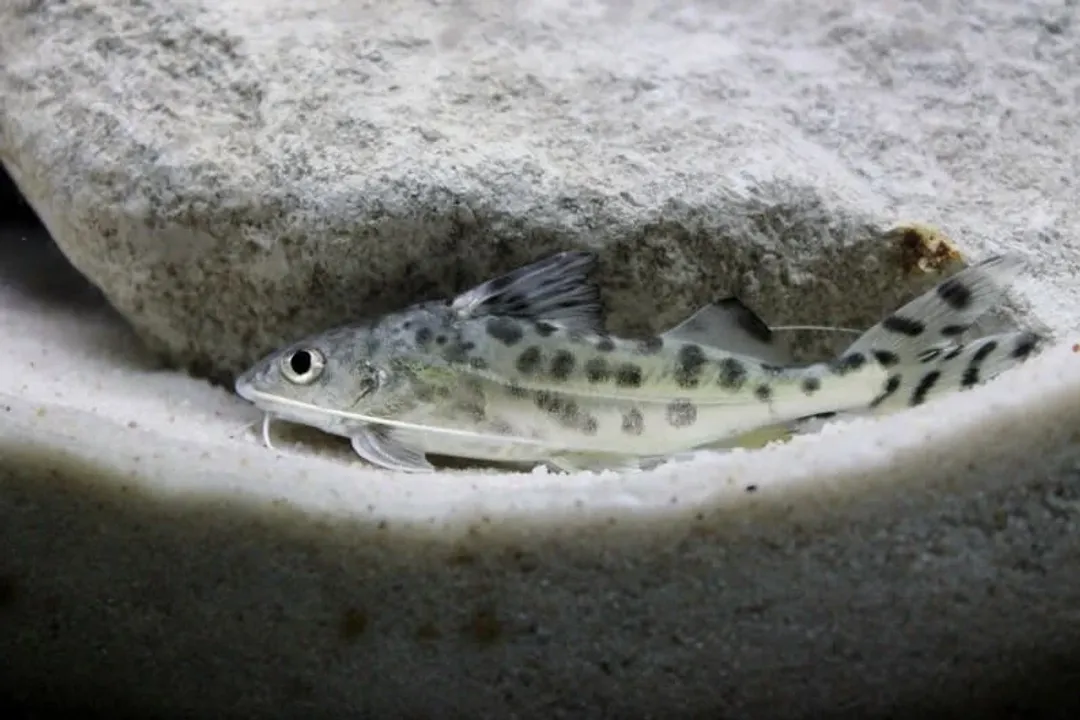
The feeding routine for a Pictus Catfish (Pimelodus pictus) revolves around its nature as an active, primarily nocturnal omnivore that strongly prefers a meaty diet. Understanding what these fish consume naturally is the first step in replicating that diet successfully in an aquarium setting. [5][10] These fish are certainly not picky eaters, showing enthusiasm for a wide variety of foods they encounter, but providing balanced nutrition is what keeps them healthy long-term. [4]
# Wild Diet
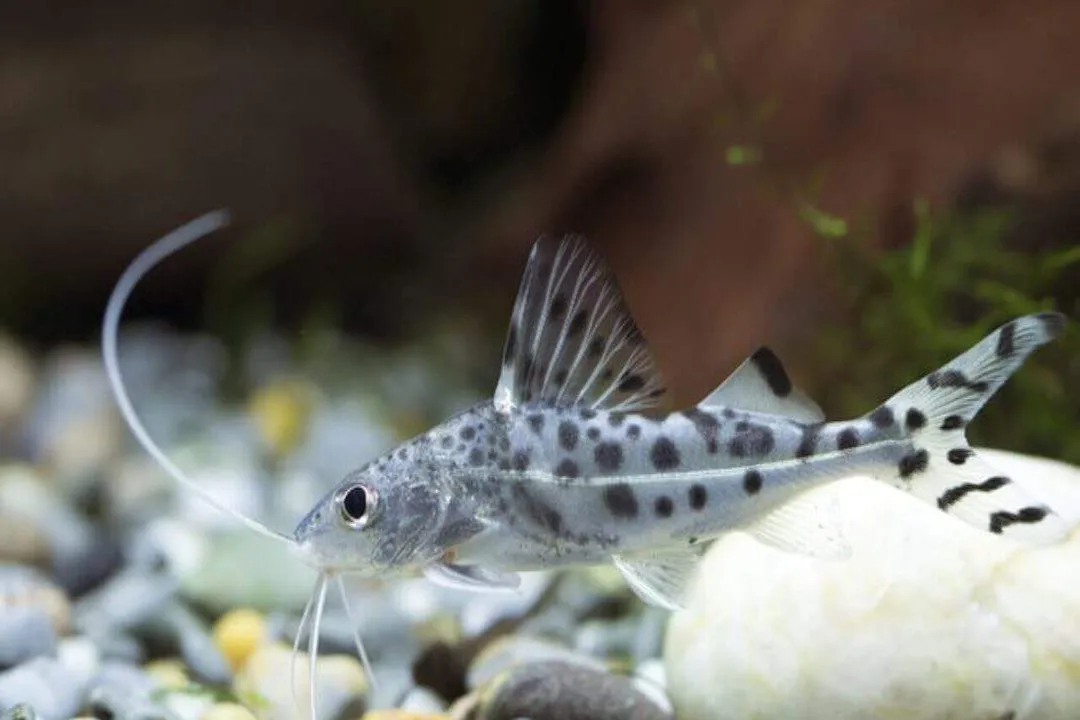
In their native South American river environments, Pictus Catfish are opportunistic feeders that hunt actively, particularly when light levels drop. [3] Their diet in the wild consists mainly of small fish, crustaceans, aquatic insects, and various larvae. [2][5] They use their barbels extensively to locate food in the darker, murkier waters they inhabit, meaning they are adept at finding food that rests on or near the substrate. [3] They are not strict carnivores but will readily consume plant matter if available, though protein remains the dominant component of their intake. [5]
# Aquarium Staples
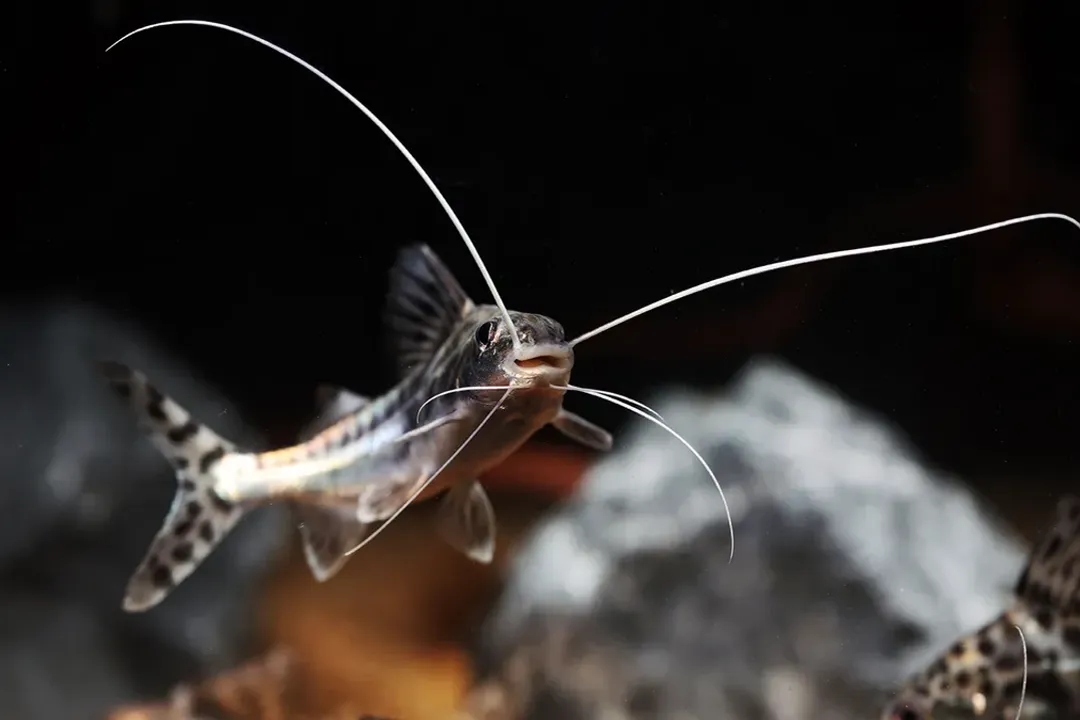
When housing Pictus Catfish in an aquarium, replicating that high-protein requirement is crucial. While they are excellent scavengers, relying only on leftover food from mid-water fish is insufficient for proper growth and health. [7] The foundation of their aquarium diet should consist of high-quality, sinking pellets or wafers. [4][7] Because they naturally forage near the bottom, offering food that descends quickly prevents them from having to compete heavily with surface or mid-water feeders before the food even reaches their level. [4]
It is important to note that while sinking foods are excellent, some keepers find that standard flake foods, if allowed to moisten and sink, are also accepted, though sinking options are generally preferred for consistency. [4] Look for commercial foods specifically formulated for carnivorous or omnivorous bottom-dwellers, ensuring the protein content is significant. [10]
# Live Protein
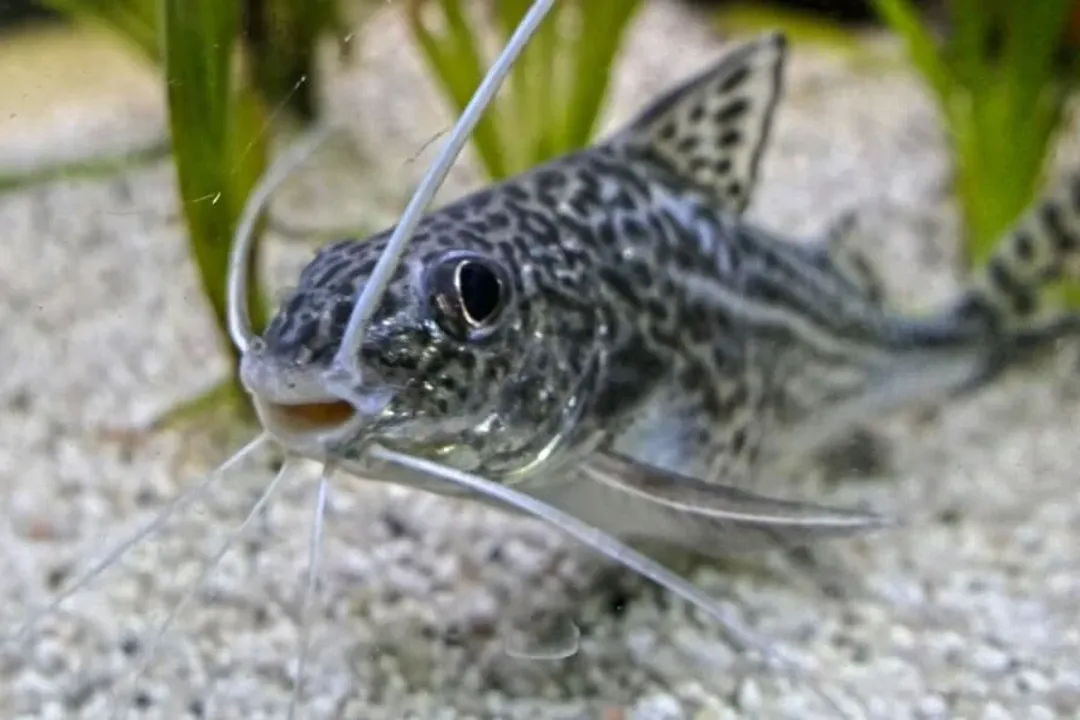
To truly satisfy the hunting instincts of the Pictus Catfish and ensure complete dietary needs are met, incorporating live or frozen supplemental foods is highly recommended. [4][9] This variety provides essential nutrients often better utilized when offered in their natural, whole-food state. [4]
Commonly accepted meaty additions include:
- Frozen Foods: Bloodworms, brine shrimp, and tubifex worms are usually immediate hits. [4][9] Thaw frozen foods completely before feeding to prevent tank temperature fluctuations and to ensure they don't carry unwanted pathogens into the system. [3]
- Live Foods: Small crickets, feeder fish (if appropriate for tank mates), and ghost shrimp are excellent for triggering a natural feeding response. [4][10] If using live feeder fish, ensure they are healthy and quarantine any new additions first, as disease transmission is a risk with wild-caught or mass-produced feeders. [6]
For optimal enrichment, cycling through these protein sources is better than relying on just one type of frozen food repeatedly. For instance, one could establish a weekly rotation where Tuesdays feature bloodworms and Fridays feature small crickets, keeping the fish stimulated by predictable yet varied offerings. [4]
# Night Feeding
Pictus Catfish are distinctly nocturnal or crepuscular, meaning they are most active and hungry around dusk and throughout the night. [3][4] This behavioral trait heavily influences when you should feed them to ensure they get their share. [3]
If you keep many active, fast-eating species, feeding once the main lights have been turned off, or just as they dim, gives the Pictus Catfish the best opportunity to hunt without intense daytime competition. [4] While some owners feed juveniles up to twice daily, mature adults can often be adequately nourished with one substantial feeding session per evening. [3]
# Eating Habits
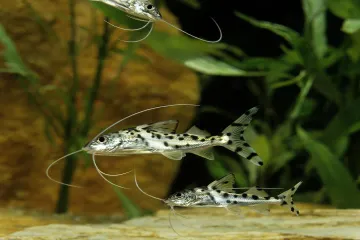
These catfish are notorious for their voracious appetites and rapid eating style. [1][9] When food hits the water, they often move with surprising speed to claim it, sometimes vacuuming up their portion in seconds. [1] This speed can sometimes lead to bloat or constipation if they gorge too much, too often, on dense pellets. [3]
A good rule of thumb across the hobby is to only feed what the fish can consume entirely within about five minutes. [3] If food is still scattered around the tank after this brief period, you are likely overfeeding. [3] Observing this feeding frenzy also helps gauge their appetite; a very reluctant Pictus might signal an underlying health issue or inadequate water parameters. [7]
It is vital to consider the size and temperament of tank mates when feeding. Because Pictus Catfish are very enthusiastic and can grow quite large, they can intimidate, harass, or even consume smaller, slower fish, especially at night when they are hunting. [5][6] If you have very small tetras or bottom-dwelling shrimp, you must ensure the sinking food is distributed across several spots in the tank so that the smaller inhabitants get access before the catfish monopolizes the supply, or feed the large catfish after turning the lights off to separate the feeding times slightly. [5]
# Dietary Balance
While the dietary preference trends heavily toward meat, true dietary balance requires more than just protein. [5] Although they are not obligate herbivores, an occasional offering of blanched vegetable matter can provide necessary roughage and micronutrients. [5]
For example, very small pieces of blanched zucchini or spinach can be lightly weighted down and offered once every week or two. While the Pictus might investigate it more than eat it, providing this option ensures they are receiving a broader spectrum of vitamins than protein alone offers. [5] If you observe your fish refusing all vegetable matter, it is a strong indicator that the protein sources you are already providing are varied and high-quality enough to sustain them, as they will prioritize what they need most. [10]
To minimize the risk of nutrient imbalance from a diet dominated by frozen invertebrates, especially for younger, growing specimens, structuring the feeding week can be helpful. A practical suggestion for an average adult might look something like this: four days of sinking commercial pellets, two days of mixed frozen food (like a brine shrimp/bloodworm combo), and one day dedicated to fasting or offering only a small piece of blanched vegetable matter. This rotation satisfies the predatory drive while ensuring they don't become dependent on excessively rich diets that could strain their digestive systems. [3]
Related Questions
#Citations
What do Pictus Catfish eat? : r/Aquariums - Reddit
What kind of food should I feed my pictus catfish? - Facebook
RSS Feed - Pictus Catfish (Pimelodus pictus) Care Sheet
Pictus Catfish 101: Care, Size, Tank Mates, Lifespan...
Pictus Catfish: Bottom-feeders That Pick on Smaller Fish
What to Know About Pictus Catfish - WebMD
Pictus Catfish Care - Pimelodus pictus - Fish Lore
What to feed a Pictus Cat? | MonsterFishKeepers.com
Pictus Catfish (Pimelodus pictus) - Aqua-Fish.Net