Which primary sensory organ guides the aardvark toward its subterranean insect prey in total darkness?
Answer
Acute sense of smell.
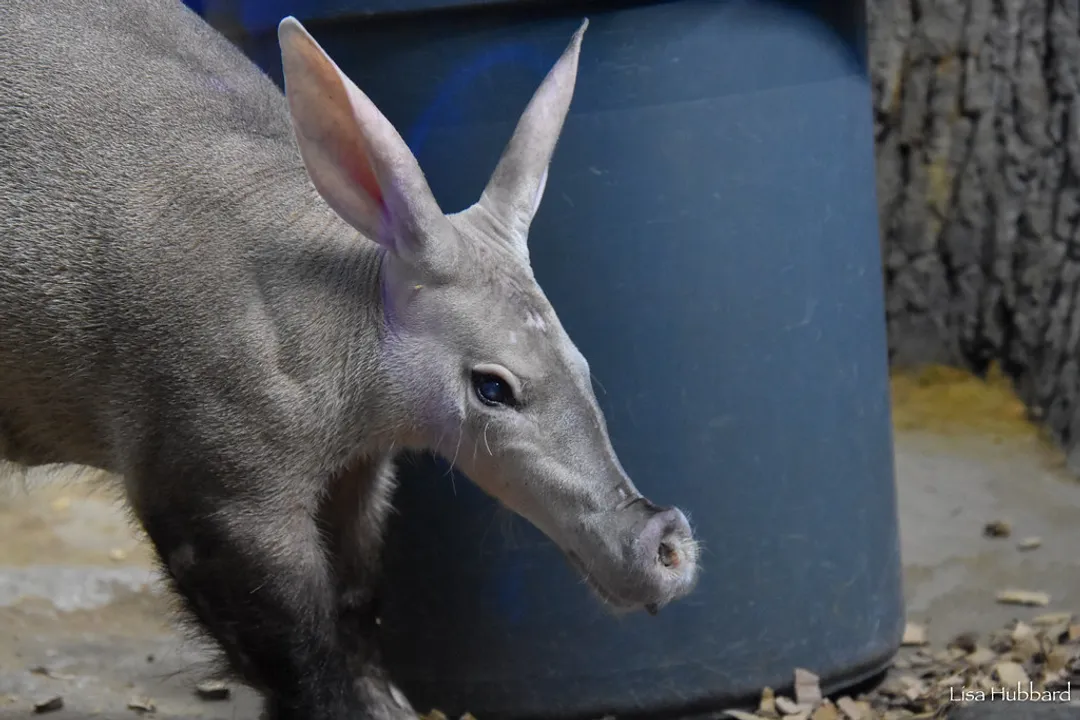
Due to its largely nocturnal lifestyle and the hidden nature of its prey, the aardvark compensates for its relatively poor eyesight with a highly developed and acute sense of smell. This powerful olfactory sense acts as the primary navigational tool, allowing the animal to accurately locate the scent trails or chemical signatures emanating from ant and termite colonies, even when operating in complete darkness underground or during its nighttime foraging excursions. This reliance on smell is fundamental to its survival strategy.
Related Questions
Why is Orycteropus afer classified as a carnivore despite consuming only insects?What astonishing number of insects might an aardvark consume in one dedicated night of foraging?What is the primary function of the aardvark's powerful, spade-like forelimb claws?What is the distinct evolutionary order classification assigned to the aardvark?What ecological consequence arises from the aardvark’s selective feeding strategy on insect colonies?How does the aardvark protect its sensitive nasal passages while actively digging or feeding underground?What does the Afrikaans translation of the aardvark's name, referencing its engineering skill, signify?Which primary sensory organ guides the aardvark toward its subterranean insect prey in total darkness?What characteristic of the aardvark's diet creates a unique challenge for captive management in zoos?Why are aardvarks generally absent from dense rainforests within their African range?