Is an aardwolf a carnivore, herbivore, or omnivore?
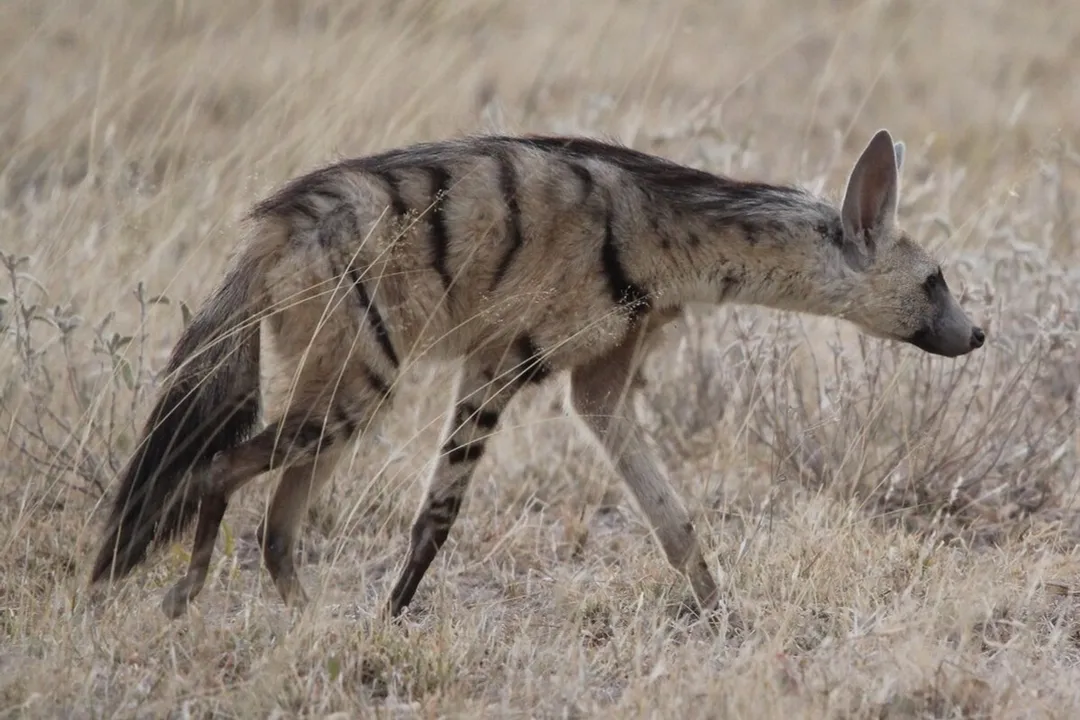
The classification of the aardwolf (Proteles cristata) often sparks confusion when placed alongside its more famous relatives, the spotted hyenas. To categorize it simply as a carnivore, herbivore, or omnivore misses the intricate reality of its existence. While technically, since it consumes animals (insects), the aardwolf falls under the broader umbrella of carnivore, this label obscures its almost exclusive specialization: it is, first and foremost, an insectivore. Its diet is so singularly focused that it occupies a unique ecological niche, setting it worlds apart from the scavenging and hunting habits of other members of the Hyaenidae family.
# Kinship and Contrast
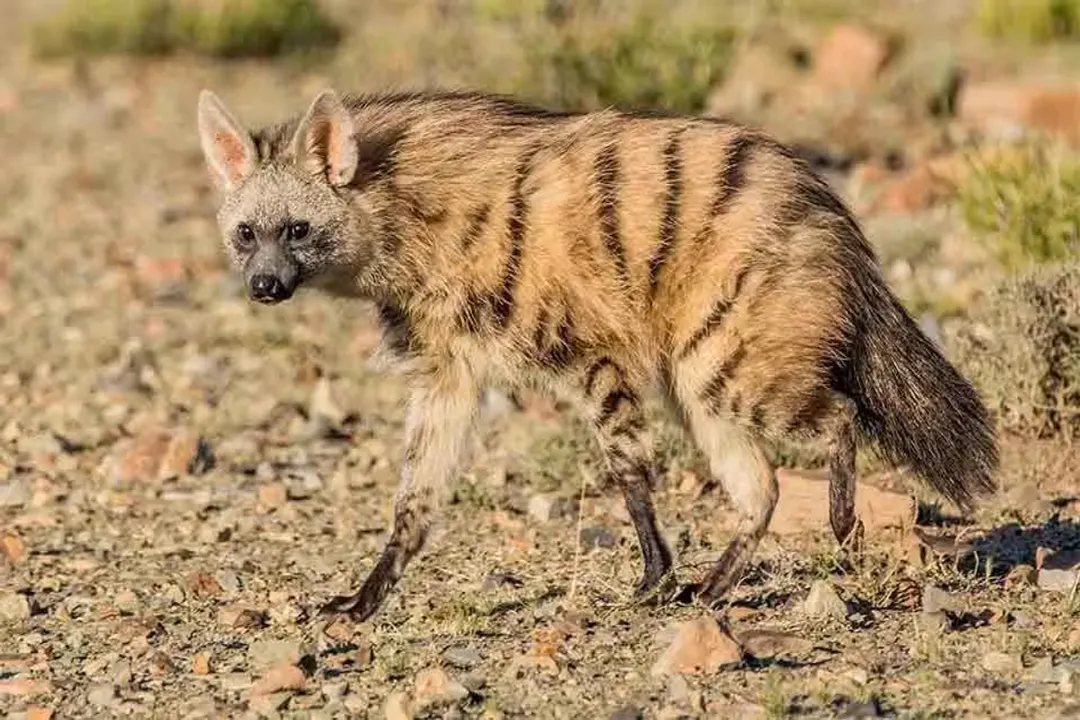
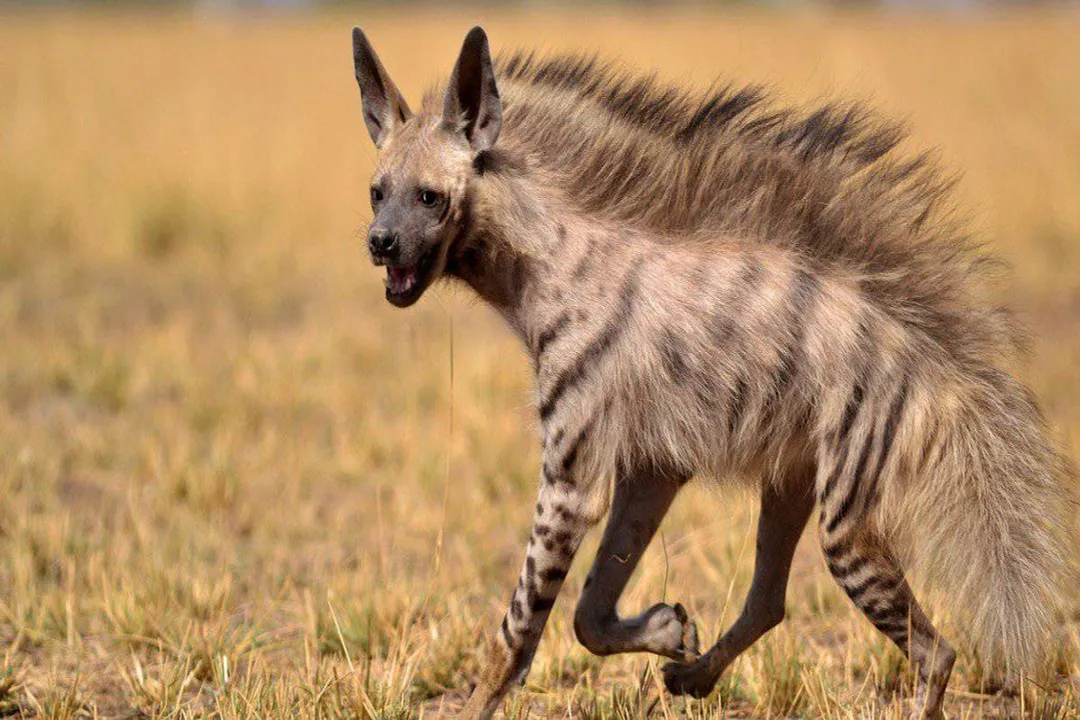
The aardwolf belongs to the family Hyaenidae, meaning it is closely related to striped, brown, and spotted hyenas. Despite this close familial tie, the aardwolf diverged significantly in its feeding strategy. While the spotted hyena is renowned for its powerful jaws capable of crushing bone and its habit of scavenging or actively hunting large prey, the aardwolf has evolved a delicate muzzle and weak jaws, entirely unsuited for taking down large animals or breaking bones.
This evolutionary divergence resulted in a creature that shares the distinctive dark stripes and upright mane seen in other hyenas but employs a drastically different lifestyle. It is a nocturnal mammal found across eastern and southern Africa. Its physical characteristics, such as its small size—weighing between 7 and 14 kilograms—reflect a life centered on small, plentiful prey rather than large kills. The very structure of its tongue, long and sticky, points directly toward an insect-based diet, a feature not shared by its larger, flesh-eating cousins.
# The Termite Focus
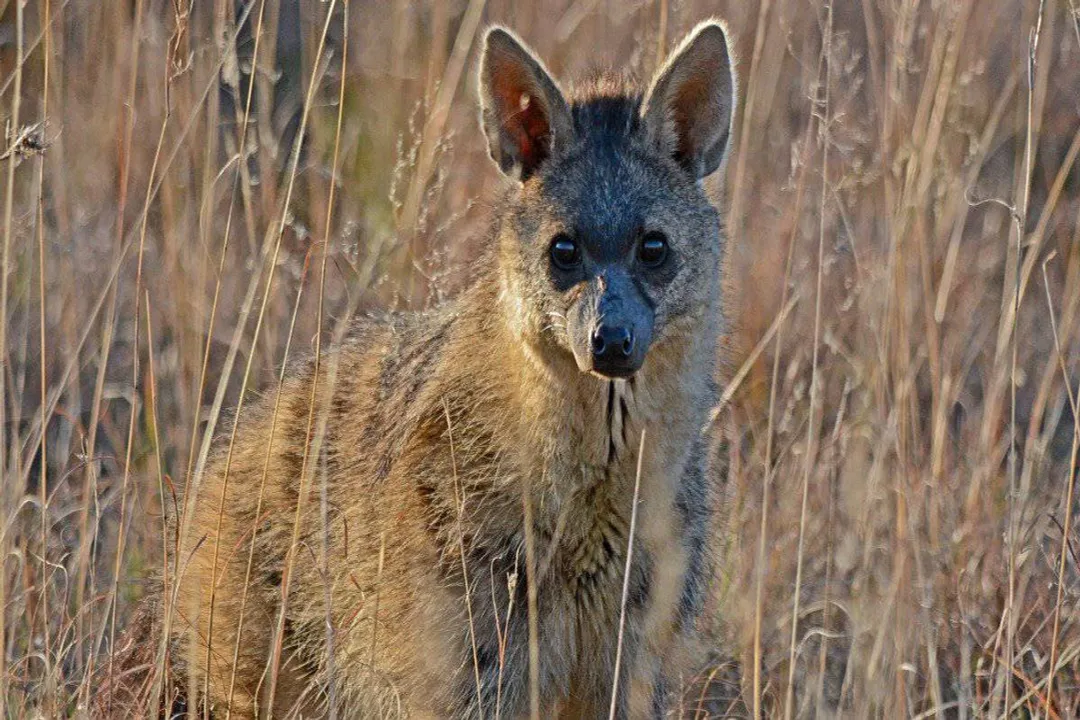
The cornerstone of the aardwolf’s sustenance is the termite. While the general term "insectivore" applies, the reality is far more specific. Termites form the overwhelming majority of its intake, accounting for anywhere between 80% and 95% of its entire diet. Even more precisely, aardwolves show a marked preference for a single genus: Trinervitermes.
This preference is critical to understanding the animal. It means that the health and availability of Trinervitermes termite mounds directly dictate where aardwolves can successfully live. They do not simply eat any available insect; they are specialists targeting specific subterranean structures built by these particular social insects. A hungry aardwolf may visit a termite mound once every minute or two throughout the night, systematically licking up the insects disturbed by its foraging.
The sheer volume of insects consumed highlights the efficiency of this specialized foraging. An aardwolf can consume tens of thousands of termites in a single night. For instance, if one were to calculate the approximate biomass, an individual consuming around 50,000 termites a night, with each termite weighing perhaps 5 milligrams, is effectively consuming about 250 grams of food. While this might sound small compared to a lion's meal, it represents a substantial portion of the aardwolf's own body weight when gathered over a night's work.

# Foraging Mechanics
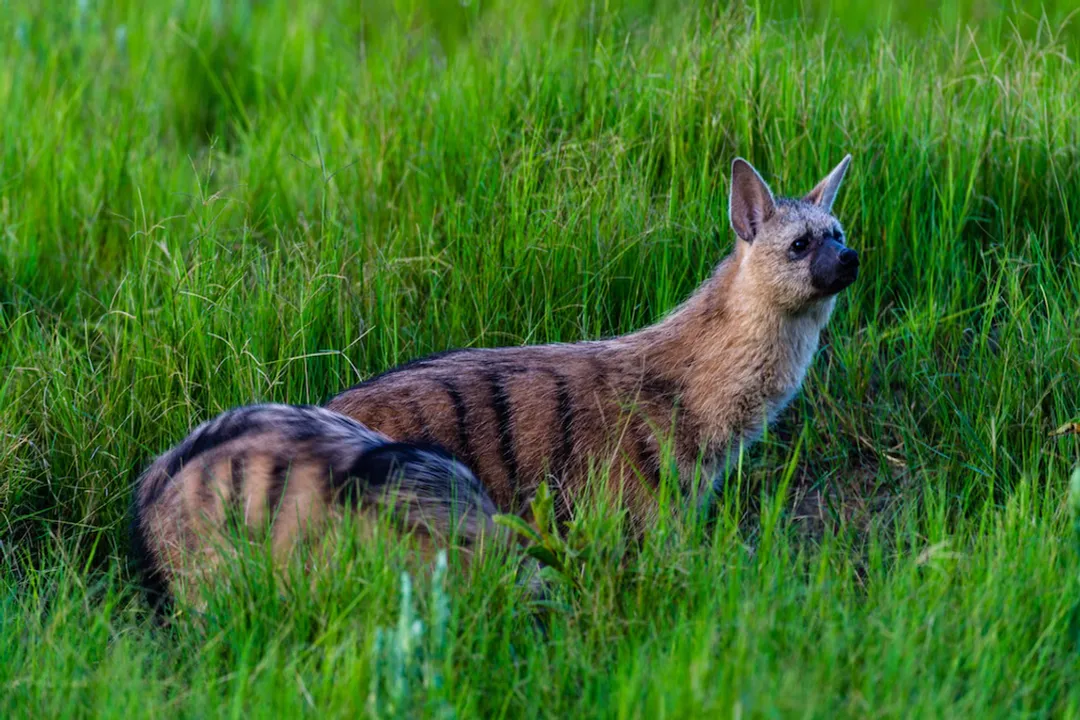
The aardwolf’s nightly routine is dictated by its food source. These animals emerge shortly after sunset, moving cautiously across the savanna in search of active termite foraging trails. Unlike animals that dig deeply to access roots or bulk prey, the aardwolf is a relatively gentle forager. It does not typically excavate the entire mound. Instead, it uses its keen sense of hearing to locate the tunnels and its specialized tongue to extract the insects rapidly.
When an aardwolf locates a suitable, active termite foraging column, it listens intently. Once it detects the insects, it uses its snout to tear open a small hole in the earthen defense structure, perhaps only an inch or two wide. Then, the specialized, sticky tongue, which can extend quite far, is rapidly flicked in and out to gather the prey. This process is repeated over and over again throughout the hours of darkness until the foraging trails dry up or the animal is satiated.
Their eyesight is not the primary sense used for hunting; it is their hearing and perhaps smell that guide them to the subterranean insect activity. This reliance on sound and proximity to the ground explains why they are often seen patrolling relatively open areas where the low-growing grasses allow the termites to forage above ground safely.
# Expanding the Menu Slightly
If the aardwolf were an herbivore, its diet would consist mainly of plants, grasses, or fruits, which it clearly does not consume in any meaningful quantity. If it were a classic omnivore, it would regularly consume both plant matter and a wide variety of animal matter, including vertebrates, eggs, or larger invertebrates. However, the data shows that while termites are the staple, the diet is not entirely restricted to them.
Small quantities of other insects, such as beetles, are occasionally eaten. More significantly, some sources note that they may occasionally consume small carrion. Yet, even when these other items are included, the non-termite portion of the diet remains exceptionally small, often comprising less than 5% of the total intake. This infrequent consumption of occasional carrion or other insects is generally not enough to shift its classification from the highly specific term "insectivore" to the broader, more generalized "omnivore" in ecological terms. The animal is fundamentally structured and behaviorally programmed to consume arthropods, particularly termites.
This dietary specificity contrasts sharply with its close relatives. Consider the spotted hyena, which frequently consumes large mammals like zebra or wildebeest, or even scavenges kills made by lions. The aardwolf, meanwhile, consumes prey that rarely weighs more than a few milligrams each, operating on an entirely different scale of biomass acquisition.
# Ecological Specialization Insights
The aardwolf’s hyper-specialization offers a fascinating look into ecological niche partitioning. Because it targets specific termites that primarily feed on dead grass and plant debris, the aardwolf essentially functions as a highly efficient, localized regulator of the detritivore population. It is taking pressure off the larger ecosystem by managing insect populations that are already recycling organic matter rather than competing with large mammalian grazers or browsers. This means that in areas where aardwolves are present, they are not directly competing for food resources—such as antelope carcasses or live vegetation—with lions, leopards, or even the larger hyenas.
This highly specialized role also carries an inherent fragility. If we were to map out the health of an African grassland environment, tracking the success of the aardwolf population could serve as an excellent, if indirect, bio-indicator for the health of certain soil microbiomes that support Trinervitermes colonies. A sudden crash in aardwolf numbers in a region might not indicate a failure in the larger ungulate populations but rather a subtle, perhaps climate-driven, disruption to the specific underground fungal or bacterial communities that their preferred termites rely upon. This level of dependency on a single food type makes conservation efforts require a granular focus on habitat quality rather than just predator control.
# A Different Kind of Predator
When comparing the aardwolf's ecological impact to that of the spotted hyena, the difference in predatory philosophy becomes clear. The spotted hyena often hunts in coordinated groups to take down animals much larger than themselves, expending significant energy for a large caloric return. In contrast, the aardwolf is generally solitary in its nocturnal foraging, relying on the sheer abundance and availability of its small prey, expending comparatively little energy per insect captured but working consistently all night long.
To illustrate the divergence in feeding style, imagine two different collection methods for a similar total weight of food:
| Method | Prey Size | Foraging Style | Energy Output | Ecological Niche |
|---|---|---|---|---|
| Spotted Hyena | Large (e.g., 100 kg) | Intense Hunt/Scavenge | High burst/intermittent | Apex Predator/Scavenger |
| Aardwolf | Tiny (e.g., 5 mg) | Continuous, Quiet Licking | Low and sustained | Specialized Insectivore |
The aardwolf’s approach minimizes conflict with other large carnivores and scavengers, allowing it to occupy a quiet, nighttime niche that would be energetically unviable for a spotted hyena seeking a comparable caloric intake. This ecological separation is what has allowed two such closely related species to thrive in similar territories without constant conflict over resources. The aardwolf does not need to fight a jackal over a carcass; its food source is safe beneath the soil until it chooses to emerge and investigate. Its entire existence is a testament to how specialization can allow a species to flourish in the overlooked corners of the food web.
Related Questions
#Citations
Aardwolf - Wikipedia
Aardwolf - Proteles cristata - A-Z Animals
Unlike other hyenas, the aardwolf is an insectivore; the majority of its ...
a small, insectivorous mammal, native to East and Southern Africa ...
Aardwolf facts, distribution & population - BioDB
What's an aardwolf (Proteles cristata)? It's an insectivorous mammal ...
Aardwolf - Proteles Cristata - African Mammals - Kruger National Park
Aardwolf - The Animal Kingdom Wiki - Fandom
Aardwolf | National Geographic