Do aardvarks eat anything other than ants?
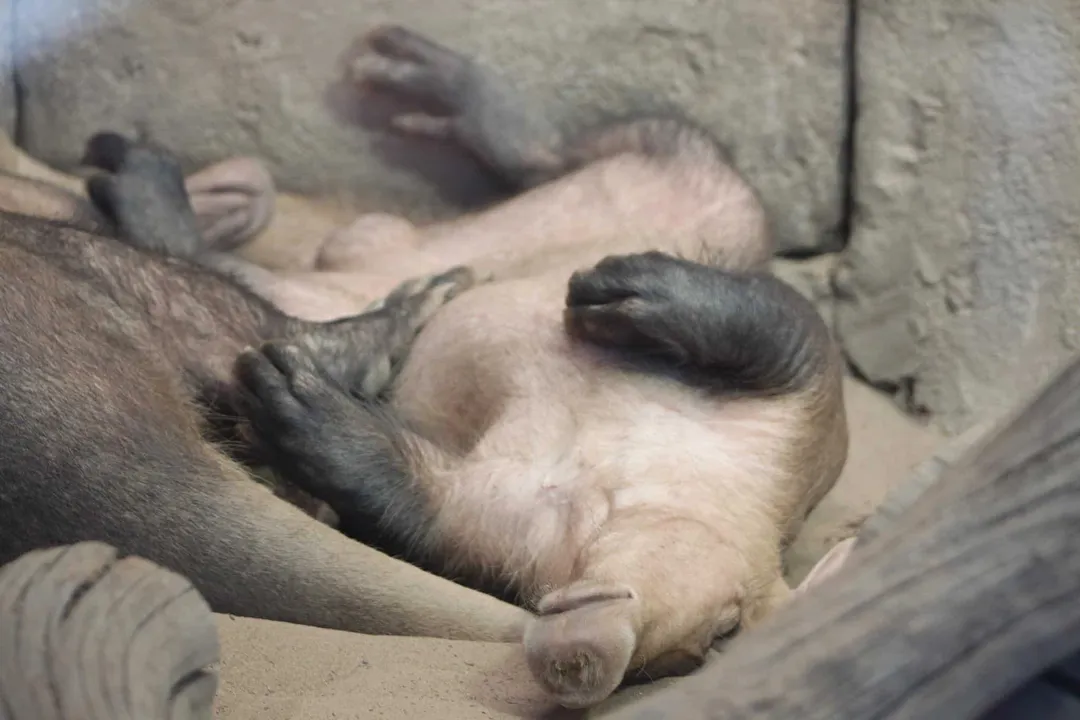
The aardvark, that unique, pig-nosed creature of the African night, carries a reputation so specific it borders on caricature: it is the ultimate ant-eater. While this label is largely accurate, it often overshadows the subtle complexities of its diet. To ask if aardvarks eat anything beyond ants is to probe the limits of one of nature’s most specialized insectivores. The answer isn't a simple yes or no; rather, it reveals a dedication to arthropods so profound that other food sources are, at best, rare supplements. [1][2]
The foundation of the aardvark’s sustenance rests almost entirely on social insects found underground or within mounds. They are true myrmecophages, meaning their diet is dominated by ants and termites. [1][7] This reliance dictates their entire existence, from the structure of their powerful claws to their strictly nocturnal habits, designed to avoid predators while seeking out these protein-rich, plentiful sources of food. [6]
# Primary Prey
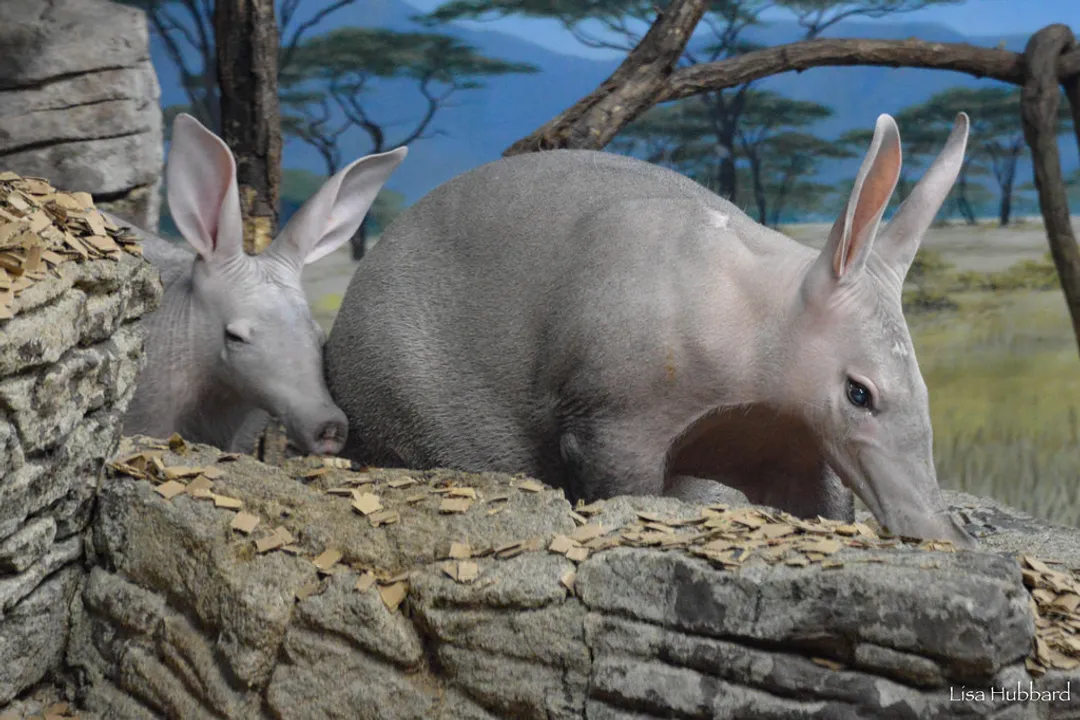
The sheer quantity of ants and termites consumed by a single aardvark in one night is staggering. They are not casual grazers; they are efficient processors of invertebrate biomass. An adult aardvark can consume tens of thousands of insects during a single foraging session. [7] While ants are a staple, termites frequently form the bulk of their intake, especially in areas where they are readily available. [1]
The distinction between the two groups is crucial for understanding their foraging strategy. Termites often live in large, complex, and relatively stationary mounds, which represent a significant, localized energy reward once breached. Ants, conversely, can be more dispersed or build nests that are less robust, requiring the aardvark to move more frequently between smaller targets. [2] A good night's hunting involves locating active foraging trails or structurally weak points in a termite fortress. [8]
The process is driven by an acute sense of smell, allowing the aardvark to detect the subtle chemical signatures of insect colonies deep beneath the soil surface. [1] Once a target is located, the powerful, shovel-like claws, which are designed for digging through hard earth, quickly excavate the nest. [6]
# Dietary Exceptions
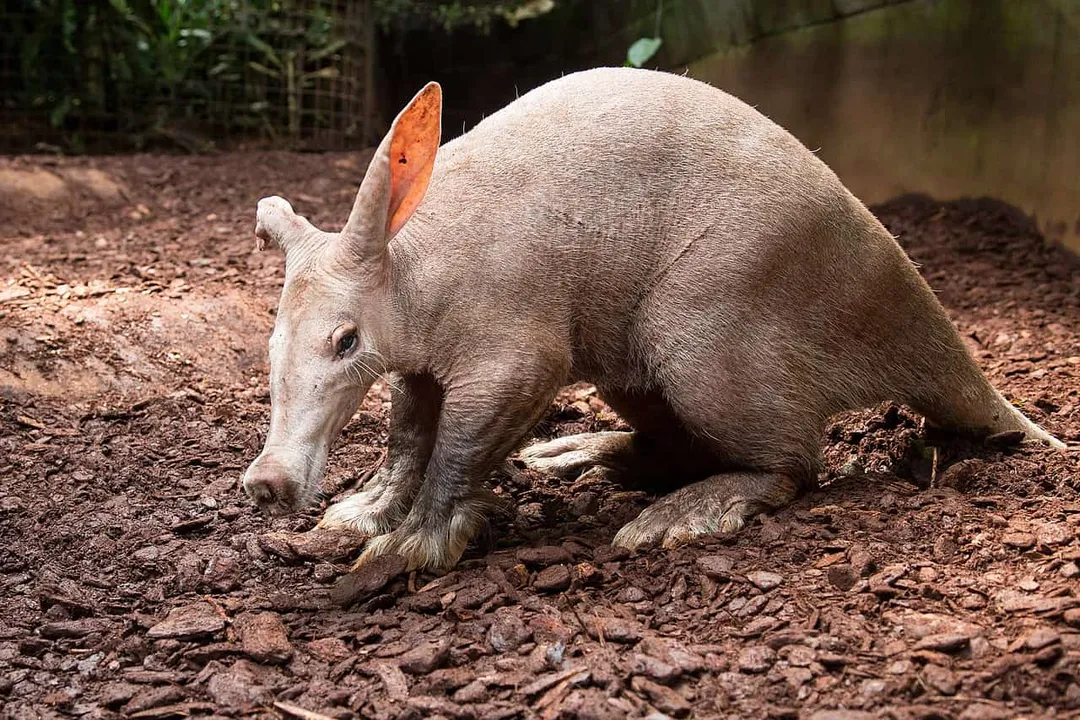
When the focus shifts away from the primary targets, the aardvark’s dietary flexibility becomes much narrower. The primary alternative food source, when available, consists of other insects. [2] This generally implies soft-bodied invertebrates that do not possess hard exoskeletons that would challenge their specialized digestive tract or overly strong stingers that their thick skin cannot easily ward off.
However, true exceptions to the ant and termite rule, particularly in the wild, are exceptionally rare and often circumstantial. Some sources suggest that aardvarks might occasionally consume the larvae or eggs of other insects they unearth during their tireless digging. [2] It is important to note that while they are eating insects, they are not diversifying into entirely different food categories like fruit or vegetation in the same way a more generalized omnivore might. Their entire anatomy—from the long, sticky tongue measuring up to 30 centimeters that laps up insects at a high rate, to the powerful muscles protecting the nose and ears when digging—is tuned specifically for accessing subterranean insect colonies. [8]
Considering the sheer volume of biomass an aardvark must ingest nightly to meet its energy demands, the ratio of termite mounds raided versus ant nests visited likely reflects local resource density rather than preference. If a termite-rich area is available, the efficiency of breaking into a large, centralized colony offers a far better caloric return per digging effort than tracking scattered ant lines, making termites often the preferred target when conditions allow. [1]
# Feeding Mechanics
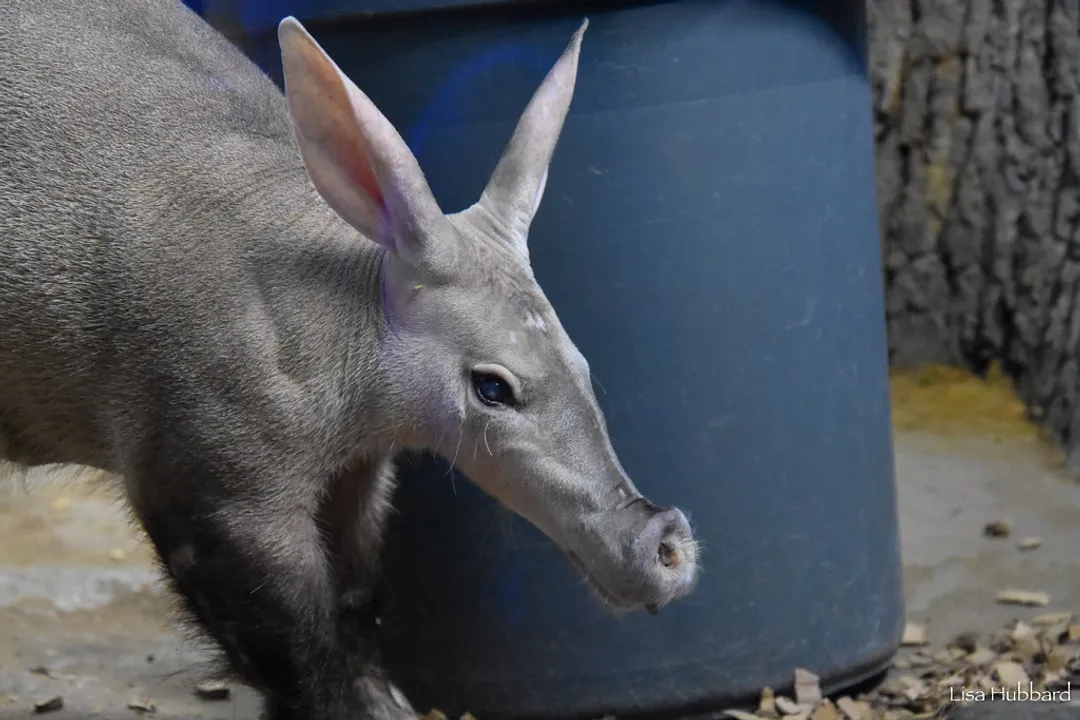
The specialized nature of their diet is inseparable from their feeding apparatus. A key feature is the extremely long, sticky tongue, which can be projected rapidly into the narrow tunnels and chambers of insect nests. [8] This tongue acts like a biological fly-paper, adhering to hundreds of small insects quickly before being retracted. [8]
Their hearing is also vital. Aardvarks can hear the subterranean movement of termites or ants, giving them an advantage over the insects themselves. [1] This auditory map allows them to refine their digging, concentrating their effort where the return will be highest. Once they breach a nest, the powerful jaws and thick skin offer protection against defensive bites or stings. [1]
This extreme specialization presents an interesting ecological trade-off. The aardvark is unparalleled at exploiting this specific niche, meaning it faces little direct competition for its main food source. However, this specialization makes it inherently vulnerable to disruptions in local insect populations, whether due to climate change affecting termite mound integrity or habitat degradation that removes their prey base. [7]
# Zoo Provisions
In managed care environments, like those found in accredited zoos, the specialized nature of the aardvark's wild diet necessitates careful replication. [4][5] Since maintaining a constant supply of tens of thousands of wild ants and termites is impractical, captive aardvarks receive a carefully formulated diet that mimics the nutritional profile of their natural food. [4]
This captive diet often involves a mash or slurry designed to be high in protein and easily consumed via their specialized tongues. [4] Common components might include high-quality commercial insectivore diets, supplemented with ingredients like ground meat, eggs, or specific vegetables, ensuring they meet the caloric and vitamin requirements needed for good health. [4] While this allows the animals to thrive, it highlights the gap between their natural feeding behavior—which involves complex searching, digging, and tactile interaction—and a stationary food bowl. [5]
This practice in zoological settings provides a valuable opportunity for observation. When keepers need to administer medication or monitor intake precisely, they can carefully control the nutritional components of the mash. This controlled environment confirms that the aardvark's system is primarily geared toward processing high volumes of small, proteinaceous material, even if the specific type of material is adjusted for management convenience. [4]
The simple truth remains that the aardvark’s survival hinges on insects. They are not opportunistic omnivores waiting for fallen fruit or scavenging carrion. They are digging, licking machines built for one primary purpose: consuming ants and termites with unmatched efficiency. [6] Any other food item encountered is likely incidental, an accidental inclusion scooped up while pursuing their core, high-energy targets. An aardvark’s nightly routine of excavation essentially acts as a natural, localized soil aeration service for its ecosystem, a byproduct of seeking high-protein snacks that few other mammals can access. [6][7]
Related Questions
#Citations
Aardvark - Wikipedia
You may know that Aardvark are specialised to eat termites/ants, but ...
What Do Aardvarks Eat? Their 4 Favorite Foods - A-Z Animals
Aardvark - Cincinnati Zoo & Botanical Garden
Aardvark's favorite nighttime snack is ants or termites - Facebook
Life in the Dirt: Aardvarks - NWF | Ranger Rick
Aardvark | National Geographic
How do aardvarks eat termites? - Quora