Are aardvarks carnivores or omnivores?
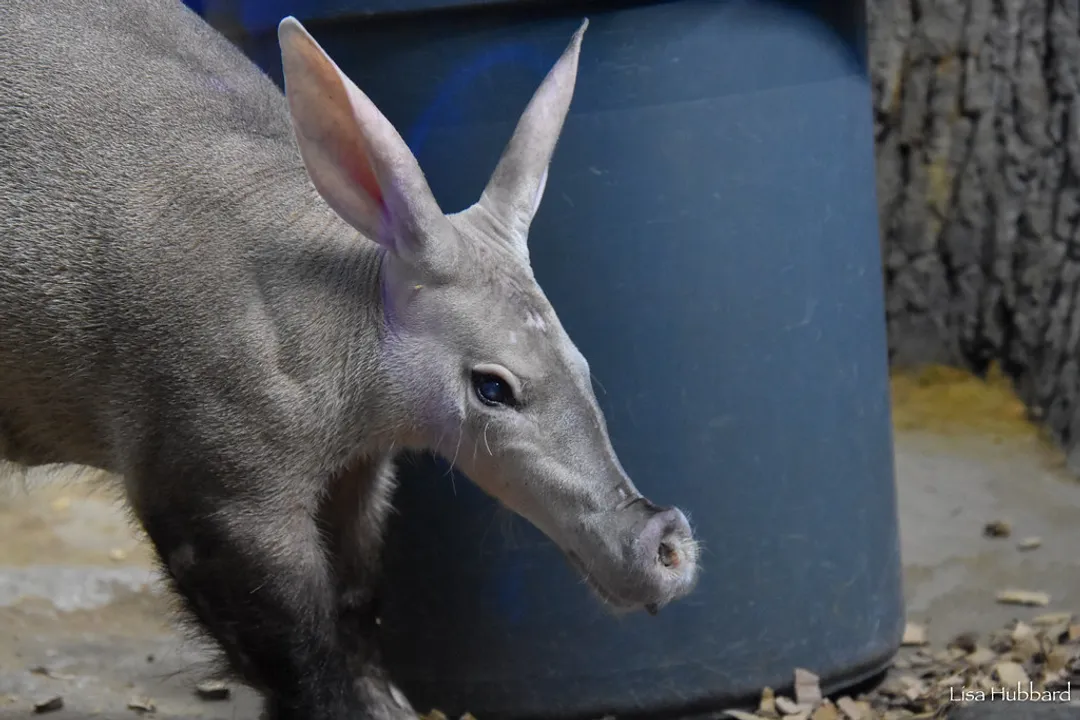
The classification of the aardvark (Orycteropus afer) immediately resolves around its menu: this unique African mammal is definitively classified as a carnivore, specifically an insectivore. [1][7] Despite the common perception that "carnivore" strictly implies meat-eating mammals hunting vertebrates, in biological terms, an animal whose diet consists solely of insects falls under this umbrella, as insects are animal matter. [7] They are decisively not omnivores, meaning they do not consume plant matter as part of their regular diet. [7] Their entire existence revolves around locating, excavating, and consuming vast quantities of social insects, making them highly specialized feeders. [1]
# Dietary Specifics
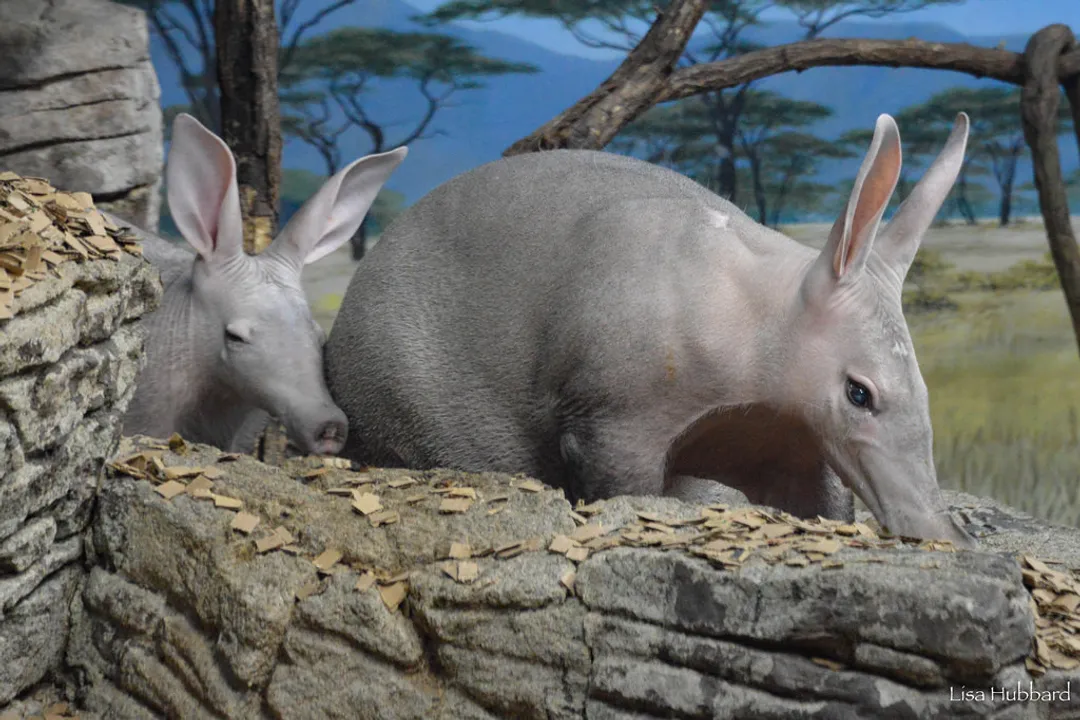
The aardvark’s feeding habits are characterized by an extreme focus on two primary food sources: ants and termites. [1][6][7] This specialization is rare among mammals, placing the aardvark in a highly niche feeding guild. [7] While their diet is overwhelmingly composed of these myrmecophagous staples—meaning they eat ants and termites—the specific species consumed will vary depending on local abundance and availability across their extensive range. [2]
When an aardvark locates a promising mound or nest, its feeding efficiency is astonishing. It can consume an enormous number of insects in a single foraging session. [1] One remarkable figure cited is the potential for an aardvark to consume up to 50,000 insects in a single night of dedicated feeding. [1] This massive intake is necessary to sustain its energy needs, given the relatively low nutritional density of termites and ants compared to larger prey animals. [2] A significant portion of their sustenance comes from termites, which are favored due to their high biomass availability, but the preference shifts based on what is easiest to access. [7]
Considering the sheer volume of food required, an interesting ecological note arises when comparing their intake to that of a solitary predator. If an aardvark consumes 50,000 ants and termites, that represents tens of thousands of individual organisms. Translating that volume across an entire population in Africa paints a picture of these animals as substantial, though hidden, regulators of invertebrate populations. Few other mammals exhibit such high prey count dependence for survival. [1]
# Specialized Anatomy
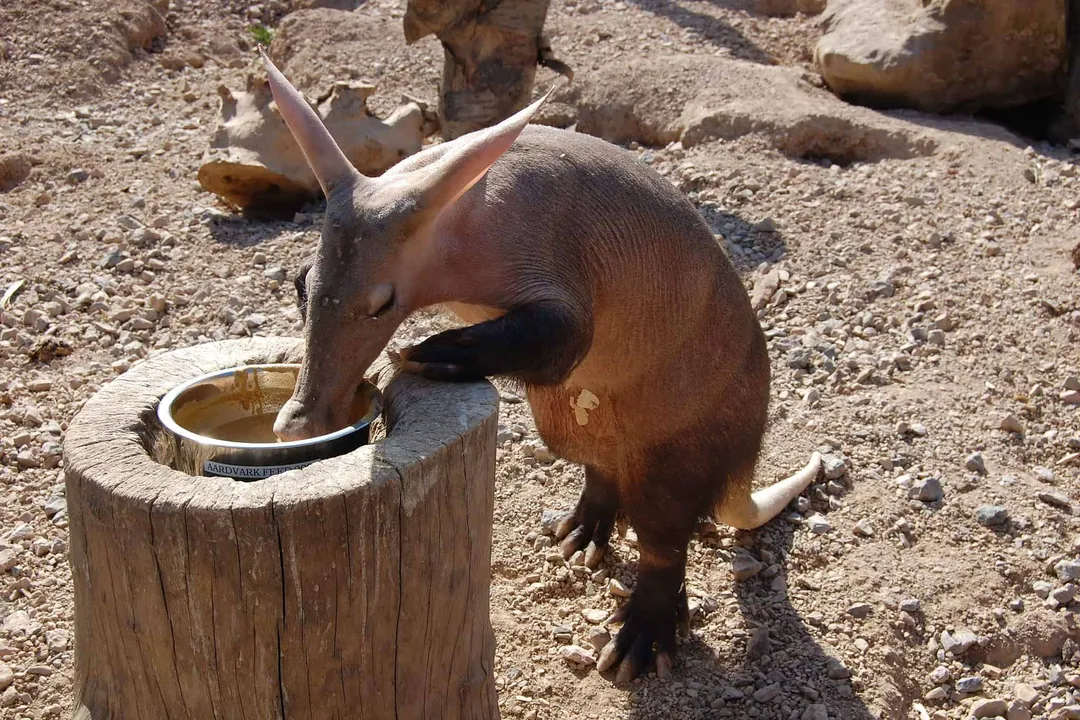
To successfully harvest such specialized prey, the aardvark has evolved an extraordinary set of anatomical tools, all perfectly tuned for digging and suction-feeding. [2] Their name, which translates from Afrikaans as "earth pig," hints at their primary engineering skill: burrowing. [7]
# Claws and Digging
Perhaps the most recognizable feature related to their foraging is their powerful forelimbs, equipped with strong, spade-like claws. [2][5] These claws are not merely for defense; they are the primary instruments for breaching the hardened, often concrete-like exterior of termite mounds. [7] The digging ability is so pronounced that an aardvark can excavate a tunnel through hard soil at an impressive rate, estimated to be up to 30 cm (about 12 inches) in just five minutes when necessary. [2] This rapid excavation capability is crucial for escaping predators or accessing buried nests quickly. [2][5]
# Sensory Organs
Once a subterranean nest is breached, the aardvark relies heavily on its sense of smell and specialized mouth structure to feed. [5] They possess a long, sticky tongue, which can extend significantly to lap up insects trapped inside the tunnels and chambers of the nest. [1][2][7] The exact length of the tongue varies, but its adhesive quality allows it to adhere to numerous small insects simultaneously. [1]
Furthermore, the aardvark has evolved mechanisms to protect its sensitive equipment during feeding. They can close their nostrils tightly to prevent dust and insects from entering the nasal passages while digging or eating. [2][5] This physical adaptation underscores the absolute reliance of the species on subterranean insects. [5] Their relatively poor eyesight is compensated for by this acute sense of smell, which guides them toward their prey sources even in total darkness. [7]

# Lifestyle and Behavior
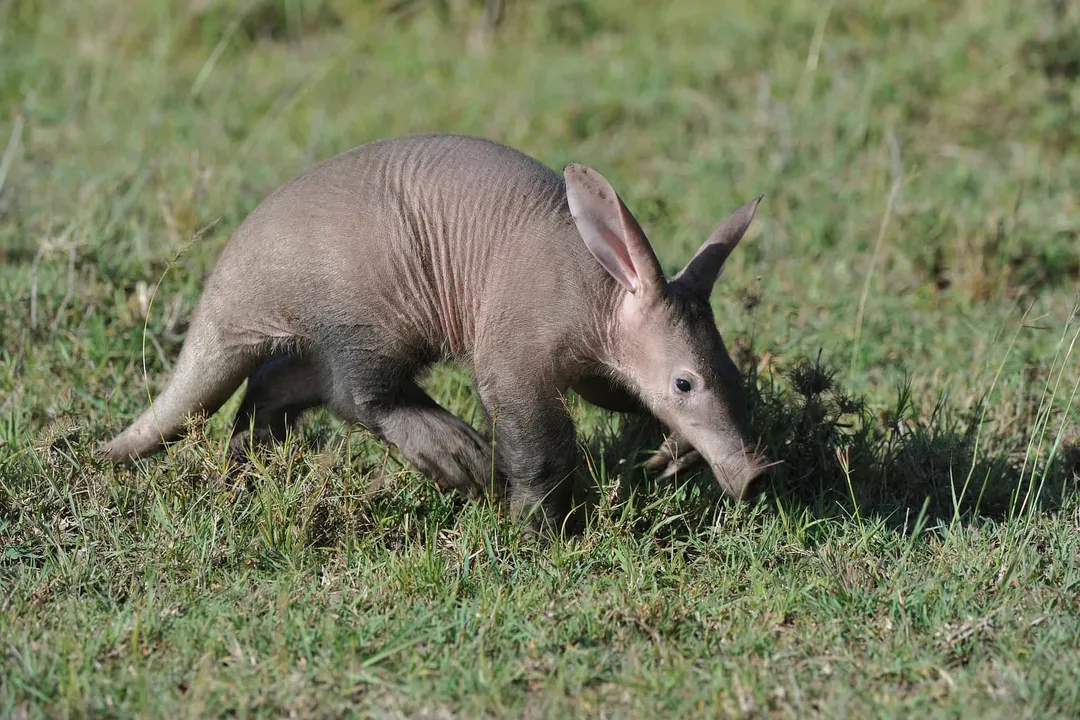
The aardvark's dietary restrictions profoundly shape its behavior, leading to a largely solitary and nocturnal existence. [2][7] Since their main food sources—termites and ants—are often most accessible after dark, or their activity is best exploited when predators are less active, the aardvark emerges from its burrow after sunset to forage. [2][5]
They are not sedentary eaters; foraging involves considerable movement across the landscape as they search for new colonies. [7] A typical night may see an aardvark travel several kilometers in search of suitable feeding grounds. [2] They do not typically destroy entire colonies; instead, they feed selectively, breaking open just enough of the mound or nest to access the insects, which allows the colony to repair and continue functioning. [1] This feeding strategy suggests a degree of ecological sustainability, ensuring a recurring food source, rather than resource depletion. [1]
Their burrows are complex structures, often used for sleeping during the day and sometimes for temporary shelter while foraging. [7] A single aardvark may maintain multiple dens throughout its territory, moving between them. [7] These extensive tunnel systems, while initially dug for shelter, are also essential tools in their food acquisition process, as they often dig exploratory tunnels near termite activity. [5]
# Global Presence
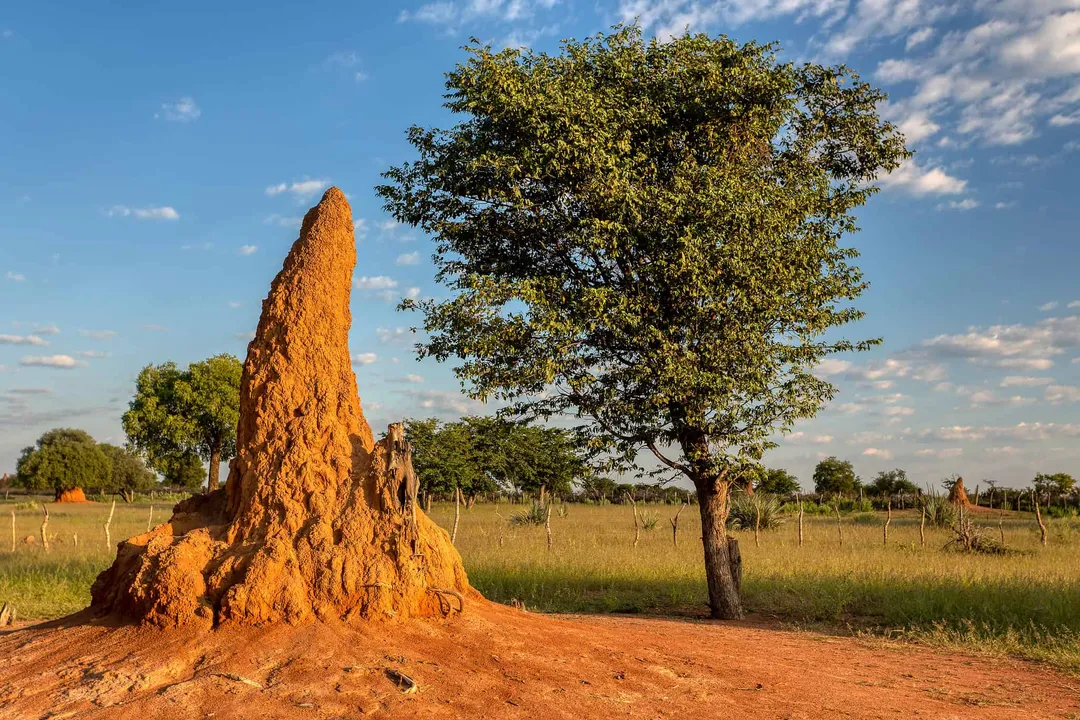
The aardvark is endemic to Africa, meaning it is naturally found only on that continent. [2] Its distribution is quite broad, covering large areas of sub-Saharan Africa. [7] They inhabit a diverse array of environments, from savannas and grasslands to woodlands. [2][5] The key requirement for their survival is the presence of suitable soil for digging and, crucially, a consistent supply of their insect prey. [7]
The species is classified within its own unique order, Tubulidentata, highlighting its distinct evolutionary path. [7] While it shares superficial similarities with pigs due to its snout shape and nocturnal habits, it is not closely related to pigs; it is taxonomically unique. [7] This uniqueness in classification further solidifies its specialized feeding niche that has persisted across millennia. [2]
To put their geographical range into perspective, consider that the species spans from the southern tip of Africa up through the East African region and into certain parts of West Africa. [2] However, their distribution is patchy; they are absent from true deserts and dense rainforests where termite mound construction or ant availability might be inhibited. [7]
# Aardvark Diet Comparison
To better grasp why the aardvark is classified as a carnivore and not an omnivore, it is helpful to visualize what other groups eat. An omnivore, like a bear or a human, derives sustenance from both animal (meat/insects) and plant sources (fruits, roots, leaves). [7] The aardvark exhibits no such flexibility. [7]
Here is a comparison illustrating the dietary classification based on primary food source:
| Animal Group | Primary Food Source | Classification | Example Organisms |
|---|---|---|---|
| Aardvark | Insects (Ants, Termites) | Carnivore (Insectivore) | Orycteropus afer [1][7] |
| Grizzly Bear | Everything (Fish, Berries, Roots) | Omnivore | Ursus arctos horribilis |
| Cow | Grass, Forbs | Herbivore | Bos taurus |
| Lion | Meat (Zebra, Wildebeest) | Carnivore (Felistivore/Predator) | Panthera leo [2] |
The crucial differentiator is the exclusive nature of the aardvark's insect diet. Their entire digestive and metabolic system is geared toward processing chitin and insect protein, lacking the necessary enzymes or anatomical structures to efficiently break down cellulose found in plants. [2]
Thinking about the practicalities of an aardvark's existence, one can deduce an interesting consequence of their diet. Because they rely on localized, underground colonies, a critical skill for an aardvark, beyond digging, is memory and mapping. A successful forager doesn't just find one mound; it must remember the precise location of dozens of active feeding sites across its nightly path to ensure continuous energy input. This suggests a spatial memory capacity that is perhaps underestimated for a mammal primarily known for its shovel-like claws. [5]
Another point to consider for a reader interested in conservation or zookeeping: maintaining an aardvark in captivity requires replicating this hyper-specialized diet. [3][8] Zoos must provide formulated diets that mimic the nutritional profile of ants and termites, often involving specialized insectivore chow supplemented with live insects or nutrient-rich pastes. [3] This difficulty in dietary replication is a testament to how far removed their natural food source is from generalist animal feeds. [8] For instance, the Columbus Zoo notes that their aardvarks eat a mixture that includes commercial carnivore biscuits, fruits, and vegetables, illustrating that while wild aardvarks are insectivores, captive management sometimes requires carefully calibrated omnivorous supplements to meet all nutritional needs when natural food sources are unavailable or insufficient for captive life. [3] This captive adaptation highlights the potential for nutritional flexibility if absolutely necessary, though it remains strictly outside their wild classification as insectivorous carnivores. [3] The core identity remains tied to insects. [7]
In summary, the term that most accurately describes the aardvark is insectivore, which is a subcategory under the broader classification of carnivore because its food source is animal-based, excluding all forms of plant matter. [7] Their unique anatomy and nocturnal schedule are direct evolutionary responses to the challenge of exploiting the Earth's most populous creatures: ants and termites. [1][2]
Related Questions
#Citations
Aardvark Animal Facts - Orycteropus afer
Aardvark | Description, Diet, Habitat, & Facts
Aardvark
Interesting facts about aardvarks and their diet
Aardvark - Our Animals
Aardvarks eat almost only ants and termites, but the one fruit ...
Aardvark
Aardvark - Cincinnati Zoo & Botanical Garden