Is a walrus a carnivore or omnivore?
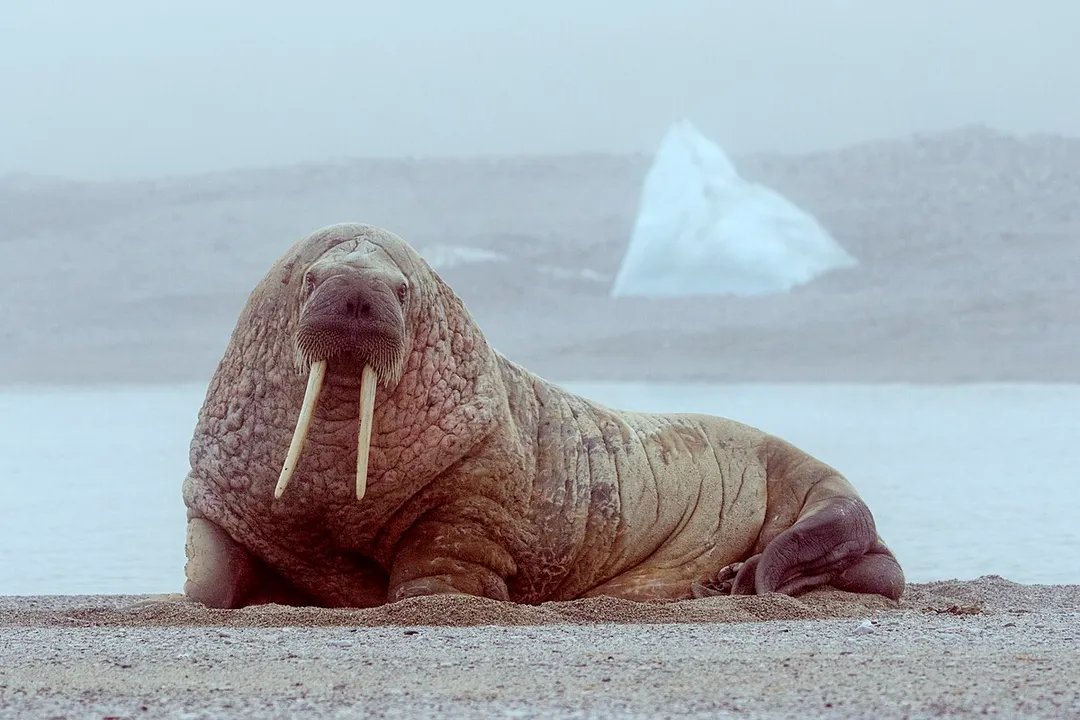
The massive, whiskered inhabitant of the Arctic seas presents a fascinating subject for biologists, not least because of what ends up on its menu. When classifying an animal by its primary food source—whether it relies strictly on meat, consumes both plants and meat, or subsists only on vegetation—the walrus often causes debate among casual observers. However, based on its anatomical specialization and observed feeding habits, the walrus firmly belongs to a specific dietary guild within the animal kingdom.
# Dietary Grouping
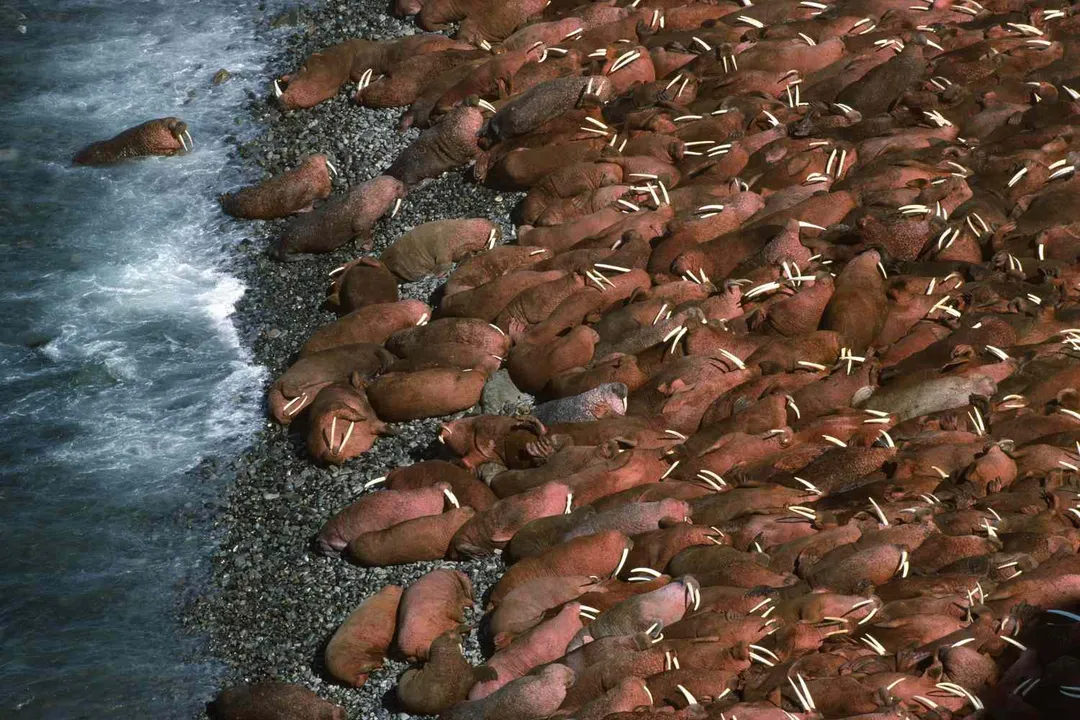
The simple classification places the walrus, Odobenus rosmarus, squarely within the carnivora order. This is a classification based on their physiology and the general composition of their diet, which centers on animal matter. While the term "carnivore" often conjures images of apex predators actively hunting large vertebrates, the definition simply means the animal's diet is primarily composed of flesh.
It is important to distinguish this from being an omnivore, which implies a regular, significant consumption of both animal and plant material. Although a walrus might incidentally ingest some plant matter along with the substrate it vacuums from the seafloor, its nutritional requirements and feeding specialization are entirely geared toward animal protein and fat. Their digestive system and dentition are not structured to efficiently process large quantities of plant cellulose. Therefore, despite the occasional confusion, the scientific consensus based on their ecological role points toward a strict carnivorous designation.
# Benthic Feeding
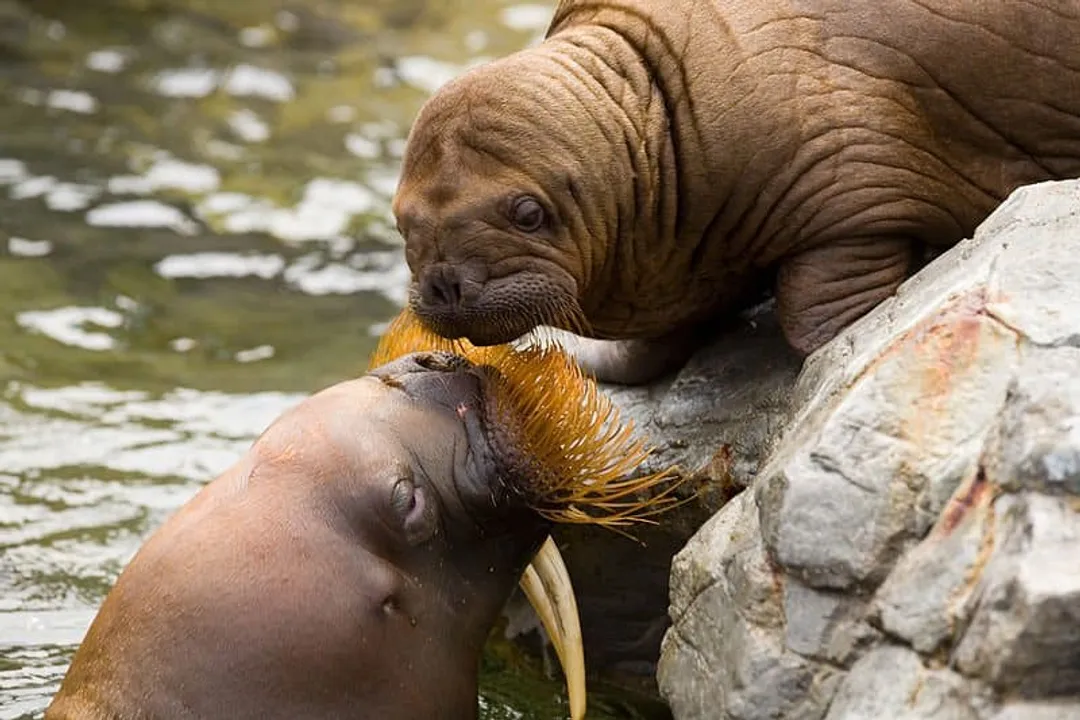
The signature tool for the walrus's carnivorous lifestyle is not its impressive tusks, which are primarily for display, defense, and hauling out, but its highly sensitive snout and specialized mouth structure. Walruses are benthic feeders, meaning they primarily forage on the bottom of the ocean, often at depths of to meters, though they can dive much deeper. They use their sensitive vibrissae—the stiff whiskers covering their snout—to feel for prey buried in the soft sediment.
The actual extraction process is an astonishing display of specialized feeding mechanics. A walrus will root around in the mud or sand, find a suitable prey item, and then use a powerful suction action to draw the food into its mouth. It is a process similar to using a giant, fleshy straw, involving rapid changes in the volume of the mouth cavity to create negative pressure. Once the prey is inside, the walrus crushes the hard shells or exoskeletons using its molars and premolars, effectively grinding the food before swallowing the soft tissues. The indigestible parts, such as the shells of clams or the exoskeletons of crabs, are then expelled as small pellets. This suction technique allows them to process vast quantities of food relatively quickly.
If you consider the sheer efficiency of this method, it becomes clear why walruses target slow-moving or stationary creatures. Their feeding anatomy is an evolutionary masterpiece optimized for bulk extraction from the sediment rather than high-speed pursuit. Imagine a creature that can essentially vacuum an entire patch of the seafloor clean in a matter of minutes; this method dictates their menu far more than a desire to hunt active swimmers.
# Menu Composition
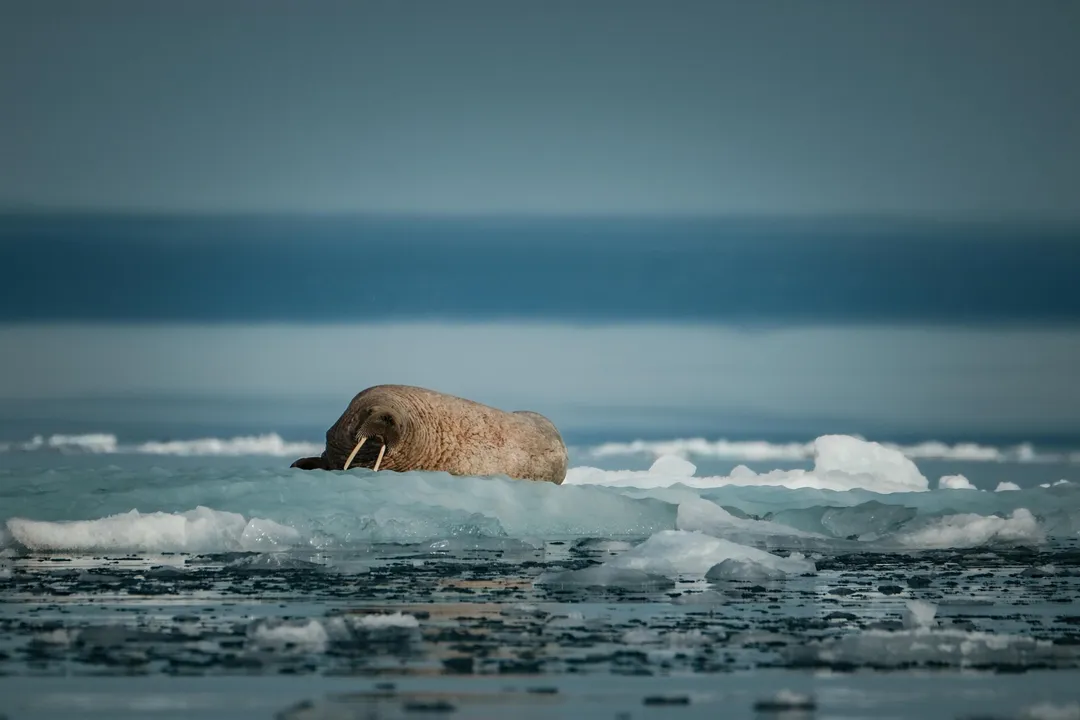
The primary diet of the walrus consists overwhelmingly of bivalve mollusks, such as clams, mussels, and scallops. In some regions, these form the bulk of their caloric intake. However, their menu is surprisingly varied, reflecting the available food sources in their Arctic and sub-Arctic habitats.
Key components of the walrus diet include:
- Mollusks: Clams, mussels, and other shelled organisms.
- Benthic Invertebrates: Sea cucumbers, sea snails, and polychaete worms.
- Crustaceans: Various types of crabs.
- Fish: They will also consume slower-moving bottom-dwelling fish.
The proportions of these items shift based on geography and season. For instance, in areas rich in large clams, the diet will be dominated by them. A single walrus can consume an astonishing amount of food to meet its energy needs, sometimes eating several thousand clams in a single day, though this varies greatly depending on the size and density of the prey population. Observing the discarded shell piles or "middens" left near haul-out sites can give researchers a rough estimate of local consumption rates. If a researcher tracked a small herd over a month, they might estimate that the collective caloric demand necessitates the removal of millions of individual organisms from the seabed, illustrating their significant impact as benthic modifiers.
# Predation Events
While the staple diet confirms their classification as carnivores specializing in invertebrates, walruses are perfectly capable of, and occasionally do, consume larger, vertebrate prey, further solidifying their carnivorous status and occasionally blurring the line in popular perception.
This higher-level predation usually involves marine mammals or large fish. Reports exist of walruses preying on seals, including smaller species like ringed seals or bearded seals. Furthermore, there have been documented instances of them taking young whales, such as belugas or even bowhead whale calves. This behavior is often observed in specific, isolated populations or circumstances where preferred food sources might be scarcer, or when an opportunity presents itself.
These predatory acts are generally carried out by large males, often using their tusks to hold or subdue the struggling prey before consuming the blubber and muscle tissue. The fact that they successfully hunt and consume other marine mammals—active, warm-blooded animals—is strong evidence against classifying them as simple omnivores or herbivores. It demonstrates that their feeding capabilities extend well beyond the suction-feeding method used for clams.
# Historical and Ecological Context
The walrus belongs to the family Odobenidae, a lineage that branched off from the ancestors of modern seals and sea lions. This unique evolutionary path is reflected in their physical traits, like the prominent tusks and the specialized snout. In terms of taxonomy, they are often categorized with seals and sea lions, though their specialized morphology sets them apart.
Ecologically, walruses are considered keystone species in some Arctic environments, primarily due to the impact of their intensive bottom-feeding activities. By constantly disturbing the substrate in search of clams and other buried organisms, they actively change the physical structure of the seafloor communities. This constant churning can bring nutrients up from deeper layers and redistribute sediment, influencing which smaller organisms can colonize the area. This ecological function, driven entirely by their carnivorous pursuit of invertebrates, underscores their importance in the cold, often nutrient-limited Arctic marine ecosystem. It is a powerful reminder that a predator's role is not always defined by its size or the drama of the hunt, but often by the sheer volume of what it consumes beneath the waves.
Related Questions
#Citations
Walrus - Wikipedia
Stuffed Animal Safari: Walrus - Carnegie Museum of Natural History
Walrus Animal Facts - Odobenus rosmarus
walruses -carnivores or omnivores or herbivores?
Meet Pontolis Magnus, the carnivorous walrus 33% larger than the ...
Walrus Fact Sheet | Blog | Nature - PBS
Walrus Facts | Live Science
Walrus (Odobenus rosmarus) - WildFact
8 Facts About Walruses - ThoughtCo