Is margay an omnivore?
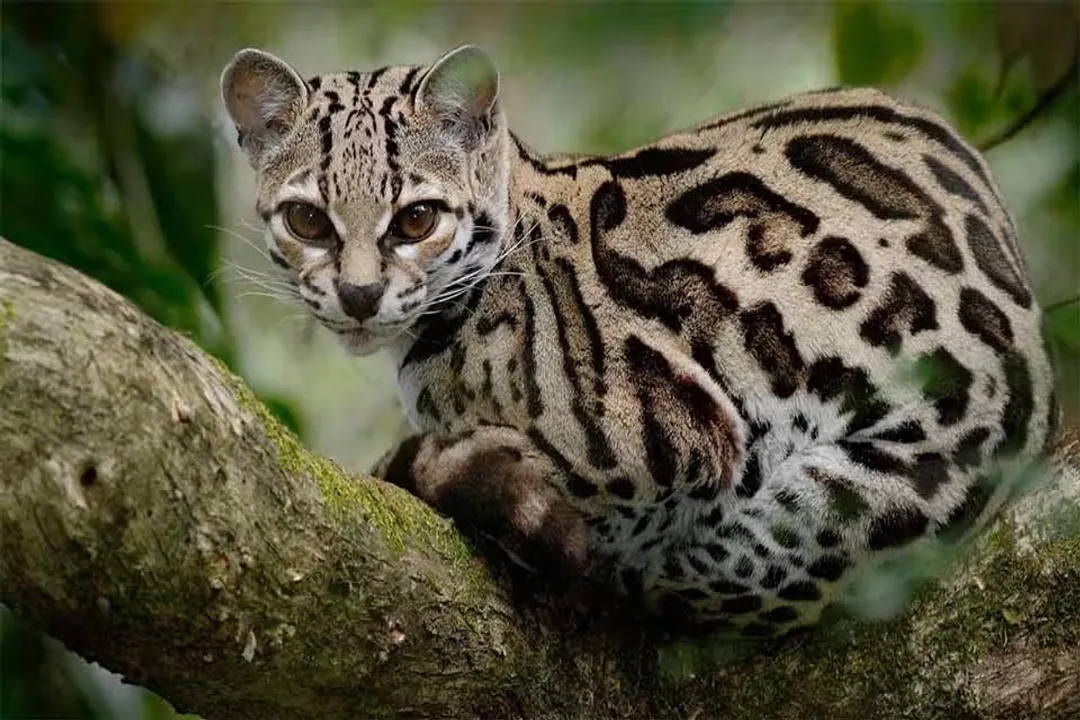
The margay, Leopardus wiedii, presents a fascinating case study when examining the dietary habits of small Neotropical felids. As an inhabitant of the dense forest canopies from Mexico down through Central and South America, this elusive spotted cat shares its treetop realm with monkeys, birds, and a host of invertebrates. [9] For any wild animal, understanding what sustains it is key to understanding its ecological role, and for the margay, this often leads to a pointed question about its classification: Is it purely carnivorous, or does it fit the broader description of an omnivore?
# Feline Context
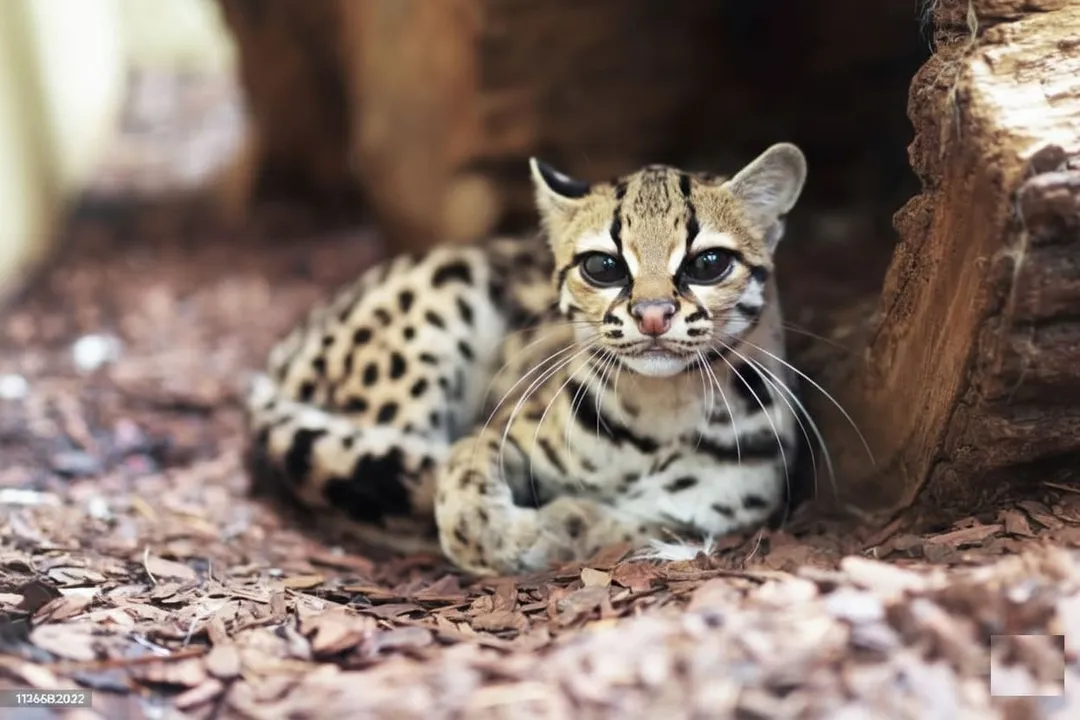
As a member of the Felidae family, the margay inherits a strong predisposition toward a meat-based diet. [5] The vast majority of wild cats are obligate carnivores, meaning their physiology, from dental structure to metabolic requirements, is optimized for processing animal protein. Their digestive systems are relatively short, designed for rapid extraction of nutrients from meat rather than the prolonged fermentation required for plant matter. [3] This genetic and physiological heritage places the margay firmly in the carnivorous camp from the outset. [5]
# Dietary Staples
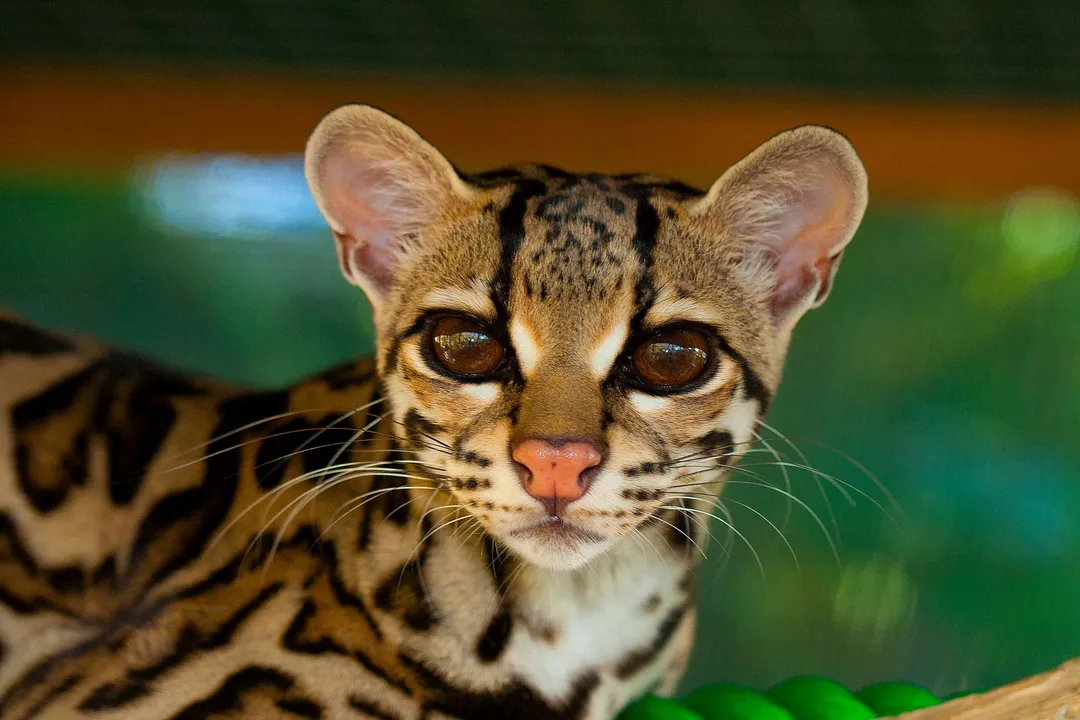
When we look closely at the documented menu of the margay, the picture painted is overwhelmingly of a predator specializing in small prey items found both in the trees and on the forest floor. [2][5] Its diet heavily favors small mammals, often including rodents like spiny rats or mice, and possibly small primates depending on the region. [1][5] Birds are also a significant component, likely taken when opportunities arise in the dense foliage. [2]
Beyond the warm-blooded creatures, the margay actively hunts a variety of ectotherms. Lizards and amphibians, such as small tree frogs, make regular appearances in recorded scat analyses or observation notes. [2][5] Furthermore, the diet extends down to the invertebrate level; insects are certainly consumed, though perhaps more incidentally or when larger prey is scarce. [1] This varied appetite for animal matter—mammals, birds, reptiles, amphibians, and insects—confirms its status as a highly effective, specialized predator. [3]
# Plant Matter Inquiry
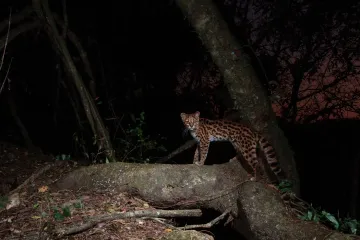
The classification debate hinges on the consumption of non-animal food sources, specifically fruits or vegetation. A strict omnivore consumes both animal and plant material regularly as a core part of its survival strategy. [7] While it is known that many carnivores, including some small cats, will occasionally ingest small amounts of plant material—sometimes for roughage, to aid digestion, or perhaps due to opportunistic foraging—this incidental consumption usually does not push them into the omnivore category. [7]
For the margay, verifiable, regular ingestion of significant quantities of fruit or leaves that would necessitate an omnivorous label is not strongly documented across available observations. [2] If a margay consumes a fruit, it is generally viewed as a supplement or a rare treat rather than a necessary dietary pillar that supports its energy needs alongside meat. [5] Therefore, based on the known evidence, the margay functions as a committed carnivore, even if it doesn't pass up a stray berry encountered during a nightly trek through the branches. [3]
# Arboreal Hunting Prowess
The unique aspect of the margay's feeding strategy lies in how it acquires its food, which is deeply tied to its unparalleled agility in the trees. [2] Unlike its relative, the ocelot, the margay spends a significant portion of its life aloft, displaying an almost unparalleled level of adaptation to an arboreal lifestyle among small cats. [6] Its ability to rotate its hind ankles nearly 180 degrees allows it to descend trees headfirst, a trait few other felids possess. [5] This adaptation is not just for escaping danger; it is a hunting tool, granting access to arboreal nests, sleeping birds, or canopy-dwelling rodents that other terrestrial or semi-arboreal hunters cannot reach. [2][6] This specialized foraging strategy dictates what is available to them, favoring agile, tree-dwelling prey. [2]
# Dietary Specialization Versus Generalism
A point worth considering when assessing any carnivore’s diet is the difference between a specialized hunter and a generalist feeder within that carnivorous spectrum. A true specialist might focus almost exclusively on one type of prey, like a seal hunter, whereas the margay appears to be a generalized carnivore, switching readily between rodents, birds, and reptiles. [5] This flexibility is actually a survival mechanism in the dynamic tropical environment. For instance, if a particular fruit tree attracts many insects or small lizards during a specific season, the margay’s hunting pattern will shift to exploit that temporary abundance of animal prey attracted to the plant. [1] This is adaptation, not omnivory. The cat is utilizing a plant-related event to secure its necessary animal calories.
An interesting contrast emerges when comparing the margay’s feeding habits to those of primates in the same habitat. While a howler monkey might get 60% of its energy from leaves and fruit, the margay's reliance on animal protein likely remains above 90% year-round, even in lean times. [3] The energy demands of maintaining the high metabolism required for an active feline lifestyle simply cannot be reliably met by the low caloric density of tropical fruits and leaves, which is why obligate carnivores must prioritize meat. [7]
# Local Resource Influence
The specific composition of a margay’s diet is inherently tied to its immediate location, creating subtle regional variations in what data collectors find. [9] In a drier lowland forest in Costa Rica, for example, sightings and scat analysis might show a higher proportion of terrestrial prey like large beetles or ground-dwelling lizards, simply because canopy density is lower or specific rodent populations fluctuate. [9] Conversely, in the upper Amazonian basin, where canopy coverage is extremely dense, the diet might skew more heavily toward smaller arboreal mammals and nesting birds. [1] This means that while the type of food remains carnivorous, the specific species consumed varies widely, demonstrating ecological plasticity within a carnivorous framework. [4] This localized dependency on available animal populations, rather than a reliance on seasonally available plant energy sources, reinforces its carnivorous classification. [5]

# Ecological Implications of a Predatory Niche
The margay's role as a medium-small predator has consequences for smaller forest dwellers. By preying on small nocturnal and arboreal species, it helps regulate populations that might otherwise decimate seeds or insect populations themselves. [2] This predatory pressure, exerted by a cat that can navigate the three-dimensional structure of the forest so effectively, is a unique contribution to the ecosystem's balance. [6] If the margay were a significant omnivore, its impact on insect or seed dispersal rates would be far less pronounced, and it would likely compete more directly with frugivorous birds or monkeys, which is not its primary ecological function. [3]
The very low frequency of reported plant consumption, if any, suggests that even if a margay ingests fruit, it is likely accidental or a low-priority filler, similar to how a domestic cat might chew on grass. [7] For the wild margay, the priority is always the acquisition of amino acids and fats found almost exclusively in animal tissues. [5] The ability to rapidly adjust which small mammal or bird it targets based on immediate environmental cues, rather than waiting for a specific fruit to ripen, defines its successful existence as a specialized feline hunter. [2] The occasional sighting of one near a patch of fruit is more likely to be an incidental observation on its way to hunting a fruit-eating rodent than a deliberate foraging stop for the fruit itself. [1]
# Defining Carnivore Versus Omnivore
To settle the matter definitively, one must rely on established biological definitions. An obligate carnivore must consume meat to survive due to physiological limitations. A facultative carnivore eats meat but can supplement its diet significantly with plant matter. An omnivore consumes both regularly and is physiologically adapted to process both food types efficiently. [3] While the margay shows flexibility in the types of animal prey it takes (facultative predation), the data overwhelmingly points to an absolute reliance on animal matter for necessary nutrients. [5] The absence of evidence for consistent, nutritionally significant fruit or vegetable intake keeps the margay in the carnivore bracket, a hunter whose life is bound to the creatures it pursues through the high forest aisles. [2][4]
Related Questions
#Citations
Margay - Wild Kratts Wiki - Fandom
The Acrobatic Margay: Diet and Life in the Canopy - Vocal Media
Leopardus wiedii (margay) | INFORMATION - Animal Diversity Web
Margay facts, distribution & population - BioDB
Margay - Leopardus wiedii - NatureWorks - New Hampshire PBS
Future Creatures Challenge :: Gallery :: The Watergay
Margay - Japari Library, the Kemono Friends Wiki
Meet the margay (Leopardus wiedii)! It's also known as the long ...
Margays - Costa Rica