Is a cobra a carnivore or herbivore?
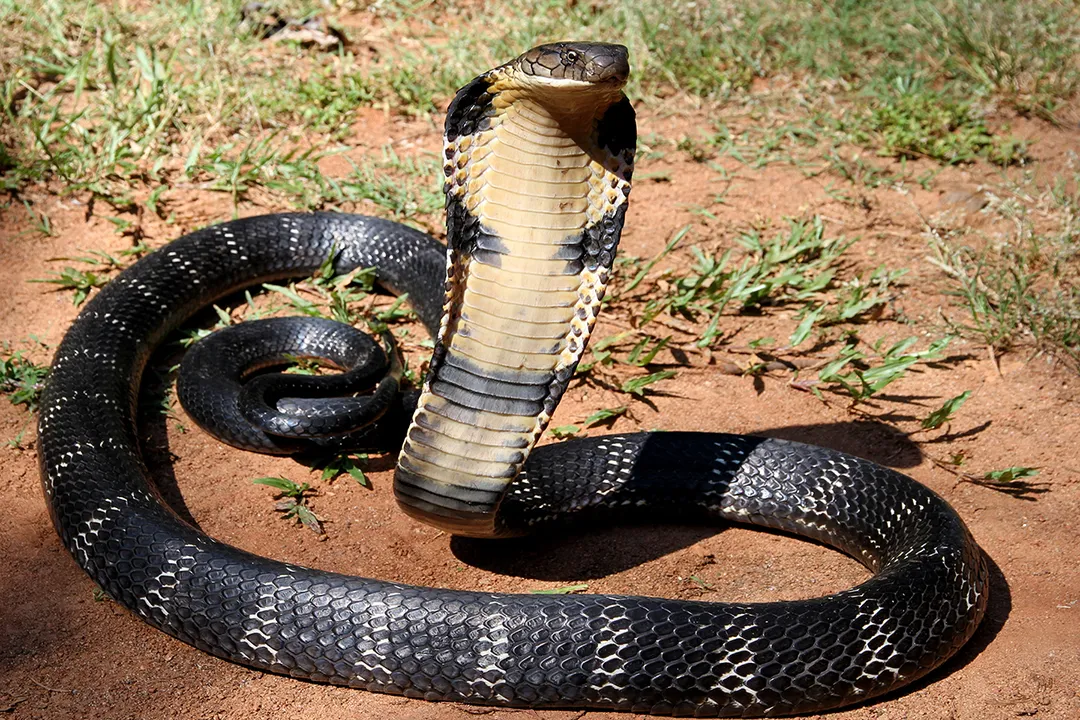
The dietary habits of snakes, and particularly the magnificent King Cobra, place them firmly in one specific category of animal nutrition, distinct from those that consume plant matter. To classify them accurately, we must look at what sustains these often-misunderstood reptiles. Simply put, the cobra is an obligate carnivore. This designation means their survival absolutely depends on consuming other animals; vegetation plays no role in fueling their immense size or potent neurotoxic venom.
# Carnivore Defined

In the natural world, animals are broadly categorized based on their primary food source: herbivores eat plants, omnivores eat both plants and animals, and carnivores subsist solely on meat. As reptiles, snakes fit neatly into the carnivorous group. They are predators whose physiology—from their sharp, backward-curving teeth designed for gripping to their specialized digestive systems—is entirely geared toward capturing, subduing, and assimilating animal flesh.
# Snake Specialist
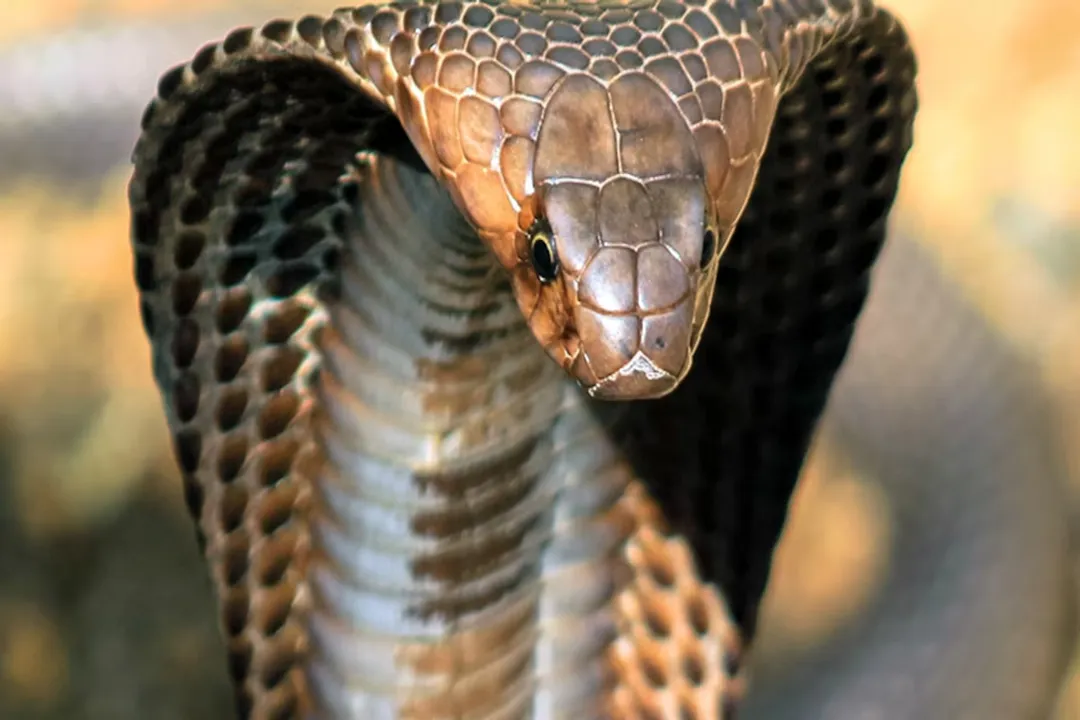
While many snakes are generalist carnivores, consuming rodents, birds, eggs, or amphibians, the King Cobra (Ophiophagus hannah) exhibits one of the most specialized diets in the entire snake order, Serpentes. This specialization is so profound that it is reflected in its scientific name. The genus name, Ophiophagus, literally translates from Greek to mean "snake-eater".
This nomenclature is not just a fun fact; it defines their ecological niche. The diet of the King Cobra is mostly made up of other snakes. They actively hunt and consume a variety of other serpent species, including pythons and even other venomous snakes. This preference for other snakes means that in any given ecosystem, the King Cobra sits near the top of the reptile food chain, preying on animals that other predators might avoid due to venom or constriction capabilities.
The Saint Louis Zoo notes that King Cobras are predators, and their venom is potent, an apparatus finely tuned for capturing prey. Considering they are consuming other snakes, which are themselves effective predators, the King Cobra requires substantial feeding events to meet its energy demands. While the primary focus is ophidiophagy, other sources indicate that occasional small mammals or lizards might be taken, but these are secondary to their core snake diet. For the purposes of biological classification, however, their reliance on meat, and specifically other reptiles, seals their status as carnivores.
# Hunting Adaptations

For a snake that specializes in consuming other snakes, effective hunting and defense mechanisms are paramount. King Cobras are equipped with powerful venom, which they use to subdue their prey quickly. Unlike some constrictors, the King Cobra often relies on its venom to immobilize or kill the other snake before swallowing it whole.
When observing a large predator like the King Cobra, one might instinctively focus on its defensive posture—the iconic hooding display. However, their entire anatomy is built around the capture sequence. Their eyesight, while generally not their primary sense for tracking, is good enough to locate movement, which is crucial when stalking other reptiles. Once a meal is secured, the process of ingestion is slow, requiring time for the powerful stomach acids to break down the bones and tissues of the consumed snake.
# Unique Energy Expenditure
It is interesting to consider the relationship between a predator’s specialized diet and its unique behavioral traits. For example, the King Cobra is renowned among snakes for being one of the few species that actually builds a nest for its eggs. While most snakes simply lay their eggs and depart, the female King Cobra gathers leaves and debris to construct a mound, often several feet high, in which she lays her clutch.
This construction project is highly unusual for a reptile and demands significant energy expenditure from the female, who often fasts during the entire incubation period. Such a large investment in reproduction suggests a high baseline energy requirement, which is supported by the high-caloric and protein-rich diet derived from consuming other large animals like snakes. It takes a consistent supply of high-quality, nutrient-dense prey to fuel the body capable of supporting such complex parental care strategies, far exceeding what a typical herbivore would require from low-density vegetation.

# Contrast With Plant Eaters
To fully appreciate why the cobra is a carnivore, contrasting it with a herbivore helps solidify the concept. Herbivores, like cows or deer, possess complex digestive systems adapted to breaking down cellulose—the tough material that makes up plant cell walls. They often require multiple stomachs or specialized gut flora to extract sufficient nutrition from relatively low-energy forage.
The King Cobra has none of these adaptations. Its gut is short and designed for processing protein and fat, not fiber. A cobra consuming grass or fruit would starve, as its body cannot extract the necessary calories or protein from plant matter. This fundamental difference in anatomy confirms that the cobra's evolutionary path was strictly that of a meat-eater.
# Ecological Niche and Final Verdict
As an apex predator within its specific food web, the King Cobra plays a role in regulating populations of other snakes. By targeting other reptiles, they help maintain the balance of the forest floor community. Their presence signifies a healthy, complex ecosystem capable of supporting such a specialized hunter.
Looking closely at their venom provides another layer of understanding regarding their carnivorous existence. The potent neurotoxins are not just a defense mechanism but a highly efficient tool for rapidly incapacitating prey that might otherwise fight back vigorously, such as a rattlesnake or another cobra. This evolutionary specialization toward meat consumption, particularly snake meat, coupled with the adaptations for processing protein and the energy-intensive behaviors they exhibit, leaves no doubt as to their dietary classification. The cobra is unequivocally a carnivore.
It is worth noting that the energy required to produce enough venom to subdue a meal comparable in size to the cobra itself is substantial, meaning they must be highly efficient hunters. An interesting management consideration, when thinking about captive populations, is how crucial maintaining a consistent supply of snake prey is; substituting rodents entirely might not meet all the specific nutritional requirements derived from a diet built around ophidiophagy, potentially affecting vitality or reproductive success. This underscores that not all carnivores are created equal; some possess needs as unique as their environment.
Related Questions
#Citations
Is a king cobra a carnivore? - Quora
King Cobra - Facts, Diet, Habitat & Pictures on Animalia.bio
King Cobra | National Geographic Kids
King cobra - Wikipedia
TIL: King Cobras are the only snake that builds a nest for its young ...
King cobra facts, distribution & population - BioDB
Ophiophagus - the snake eater. The diet of the king cobra is mostly ...
King Cobra | Saint Louis Zoo